
Tropical Water & Ecosystems
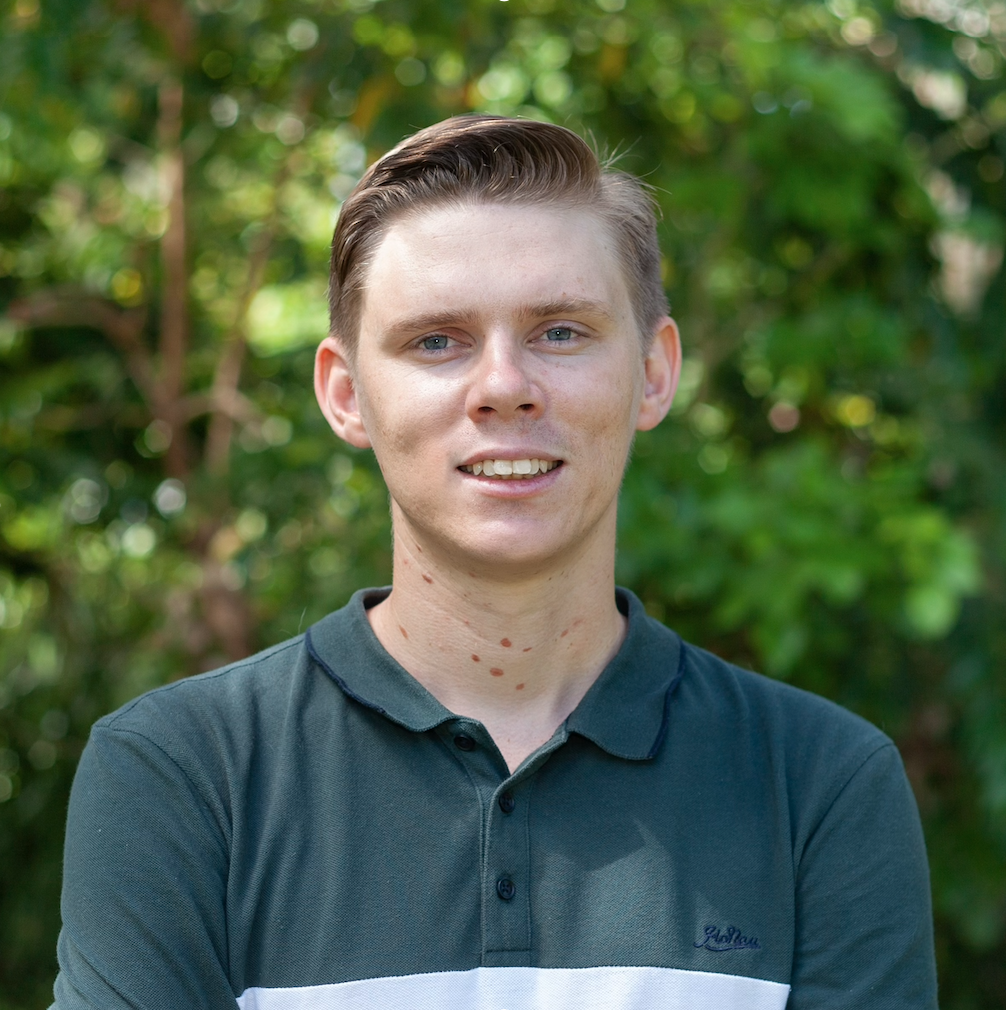
Scott Morrissey
- Research Officer
- scott.morrissey@jcu.edu.au
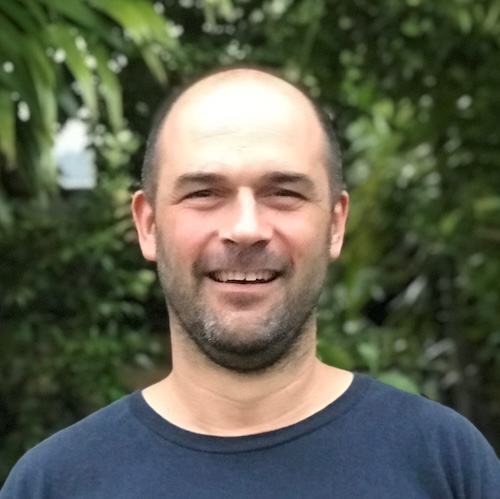
Tim Smith
- Senior Research Officer
- tim.smith2@jcu.edu.au
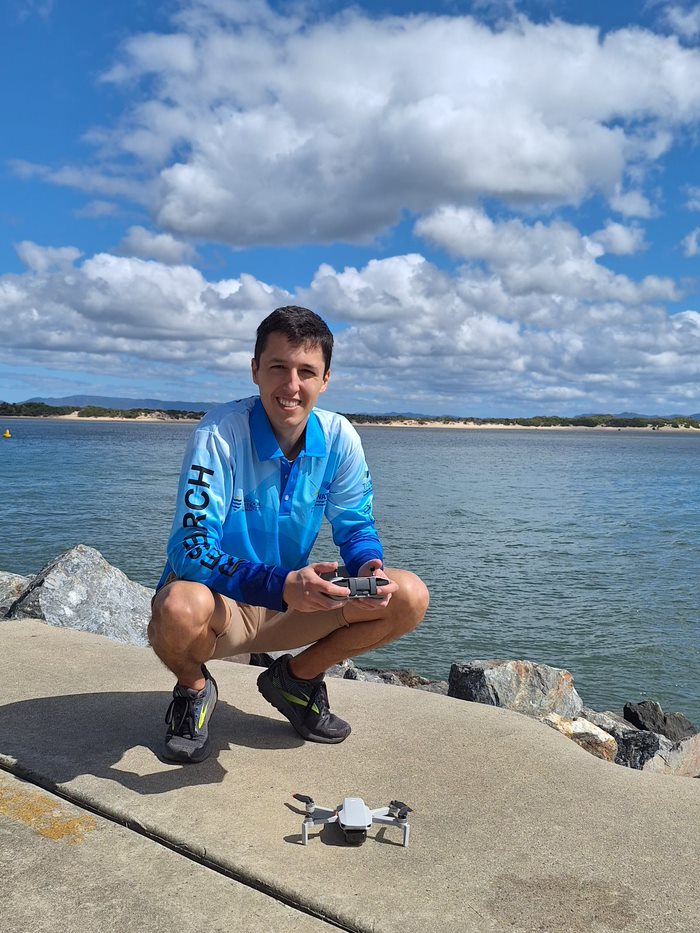
Alejandro Navarro Otero
- Casual Research Worker
- alejandro.navarrootero@jcu.edu.au
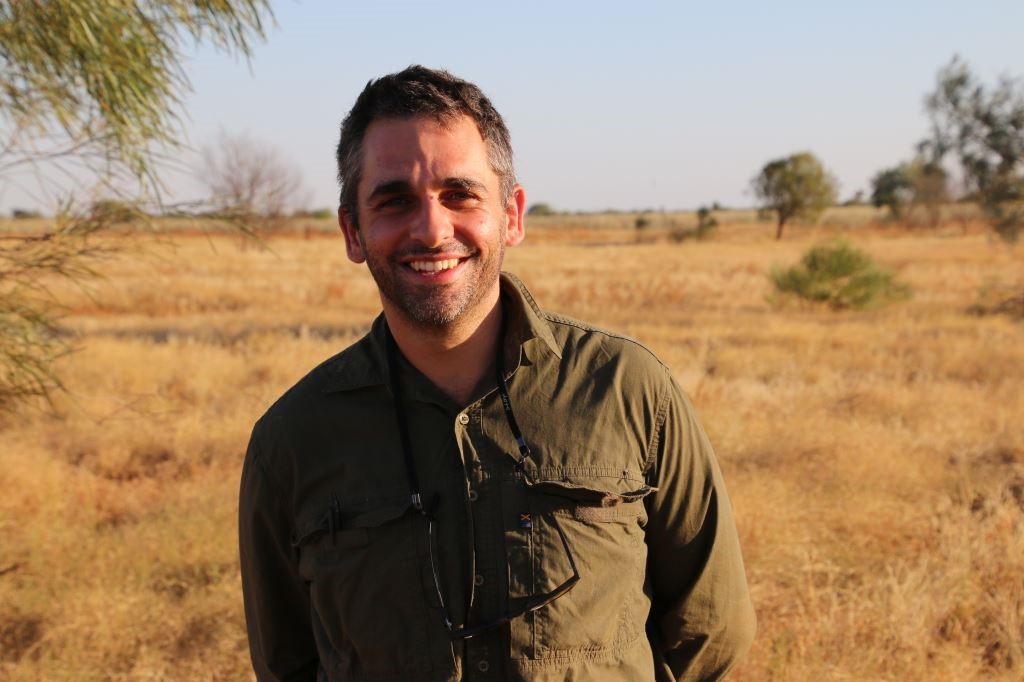
Jack Koci
- Principal Research Officer
- jack.koci1@jcu.edu.au
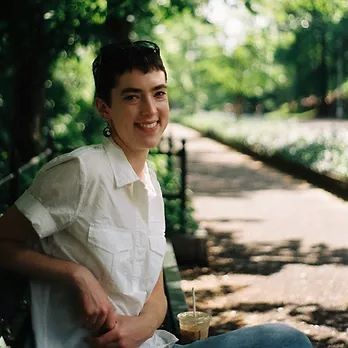
Sarah McDonald
- Senior Research Officer
- sarah.mcdonald@jcu.edu.au
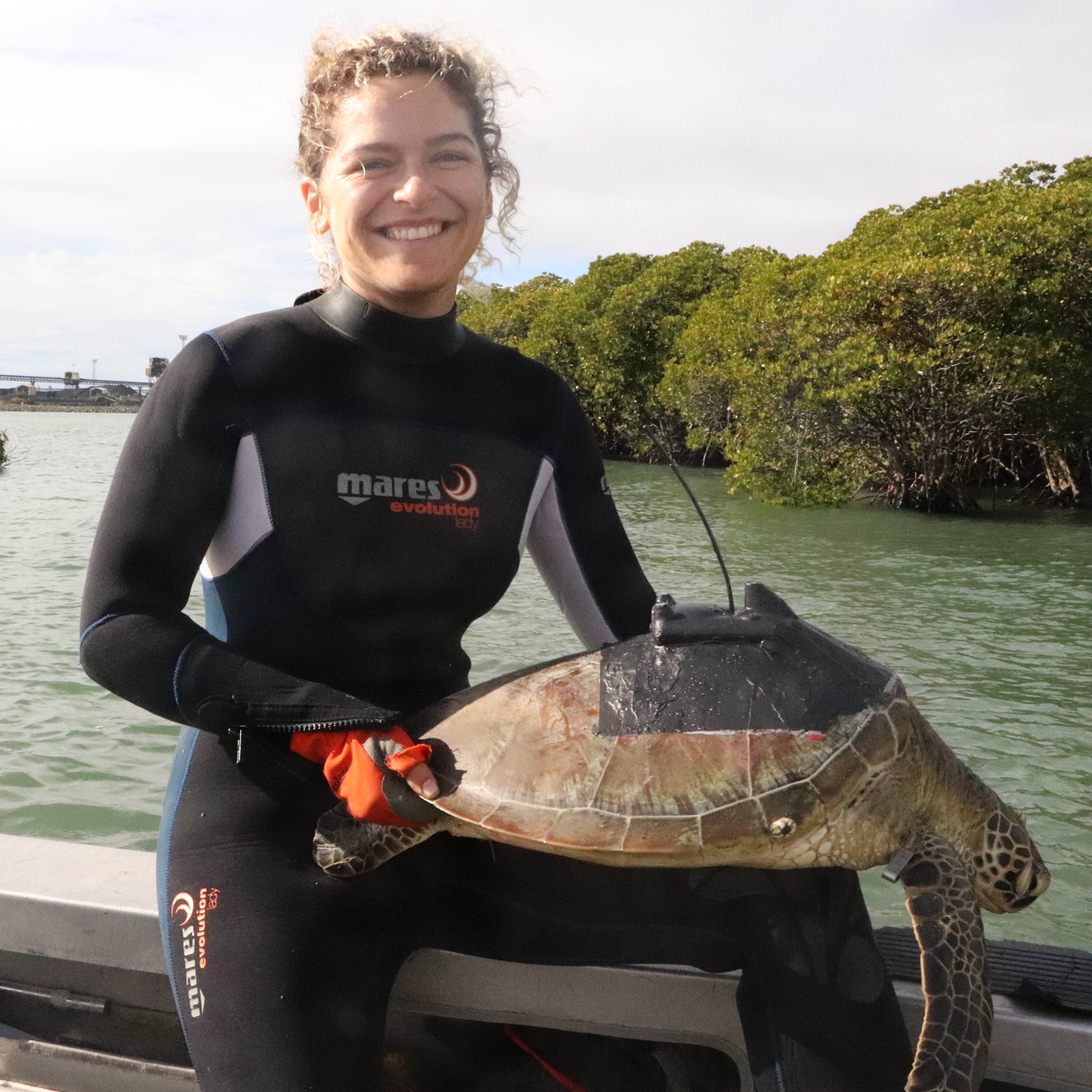
Emily Webster
- Research Officer
- emily.webster1@jcu.edu.au

Abbi Scott
- Senior Research Officer
- abbi.scott1@jcu.edu.au

Catherine Collier
- Principal Research Officer
- catherine.collier@jcu.edu.au

Rob Coles
- Principal Research Scientist
- rob.coles@jcu.edu.au

Aaron Davis
- Principal Research Officer
- aaron.davis@jcu.edu.au
LDC Community Water Quality Monitoring Program (LME#17-004). (Old ID 25147)
The objective of the Burdekin MIP is to work closely with groups in one or two focus areas, with the Bowen-Broken-Bogie(BBB) catchments, to trial a range of regionally tailored coordinated actions that reduce sediment and nutrient loads. Throughout this Major Integrated Project, progress in achieving land management practice changes, economic benefits for landholders and pollutant load reductions will be closely monitored an results will inform adaptive management. This project is to develop a community water quality monitoring program for the BBB catchments.
Ecological Monitoring of the Townsville Field Training Area 2015-2016 (Old ID 22497)
This project continues the long standing monitoring that TropWATER has undertaken for Defence that incorporates water quality (including standard physio chemical, nutrients and metals), aquatic invertebrate and reparian vegetation condition assessments to evaluate the health of key aquatic ecosystems on the Townsville Field Training Area.
Re-Invigorating the Pesticide Working Group (PWG) (Old ID 22959)
The project is designed to facilitate communication between industry, extension providers, scientists resource managers and regulators, and undertake activities to accelerate progress towards the Reef Water Quality Protection Plan target for pesticides.
Seagrass Assessment Southern Expansion of Mackay-Whitsunday Monitoring Program (Old ID 23604)
TropWATER will provide seagrass assessment to assist regional marine ambient monitoring program administered by Mackay Whitsunday Healthy Rivers to Reef Partnership. These data will assist Mackay Whitsunday Healthy Rivers to Reef Partnership with the preparation of a regional report card.
Rapid In-field Detection of the Deadly Jellyfish, Chironex fleckeri (Old ID 31188)
Detection of Chironex fleckeri presents large challenges, and Environmental DNA (eDNA) can be used to overcome these. The use of an in-field detection workflow could offer an efficient and sensitive tool for real-time detection. This may allow for greater management of the taxon’s threat to human health and enterprise, specifically by identifying areas of high risk that are frequented by C. fleckeri. Through Rapid Assessment tests, rapid in-field detection of Chironex fleckeri becomes feasible, facilitated by eDNA techniques. Such an approach could significantly bolster ecological research and risk mitigation efforts undertaken by management authorities responsible for dealing with this taxon.
Sources of Bioavailable Nutrients: Phase 2 (Old ID 22526)
The primary objective of this project is to determine which indicators (ideally 2 - 4 in total for N and P) best predict algal growth (whole community and diatom only) in freshwater and marine conditions. Research indicates that diatoms are the key food source for Crown of Thorns Starfish larvae therefore having a "diatom only" treatment will enable us to look at indicators specifically related to this issue. Indicators will be tested on a range of key soil types (key soils with a range of erodibilities from the Bowen and Johnstone catchment will be selected), erosion processes (surface and sub-surface) and land uses (grazing and cane) to ensure their applicability and reliability.
DES - JCU GBRCLMP Collaborative Agreement (Old ID 31131)
Collaborate and support the Water Quality and Investigations’ GBR Catchments Loads Monitoring Program under a regionally based science partnership.
Torres Strait Seagrass Research (Old ID 23045)
This seagrass research program continues collaborations with TSRA LSLMU Rangers in the Dugong Sanctuary, and will conduct seagrass baseline surveys at Dungeness Reef. The baseline assessment will form the foundation for ongoing monitoring, and provide essential information to the TSRA, Australian and Queensland Governments for dugong and turtle management plans, complimenting dugong and turtle research studies in the region and building skills and capacity of Traditional Owners and Rangers.
Reducing End-of-Catchment Fine Sediment Loads and Ecosystem Impacts (Old ID 26961)
A wide range of NESP TWQ Hub projects have focused on the source, transport, fate and impact of sediments on estuarine, coastal and reef ecosystems. These projects have responded to the Reef 2050 Plan water quality targets and Water Quality Improvement Plan aiming to reduce the loss of sediments from catchments to the marine environment. To better manage sediment losses and prioritise remedial actions, it is important to be able to understand and contextualise all of the issues that are involved in this sediment story, from managing catchment sources to defining which types of sediment cause the most harm in the marine environment. The synthesis report will include a list of gully prioritisation tools and sampling methods for detecting sediment and bioavailable nutrients. This project will provide a narrative and synthesis to bring all these threads together. Synthesis of this new knowledge will provide advice on practical on-ground actions for land and sea managers, policy implications and identify remaining gaps for future research and management investments.
Coral decline threatens fish biodiversity in marine reserves
- 2004
- National Academy of Sciences
- Researchers:Maya Srinivasan
Mid-late Holocene sea-level variability in eastern Australia
- 2008
- Wiley-Blackwell
- Researchers:Stephen Lewis
Start Date:
01 Jan 2009
End Date:
01 Jan 2026
Start Date:
01 Jan 2009
End Date:
01 Jan 2030
Start Date:
01 Jan 2014
End Date:
01 Jan 2030
Start Date:
01 Jan 2021
End Date:
01 Jan 2025
Start Date:
01 Jan 1981
End Date:
01 Jan 1984
Start Date:
01 Jan 1986
End Date:
01 Jan 1988
Start Date:
01 Jan 1973
End Date:
01 Jan 1973
Start Date:
01 Jan 2024
Start Date:
01 Jan 2022
End Date:
01 Jan 2023
Title:
Conference co-chair
Start Date:
01 Jan 2023
End Date:
01 Jan 2023