
Information Technology

Umair Qureshi
- Senior Lecturer, Information Technology
- umair.qureshi@jcu.edu.au

Chao Chen
- Adjunct Senior Lecturer
- chao.chen@jcu.edu.au

Dmitry Konovalov
- Senior Lecturer
- dmitry.konovalov@jcu.edu.au

Trina Myers
- Adjunct Professor
- trina.myers@my.jcu.edu.au

Iti Chaturvedi
- Lecturer, Information Technology
- iti.chaturvedi@jcu.edu.au
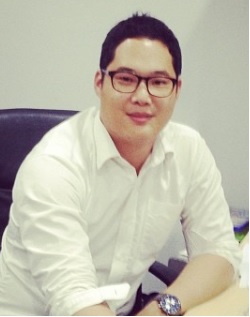
Euijoon Ahn
- Senior Lecturer, Information Technology
- euijoon.ahn@jcu.edu.au
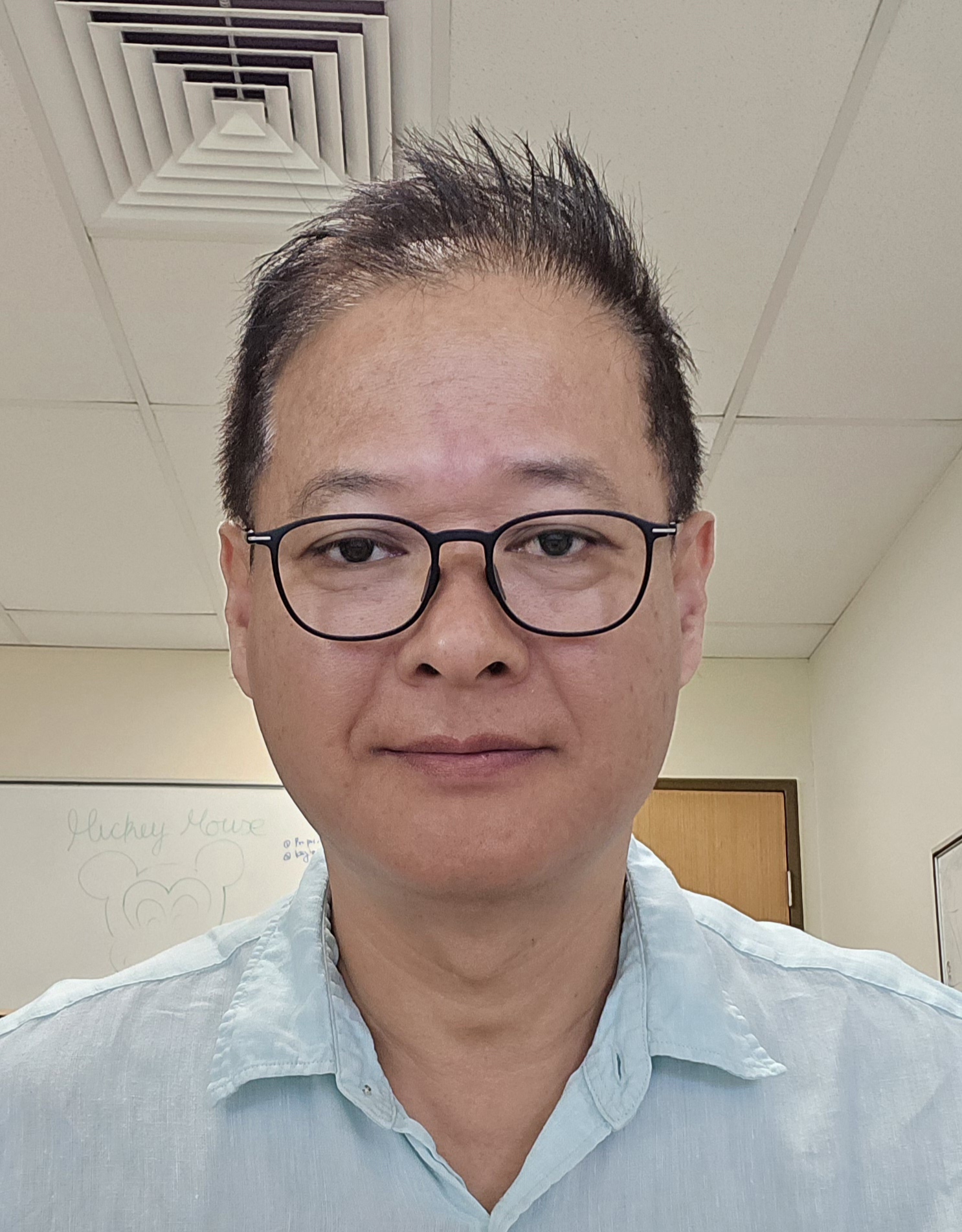
Ickjai Lee
- Professor - Promotional Chair
- ickjai.lee@jcu.edu.au
Kyungmi Joanne Lee
- Senior Lecturer
- joanne.lee@jcu.edu.au
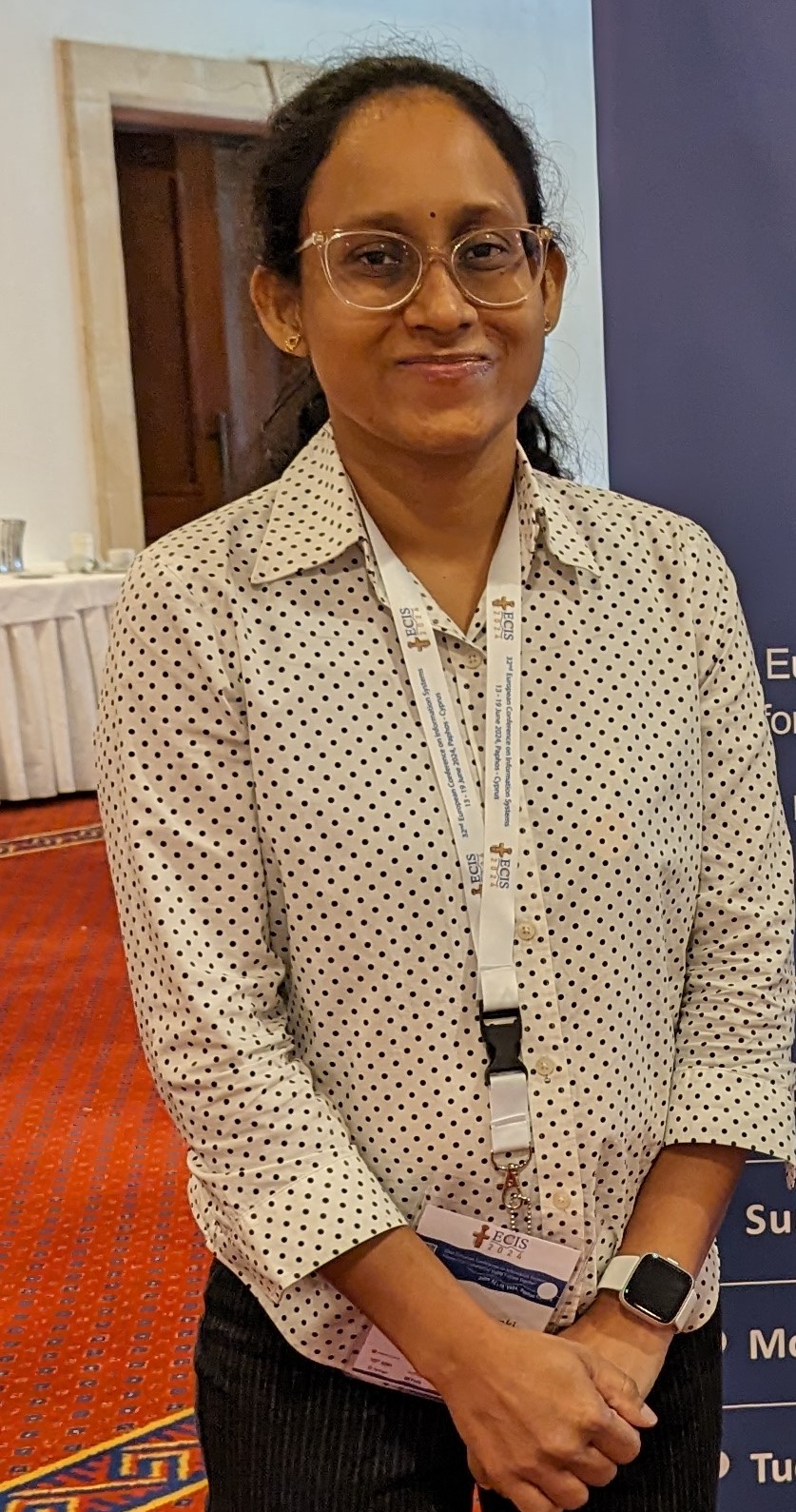
Kranthi Addanki
- Lecturer, Information Technology
- kranthi.addanki@jcu.edu.au

Lindsay Ward
- Senior Lecturer
- lindsay.ward@jcu.edu.au
Application of a machine learning approach for effective stock management of abalone (Old ID 26742)
Ickjai Lee
24 Jul 2020 - 31 Aug 2022
Determining the number and size distribution of abalone present at various stages of production is critical information for effective stock management. Currently the Australian abalone aquaculture industry spends in the order of $25,000 per annum, per farm, gathering this information by hand. However, the resulting data is of mediocre quality, is limited in its scope, and collecting the data causes stress to the animals which can compromise growth and survival. Automated counting and measuring of abalone will increase farm efficiency and productivity in the short term and, in the longer term, will provide an advanced platform for further R&D improvements. Artificial intelligence and machine learning has now matured to a point that accurately counting and measuring abalone is possible using this approach. This project would involve the development, training and validation of a machine learning model to identify, segment and measure quantitative abalone traits in production systems, and render the product data to be accessible and applicable for farmers.
Application of a machine learning approach for effective stock management of abalone (Old ID 26742)
Kyungmi Joanne Lee
24 Jul 2020 - 31 Aug 2022
Determining the number and size distribution of abalone present at various stages of production is critical information for effective stock management. Currently the Australian abalone aquaculture industry spends in the order of $25,000 per annum, per farm, gathering this information by hand. However, the resulting data is of mediocre quality, is limited in its scope, and collecting the data causes stress to the animals which can compromise growth and survival. Automated counting and measuring of abalone will increase farm efficiency and productivity in the short term and, in the longer term, will provide an advanced platform for further R&D improvements. Artificial intelligence and machine learning has now matured to a point that accurately counting and measuring abalone is possible using this approach. This project would involve the development, training and validation of a machine learning model to identify, segment and measure quantitative abalone traits in production systems, and render the product data to be accessible and applicable for farmers.
CodeCraft: Augmented Learning for IT students
Euijoon Ahn
01 Jan 2024 - 31 Dec 2024
This project aims to enhance IT education using augmented reality (AR) technology
A mobile app and dashboard for effective management of early-stage chronic kidney disease
This project is funded by the Northern Australia Regional Digital Health Collaborative (NARDHC). The incidence and prevalence of chronic kidney disease (CKD) varies globally, and people in the lowest socioeconomic quartile have a 60% higher risk of progressive CKD. This project aims to develop a mobile app that detects vulnerable individuals who are at risk of deterioration in renal function and are needing intervention, while also allowing monitoring and appropriate education to those who are progressing steadily. The expected outcome is a novel mobiele analytic app that can improve the management of CKD patients in rural and remote areas for better health outcomes and planning.
Fusion of wearable and environmental sensors for remote monitoring of health and wellbeing in elderly populations
This project is funded by the Northern Australia Regional Digital Health Collaborative (NARDHC). This project aims to develop a smart home health monitoring prototype that improves upon existing technology by fusing information from multiple sensors. The proposed system will use non-invasive wearable sensors, non-contact mmWave technology, and artificial intelligence to monitor key vital signs, physical activity, stress, fatigue, and environmental conditions. The goal of this project is to prototype a comprehensive system for monitoring health and wellbeing in rural and remote Australia, with particular focus on elderly persons.
An Artificial Intelligence Enabled Automatic Detection of Estuarine Crocodiles in Queensland Waterways Using Digital Video
This is a collaborative project between James Cook University (JCU) and the Department of Environment, Science, and Innovation (DESI) to develop an artificial intelligence (AI) based software that leverages digital video for the detection of estuarine crocodiles (C. Porosus) in Queensland's waterways. Building on previous research and utilizing extensive footage from Hartley’s Crocodile Adventures, this project aims to create an AI-based pilot detection system operational in both day and night settings to enhance safety around high-risk waterways.
Near Real-Time Adaptive Human-Driven Demographic Intelligence Framework: Enhancing Customer Experience and Operational Efficiency through Behavioural Insights
The aim of this project is to enhance the value provided to customers by venue operators through the development and implementation of AI driven closed-feedback-loop venue behaviour engine that offers recommendations to customers and venue operators. Starting at TRL 3, we will leverage data provided by an existing pilot to gain detailed insights into customer behaviour and demographics. This will enable venue operators to tailor their services more effectively to meet customers' needs and preferences. The project will progress to TRL 6, culminating in improved customer satisfaction and increased operational efficiency for venue operators, and a better experience for customers, through validated, industry-ready solutions.
Beyond the bump: Leveraging social media to build positive perinatal mental health in regional, rural and remote North Queensland women
Adrian Shatte
13 Jan 2025 - 12 Jan 2027
This project aims to codesign, develop, and evaluate a preventative intervention to address mental health among perinatal women in regional, rural, and remote (RRR) areas. Co-designed with RRR perinatal parents and mental health professionals, the intervention will deliver a established psychotherapeutic techniques that are effective for preventing perinatal depression and anxiety (psychoeducation and behavior change on health literacy, interpersonal therapy) at-scale, tailored to the unique needs of the RRR maternity and mental health system. The evaluation will assess the feasibility, reach, engagement, and acceptability of the intervention, enabling a future larger-scale efficacy and implementation trial.
An Artificial Intelligence Enabled Automatic Detection of Estuarine Crocodiles in Queensland Waterways Using Digital Video
Euijoon Ahn
22 Jan 2025 - 22 Mar 2027
This is a collaborative project between James Cook University (JCU) and the Department of Environment, Science, and Innovation (DESI) to develop an artificial intelligence (AI) based software that leverages digital video for the detection of estuarine crocodiles (C. Porosus) in Queensland's waterways. Building on previous research and utilizing extensive footage from Hartley’s Crocodile Adventures, this project aims to create an AI-based pilot detection system operational in both day and night settings to enhance safety around high-risk waterways.
Develop an autonomous AI vehicle damage assessment tool (Old ID 26683)
Ickjai Lee
29 Nov 2019 - 27 Nov 2020
Development of a practical means and method for automated detection, identification and categorisation of vehicle panel damage using AI, deep learning and selected semantic segmentation networks. Semi-Supervised methods will be investigated to minimize the requirements on hand made training data (archived damaged vehicle images) and research will be conducted to determine the possibility to build a minimum viable product (MVP) directly onto the existing platform architecture.
A realistic fish-habitat dataset to evaluate algorithms for underwater visual analysis
- 2020
- Nature Publishing Group
- Researchers:Alzayat SalehDmitry KonovalovMichael Bradley
Optimizing video sampling for juvenile fish surveys: using deep learning and evaluation of assumptions to produce critical fisheries parameters
- 2020
- Blackwell Publishing
- Researchers:Michael BradleyDmitry Konovalov
Innovation through collaboration: improving urban water management for a reef council
- 2020
- Australian Water Association
- Researchers:HanShe LimTao HuangJason Holdsworth
C++20 coroutines on microcontrollers - what we learned
- 2021
- Institute of Electrical and Electronics Engineers
- Researchers:Bruce BelsonWei XiangJason HoldsworthBronson Philippa
Start Date:
01 Jan 2024
End Date:
01 Jan 2024
Start Date:
01 Jan 2018
End Date:
01 Jan 2020
Start Date:
01 Jan 2012
Start Date:
01 Jan 2009
Start Date:
01 Jan 2007
Start Date:
01 Jan 2022
Start Date:
01 Jan 2013
End Date:
01 Jan 2016
Title:
Digital Twin Student , CISRO
Start Date:
25 Jun 2024
Title:
ACM (lifetime)
Start Date:
01 Jan 2004