
Information Technology

Umair Qureshi
- Senior Lecturer, Information Technology
- umair.qureshi@jcu.edu.au

Chao Chen
- Adjunct Senior Lecturer
- chao.chen@jcu.edu.au

Dmitry Konovalov
- Senior Lecturer
- dmitry.konovalov@jcu.edu.au

Trina Myers
- Adjunct Professor
- trina.myers@my.jcu.edu.au

Iti Chaturvedi
- Lecturer, Information Technology
- iti.chaturvedi@jcu.edu.au

Euijoon Ahn
- Senior Lecturer, Information Technology
- euijoon.ahn@jcu.edu.au
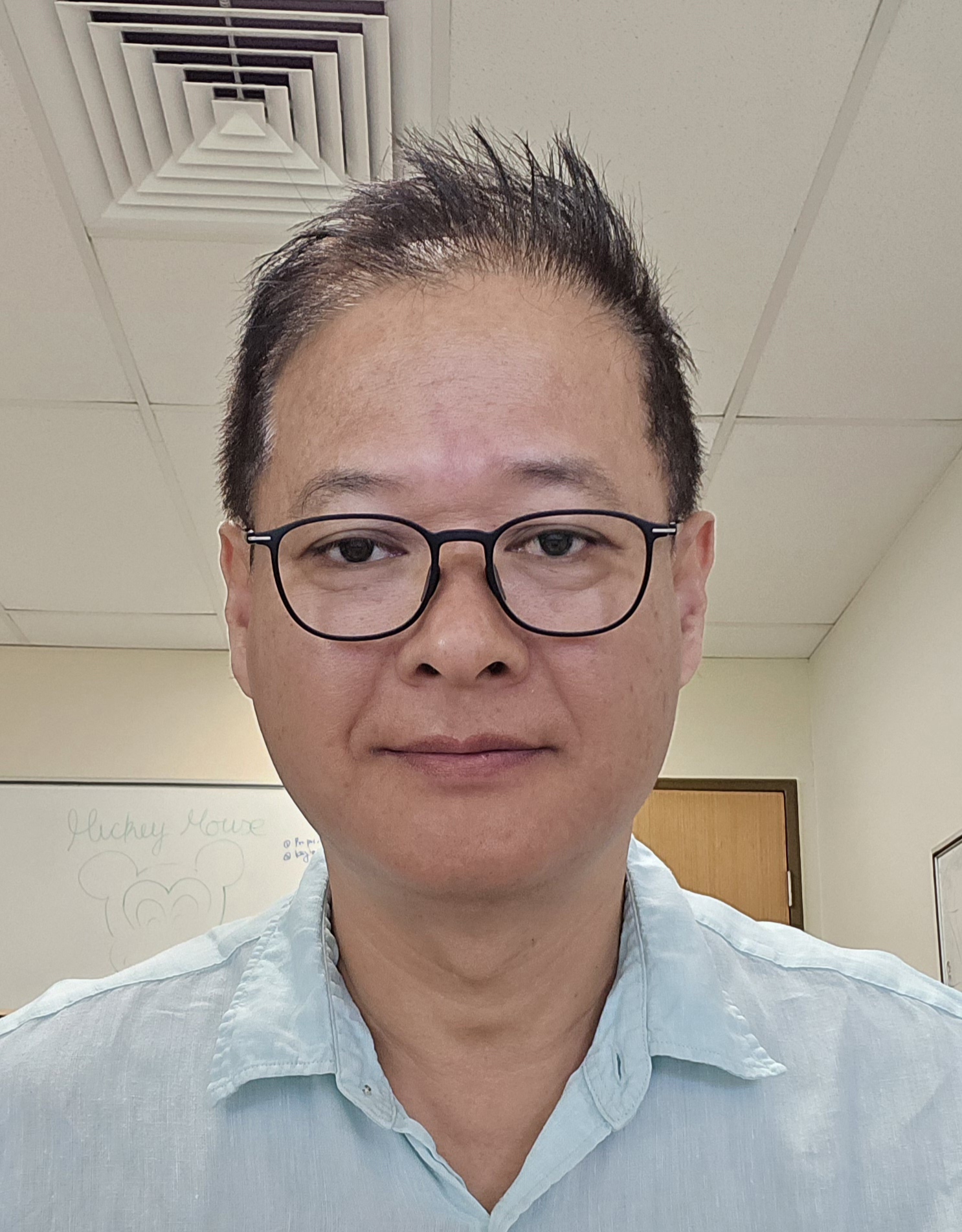
Ickjai Lee
- Professor - Promotional Chair
- ickjai.lee@jcu.edu.au
Kyungmi Joanne Lee
- Senior Lecturer
- joanne.lee@jcu.edu.au
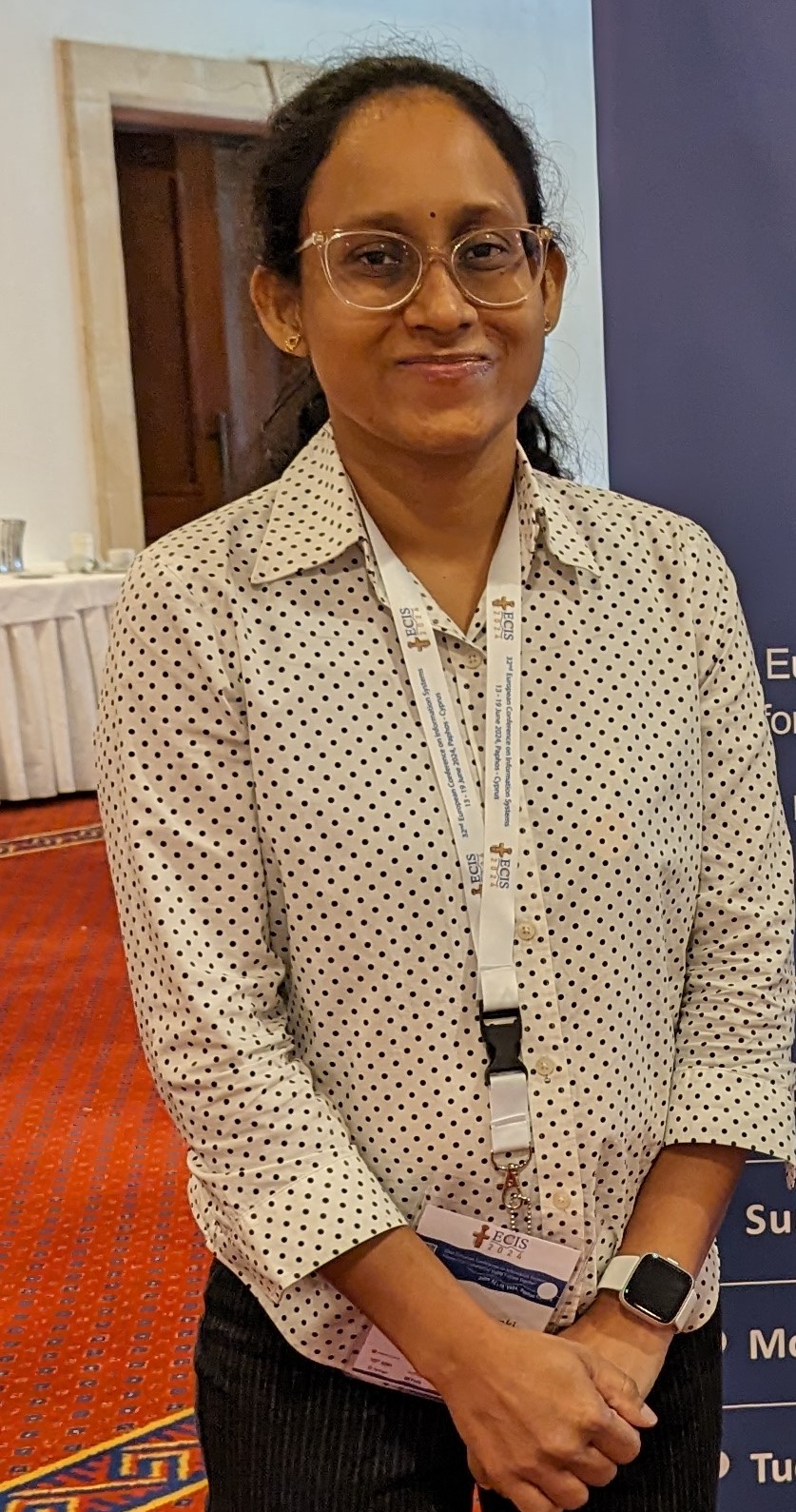
Kranthi Addanki
- Lecturer, Information Technology
- kranthi.addanki@jcu.edu.au

Lindsay Ward
- Senior Lecturer
- lindsay.ward@jcu.edu.au
Fusion of wearable and environmental sensors for remote monitoring of health and wellbeing in elderly populations
This project is funded by the Northern Australia Regional Digital Health Collaborative (NARDHC). This project aims to develop a smart home health monitoring prototype that improves upon existing technology by fusing information from multiple sensors. The proposed system will use non-invasive wearable sensors, non-contact mmWave technology, and artificial intelligence to monitor key vital signs, physical activity, stress, fatigue, and environmental conditions. The goal of this project is to prototype a comprehensive system for monitoring health and wellbeing in rural and remote Australia, with particular focus on elderly persons.
An Artificial Intelligence Enabled Automatic Detection of Estuarine Crocodiles in Queensland Waterways Using Digital Video
This is a collaborative project between James Cook University (JCU) and the Department of Environment, Science, and Innovation (DESI) to develop an artificial intelligence (AI) based software that leverages digital video for the detection of estuarine crocodiles (C. Porosus) in Queensland's waterways. Building on previous research and utilizing extensive footage from Hartley’s Crocodile Adventures, this project aims to create an AI-based pilot detection system operational in both day and night settings to enhance safety around high-risk waterways.
Near Real-Time Adaptive Human-Driven Demographic Intelligence Framework: Enhancing Customer Experience and Operational Efficiency through Behavioural Insights
The aim of this project is to enhance the value provided to customers by venue operators through the development and implementation of AI driven closed-feedback-loop venue behaviour engine that offers recommendations to customers and venue operators. Starting at TRL 3, we will leverage data provided by an existing pilot to gain detailed insights into customer behaviour and demographics. This will enable venue operators to tailor their services more effectively to meet customers' needs and preferences. The project will progress to TRL 6, culminating in improved customer satisfaction and increased operational efficiency for venue operators, and a better experience for customers, through validated, industry-ready solutions.
Beyond the bump: Leveraging social media to build positive perinatal mental health in regional, rural and remote North Queensland women
This project aims to codesign, develop, and evaluate a preventative intervention to address mental health among perinatal women in regional, rural, and remote (RRR) areas. Co-designed with RRR perinatal parents and mental health professionals, the intervention will deliver a established psychotherapeutic techniques that are effective for preventing perinatal depression and anxiety (psychoeducation and behavior change on health literacy, interpersonal therapy) at-scale, tailored to the unique needs of the RRR maternity and mental health system. The evaluation will assess the feasibility, reach, engagement, and acceptability of the intervention, enabling a future larger-scale efficacy and implementation trial.
An Artificial Intelligence Enabled Automatic Detection of Estuarine Crocodiles in Queensland Waterways Using Digital Video
This is a collaborative project between James Cook University (JCU) and the Department of Environment, Science, and Innovation (DESI) to develop an artificial intelligence (AI) based software that leverages digital video for the detection of estuarine crocodiles (C. Porosus) in Queensland's waterways. Building on previous research and utilizing extensive footage from Hartley’s Crocodile Adventures, this project aims to create an AI-based pilot detection system operational in both day and night settings to enhance safety around high-risk waterways.
Develop an autonomous AI vehicle damage assessment tool (Old ID 26683)
Development of a practical means and method for automated detection, identification and categorisation of vehicle panel damage using AI, deep learning and selected semantic segmentation networks. Semi-Supervised methods will be investigated to minimize the requirements on hand made training data (archived damaged vehicle images) and research will be conducted to determine the possibility to build a minimum viable product (MVP) directly onto the existing platform architecture.
Develop an autonomous AI vehicle damage assessment tool (Phase II) (Old ID 27223)
Improvement upon the project 1 developed method for automated detection, identification and categorisation of vehicle panel damage by developing a user interface and video vision. Semantic segmentation and deep learning networks will be further refined and developed for the next evolution/iteration of the software platform.
Imagine Cairns
- 2011
- Cairns Regional Council
- Researchers:Jason Holdsworth
Student behaviors and evaluations of collaborative learning game
- 2011
- Academic Publishing International
- Researchers:Jason Holdsworth
Exploration of massive crime data sets through data mining techniques
- 2011
- Taylor & Francis
- Researchers:Ickjai Lee
Alternative areal decompositions: an empirical study
- 2011
- Wiley-Blackwell
- Researchers:Ickjai Lee
Geospatial web data tessellation and visualization
- 2011
- Advanced Institute of Convergence IT
- Researchers:Ickjai Lee
Cluster polygonization and qualitative cluster reasoning: overview
- 2011
- Advanced Institute of Convergence IT
- Researchers:Kyungmi Joanne Lee
Start Date:
01 Jan 2023
Start Date:
01 Jan 2016
End Date:
01 Jan 2017
Start Date:
01 Jan 2016
End Date:
01 Jan 2018
Start Date:
01 Jan 2019
Start Date:
01 Jan 2019
Start Date:
01 Jan 2019
Start Date:
01 Jan 2018
Start Date:
01 Jan 2024
End Date:
01 Jan 2026
Start Date:
01 Jan 2022
End Date:
01 Jan 2024