
Information Technology

Umair Qureshi
- Senior Lecturer, Information Technology
- umair.qureshi@jcu.edu.au

Chao Chen
- Adjunct Senior Lecturer
- chao.chen@jcu.edu.au

Dmitry Konovalov
- Senior Lecturer
- dmitry.konovalov@jcu.edu.au

Trina Myers
- Adjunct Professor
- trina.myers@my.jcu.edu.au

Iti Chaturvedi
- Lecturer, Information Technology
- iti.chaturvedi@jcu.edu.au

Euijoon Ahn
- Senior Lecturer, Information Technology
- euijoon.ahn@jcu.edu.au
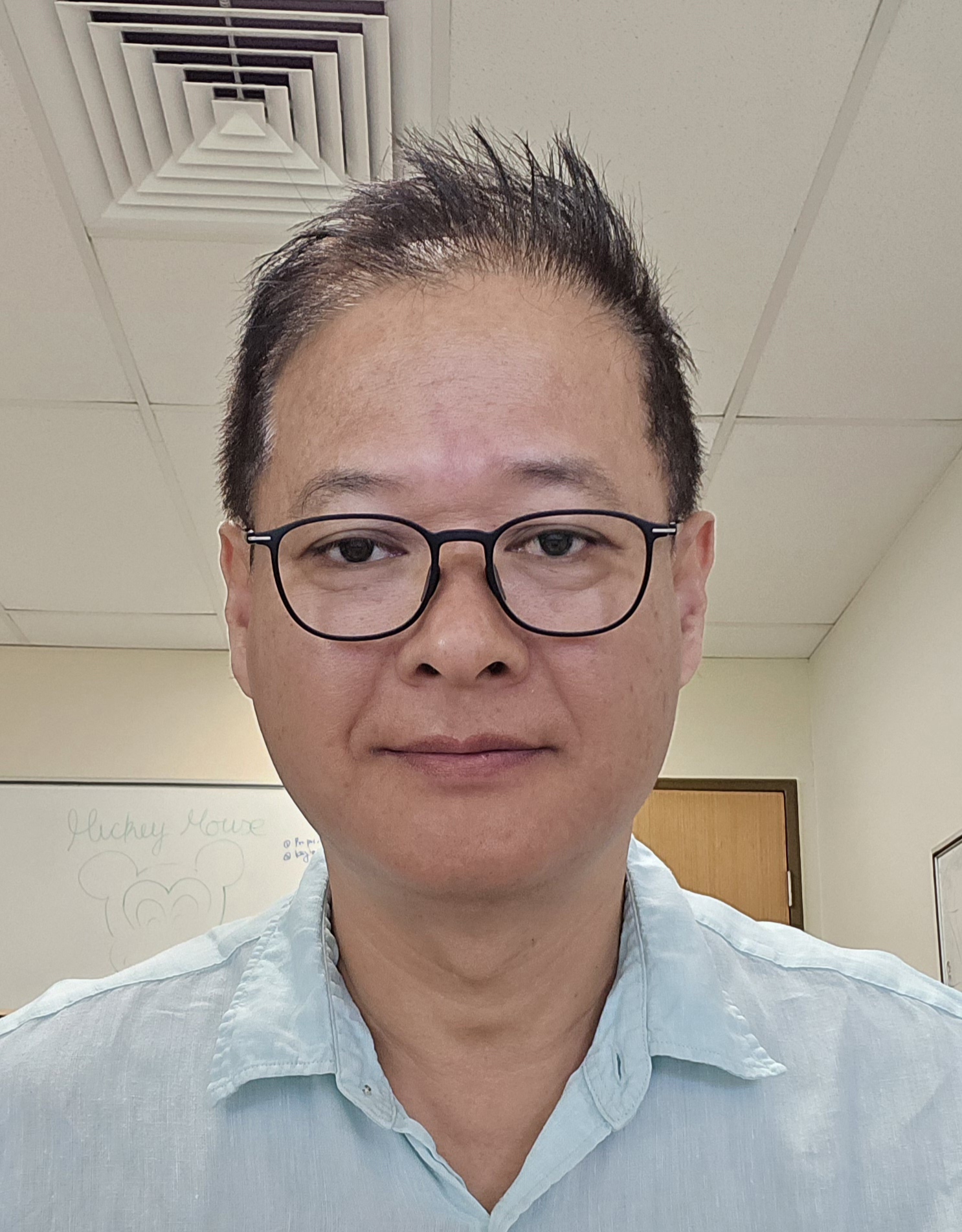
Ickjai Lee
- Professor - Promotional Chair
- ickjai.lee@jcu.edu.au

Kyungmi Joanne Lee
- Senior Lecturer
- joanne.lee@jcu.edu.au
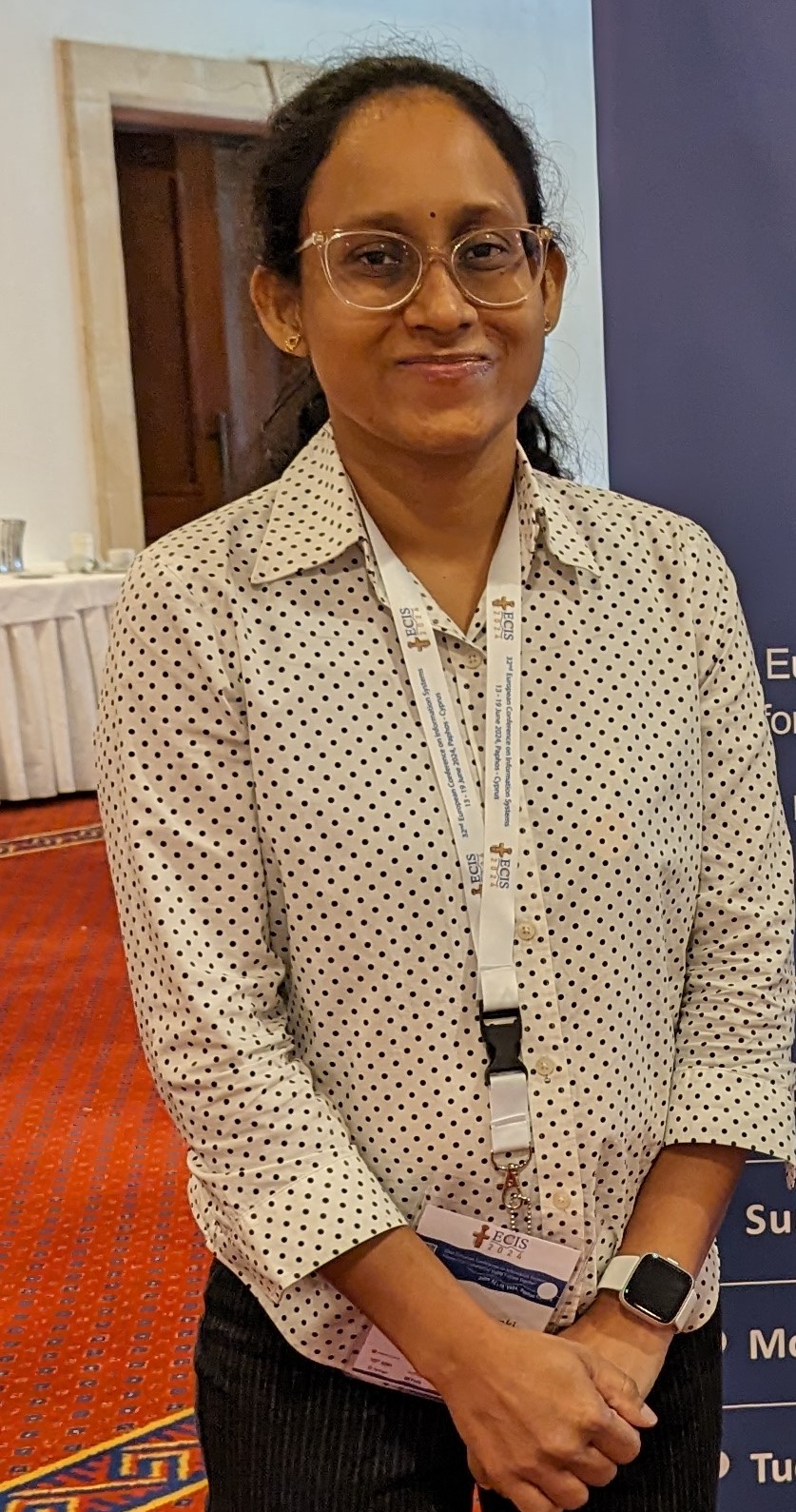
Kranthi Addanki
- Lecturer, Information Technology
- kranthi.addanki@jcu.edu.au

Lindsay Ward
- Senior Lecturer
- lindsay.ward@jcu.edu.au
Integrated reef fish monitoring - Nursery Seascapes (Old ID 27814)
A 2 year monitoring program to understand the abundance, diversity, and assemblage composition of Great Barrier Reef Fishes. Within this program, JCU Marine Data Tech will be working with project partners conducting bi-annual surveys of reef fishes in nursery seascapes in the central GBR. Data will be collected using stereo Remote Underwater Video Systems and processed using Artificial Intelligence computing.
Machine learning approach to restoration, prediction and quality control of oceanographic data from IMOS Moorings (Old ID 24926)
This project investigates a machine learning approach to increasing the value of oceanographic data. The full collection of IMOS Moorings data will be available for use in developing and training algorithms. Much of this data has already been flagged by heuristic quality control routines, and manually annotated by domain experts.
Developing a proof of concept AI for the identification and counting of feral pigs (Old ID 31081)
The aims of the project is use create a proof of concept Artificial Intelligence capable to count feral pigs entering traps and then when the majority of the pigs has entered the door closes, trapping the pigs.
JCU Spawning Potential app development (Old ID 27727)
The central biological measure of success for the “Community- Based Sustainable Development in Solomon Island and PNG Coastal Communities” projects are trends in the Spawning Potential Ratio (SPR) of key target species. This Project seeks to refine the Spawning Potential Survey (SPS) App (JCU FISH) to include spatial reporting tools that can be utilised by survey participants to monitor spatial and temporal trends in SPR. This project extends from an earlier “proof of concept” project funded by the WWF Ocean Practice where the potential for automatic identification and measurement of target species from a single image was realised.
From Coastal Communities to Cloud Communities – New Application and Artificial Intelligence to Monitor Fish Stocks Using Photos – Application Development (Old ID 26805)
The Project aims at develop an artificial intelligence capable to autonomously identify fish species and number from images collected at fish markets in remote location, so that effective catch rate can be evaluated and management policies can be developed.
From Coastal Communities to Cloud Communities – New Application and Artificial Intelligence to Monitor Fish Stocks Using Photos – Application Development (Old ID 26805)
The Project aims at develop an artificial intelligence capable to autonomously identify fish species and number from images collected at fish markets in remote location, so that effective catch rate can be evaluated and management policies can be developed.
Application of a machine learning approach for effective stock management of abalone (Old ID 26742)
Determining the number and size distribution of abalone present at various stages of production is critical information for effective stock management. Currently the Australian abalone aquaculture industry spends in the order of $25,000 per annum, per farm, gathering this information by hand. However, the resulting data is of mediocre quality, is limited in its scope, and collecting the data causes stress to the animals which can compromise growth and survival. Automated counting and measuring of abalone will increase farm efficiency and productivity in the short term and, in the longer term, will provide an advanced platform for further R&D improvements. Artificial intelligence and machine learning has now matured to a point that accurately counting and measuring abalone is possible using this approach. This project would involve the development, training and validation of a machine learning model to identify, segment and measure quantitative abalone traits in production systems, and render the product data to be accessible and applicable for farmers.
Application of a machine learning approach for effective stock management of abalone (Old ID 26742)
Determining the number and size distribution of abalone present at various stages of production is critical information for effective stock management. Currently the Australian abalone aquaculture industry spends in the order of $25,000 per annum, per farm, gathering this information by hand. However, the resulting data is of mediocre quality, is limited in its scope, and collecting the data causes stress to the animals which can compromise growth and survival. Automated counting and measuring of abalone will increase farm efficiency and productivity in the short term and, in the longer term, will provide an advanced platform for further R&D improvements. Artificial intelligence and machine learning has now matured to a point that accurately counting and measuring abalone is possible using this approach. This project would involve the development, training and validation of a machine learning model to identify, segment and measure quantitative abalone traits in production systems, and render the product data to be accessible and applicable for farmers.
CodeCraft: Augmented Learning for IT students
This project aims to enhance IT education using augmented reality (AR) technology
A mobile app and dashboard for effective management of early-stage chronic kidney disease
This project is funded by the Northern Australia Regional Digital Health Collaborative (NARDHC). The incidence and prevalence of chronic kidney disease (CKD) varies globally, and people in the lowest socioeconomic quartile have a 60% higher risk of progressive CKD. This project aims to develop a mobile app that detects vulnerable individuals who are at risk of deterioration in renal function and are needing intervention, while also allowing monitoring and appropriate education to those who are progressing steadily. The expected outcome is a novel mobiele analytic app that can improve the management of CKD patients in rural and remote areas for better health outcomes and planning.
Higher order Voronoi diagrams for disaster and emergency management
- 2007
- University of Melbourne
- Researchers:Ickjai LeeKyungmi Joanne Lee
Start Date:
01 Jan 2002
End Date:
01 Jan 2003
Start Date:
01 Jan 2007
End Date:
01 Jan 2008
Start Date:
01 Jan 2024
End Date:
01 Jan 2026
Start Date:
01 Jan 2020
End Date:
01 Jan 2021
Start Date:
01 Jan 2020
Start Date:
01 Jan 2025
Start Date:
01 Jan 2020
Title:
JCU Open day
Title:
JCU Inspiration on Tap
Start Date:
01 Jan 2023
Start Date:
01 Jan 2017