
Physical Sciences
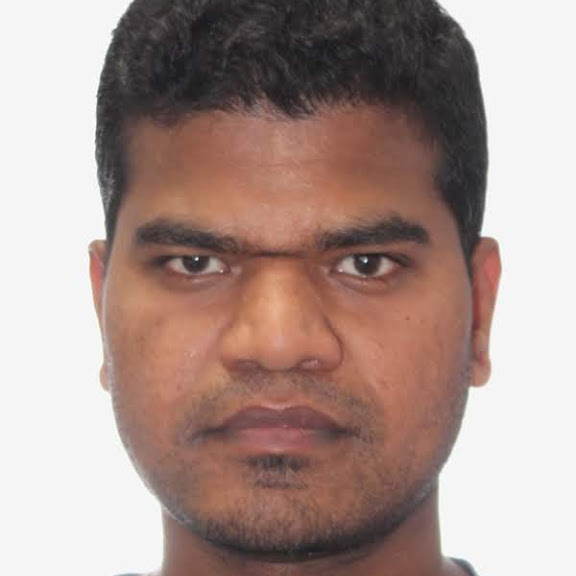
Manoharan Kumar
- Postdoctoral Research Fellow in Bioinformatics
- manoharan.kumar@jcu.edu.au

Kelly Trinh
- Adjunct Lecturer
- kelly.trinh@jcu.edu.au

Darcy Mullamphy
- Adjunct Senior Lecturer
- darcy.mullamphy@jcu.edu.au
Innovative Therapeutic Strategies Targeting Aberrant Gene Regulation in Aggressive Breast Cancer
Thaddeus Wu
01 Jul 2024 - 30 Jun 2025
This grant will allow the generation of important preliminary data for an NHMRC Ideas grant application that was a near miss (score: 5.5) in the last round. In the proposed project we determine the impact of inefficient gene regulation on breast cancer survival and therapy resistance. The results of our project will open new avenues for (breast) cancer therapies with gene regulation as a therapeutic target.
Pathogen Genomics North Queensland (Old ID 26564)
Matt Field
03 Jul 2019 - 03 Dec 2020
This project will develop pathogen genomics to improve time to best treatment of serious infectious diseases. We aim to incorporate pathogen genomics into the workflow of clinical microbiology units in regional Queensland Health Hospitals for investigation of potential or known infectious disease.
Establishing the North Queensland Liver Tumour Library: Improving HCC detection and treatment. (Old ID 27780)
Matt Field
13 Jul 2023 - 31 Dec 2026
The project will provide certain data on the usefulness of using liquid biopsy to diagnose HCC in Rural, regional and Remote patients, identify new liquid biopsy targets and test a new therapeutic approach to treat HCC.
Precision Hepatocellular Carcinoma Treatment Using Synthetic Lethality (Old ID 27904)
Matt Field
01 Mar 2023 - 30 Dec 2024
Hepatocellular carcinoma (HCC) is a major cause of cancer-related mortality. Current therapies for HCC show little efficacy due to extensive heterogeneity in the disease and a lack of corresponding patient-tailored treatment options. The purpose of this project is to validate various bioinformatic approaches to identifying personalised cancer driver genes and methods of targeting them through synthetic lethality. An integrated pipeline will be developed for the simple identification of therapeutics from sequencing of tissue biopsies. Finally, patient-derived organoids matched with patient-specific sequencing information will be used to validate this pipeline, building an important foundation for the future of personalised treatment.
Coral resilience and the optimal management of biodiversity (Old ID 23498)
Ira Cooke
15 Nov 2017 - 14 Nov 2020
One of the most pressing questions facing coral reef managers is "Will reef-building corals survive climate change?" To answer this, managers need to know how coral biodiversity responds to climatic disturbances; the potential for acclimation and adaptation; and the best ways to monitor, manage and restore biodiversity. This project will examine the resilience of coral biodiversity to disturbances and build on recently developed genomic resources to explore the genotypic traits that confer thermal tolerance. Working with government, regulatory sectors and an industry group, we aim to generate tangible outcomes and strategies to optimise the management of Australia’s coral biodiversity while engaging the public through museum-based outreach.
Improving outcomes for patients with muscle wasting disease and liver cancer - SERTA Capacity Research Grant. (Old ID 28986)
Matt Field
31 Oct 2023 - 31 Oct 2025
The funding of a Research Assistant and the performance of work by the Research Assistant in connection with a program of work undertaken by the Cancer and Metabolism Group within the College of Public Health, Medicine and Veterinary Science aimed at improving outcomes for patients with muscle wasting disease and liver cancer.
Using a two-way knowledge exchange to illuminate the population dynamics of the dugong in the Gulf of Carpentaria
Ira Cooke
01 Jul 2024 - 11 Nov 2027
Dugongs are marine mammals with immense ecological and cultural significance, occurring in 40 countries in the Indo-Pacific. They are gardeners of seagrass beds and a major component of Indigenous culture. Their reliance on shallow seagrass beds exposes them to anthropogenic threats, e.g. pollution and boat disturbance. Dugongs are in decline in most of their range and are classified as vulnerable to extinction, with the populations in Australia representing a stronghold with an estimated 165,000 animals. My PhD project will use next-generation sequencing methods to assess genetic diversity, connectivity and health of dugongs in Australia, with a special focus on the remote and little-studied dugong populations in Western Australia and the Northern Territory. Indigenous Traditional Owners in remote northern Australia, such as the Kimberley region, have recently listed the genetic health and connectivity of dugongs as a top priority in their wildlife management plans. Within the next year, I am planning to actively travel to remote locations to give in-person workshops on tissue sampling of dugongs, starting a collaboration with Indigenous communities and rangers. I will then return to the same communities with my results, fostering a two-way knowledge exchange that encourages effective dugong conservation management and collaboration between different sea countries in Australia. As my PhD projects rely heavily on the retrieval of high-quality DNA, this hands-on approach is necessary to ensure proper handling of samples. During the first year, I will focus on collecting as many dugong samples as possible to ensure that all populations are well-represented and we can determine fine-scale population structure in Australian dugongs. At the end of my PhD, I will be able to assess important conservation parameters such as level of inbreeding, population fragmentation and migration along the entire Australian coast.
ARC Research Hub for Supercharging Tropical Aquaculture Through Genetic Solutions (Old ID 27374)
Ira Cooke
09 Sep 2021 - 31 Dec 2025
This project aims to integrate cutting edge genetic and genomic approaches into innovative aquaculture enterprises that farm in tropical northern Australia. It will deliver the requisite genetic knowledge to instigate world-leading and highly productive breeding programs for five species (barramundi, pearl oyster, prawn, grouper and marine seaweed), along with a novel understanding of the genetic basis of disease resistance and how the production environment interfaces with the bacterial microbiome, pathogens and water quality to cause disease. It will increase Australia's capacity to deliver advanced genetics outcomes to the aquaculture sector, while increasing productivity, international competitiveness, and lowered risk due to disease.
Precision medicine for North Queensland Liver Cancer Patients. (Old ID 27477)
Matt Field
01 Jan 2022 - 28 Feb 2025
Hepatocellular carcinoma (HCC) is an aggressive and poorly treated liver cancer that is rapidly increasing in incidence in North Queensland. Most patients are ineligible to have their cancer surgically removed, and new systemic therapeutics only extend patient lives by six to eight months. Thus, new treatment approaches are urgently required. Through the collaboration of surgeons, scientists and bioinformaticians we are developing Precision Medicine for North Queensland Liver Cancer Patients. Using bioinformatics and three dimensional culture models we will trial novel therapeutic approaches. This research will rapidly lead to new therapeutic approaches to treat HCC.
Can experimental hookworm infection prevent metabolic disease/Type 2 diabetes? (Old ID 24710)
Matt Field
01 Jan 2018 - 01 Jun 2019
We will conduct a world-first clinical trial in Cairns testing the safety and efficacy of experimental hookworm infection in women at risk of getting Type 2 diabetes. For this application we will examine how worm infection alters the microbiome, a potental mechanism of how worms control metabolism.
Frequent mutation of histone-modifying genes in non-Hodgkin lymphoma
- 2011
- Nature Publishing Group
- Researchers:Matt Field
De novo assembly and analysis of RNA-seq data
- 2010
- Nature Publishing Group
- Researchers:Matt Field
Start Date:
01 Jan 2023
End Date:
01 Jan 2024
Title:
PhD Thesis Examination x 5
Start Date:
01 Jan 2021
End Date:
01 Jan 2024
Start Date:
01 Jan 2022
End Date:
01 Jan 2024
Start Date:
01 Jan 2020
End Date:
01 Jan 2023
Start Date:
01 Jan 2016
End Date:
01 Jan 2016
Start Date:
01 Jan 2013
End Date:
01 Jan 2020
Start Date:
01 Jan 2012
End Date:
01 Jan 2016
Title:
EMBL Australia PhD course
Start Date:
01 Jan 2014
End Date:
01 Jan 2016
Start Date:
01 Jan 2018
End Date:
01 Jan 2025
Start Date:
01 Jan 2022