
Physical Sciences

Kaveh Shahbaz
- Associate Professor Chemical Engineering
- kaveh.shahbaz@jcu.edu.au

Sourav Das
- Adjunct Senior Lecturer
- sourav.das@jcu.edu.au

Gunther Paul
- Adjunct Associate Professor
- gunther.paul@jcu.edu.au

Thaddeus Wu
- Research Fellow
- thaddeus.wu@jcu.edu.au
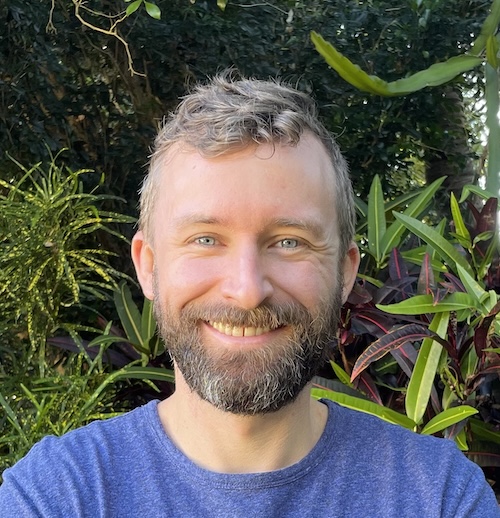
Andrew Calcino
- Lecturer, Bioinformatics
- andrew.calcino@jcu.edu.au
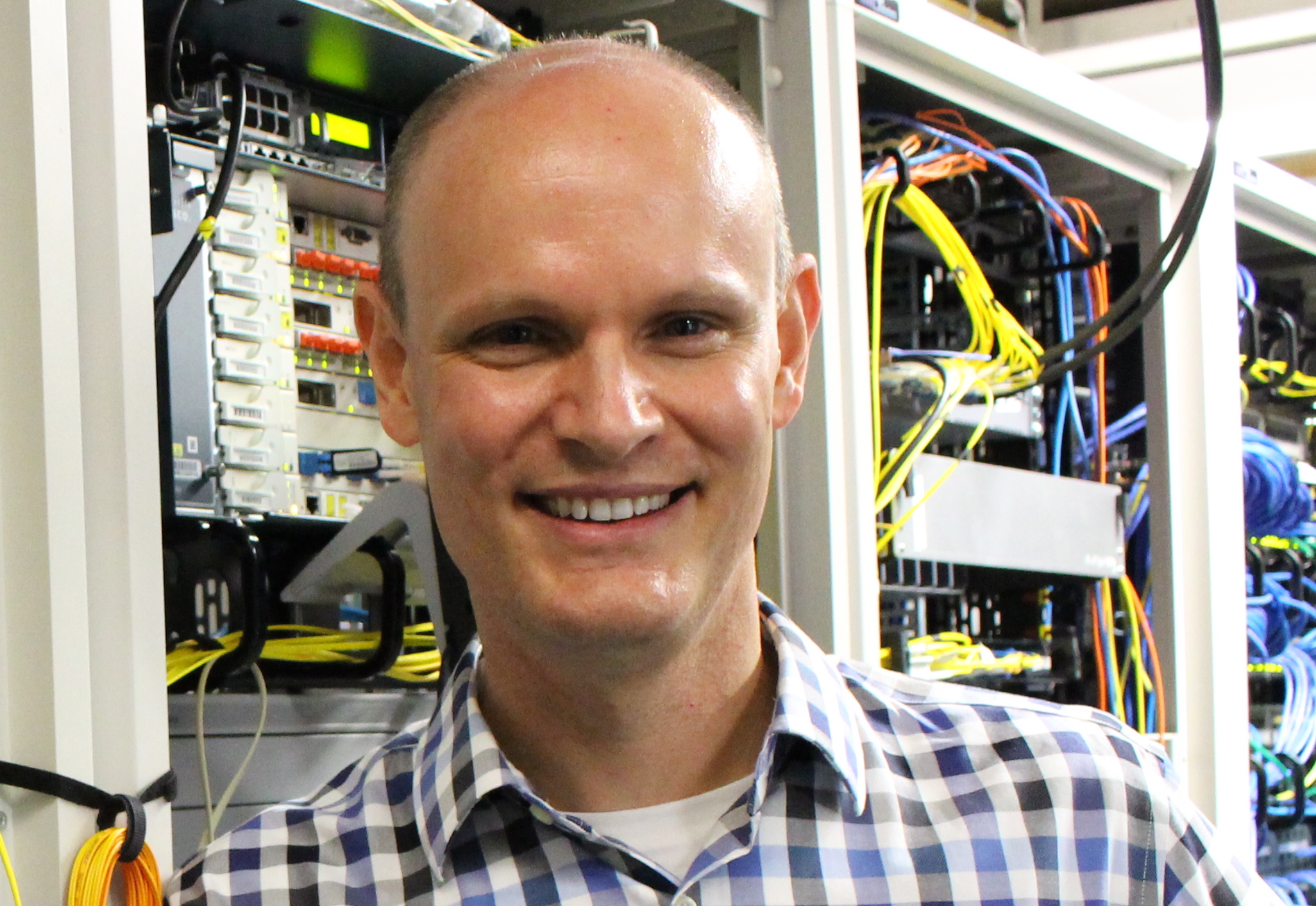
Matt Field
- Professor, Promotional Chair
- matt.field@jcu.edu.au
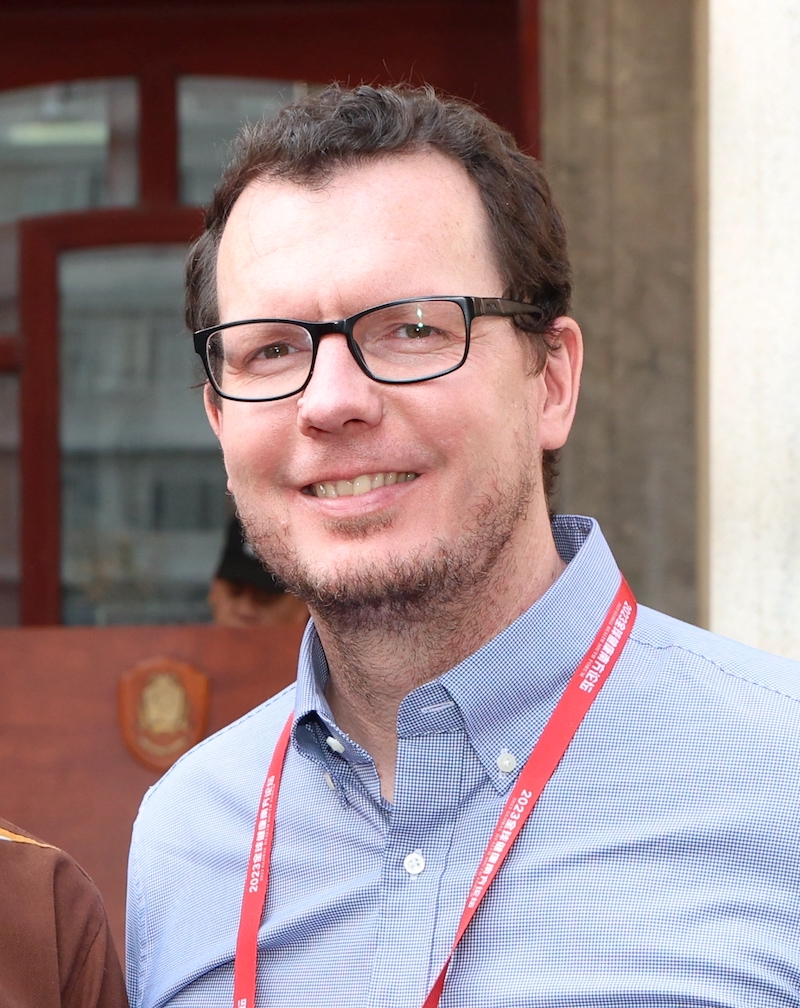
Ulf Schmitz
- Associate Professor, Bioinformatics
- ulf.schmitz@jcu.edu.au
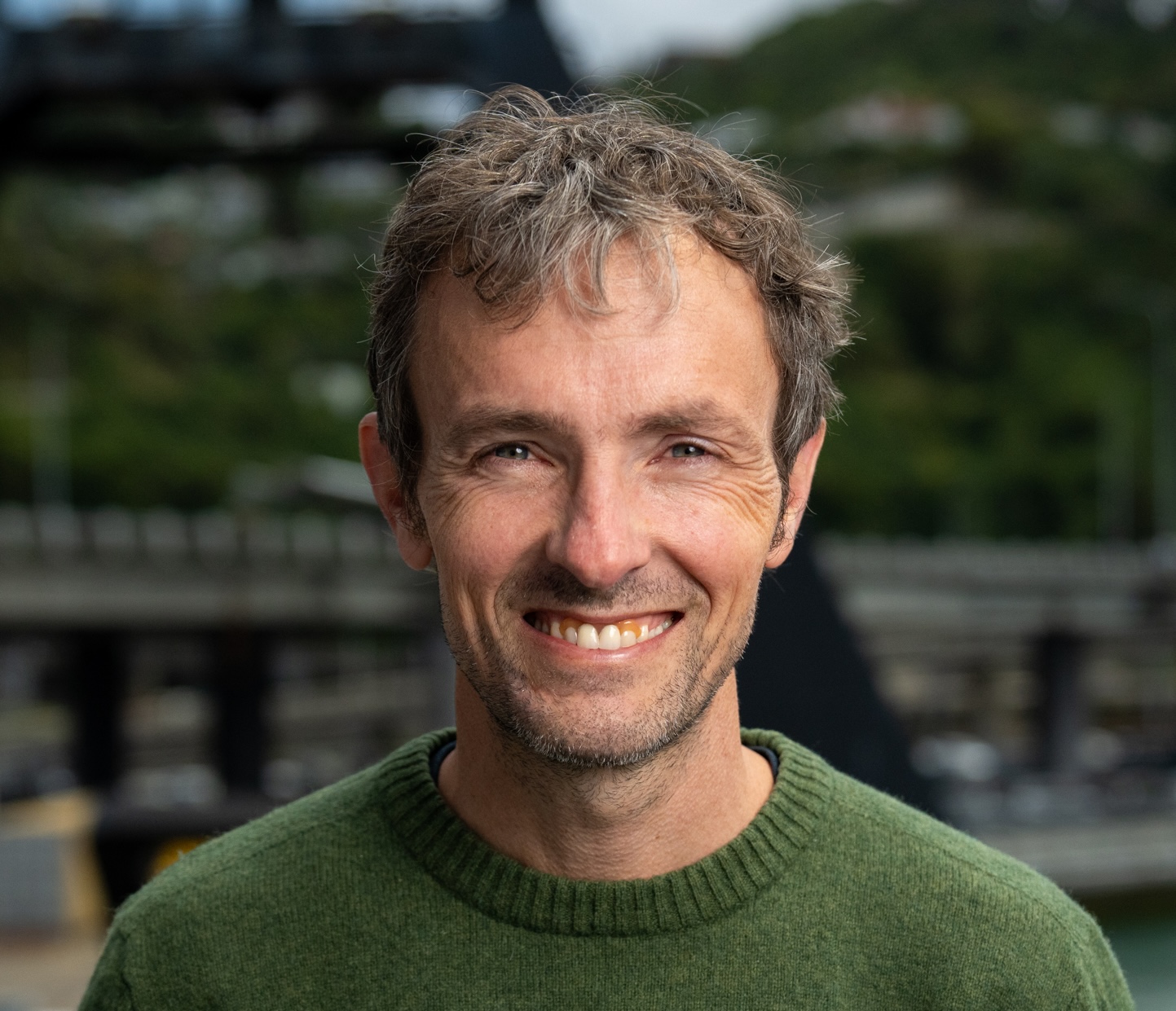
Ira Cooke
- Associate Professor, Bioinformatics
- ira.cooke@jcu.edu.au

Robert Streit
- Adjunct Research Fellow
- robert.streit1@jcu.edu.au

Jon Day
- Adjunct Principal Research Fellow
- jon.day1@jcu.edu.au
Can experimental hookworm infection prevent metabolic disease/Type 2 diabetes? (Old ID 24710)
We will conduct a world-first clinical trial in Cairns testing the safety and efficacy of experimental hookworm infection in women at risk of getting Type 2 diabetes. For this application we will examine how worm infection alters the microbiome, a potental mechanism of how worms control metabolism.
Genomic tools for monitoring yellow crazy ants. (Old ID 29026)
This project will establish protocols and baseline data for ddRAD-seq based sequencing of yellow crazy ants. In this phase of the project, we will sequence 200 individuals from historical infestations and develop tools to assess genetic relatedness among infestations. Baseline data established in this project will be used to help trace the origin of future infestations as well as improve our understanding of genetic diversity and gene flow in yellow crazy ants in Queensland.
Defining the values of the of the ecological systems that influence the GBR and lie outside the marine park and world heritage area boundaries (Old ID 23140)
The Great Barrier Reef World Heritage Area globally recognised for its outstanding universal value, is an integrated and highly connected part of a larger northeast Australia marine bioregion, which includes Torres Strait, the Coral Sea and the Great Sandy Marine Park (Hervey Bay). Understanding the values (ecological, cultural, social and economic) of these adjacent systems, and especially the connections and inter-dependencies between systems, is crucial to effective and efficient protection and management of the globally important natural and cultural values within each system. This project will identify and assess the values of these adjacent systems, and characterise the processes and attributes that influence the values and their connectivity at a regional scale, delivering a resource that can inform cross-jurisdictional planning and management.
Sea cucumber bioinformatic services to Tasmanian Seafoods Pty Ltd.
The sandfish, (Holothuria scabra) is a highly prized seafood, otherwise known as sea cucumber, trepang or Bech-de-mer. Sea cucumbers have traditionally been harvested across northern Australia by Macassan fishermen since the 1700s and the fishery was likely an important source of trade for Aboriginal groups across the north. Today, Tasmanian Seafoods Pty Ltd is the largest producer of sea cucumber products in Australia and is investing in ways
to sustainably increase production. One such strategy involves release of cultured juveniles into the wild. This project will use population genetics to assess the effectiveness of this approach. In addition, Tasmanian Seafoods Pty Ltd in conjunction with DPIRD WA isinterested to investigate stock structure of Holothuria scabra. This is required in order to obtain Marine Stewardship Council certification of the fishery.
Climate Vulnerability Index Vega
Climate change poses an existential threat to global heritage. With rising sea-levels, more extreme weather events and aridification, the extensive impacts of climate are evident at heritage sites globally and the pace of this change is startling. In most parts of the world the rate of loss is exceeding adaptive capacity and this deficit is only getting worse. Decisions on conservation and preservation begin with a detailed understanding of a place's vulnerability. The choices made will directly impact that ability to effectively integrate the goals of safeguarding heritage, adapting and mitigating climate change, and driving sustainable development. This project will apply the Climate Vulnerability Index process to assess the vulnerability of the Vegaoyen – The Vega Archipelago World Heritage property and its associated communities. There is an urgent need to assess climate vulnerability using community-based methodologies to inform actions taken by decision makers.
Portable genome sequencing as a point-of-care diagnostic test in remote tropical Australia. (Old ID 26407)
Respiratory disease, fevers, and sepsis are common in tropical northern Australia, and treatment often requires admission to hospital. We will trial new portable genome sequencing technology as a point-of-care diagnostic test for fever, sepsis, and pneumonia at Thursday Island Hospital in Far North Queensland. We will test the hypothesis that this new approach will increase the proportion of infections that are diagnosed and reduce the time it takes to achieve a diagnosis. Throughout the course of this project, clinical staff and health workers will have the opportunity to be trained in specimen preparation, genome sequencing, and data interpretation.
Artificial intelligence-guided detection of tumour peptides for immunotherapy against therap y-resistant cutaneous squamous cell carcinoma (CSCC)
North Queensland has the highest incidence of CSCC worldwide, which has a huge impact on the local population. With a high tumour mutational burden, CSCC is responsive to immunotherapy, however therapy-resistant CSCC presents a significant challenge. This project aims to detect and select tumour-specific peptides for immunotherapy in patients with therapy-resistant CSCC. The focus on tumour-specific peptides aims to ensure that these peptides are unique to tumour cells, thereby minimising the risk of triggering autoimmunity in treated patients. This innovative approach seeks to enhance the precision and safety of immunotherapies by targeting tumour-specific antigens.
CVI Gondwana
Climate change poses an existential threat to global heritage. With rising sea-levels, more extreme weather events and aridification, the extensive impacts of climate are evident at heritage sites globally and the pace of this change is startling. In most parts of the world the rate of loss is exceeding adaptive capacity and this deficit is only getting worse. This includes in Queensland, for which climate change is becoming more and more of an issue, requiring more knowledge and skills to help address the management options. Decisions on conservation and preservation begin with a detailed understanding of a place's vulnerability. The choices made will directly impact that ability to effectively integrate the goals of safeguarding heritage, adapting and mitigating climate change, and driving sustainable activities. This project will apply the Climate Vulnerability Index process to assess the vulnerability of the Queensland component of the Gondwana Rainforests World Heritage property.
CVI Roros
Climate change poses an existential threat to global heritage. With rising sea-levels, more extreme weather events and aridification, the extensive impacts of climate are evident at heritage sites globally and the pace of this change is startling. In most parts of the world the rate of loss is exceeding adaptive capacity and this deficit is only getting worse. This includes in Europe, for which climate change is becoming more and more of an issue, requiring more knowledge and skills to help address the management options. Decisions on conservation and preservation begin with a detailed understanding of a place's vulnerability. The choices made will directly impact that ability to effectively integrate the goals of safeguarding heritage, adapting and mitigating climate change, and driving sustainable activities. This project will apply the Climate Vulnerability Index process to assess the vulnerability of the Roros Mining Town and the Circumference World Heritage property.
CVI Curonian Spit
Climate change poses an existential threat to global heritage. With rising sea-levels, more extreme weather events and aridification, the extensive impacts of climate are evident at heritage sites globally and the pace of this change is startling. In most parts of the world the rate of loss is exceeding adaptive capacity and this deficit is only getting worse. This includes in Europe, for which climate change is becoming more and more of an issue, requiring more knowledge and skills to help address the management options. Decisions on conservation and preservation begin with a detailed understanding of a place's vulnerability. The choices made will directly impact that ability to effectively integrate the goals of safeguarding heritage, adapting and mitigating climate change, and driving sustainable activities. This project will apply the Climate Vulnerability Index process to assess the vulnerability of the Lithuanian component of the Curonian Spit World Heritage property.
Frequent mutation of histone-modifying genes in non-Hodgkin lymphoma
- 2011
- Nature Publishing Group
- Researchers:Matt Field
De novo assembly and analysis of RNA-seq data
- 2010
- Nature Publishing Group
- Researchers:Matt Field
Start Date:
01 Jan 2023
End Date:
01 Jan 2024
Title:
PhD Thesis Examination x 5
Start Date:
01 Jan 2021
End Date:
01 Jan 2024
Start Date:
01 Jan 2022
End Date:
01 Jan 2024
Start Date:
01 Jan 2020
End Date:
01 Jan 2023
Start Date:
01 Jan 2016
End Date:
01 Jan 2016
Start Date:
01 Jan 2013
End Date:
01 Jan 2020
Start Date:
01 Jan 2012
End Date:
01 Jan 2016
Title:
EMBL Australia PhD course
Start Date:
01 Jan 2014
End Date:
01 Jan 2016
Start Date:
01 Jan 2018
End Date:
01 Jan 2025
Start Date:
01 Jan 2022