
Marine Biology & Aquaculture
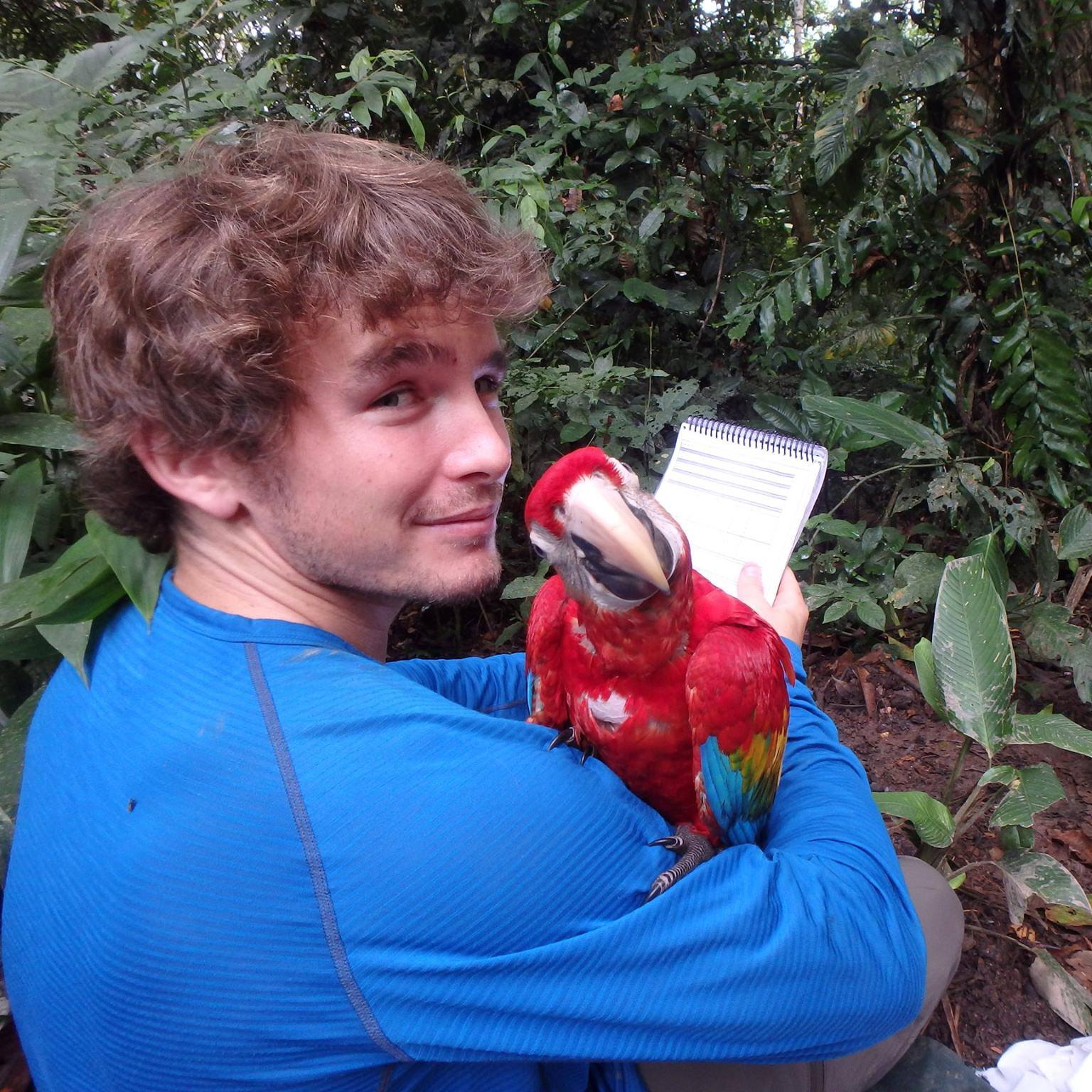
Tom Lloyd
- Postdoctoral Research Fellow, Global Ecosystems
- tom.lloyd@jcu.edu.au
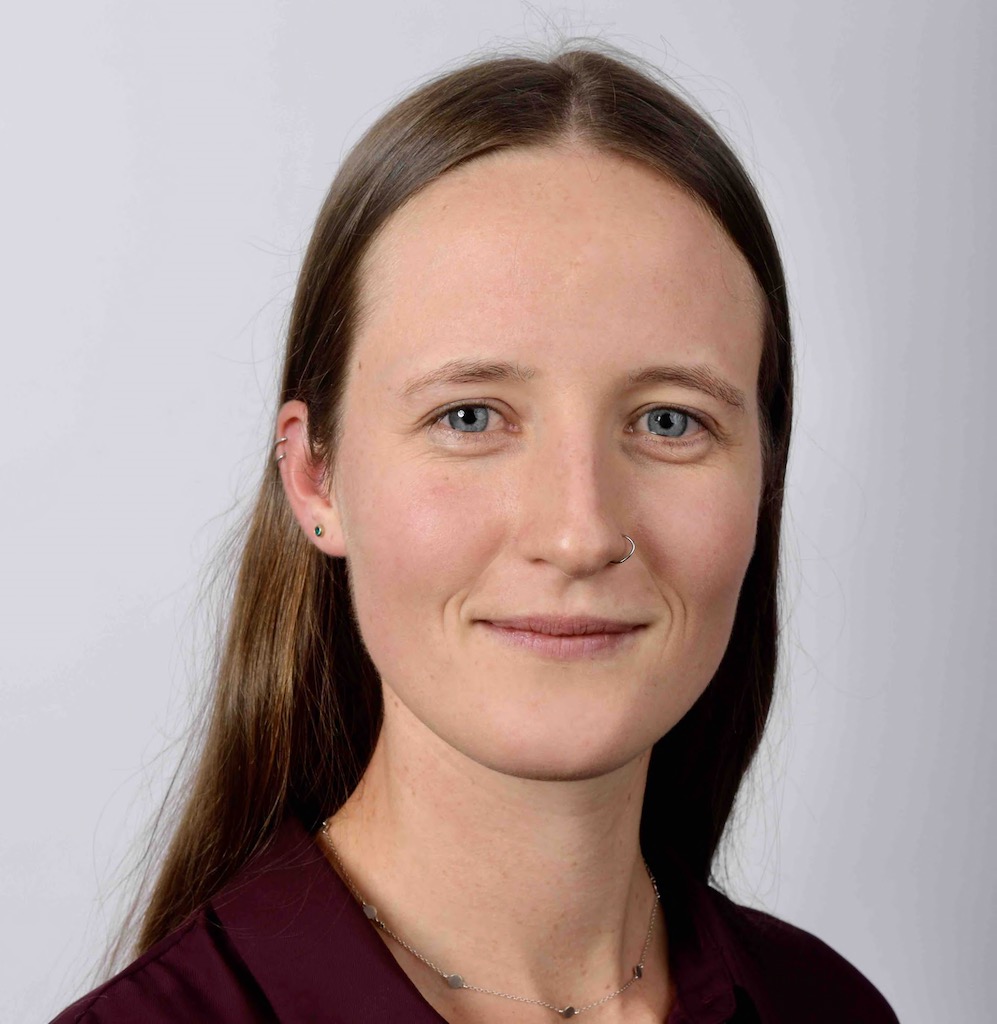
Alys Young
- Postdoctoral Research Fellow, Global Ecosystems
- alys.young@jcu.edu.au
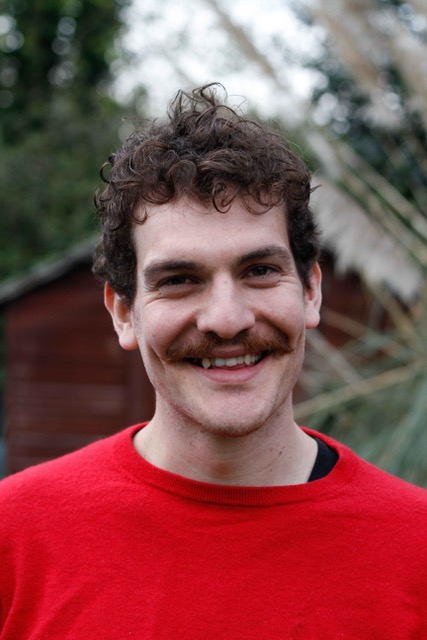
William Arlidge
- Postdoctoral Research Fellow in Community-Based Fisheries Co-Management
- william.arlidge@jcu.edu.au
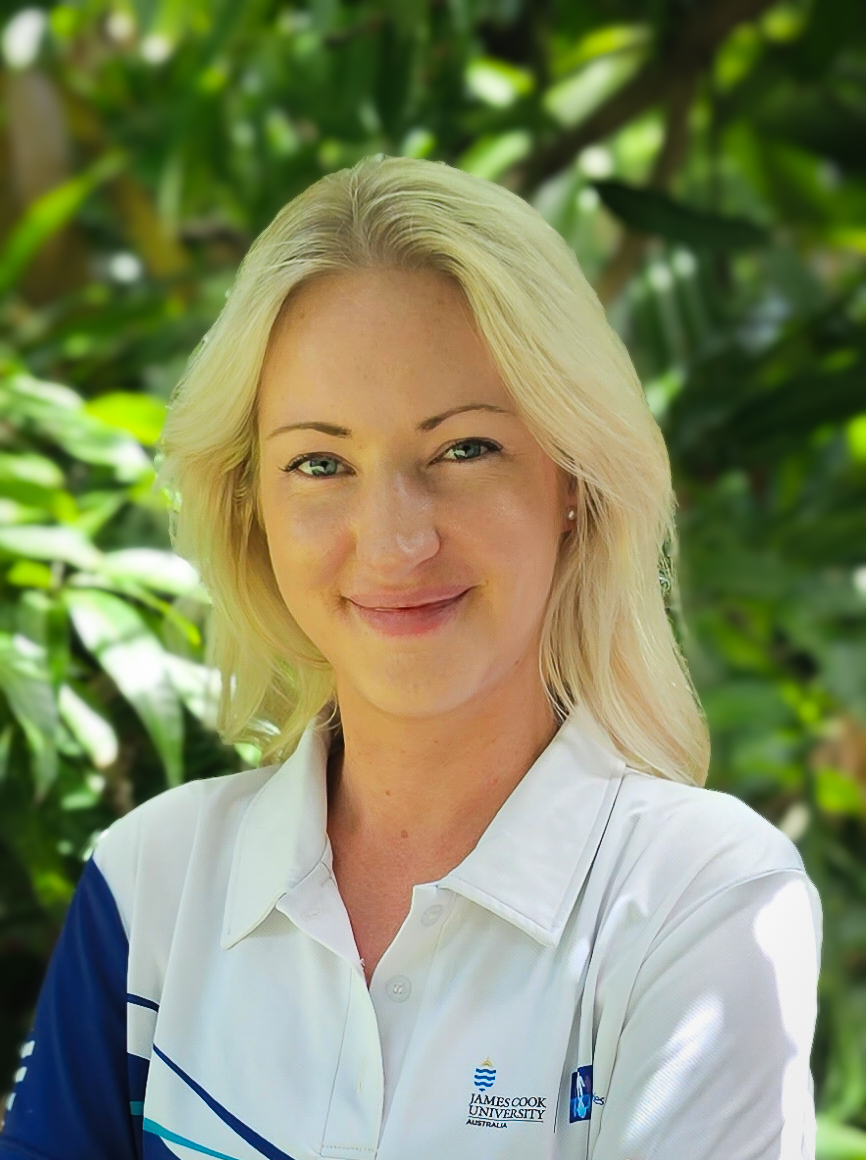
Anna Wilson
- Senior Research Worker
- anna.wilson@jcu.edu.au
Kelly Condon
- Senior Lecturer, Aquaculture (Aquatic Animal Health)
- kelly.condon@jcu.edu.au

Graeme Cumming
- Adjunct Professor
- graeme.cumming@jcu.edu.au

Takahiro Shimada
- Adjunct Senior Research Fellow
- takahiro.shimada@jcu.edu.au
Peter Doll
- Research Fellow, Coral Reef Health Assessments
- peter.doll@jcu.edu.au
Michela Mitchell
- Casual Research Assistant
- michela.mitchell@jcu.edu.au
Jan Strugnell
- Professor, Promotional Chair
- jan.strugnell@jcu.edu.au
ATSIMS Engaging Science Grant
The Engaging Science Grant supported the delivery of ATSIMS, providing First Nations secondary students with immersive, hands-on experiences in marine science while strengthening connections with Traditional Owners, Rangers, researchers and industry. The funding enabled students to build STEM skills, explore career pathways, and deepen their understanding of Sea Country through place-based learning.
ATSIMS U.S. Embassy Grant
In 2024, ATSIMS received funding through the U.S. Embassy Public Diplomacy Small Grants Program to strengthen Australia–U.S. collaboration in STEM education. The grant supported the participation of U.S. marine scientists and provided First Nations students with opportunities to engage with international researchers, broadening their perspectives on marine science careers and global scientific collaboration.
ATSIMS GBRF Grant
The Great Barrier Reef Foundation provided $100,000 over two years (2023–2024) to support the delivery and expansion of the ATSIMS program. The funding strengthened opportunities for First Nations students to engage with marine science, Sea Country and Traditional Owner-led learning, while enhancing program capacity, partnerships and student participation.
ATSIMS Value Add Grant - GBRF
The Great Barrier Reef Foundation provided a 2025 Value Add Grant to enhance and extend the impact of the ATSIMS program beyond its core delivery. The funding supported additional opportunities including program coordination, storytelling and communications, Traditional Owner and Ranger participation, student engagement activities, and program evaluation, strengthening the program's reach, partnerships and long-term impact.
Beyond ATSIMS incubation Grant
The WWF Australia and Vincent Fairfax Family Foundation grant supported the Beyond ATSIMS program, providing ongoing opportunities for outstanding ATSIMS alumni to continue their engagement in marine science beyond the initial program. Funding enabled mentoring, skills development, career exploration, leadership opportunities and pathways into higher education, helping students build confidence, networks and long-term participation in STEM.
ATSIMS Reef Education MoU
A three-year Memorandum of Understanding between James Cook University (ATSIMS) and the Great Barrier Reef Marine Park Authority's Reef Education Team provided $150,000 in funding ($50,000 per year) to support the ongoing delivery of ATSIMS. The partnership strengthened reef education, place-based learning and career pathways by connecting First Nations students with marine science, Sea Country and Great Barrier Reef stewardship.
The Coral Sea Frontier - NMF RV Investigator deep-sea biodiversity assessment of the Coral Sea Marine Park
Deep-sea biodiversity assessment of the Coral Sea Marine Park. RV Investigator will undertake a 36-day research voyage to the Coral Sea to investigate benthic (on or near the seafloor) marine life in the southern and eastern areas of the Coral Sea Marine Park. The Coral Sea Marine Park is the largest marine park in Australian waters, covering 989,836 km2 and reaching depths of 6000 metres. The marine park is managed by Parks Australia and protects 34 vast reef areas, and 67 cays and islets. Researchers will focus their surveys on two of the three key ecological features of the marine park: the reefs of the Marion Plateau and the Tasmantid Seamount Chain. This will be the first modern deep-water investigation of marine life found on the extinct volcanic peaks of the northern Tasmantid Seamount Chain, which rise over 3000 m from the seafloor, and the offshore Kenn Plateau. This research will be critical for understanding of regional biodiversity and natural values of the Coral Sea, helping to inform management of the marine park by Parks Australia. The voyage has a strong focus on education, outreach and engagement with public audiences, and support for these activities is being provided by Bush Blitz and The Nippon Foundation-Nekton Ocean Census. https://www.csiro.au/en/about/facilities-collections/mnf/voyages-schedules/voyages/2025/october/in2025_v06
Fish tissue proteomics as baseline evaluation for safer cultivated seafood with known allergen profile
Cultivated seafood is far less researched than traditional livestock alternatives. We will address this critical knowledge gap through high throughput proteomic analysis of various tissues from different fish species, used for cultivation, with a focus on comparative composition of allergenic proteins (allergens), and directly compare with cultivated meat. Closing this lack of industry-wide target product, protein, and allergen profiles is essential for success in the alternative protein field and will promote regulation of safe cultivated foods.
Lead Scientist - Group on Earth Observations Global Ecosystem Atlas
The Group on Earth Observations (GEO) is a global partnership that promotes the use of Earth observations (EO) as evidence for environmental decisions, policies and finance. GEO’s recently adopted Post-2025 Strategy envisions a bold direction for the future. It calls for transformative programs that will enable GEO to deliver a portfolio of initiatives, providing Earth intelligence needed to unlock transformational change in the way that societies interact with the planet. As part of this vision, the Global Ecosystems Atlas initiative has been established as an international collaboration convened by GEO to create an urgently needed common reference to facilitate harmonized and coherent national, regional, and global reporting of the state of ecosystems. To move the concept closer to its realization as a full proof-of-concept by the Convention of Biodiversity (CBD) Conference of the Parties (COP) in October 2024, GEO is planning to contract Associate Professor Nicholas Murray to perform the role of Lead Scientist. The Lead Scientist will lead the design, planning and execution of atlas activities in 2024 and coordinate the globally distributed Science Core Team.
Genetic diversity audit of farm held stock of greenlip and blacklip abalone (Old ID 23387)
Conduct a genetic audit of farm held stocks of greenlip and blacklip abalone to identify current levels of genetic diversity, effective population sizes, and levels of coancestry/relatedness captured within individual farms and the wider industry.
Recruitment and the local dynamics of open marine populations
- 1996
- Annual Reviews
- Researchers:Terry Hughes
The role of history in community dynamics: a modelling approach
- 1996
- Ecological Society of America
- Researchers:Terry Hughes
Shellfish allergy diagnosis: gaps and needs
- 2012
- Allergy Society of South Africa
- Researchers:Ludwig Lopata
Start Date:
10 Nov 2024
Start Date:
31 Mar 2025
Start Date:
01 Jan 2024
Start Date:
01 Jan 2024
End Date:
01 Jan 2027
Start Date:
01 Jan 2004
End Date:
01 Jan 2006
Start Date:
01 Jan 2007
End Date:
01 Jan 2007
Title:
PhD, James Cook University
Start Date:
01 Jan 2002
End Date:
01 Jan 2005
Start Date:
01 Jan 1996
End Date:
01 Jan 1999