
Marine Biology & Aquaculture
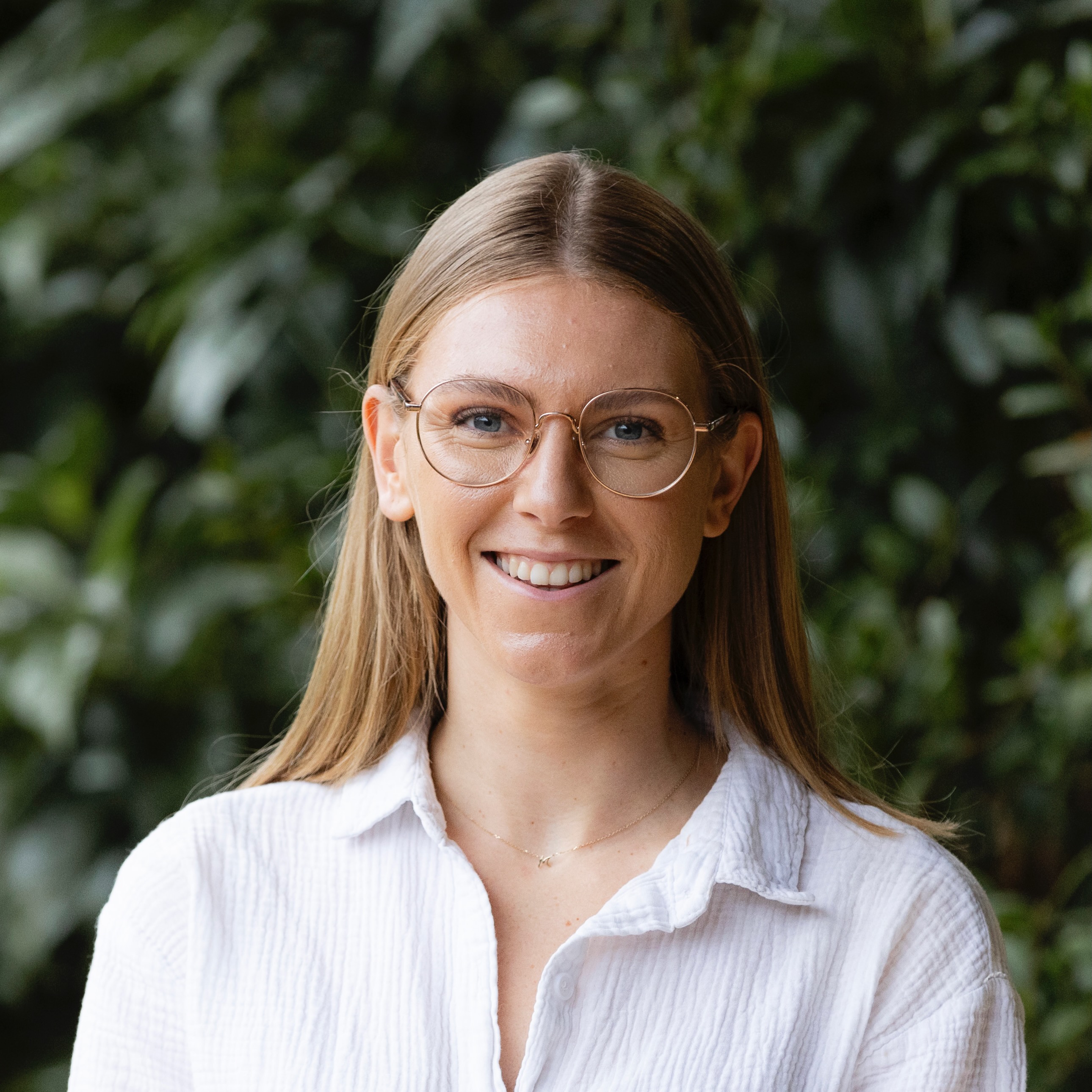
Mikaeylah Davidson
- Postdoctoral Research Fellow
- mikaeylah.davidson@jcu.edu.au
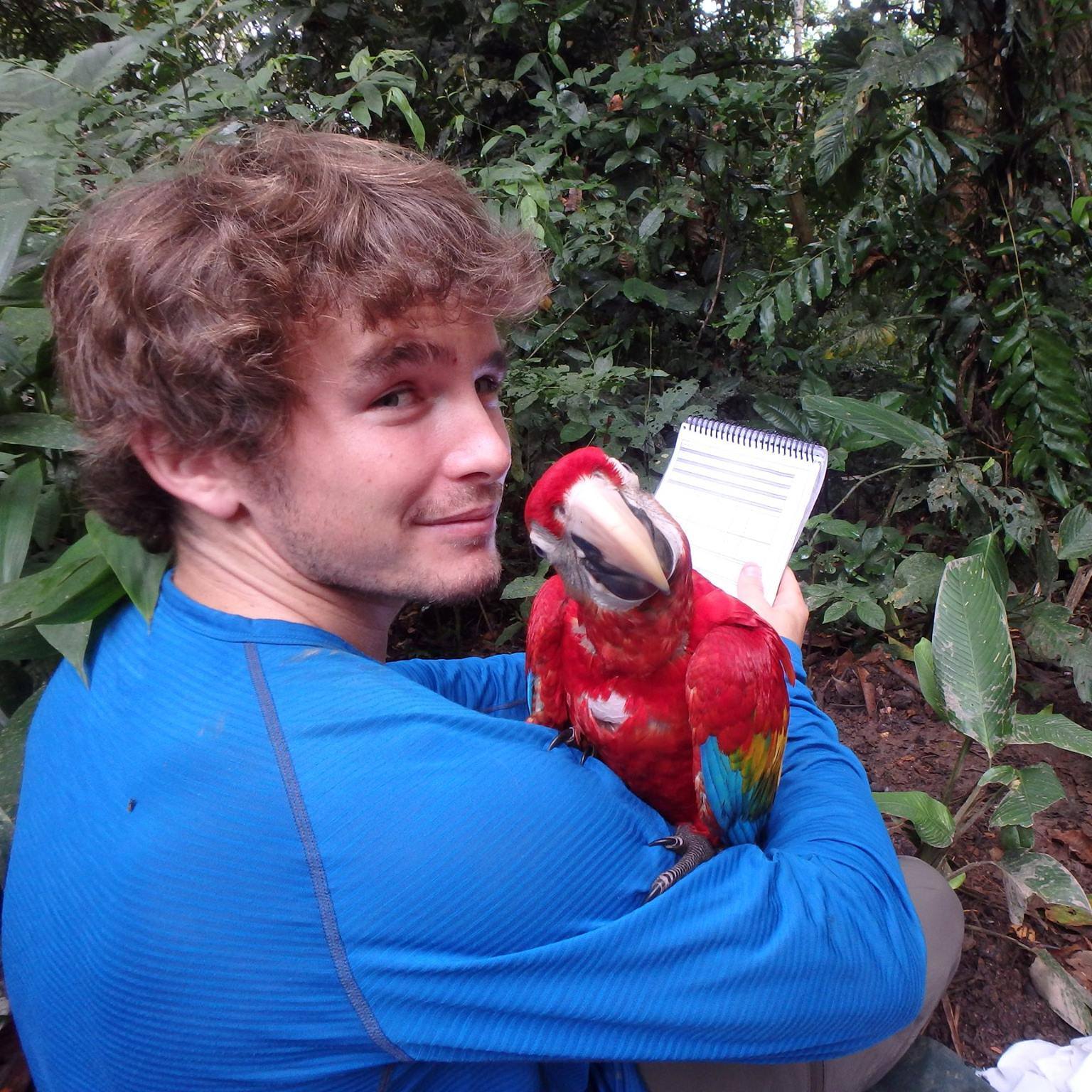
Tom Lloyd
- Postdoctoral Research Fellow, Global Ecosystems
- tom.lloyd@jcu.edu.au

Alys Young
- Postdoctoral Research Fellow, Global Ecosystems
- alys.young@jcu.edu.au
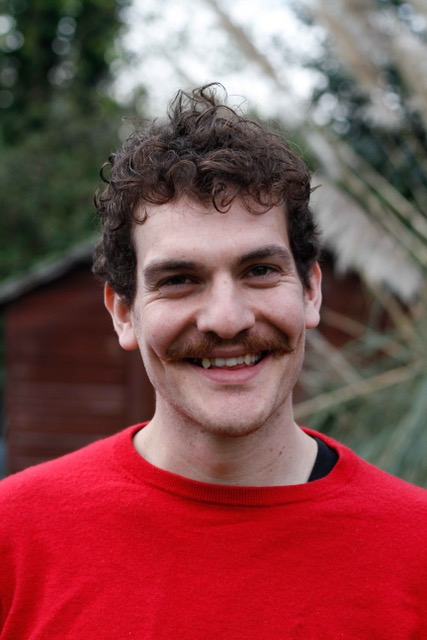
William Arlidge
- Postdoctoral Research Fellow in Community-Based Fisheries Co-Management
- william.arlidge@jcu.edu.au

Anna Wilson
- Project Coordinator
- anna.wilson@jcu.edu.au
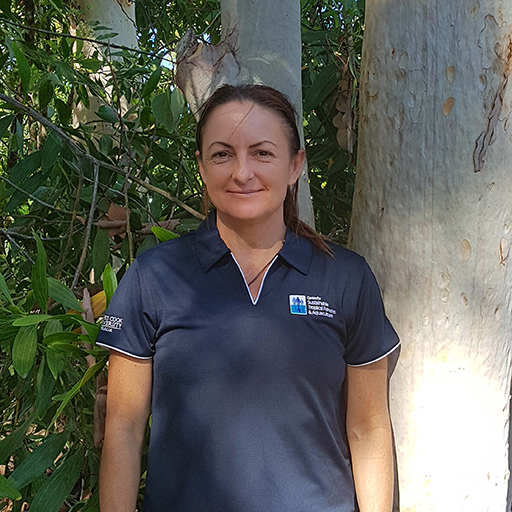
Kelly Condon
- Senior Lecturer, Aquaculture (Aquatic Animal Health)
- kelly.condon@jcu.edu.au

Graeme Cumming
- Adjunct Professor
- graeme.cumming@jcu.edu.au

Takahiro Shimada
- Adjunct Senior Research Fellow
- takahiro.shimada@jcu.edu.au
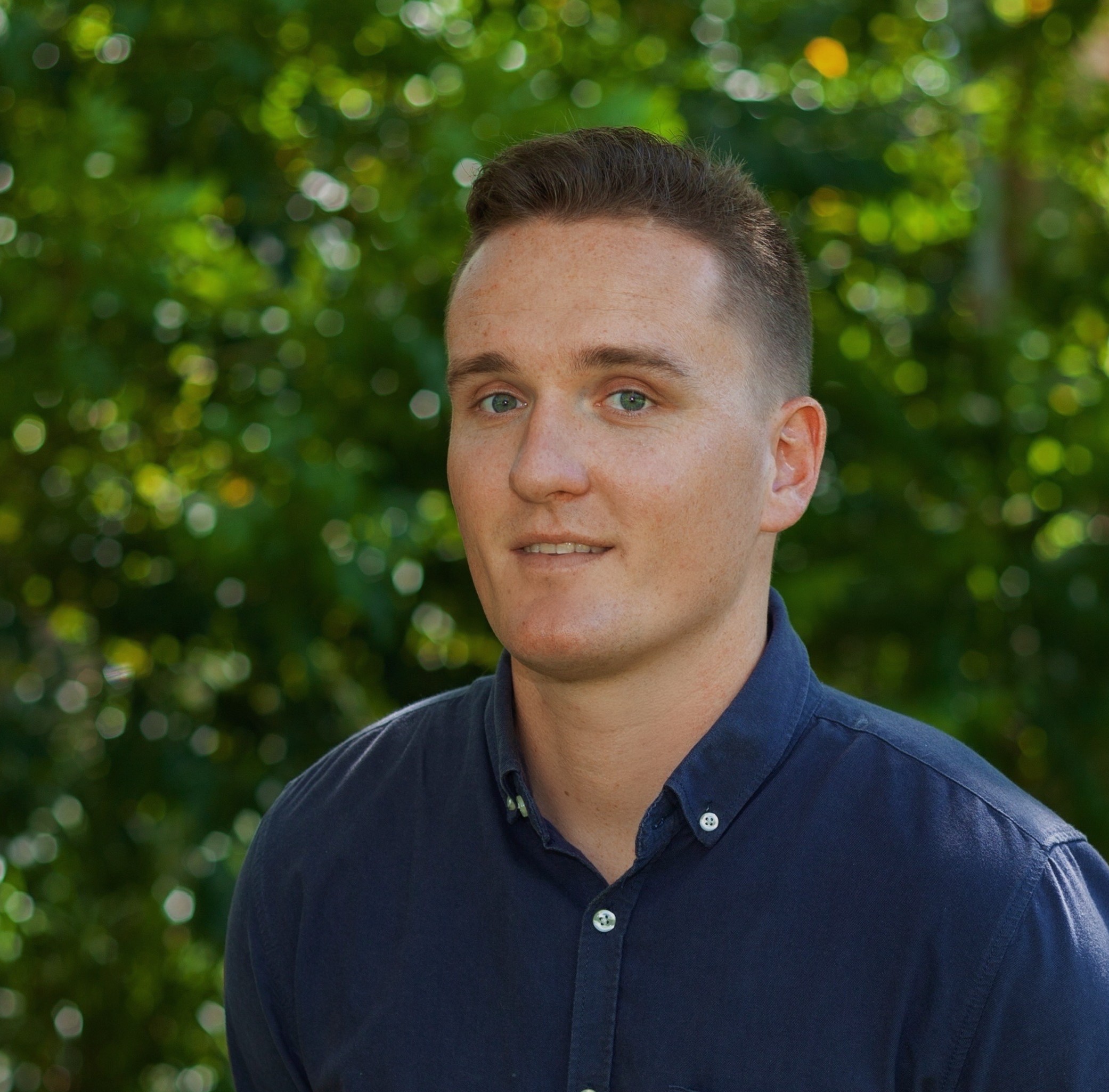
Peter Doll
- Research Fellow, Coral Reef Health Assessments
- peter.doll@jcu.edu.au
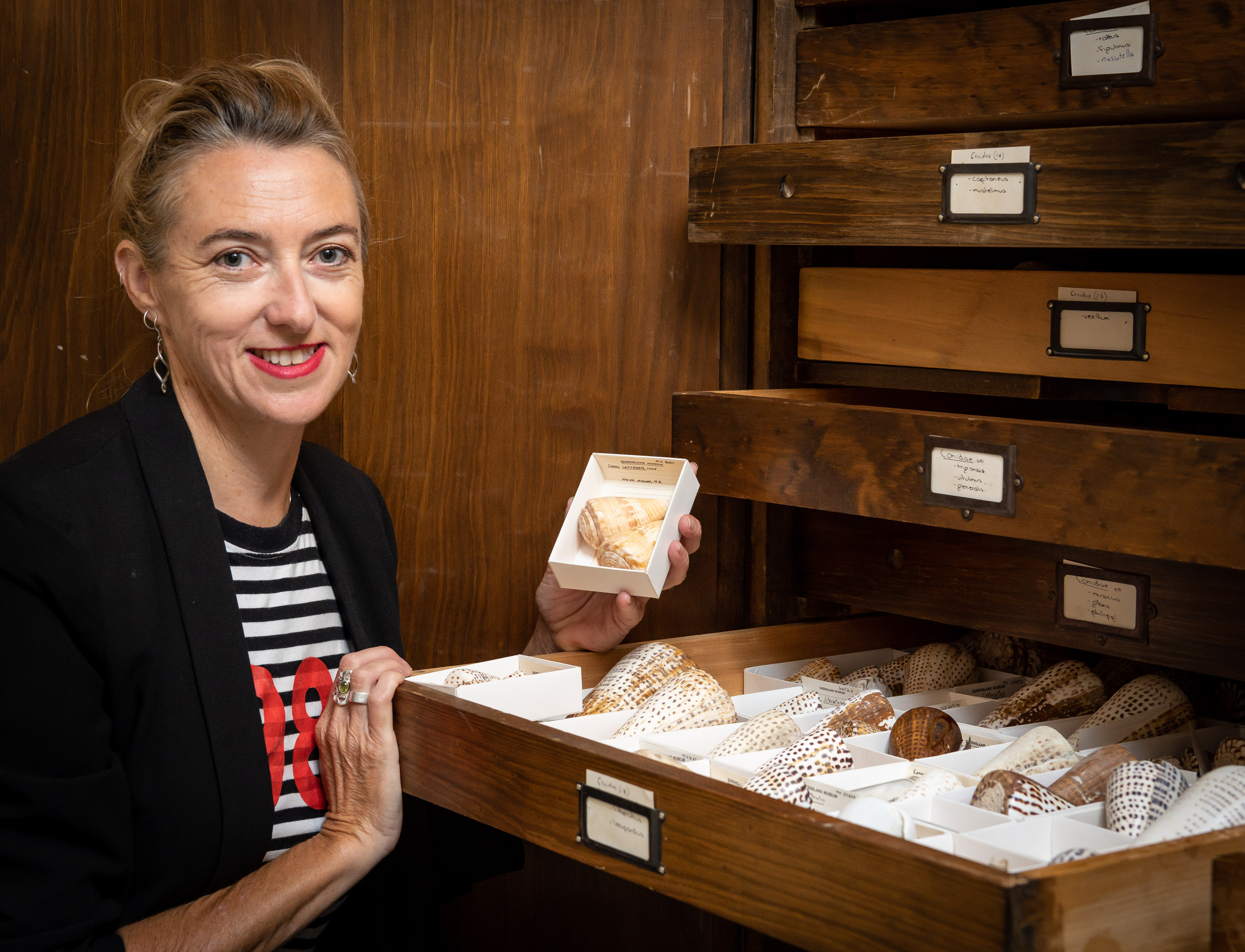
Michela Mitchell
- Casual Research Assistant
- michela.mitchell@jcu.edu.au
Restoration Grassroots ACRN
Working with community groups to examine restoration outcomes and approaches by grass root groups
Restoration Grassroots ACRN
Working with community groups to examine restoration outcomes and approaches by grass root groups
Cairns airport wetland restoration
Working with OzFish and Cairns Airport to monitor and evaluate restoration success
Cairns airport wetland restoration
Working with OzFish and Cairns Airport to monitor and evaluate restoration success
Town Common Wetland Restoraiton NQDT
Working with NQ Dry Tropics, undertake wetland monitoring and research to investigate restoration efforts and success at Town Common Townsville.
Town Common Wetland Restoraiton NQDT
Working with NQ Dry Tropics, undertake wetland monitoring and research to investigate restoration efforts and success at Town Common Townsville.
Identifying new allergens in shellfish for better diagnosis and immunotherapy
This project aims to identify novel allergens in shellfish to improve diagnostic methods and develop immunotherapeutic strategies for shellfish allergy management. By exploring unreported allergens in blue swimmer crab and their allergenicity, this research seeks to advance healthcare solutions for allergic individuals worldwide.
Addressing key technical bottlenecks in the grouper supply chain in Vietnam (and Australia) through manufactured feed and hatchery developments that aim to improve SME sector profitability
This project aims to address bottlenecks in the aquaculture grouper supply chain in Vietnam and Australia by researching nutritional constraints, commercial feed adoption, and factors affecting the supply of high-quality eggs, larvae, and juveniles.
The Vietnamese grouper industry, which produces over 10,000 tonnes of grouper, is the most profitable sector of marine aquaculture in Vietnam. However, the use of 'trash fish' as feed can lead to pollution and suboptimal health outcomes.
The Australian grouper industry is limited by a lack of specific grouper feeds, but one company has recently used limited nutrient requirement data into a commercial feed. The Vietnam industry faces limitations in the availability of commercial-level volumes of high-quality fingerlings, as the 3 regionally located Research Institutes for Aquaculture (RIAs) provide limited fingerling supply services.
Understanding nutritional limitations at the hatchery and grow-out stages of grouper production is crucial for debottlenecking the sustainable expansion of grouper farming, facilitating profitability for Vietnamese smallholders and transitioning to small and medium enterprises.
The development of an appropriate formulated feed is also crucial for the growth of grouper farming. Disease is likely the largest threat to the growth of grouper farming, but the development and widespread implementation of formulated feed will reduce this risk and increase the potential for industry growth.
Circular economy and feed management approaches for inclusive and sustainable development of marine aquaculture in Vietnam
Marine fish farming in Vietnam traditionally relies on low-value wild-caught fish as feed; however, this feeding approach is inefficiently utilized. It also leads to environmental pollution, and faces significant challenges such as diminishing supply and the risk of disease transfer. In contrast, manufactured feed pellets offer a more efficient and less polluting alternative, although they necessitate a different feeding approach. Feed pellets present a versatile nutrient delivery method in fish farming that can be adapted to various ingredient inputs. By incorporating byproducts from aquaculture and other industries into fish feeds, a circular economy approach can be developed to recycle nutrients within the value chain. This approach transforms waste into valuable fish protein, generating smallholder profits instead of contributing to pollution.
The objective of this project is to reduce the environmental impact of marine fish farming in Vietnam by optimizing feeding protocols and training farmers to use feed more efficiently. Through capacity-building, knowledge transfer, and inclusive participation, this project will empower local coastal communities in the sustainable development of marine aquaculture. Additionally, the reduction in feed costs, the largest expense, will enhance the livelihoods of the family groups that constitute the majority in this sector. Collaboration with feed companies and farmers will be instrumental in fostering feed improvements for circular economy approaches and feed efficiency. Additionally, technological advancements will be employed to better manage fish feeding behaviour, thereby reducing waste and minimizing the cost of feed resources.
Understanding specificity and flexibility in coral symbioses
Coral health is underpinned by complex interactions between the host animal and its symbiotic partners, probably the most important of which are the photosynthetic alga. The interactions of reef-building corals with their photosymbionts are thought to be highly specific, but as yet the bases of this specificity and the nature of the dialogue that must occur during the establishment of a mutualistic relationship are unclear. By making use of model systems and recent advances in DNA sequencing technology, this study seeks to understand these molecular interactions, specifically in the context of some unique features on both sides of the interaction.
Coral bleaching, reef fish community phase shifts and the resilience of coral reefs
- 2006
- Blackwell Publishing
- Researchers:David BellwoodAndrew Hoey
Regional-scale assembly rules and biodiversity of coral reefs
- 2001
- American Association for the Advancement of Science
- Researchers:David BellwoodTerry Hughes
Confronting the coral reef crisis
- 2004
- Nature Publishing Group
- Researchers:David BellwoodTerry Hughes
Influence of age and moderate-intensity exercise training on heart rate variability in young and mature adults
- 2003
- Human Kinetics
- Researchers:Anthony LeichtAndrew Hoey
Influence of intensive cycling training on heart rate variability during rest and exercise
- 2003
- NRC Reserch Press
- Researchers:Anthony LeichtAndrew Hoey
Start Date:
10 Nov 2024
Start Date:
31 Mar 2025
Start Date:
01 Jan 2024
Start Date:
01 Jan 2024
End Date:
01 Jan 2027
Start Date:
01 Jan 2004
End Date:
01 Jan 2006
Start Date:
01 Jan 2007
End Date:
01 Jan 2007
Title:
PhD, James Cook University
Start Date:
01 Jan 2002
End Date:
01 Jan 2005
Start Date:
01 Jan 1996
End Date:
01 Jan 1999