
Marine Biology & Aquaculture
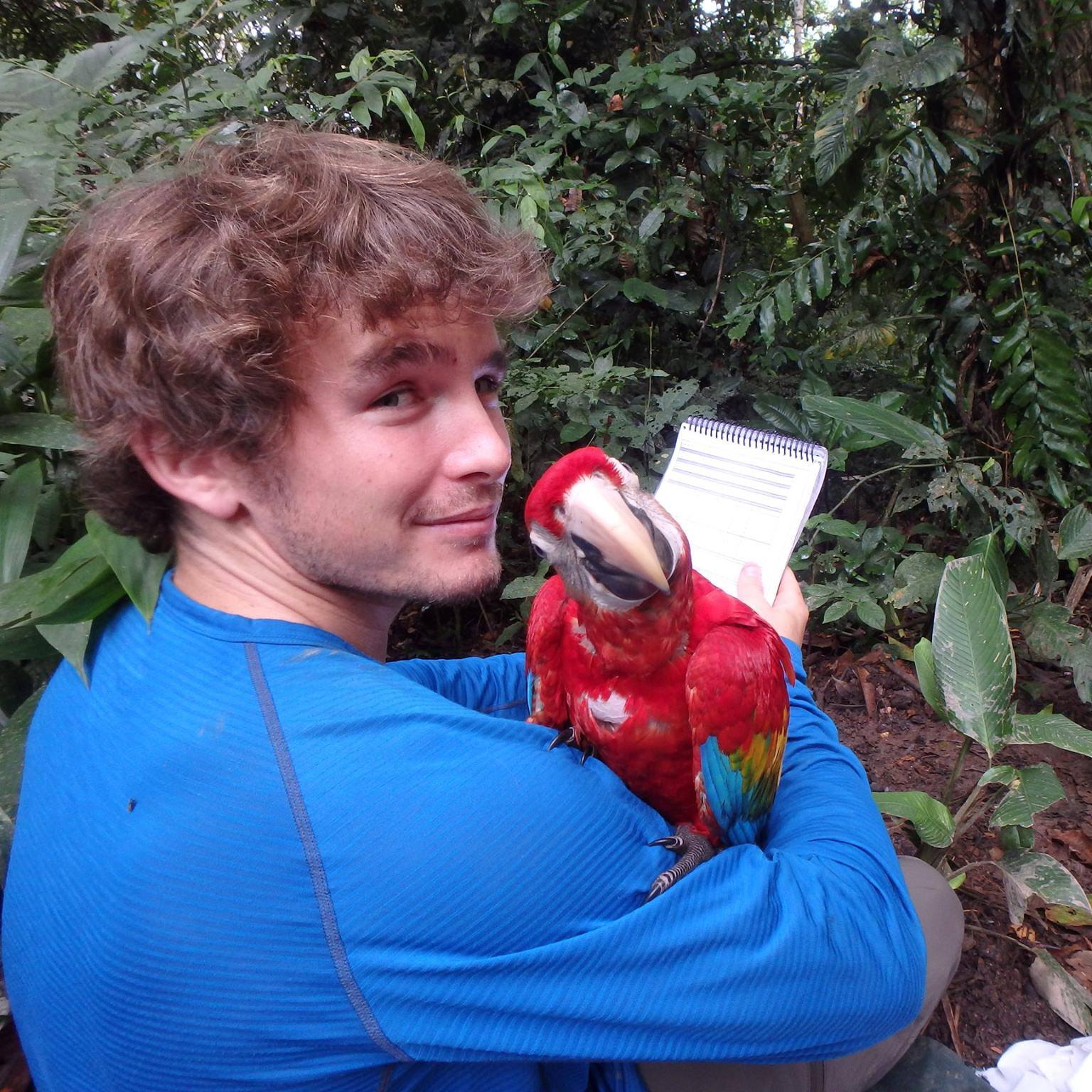
Tom Lloyd
- Postdoctoral Research Fellow, Global Ecosystems
- tom.lloyd@jcu.edu.au

Alys Young
- Postdoctoral Research Fellow, Global Ecosystems
- alys.young@jcu.edu.au

William Arlidge
- Postdoctoral Research Fellow in Community-Based Fisheries Co-Management
- william.arlidge@jcu.edu.au

Anna Wilson
- Senior Research Worker
- anna.wilson@jcu.edu.au
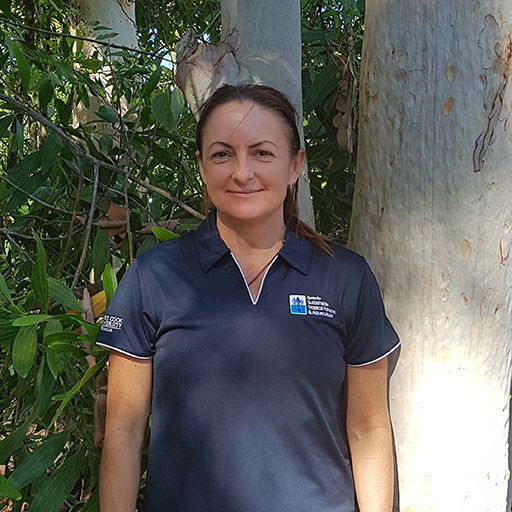
Kelly Condon
- Senior Lecturer, Aquaculture (Aquatic Animal Health)
- kelly.condon@jcu.edu.au

Graeme Cumming
- Adjunct Professor
- graeme.cumming@jcu.edu.au

Takahiro Shimada
- Adjunct Senior Research Fellow
- takahiro.shimada@jcu.edu.au

Peter Doll
- Research Fellow, Coral Reef Health Assessments
- peter.doll@jcu.edu.au
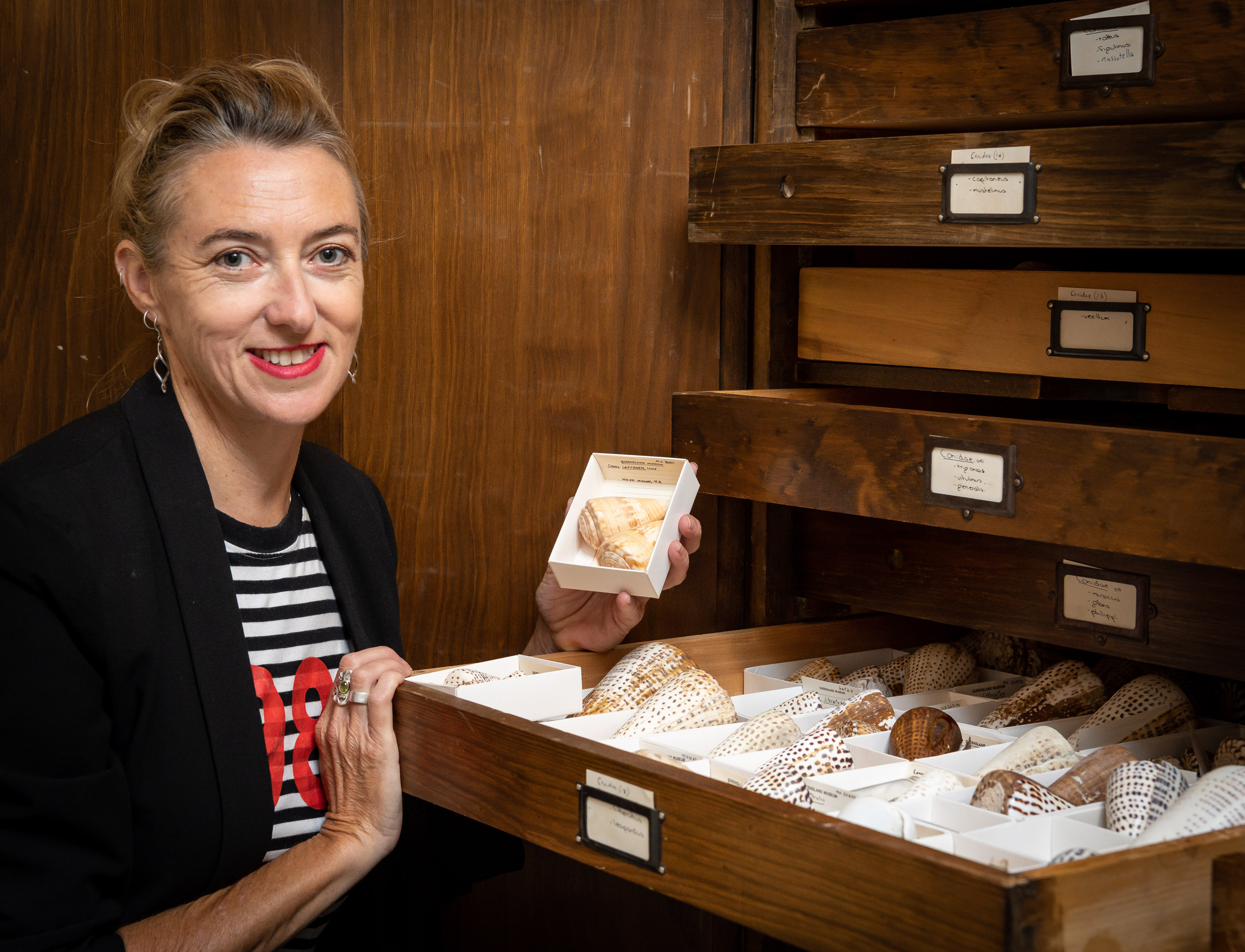
Michela Mitchell
- Casual Research Assistant
- michela.mitchell@jcu.edu.au

Jan Strugnell
- Professor, Promotional Chair
- jan.strugnell@jcu.edu.au
Expanding spiny lobster aquaculture in Indonesia (Old ID 21727)
Clive Jones
25 May 2015 - 31 Dec 2019
Project will provide research and extension to support expansion and increased productivity for spiny lobster aquaculture in Indonesia. Research will focus on improving survival and growth of lobsters from capture of natural seed through to market size, particularly through improved nutrition, husbandry and disease management. Extension will focus on demonstration of best practice to farmers. Impact will be on men, women and children in impoverished coastal communities. Some research will be conducted in Vietnam and Australia, with a view to improving sustainability of lobster farming in Vietnam and exploring opportunity for establishing Indigenous lobster aquaculture enterprises in Australia.
Scoping options for low-flying marginal cane land to reduce DIN in priority wet tropics catchments (Old ID 22528)
Nathan Waltham
01 Jan 2016 - 28 Feb 2017
The project will explore alternative land use options to reduce nitrogen losses from marginal sugarcane land in priority wet tropics catchments. The Wet Tropics Water Quality Improvement Plan identified that complete adoption of sugarcane best management practices would be insufficient to achieve the nitrogen load reductions needed to meet the Great Barrier Reef Water Quality guidelines. This project will map low-lying, marginal cane land with community and industry partners, identify possible alternative uses, quantify economic costs and benefits of land transition, identify constraints and opportunities for alternative land uses proposed.
Artificial intelligence-guided detection of tumour peptides for immunotherapy against therapy-resistant cutaneous squamous cell carcinoma (CSCC)
Ludwig Lopata
14 Jan 2026 - 31 Dec 2026
North Queensland has the highest incidence of CSCC worldwide, which has a huge impact on the local population. With a high tumour mutational burden, CSCC is responsive to immunotherapy, however therapy-resistant CSCC presents a significant challenge. This project aims to detect and select tumour-specific peptides for immunotherapy in patients with therapy-resistant CSCC. The focus on tumour-specific peptides aims to ensure that these peptides are unique to tumour cells, thereby minimising the risk of triggering autoimmunity in treated patients. This innovative approach seeks to enhance the precision and safety of immunotherapies by targeting tumour-specific antigens.
Circulating human papillomavirus (HPV) DNA for post-treatment surveillance of HPV-related oropharyngeal squamous cell carcinoma (HPV-OPSCC)
Ludwig Lopata
01 Jun 2025 - 31 May 2027
HPV is an established cause of the majority of oropharyngeal cancer cases in Australia, with incidence rates continuing to rise. Despite its favourable prognosis with current treatments, post-treatment surveillance for HPV-OPSCC remains challenging, requiring frequent visits to tertiary hospitals for clinical assessments and imaging. This imposes a significant burden on patients in terms of time and cost, as well as on the healthcare system.
Models suggest that incorporating circulating tumour biomarkers into surveillance protocols offers a more cost-effective alternative while maintaining clinical efficacy [1]. The detection of HPV DNA in the blood (circulating HPV DNA, or cHPV-DNA) has shown promise as a non-invasive biomarker that can reliably identify disease recurrence before clinical symptoms or imaging abnormalities arise [2]. This early detection has the potential to enable timely salvage treatments, improving survival rates and reducing treatment-associated morbidity.
Our project aims to establish a highly sensitive and specific method for detecting cHPV-DNA in patient blood using state-of-the-art biotechnology, such as digital droplet PCR (ddPCR) or next-generation sequencing (NGS). By optimizing assay sensitivity and validating its clinical utility, we intend to create a robust platform for post-treatment monitoring of cancer recurrence.
This research will also explore the integration of cHPV-DNA testing into current surveillance frameworks, with the goal of reducing patient visits and reliance on resource-intensive imaging. Additionally, the project has the potential to contribute to the development of personalized, response-adapted treatment strategies for HPV-OPSCC, by identifying patients at higher risk of recurrence or those who may benefit from de-escalated therapy.
Strengthening coral reef monitoring and ocean equity for marine co-management in Tonga. (Old ID 30026)
Patrick Smallhorn-West
16 Jun 2023 - 18 Dec 2023
The proposed project would aim to build off one of the most successfully implemented marine management programs in Tonga, the Special Management Area program (SMA). The SMA program is Tonga’s version of marine co-management and currently involves over 50 % of coastal communities (59 communities as of February 2023), with the aim to reach 100 % capacity by 2025. Implementation and scaling of the SMA program has been widely successful but is now struggling with issues in M&E, as well as community coordination. These issues have been expressed to us from the Ministry of Fisheries (MoF) and Civil Society of Tonga and are largely due to staff in these organisations being under-resourced and already working at full capacity. 1. Strengthen SMA Monitoring and Evaluation capacity in Tonga 2. Strengthen equity and resilience in the governance structure of Tonga’s Special Management Area program
Australian Venom Innovation and Discovery (AVID) Initiative
Sally Lau
01 Jan 2026 - 31 Dec 2026
Antarctic brittle star transcriptome and proteome
Australian Venom Innovation and Discovery (AVID) Initiative
Sally Lau
01 Jan 2026 - 31 Dec 2026
Antarctic octopus genome, transcriptome and proteome
Developing the basis for wild caught prawn broodstock biosecurity protocols (Old ID 26238)
Dean Jerry
14 Nov 2018 - 08 Nov 2019
The project will monitor the presence and viral load of a number of endemic prawn viruses in farmed prawns collected at Australian Prawn Farm. The data collected will be used to prepare evidence based management protocols to improve productivity on the farm.
Northern Aquaculture Industry Situational Analysis (Old ID 26272)
Dean Jerry
31 Jan 2019 - 11 Feb 2020
This project will identify key challenges and opportunities facing the North Australian aquaculture sector and explore potential solutions and/or identify the most strategic research projects for further investment. This will include and not be limited to: infrastructure, policy, investment, environmental, production, knoweldge, training and human capital gaps and the research or alternative solutions to address them. The project will be delivered through a literature review, development of the 'Northern aquaculture industry vision 2028' in consultation with indigenous and non-indigenous stakholders, desktop study and SWOT analysis, and the situational analysis report.
AEA Ignite - Gold Barramundi
Dave Jones
11 Feb 2026 - 10 Jul 2027
CRISPR gene editing is changing global food production by providing new ways to improve growth, quality, and sustainability. As these technologies progress worldwide, and as Australian regulations evolve to support their safe use, the country has an opportunity to build capability now and position itself as a leader in sustainable seafood production.
This project focuses on barramundi, an iconic Australian fish and an important contributor to the national seafood industry. A key challenge for farmers is unwanted greying of fillets caused by melanin pigments, which reduces product value. Consumers prefer white fillets, which attract premium prices in both domestic and export markets.
Building on proof-of-concept research at James Cook University (JCU), we will refine CRISPR editing protocols targeting two genes: tyrp (to reduce melanin) and mstn (to improve muscle growth and yield). In partnership with Mainstream Aquaculture, the world’s largest supplier of barramundi fingerlings, we will also develop a small-scale hatchery and nursery system to rear and assess edited fish under controlled, industry-relevant conditions.
Within 12 months, the project will deliver a validated workflow alongside new operating procedures and performance benchmarks. These outcomes will support the production of whiter, higher-value fillets and help future-proof Australian aquaculture as precision breeding becomes central to global seafood production.
The utility of near infrared spectroscopy for age estimation of deepwater sharks
- 2014
- Pergamon Press
- Researchers:Colin Simpfendorfer
Effects of elevated CO(2) on fish behaviour undiminished by transgenerational acclimation
- 2014
- Nature Publishing Group
- Researchers:Sue-Ann Watson
Start Date:
10 Nov 2024
Start Date:
31 Mar 2025
Start Date:
01 Jan 2024
Start Date:
01 Jan 2024
End Date:
01 Jan 2027
Start Date:
01 Jan 2004
End Date:
01 Jan 2006
Start Date:
01 Jan 2007
End Date:
01 Jan 2007
Title:
PhD, James Cook University
Start Date:
01 Jan 2002
End Date:
01 Jan 2005
Start Date:
01 Jan 1996
End Date:
01 Jan 1999