
Marine Biology & Aquaculture
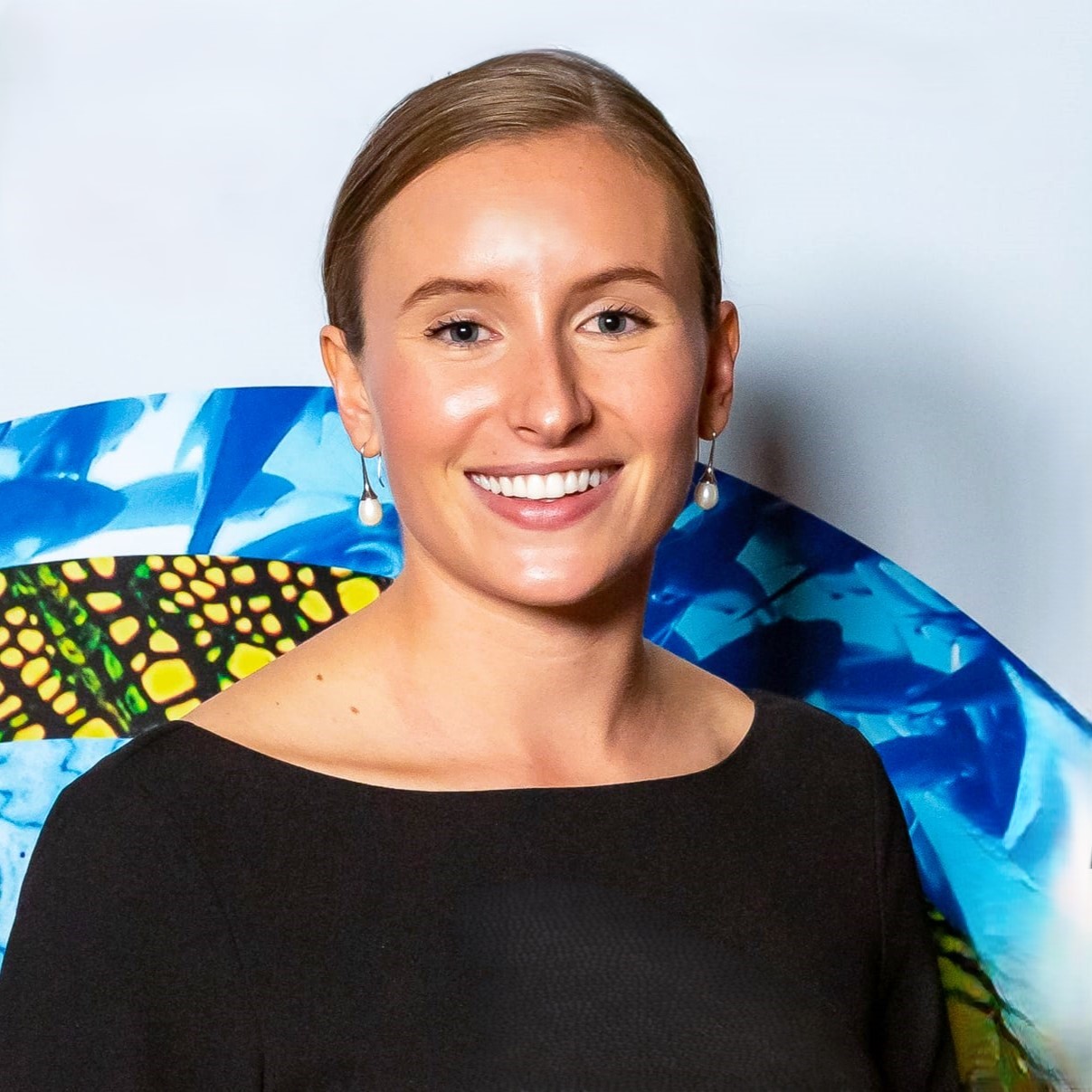
Phoebe Arbon
- Adjunct Research Fellow
- phoebe.arbon@jcu.edu.au
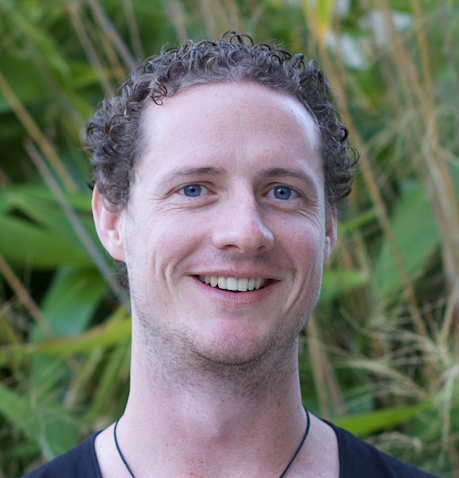
Dave Jones
- Senior Research Fellow (Breeding Program Management)
- david.jones3@jcu.edu.au
Terry Hughes
- Adjunct Professor
- terry.hughes@jcu.edu.au
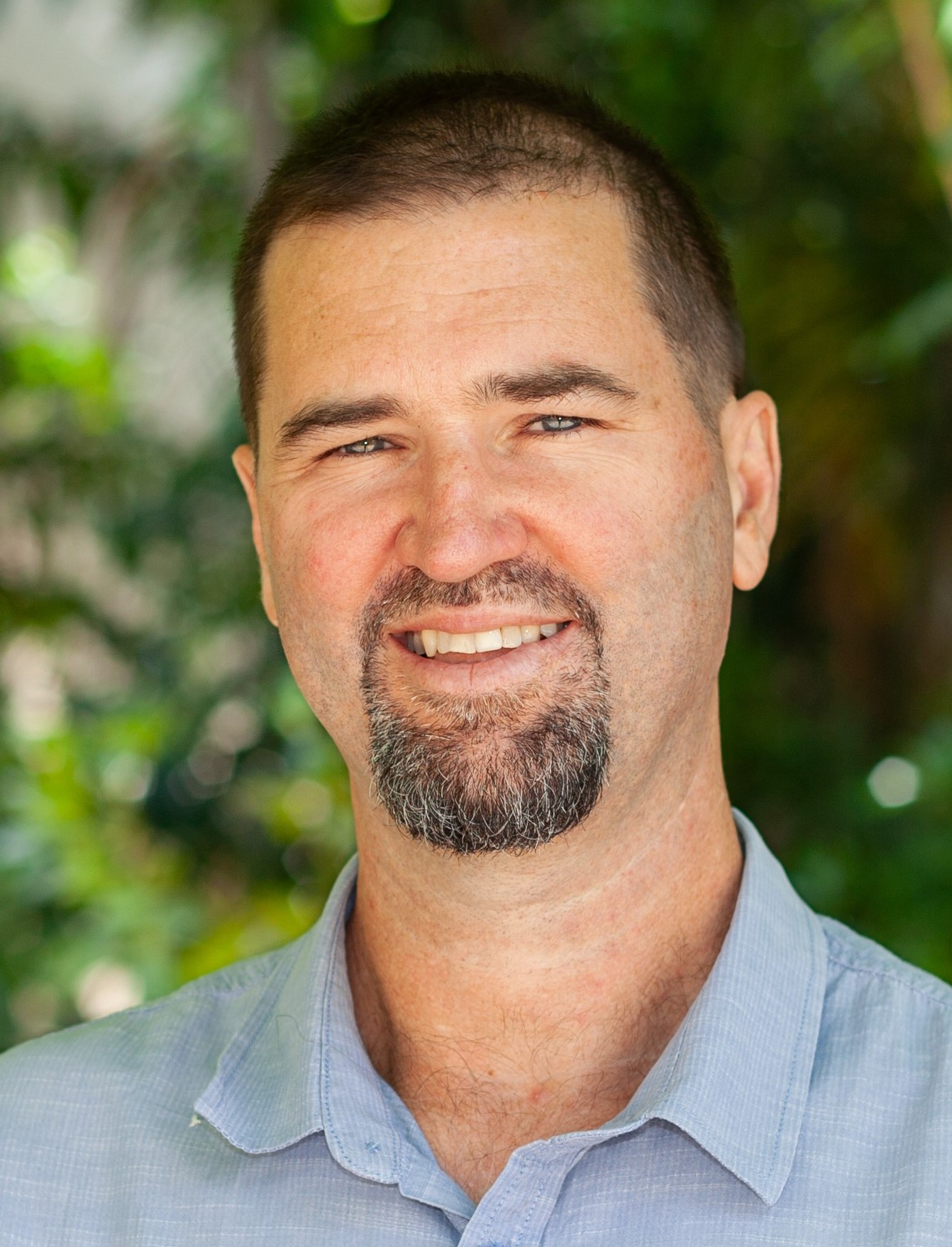
Leo Nankervis
- Associate Professor, Aquaculture
- leo.nankervis@jcu.edu.au
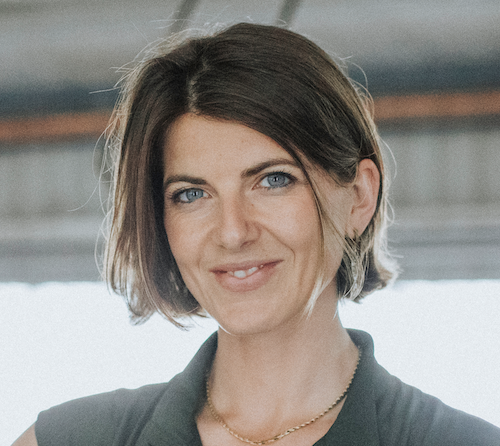
Roberta Marcoli
- Research Fellow
- roberta.marcoli@jcu.edu.au

Bette Willis
- Adjunct Professor
- bette.willis@jcu.edu.au


Geoffrey Jones
- Ajunct Professor
- geoffrey.jones@jcu.edu.au
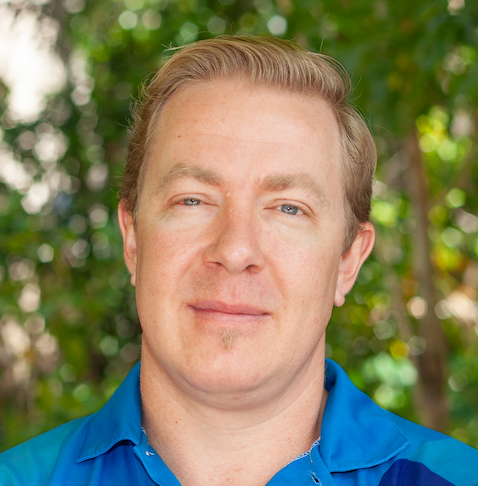
Mark Cyrus
- Senior Lecturer Aquaculture Macroalgae
- mark.cyrus@jcu.edu.au
Cecile Massault
- Research Fellow
- cecile.massault@jcu.edu.au
Rapid iteration selective breeding: Australia's fish to feed the world (Old ID 23446)
Barramundi - Australia’s favourite fish – is gaining popularity worldwide as a farmed solution for supply of white fish. The world needs a sustainable source of white fish, as current supply comes from declining wild catch fisheries. Industrial scale farming offers a solution. Success relies on improved seed stock and the Australian Barramundi industry in conjunction with the CRC-P program is tackling this challenge by applying advanced modern genetics to Australia’s barramundi breeding stocks.
FRDC Sponsorship International Symposium for Genetics in Aquaculture XIII (Old ID 24782)
FRDC has provided sponsorship to ISGA to support travel costs for an internationally renowned plenary speaker in the application of biotechnology and synthetic biological solutions to future aquaculture production (ie CRISPR/TALEN gene editing. RNAi etc) to provide bursaries for participants from Australian industry/researchers to attend the conference and to cover costs associated with an industry tour to showcase to delegates examples of Australian tropical aquaculture.
Growing a profitable, innovative, collaborative Yellowtail Kingfish industry: bringing 'white' fish to the market - RnD4Profit (Old ID 22475)
The K4P project is focused on growing the key existing Australian YTK industry participants, as well as the industry as a whole, and directly addresses FRDS's new strategic plan to build Australian sustainable aquaculture development through the activities of the "new and Emerging Aquaculture Opportunities' (NEAO) Subprogram. The K4P project also aligns with the National marine Science Plan to grow the blue economy, and the national Aquaculture Statement and Strategy to grow Australian aquaculture production and better coordinate fisheries and aquaculture R&D resources nationally.
Redundant or Resilient? The impact of cyclones on Great Barrier Reef Marine Reserves and herbivorous fish communities (Old ID 22550)
Marine Reserves are implemented on coral reefs globally to conserve biodiversity and sustain fisheries, and are an important management tool on Australia's Great Barrier Reef. The proposed project will investigate how severe cyclonic disturbances modify coral reefs, their associated fish assemblages, and the performance of Marine Reserves. By surveying a variety of Marine Park Zones across the continental shelf, this project will determine whether Great Barrier Reef Marine Park Zoning and location influences the recovery of coral reef benthic and fish communities following cyclone damage. This information is of critical importance to coral reef managers both nationally and internationally.
Dating the collapse of the West Antarctic ice sheet using next generation sequencing of marine invertebrates (Old ID 23048)
This proposal applies a novel biological approach to address a key question for physical scientists. There is great uncertainty in predictions of future sea level rise and recent modelling suggests that forced displacement of over 180 million people this century is conceivable. Predicting the fate of the West Antarctic Ice Sheet is central for accurate sea level predictions The complete collapse of the West Antarctic ice sheet would lead to the existence of a trans-Antarctic seaway linking the present day Ross, Weddell and Amundsen Seas. Such a seaway would allow marine animal migration across newly opened straights, and a persistent genetic signature of historical connectivity of such events will remain in bottom dwelling animals.
Coral analysis and NQBP intern framework (Old ID 27153)
The partnership agreement between James Cook University and North Queensland Bulk Ports incorporates a pipeline for students to participate in an internship training and education program. This project will include preparation of an information package for students, and a framework to capture and report key learning experiences by students participating in the internship program. Preparation of this framework and package will be used when future students participate in the program. The project will also include the analysis and reporting of coral data collected under the partnership program more broadly.
Mackay & Hay Point Marine Water Quality Monitoring (Old ID 21645)
This project delivers a 12 month water quality sampling and monitoring program within the region of Port of Mackay and Hay Point. In conjunction with the field sampling, sediment plume modelling, using MODIS, will be completed to further characterise water quality conditions within the study area. This characterisation of water quality conditions will assist in the management of the ports and dredging operations planned for this region under the direction of North Queensland Bulk Ports.
Barramundi origins: determining the contribution of stocking to the barramundi catch on Queensland's east coast. (Old ID 26618)
Barramundi are stocked in impoundments, freshwater rivers and estuaries along the Queensland east coast and there is strong evidence that a substantial proportion of these fish find their way into estuarine and coastal environments. However, what this contribution actually is to the barramundi commercial fishery is unknown. Established methods for identifying the source of fish-genetics and otolith microchemistry-can be effective, but are costly. This project will evaluate near infra-red spectroscopy (NIRS) on otoliths as a rapid approach to identify if a barramundi is stocked or not.
Application of a machine learning approach for effective stock management of abalone (Old ID 26742)
Determining the number and size distribution of abalone present at various stages of production is critical information for effective stock management. Currently the Australian abalone aquaculture industry spends in the order of $25,000 per annum, per farm, gathering this information by hand. However, the resulting data is of mediocre quality, is limited in its scope, and collecting the data causes stress to the animals which can compromise growth and survival. Automated counting and measuring of abalone will increase farm efficiency and productivity in the short term and, in the longer term, will provide an advanced platform for further R&D improvements. Artificial intelligence and machine learning has now matured to a point that accurately counting and measuring abalone is possible using this approach. This project would involve the development, training and validation of a machine learning model to identify, segment and measure quantitative abalone traits in production systems, and render the product data to be accessible and applicable for farmers.
Mapping Australia’s saltmarsh ecosystems for the blue carbon method (Old ID 27282)
This project aims to progress our ability to develop nationwide, highly accurate maps of the distribution of saltmarsh ecosystems. Saltmarshes are important for maintaining biodiversity, nutrient removal, carbon sequestration and storm protection, but there is a severe lack of knowledge regarding their spatial distribution and change in Australia. This project will (i) develop a set of occurrence records that are suitable to deploy as training and validation data in a recently developed Landsat-based classification model of coastal ecosystems (Global Intertidal Change, by CI Murray), (ii) adapt the Global Intertidal Change model developed by CI Murray to Australia’s saltmarsh ecosystems and (iii) consult with a UNSW-based software engineer to port the Global Intertidal Change model to Australia’s national research infrastructure (Digital Earth Australia). Ultimately this work will underpin Australia’s first wall-to-wall to maps of saltmarsh ecosystems. Key benefits to the end-user include convening a community of coastal ecosystem experts to support a sustained national effort to map saltmarshes and compiling disparate information sources on saltmarsh distributions into a single national dataset.
Selecting coral species for reef restoration
- 2023
- Wiley-Blackwell
- Researchers:Kate QuigleyDavid BellwoodAndrew Hoey
Start Date:
10 Nov 2024
Start Date:
31 Mar 2025
Start Date:
01 Jan 2024
Start Date:
01 Jan 2024
End Date:
01 Jan 2027
Start Date:
01 Jan 2004
End Date:
01 Jan 2006
Start Date:
01 Jan 2007
End Date:
01 Jan 2007
Title:
PhD, James Cook University
Start Date:
01 Jan 2002
End Date:
01 Jan 2005
Start Date:
01 Jan 1996
End Date:
01 Jan 1999