
Marine Biology & Aquaculture
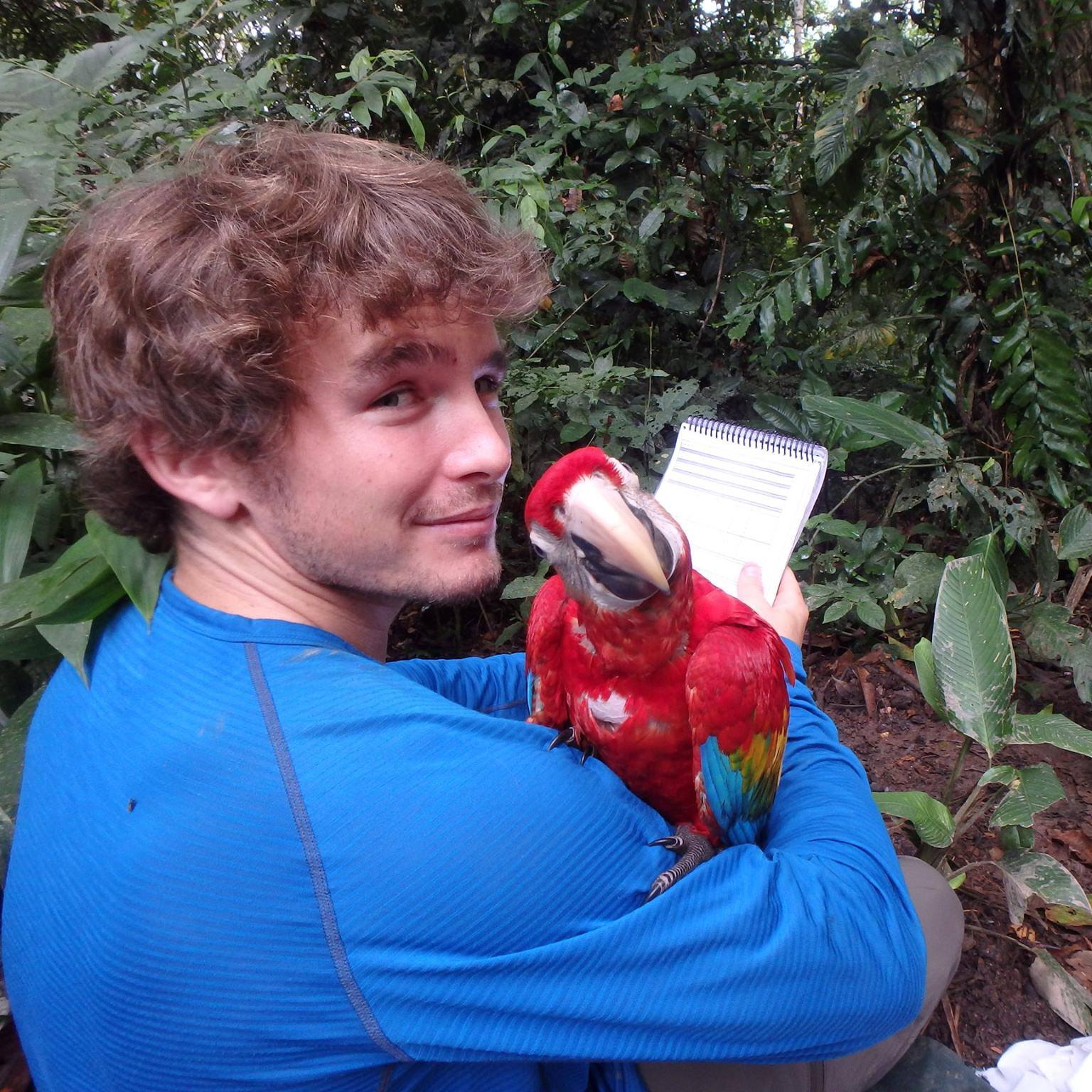
Tom Lloyd
- Postdoctoral Research Fellow, Global Ecosystems
- tom.lloyd@jcu.edu.au

Alys Young
- Postdoctoral Research Fellow, Global Ecosystems
- alys.young@jcu.edu.au

William Arlidge
- Postdoctoral Research Fellow in Community-Based Fisheries Co-Management
- william.arlidge@jcu.edu.au

Anna Wilson
- Senior Research Worker
- anna.wilson@jcu.edu.au
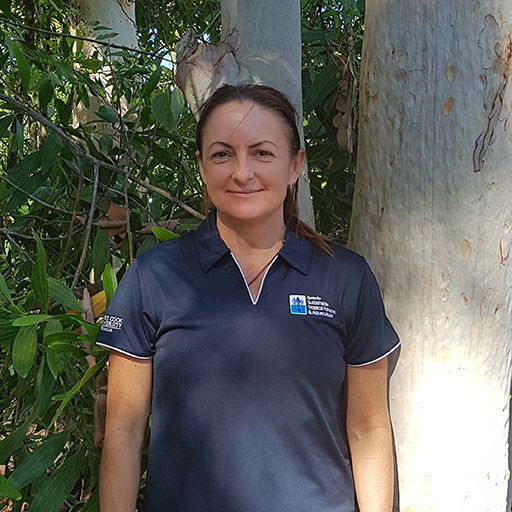
Kelly Condon
- Senior Lecturer, Aquaculture (Aquatic Animal Health)
- kelly.condon@jcu.edu.au

Graeme Cumming
- Adjunct Professor
- graeme.cumming@jcu.edu.au

Takahiro Shimada
- Adjunct Senior Research Fellow
- takahiro.shimada@jcu.edu.au

Peter Doll
- Research Fellow, Coral Reef Health Assessments
- peter.doll@jcu.edu.au
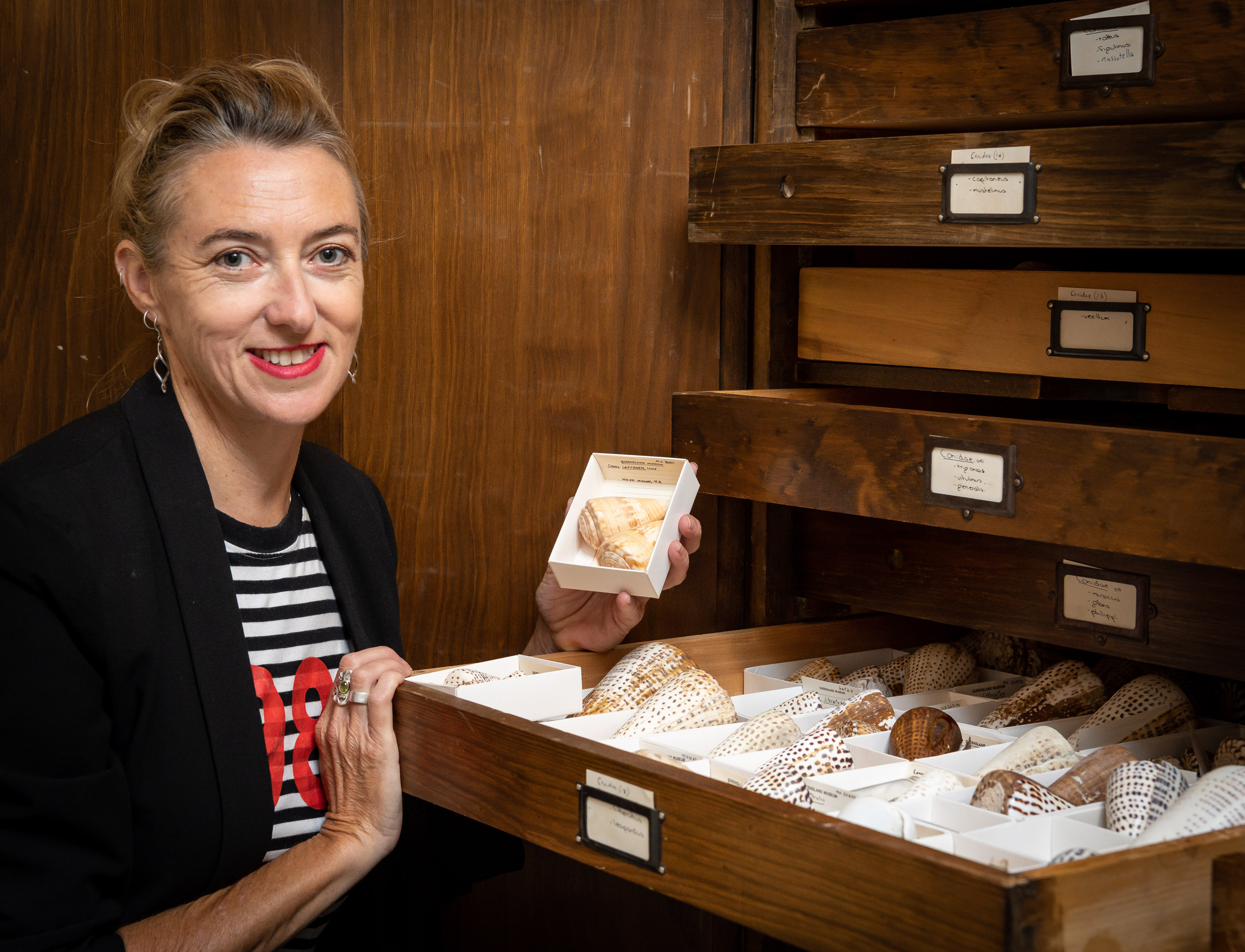
Michela Mitchell
- Casual Research Assistant
- michela.mitchell@jcu.edu.au

Jan Strugnell
- Professor, Promotional Chair
- jan.strugnell@jcu.edu.au
SEAPRO - Seaweed Environmental Action for Pollution Reduction and Algae Protein Optimisation
Aquaculture plays a crucial role in ensuring global food security and fostering future job creation, especially given the rising global demand for seafood and the plateauing of capture fisheries. In Queensland, it significantly contributes to the bioeconomy, playing a pivotal role in food production and economic development. The industry's value in the region has reached $224.7 million, indicating a notable growth of 16.1% from 2021. While the aquaculture industry in Queensland heavily relies on two main species, prawns, and barramundi, which collectively contribute to 95% of the state's production. Currently within aquaculture there is a growing global recognition of another species group: Seaweed. Seaweed is gaining recognition not only as a sustainable food source but also for its remarkable capacity to function as bio-filters, extracting excess nutrients (N & P) from aquatic environments. This makes it a potentially valuable new aquaculture product while also enhancing the environmental sustainability and circularity of aquaculture operations. Integrated aquaculture technology is a key driver of this progress, enabling the coordinated and sustainable cultivation of multiple species. This technology can be integrated into both new and existing commercial operations both on land and at sea, thereby diversifying production within a single cultivation area. By incorporating algal biofilters, this technology efficiently removes excess nutrients and contaminants from farm effluent, transforming them into valuable co-products.
This project aims to strategically deploy seaweed aquaculture to eliminate nutrient pollution and simultaneously enhance the growth of the aquaculture and seaweed industry in the tropics. Focusing on Queensland's aquaculture industry, we aim to employ innovative technology developed by Blue Carbon Pty Ltd to convert excess nutrients into high-value food proteins (extracted from algae) developed by James Cook University, crucial for the growing alternative protein sector.
Preliminary work will determine which species of seaweed which are culturable within the IMTA systems will be most appropriate for use in the alternative protein sector, and will include both marine (Ulva ohnoi, Cladophora sp., Sargasum sp. Asparagopsis taxiformis, etc.) and freshwater species (Oedogonium sp.). The selected seaweed species will be analysed for the abundance and type of extracted proteins using biochemical process developed by the research team at James Cook University. This proof-of-concept project envisions a harmonious blend of technological innovation and sustainable aquaculture practices to produce sustainable proteins for the growing alternative protein food sector as well as animal feed.
The new protein products developed from seaweed will be economically viable and increase the circular product generation of the aquaculture industry, while helping to reduce negative effect on the environment both directly and indirectly. This innovative protein production is highly scalable through the implementation of IMTA technology within aquaculture operations and different types of seaweed can be identified for production in both tropical and tempered water of Australia. The introduction of Australia's Reef Credit Scheme further amplifies the benefits of such technology. Farms implementing integrated aquaculture technology not only contribute to sustainable farming and diversifying products but also standing to gain additional benefits through this innovative credit scheme.
Overall, these advancements have the potential to significantly improve the overall sustainability, environmental impact, and circularity of aquaculture operations. This investment promises not only environmental benefits but also positions Queensland as a key player in the evolving landscape of alternative protein production.
AIMS@JCU Pilot Research Funding
Research Masters student Karl Jensen on feeding selectivity in herbivorous juvenile CoTS
David Yellowlees Excellence in Research Award 2022
Project: Molecular-based method for the quantification of in situ crown-of-thorns starfish settlement rates
Effective sampling of Acanthaster cf. solaris to provide early-warning of new and renewed outbreaks (Old ID 26779)
This project aims to develop a holistic monitoring program that will not only help to deliver an early-warning syste, but will increase the viability of culling CoTS populations even during non-outbreak periods with the ultimate goal of reducing the frequency and severity of future outbreaks. Perhaps even more importantly, this project will deliver (for the first time) spatially and temporally explicit information about the structure and dynamics of crown-of-thorns starfish within the “initiation zone” and in the lead-up to a new population irruption, which is a critical knowledge gap that limits understanding of the initiation and causes of population outbreaks.
Pre-outbreak monitoring of the density, distribution and size-structure of crown-of-thorns starfish (CoTS) in the Great Barrier Reef (Old ID 27501)
This project will conduct annual field surveys (diver-based and eDNA) across reefs in the primary outbreak initiation region to reveal how the density, distribution and size-structure of COTS populations changes, providing field data to inform early warning and response in the lead up to the 2025 outbreak.
Quantifying predation rates on CoTS relative to fisheries management zones and corresponding differences in abundance of putative predators (Old ID 27504)
The purpose of this research is to quantify rates of predation on CoTS at reefs within contrasting Great Barrier Reef Marine Park (GBRMP) management zones. More specifically, we will quantify predation and mortality rates for CoTS, as well as differences in the abundance and composition of potential predators, between reefs where fishing is permitted (Blue zones), restricted (Yellow zones) or effectively prohibited (Green zones). The focus of this project is unequivocally on relatively large and conspicuous post-settlement life stages of CoTS (e.g., sub-adults and adults) and the relatively large predators (mainly fishes) that might be consuming them.
In situ feeding rates of crown-of-thorns starfish and fate of prey corals (Old ID 27494)
Accurate measurements of CoTS feeding rates are key in modelling ecological thresholds to inform CoTS management. This project aims to quantify feeding rates of CoTS in the field, to better resolve ecological impacts of CoTS on coral assemblages relative to the size and abundance of CoTS, as well as changes in prey availability and seasonal variation in temperature. This will significantly improve current models that estimate ecological thresholds used to inform surveillance (density of CoTS required to prevent further coral damage) and control (levels of culling required to ensure that coral growth outpaces CoTS feeding) activities in the GBR.
Spatiotemporal variation in settlement rates of crown-of-thorns starfish on Australia’s Great Barrier Reef: critical research to underpin understanding and management of impending population irruptions (Old ID 27784)
The purpose of this research is to quantify spatiotemporal variation in settlement rates of crown-of-thorns starfish in the lead up to renewed population irruptions on the GBR. Attention will focus on reefs within the putative initiation area, though complementary sampling will also be conducted on reefs in the far northern GBR. Despite existing evidence that population irruptions in the far northern GBR (specifically, at reefs in the Cape Grenville region) can precede the emergence of population irruptions in the northern extent of the currently defined initiation area there has never been any attempt to measure and compare settlement rates of crown-of-thorns starfish over a broad cross-section of reefs in the northern GBR.
Coral bleaching assessment 2024 in northern Great Barrier Reef
Climate induced coral bleaching is now the foremost threat to coral reefs, including Australia's Great Barrier Reef (GBR). Based on current and projected sea surface temperatures there is a very high likelihood that mass bleaching will occur in March 2024 on the GBR. As such, The Great Barrier Reef Marine Park Authority (GBRMPA) are requesting that our team undertake in-water bleaching assessments in the northern GBR in March 2024, at reefs where we are working on crown-of-thorns starfish.
Localised status assessment for specialty coral harvest species in the Great Barrier Reef (Old ID 27915)
The objectives of the proposed 2-year program of monitoring are to assess the relative abundance and biomass of coral species within localised areas of the Great Barrier Reef World Heritage Area, directly comparing between areas of intensive coral harvesting with complementary reference areas within Marine National Park areas that are closed to fishing.
Coral bleaching, reef fish community phase shifts and the resilience of coral reefs
- 2006
- Blackwell Publishing
- Researchers:David BellwoodAndrew Hoey
Regional-scale assembly rules and biodiversity of coral reefs
- 2001
- American Association for the Advancement of Science
- Researchers:David BellwoodTerry Hughes
Confronting the coral reef crisis
- 2004
- Nature Publishing Group
- Researchers:David BellwoodTerry Hughes
Influence of age and moderate-intensity exercise training on heart rate variability in young and mature adults
- 2003
- Human Kinetics
- Researchers:Anthony LeichtAndrew Hoey
Influence of intensive cycling training on heart rate variability during rest and exercise
- 2003
- NRC Reserch Press
- Researchers:Anthony LeichtAndrew Hoey
Start Date:
01 Jan 2015
Title:
Ministry of Commerce, People’s Republic of China Scholarship for Post-Graduate Training Course
Start Date:
01 Jan 2015
Start Date:
01 Jan 2011
Start Date:
01 Jan 2007
Start Date:
01 Jan 2006
Start Date:
01 Jan 2023
Start Date:
01 Jan 2010
Start Date:
01 Jan 1999
End Date:
01 Jan 2000
Start Date:
01 Jan 1998
End Date:
01 Jan 1999
Start Date:
01 Jan 1995
End Date:
01 Jan 1997