
Marine Biology & Aquaculture
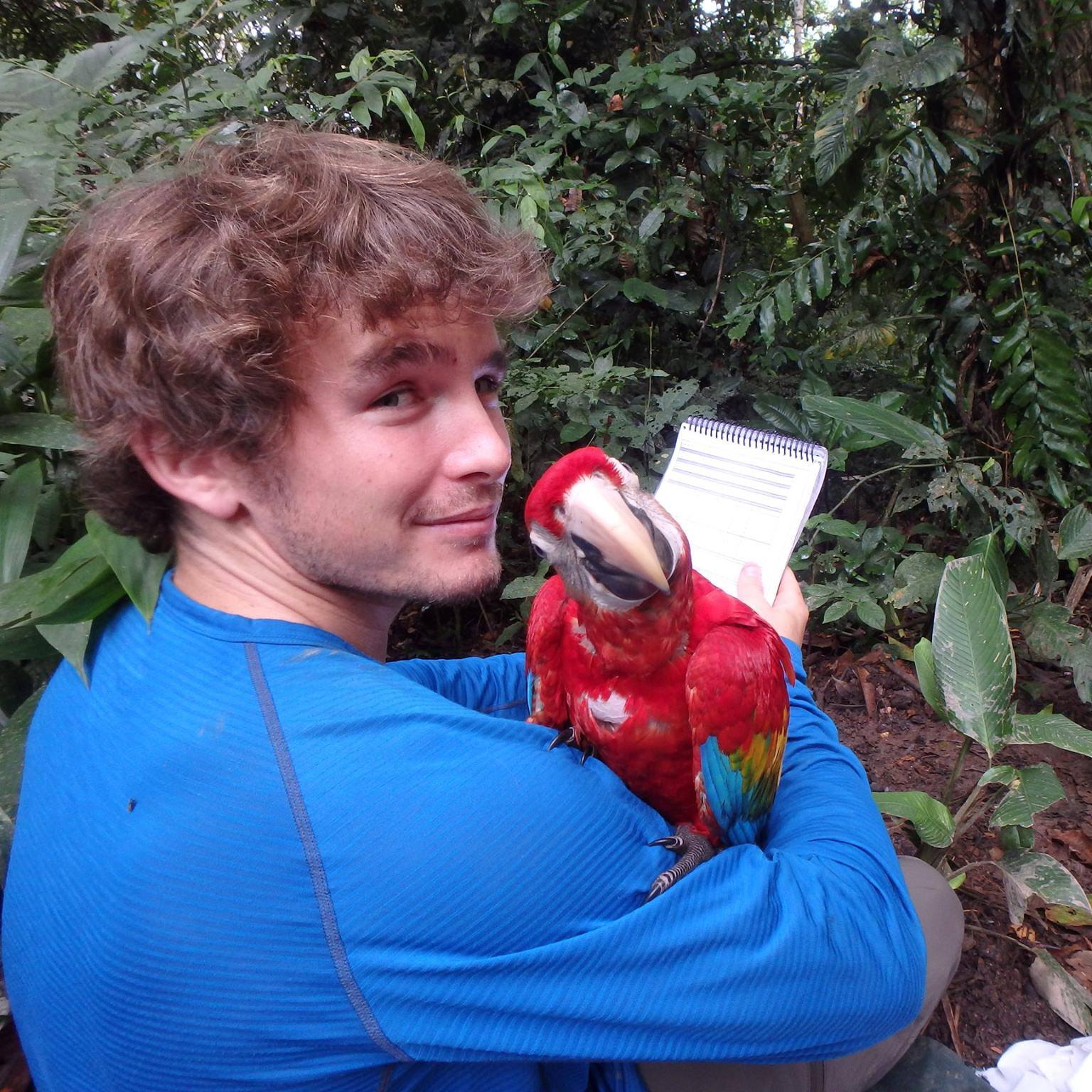
Tom Lloyd
- Postdoctoral Research Fellow, Global Ecosystems
- tom.lloyd@jcu.edu.au
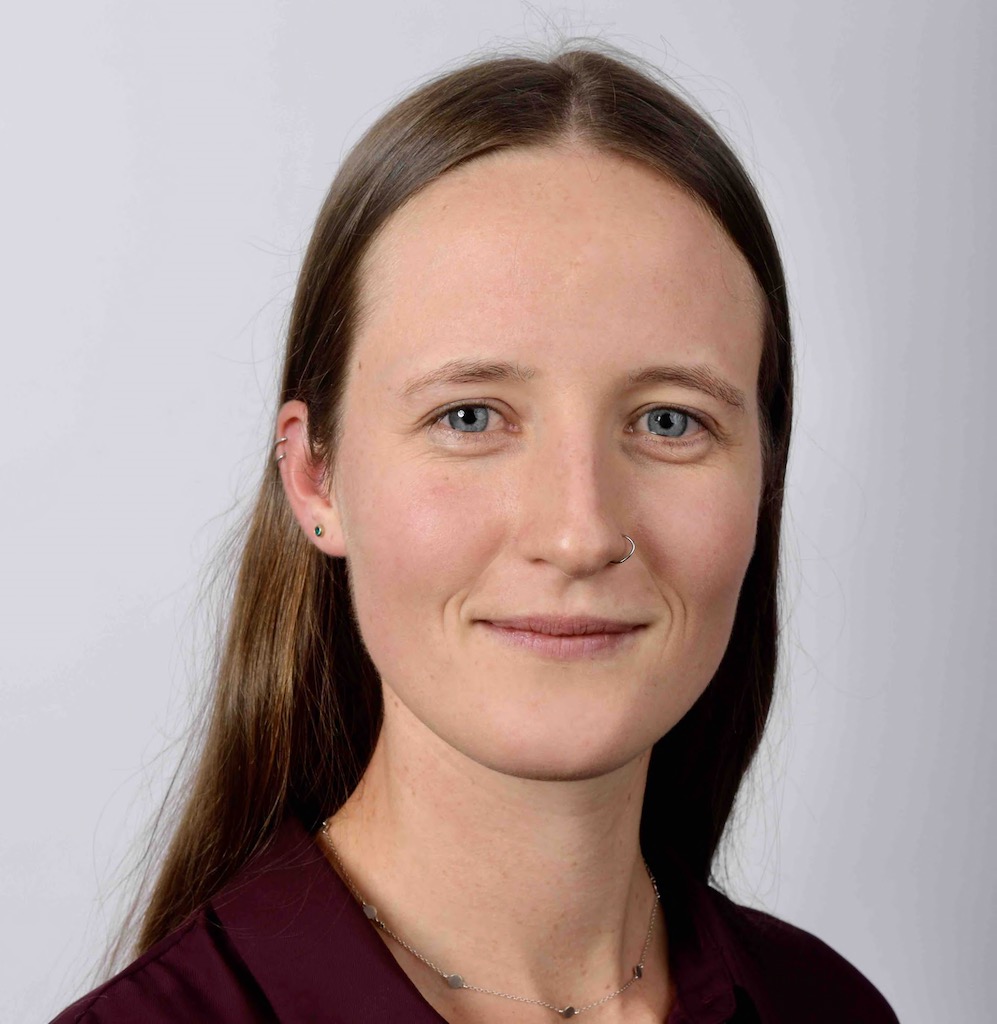
Alys Young
- Postdoctoral Research Fellow, Global Ecosystems
- alys.young@jcu.edu.au
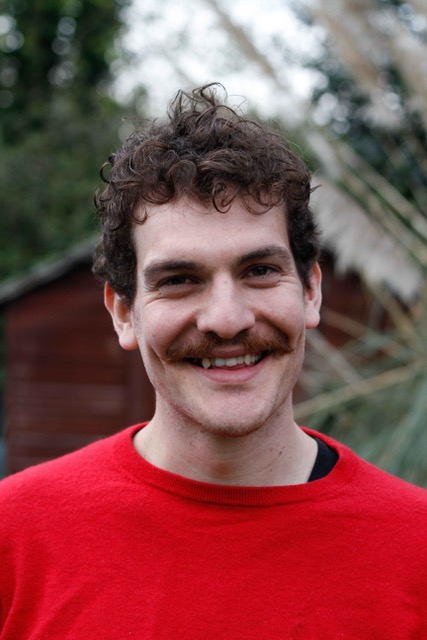
William Arlidge
- Postdoctoral Research Fellow in Community-Based Fisheries Co-Management
- william.arlidge@jcu.edu.au
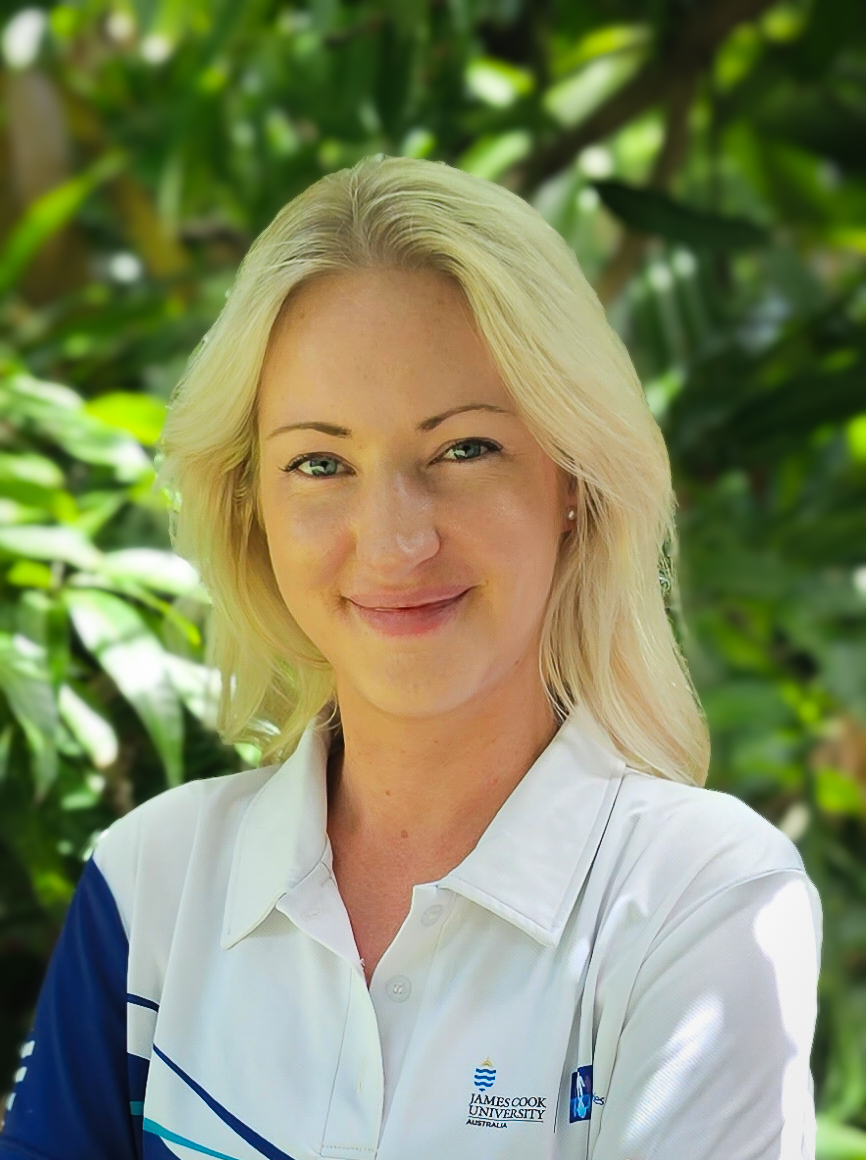
Anna Wilson
- Senior Research Worker
- anna.wilson@jcu.edu.au
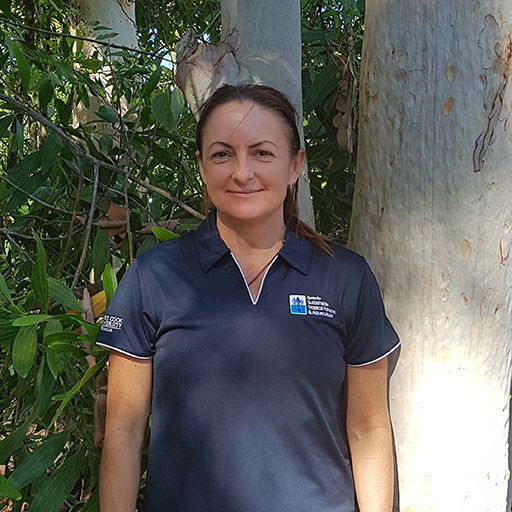
Kelly Condon
- Senior Lecturer, Aquaculture (Aquatic Animal Health)
- kelly.condon@jcu.edu.au

Graeme Cumming
- Adjunct Professor
- graeme.cumming@jcu.edu.au

Takahiro Shimada
- Adjunct Senior Research Fellow
- takahiro.shimada@jcu.edu.au
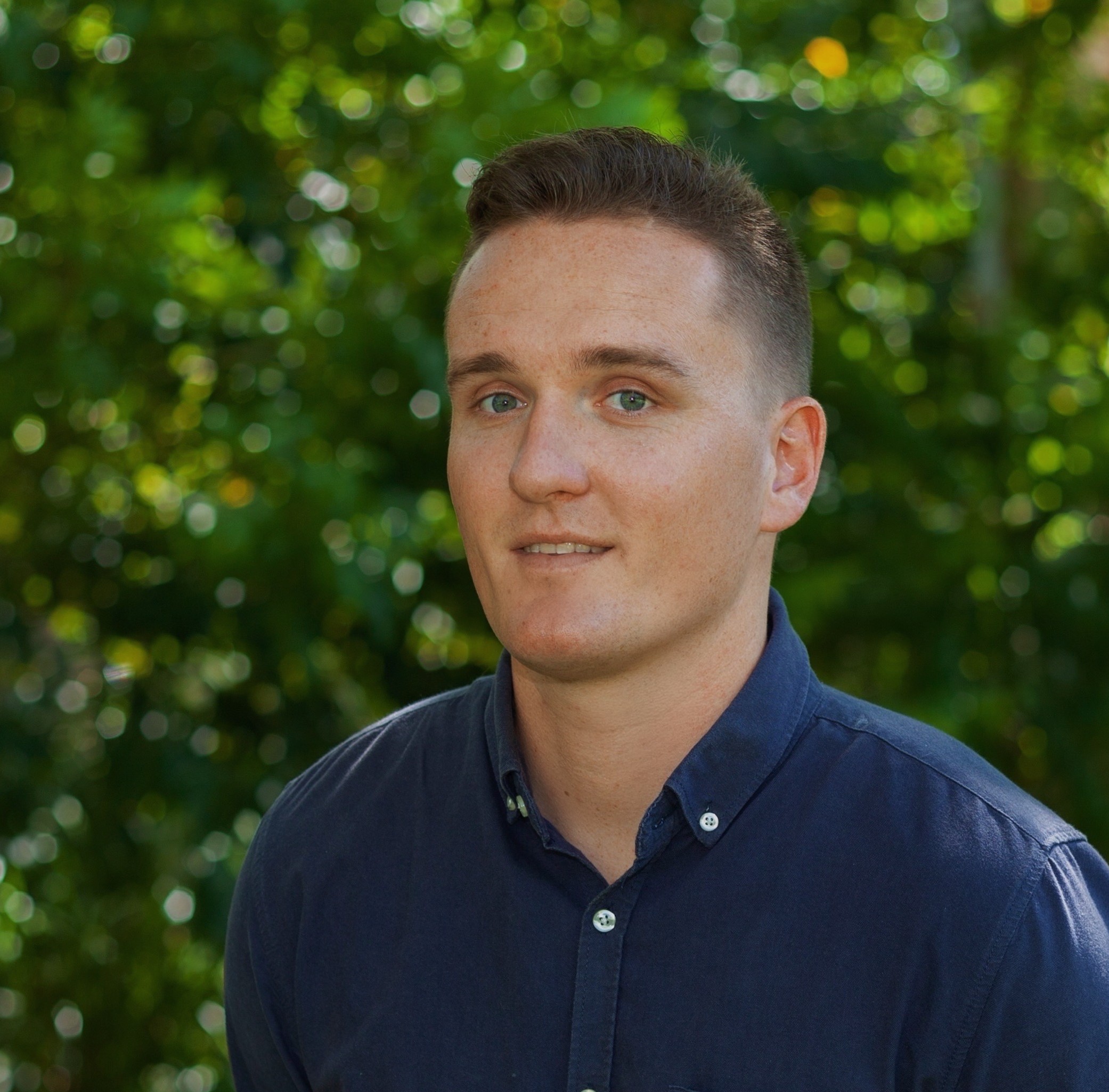
Peter Doll
- Research Fellow, Coral Reef Health Assessments
- peter.doll@jcu.edu.au
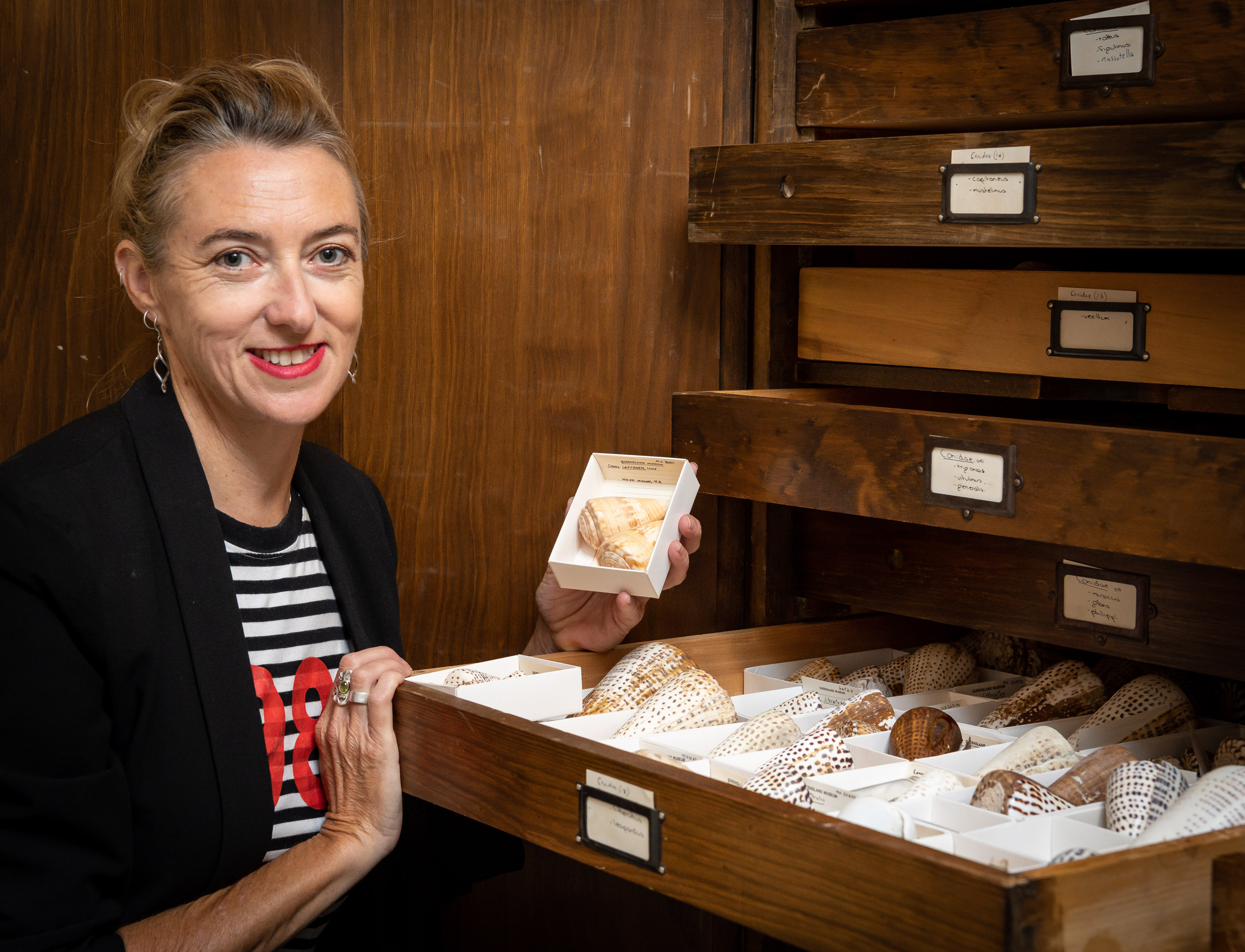
Michela Mitchell
- Casual Research Assistant
- michela.mitchell@jcu.edu.au
Jan Strugnell
- Professor, Promotional Chair
- jan.strugnell@jcu.edu.au
Identification and Restoration of Intertidal Fish Nursery Habitat in the Baffle Catchment (Old ID 22982)
This project aims to identify high intertidal fish nursery habitat pools in the Baffle Drainage Basin (BDB), assess their value to fish, evaluate the current state of their functionality, prioritise pools for restoration and identify viable restoration solutions. By involving local stakeholders, local government, regional NRM and State Government scientists and managers, a network of users will gain an understanding of how these habitats function and can be restored, based upon this baseline research.
Recovery of the Great Barrier Reef. (Old ID 26455)
This project investigates the potential for restoration of reef ecosystems around Magnetic Island. Linked with Earthwatch Australia, it is a citizen science-based project that engages volunteers to help remove macroalgae and monitor changes in coral recruitment, sediment dynamics, community composition, algae regrowth rates, and coral biology, with the hopes that removal of algae leads to an increase in coral cover. The project is an extension of a previous project which accumulated 7 years of base line data on demographic recovery dynamics of corals at Orpheus Island.
Biosecurity in northern Australian prawn aquaculture (Old ID 25021)
This project addresses biosecurity risk through conducting the first comprehensive and widespread biosecurity audit of Australian prawn farms. This project has two components. The first is to conduct a biosecurity metanalysis using traditional and molecular diagnostic tools to establish what pathogens currently occur on prawn farms and how they relate to productivity. Secondly, once the pathobiome is established the project will formulate a risk management strategy for industry and provide on-farm biosecurity training. Understanding the risk of disease, and increased capacity to detect and monitor on-farm, will lead to more effective management practices for northern Australian prawn aquaculture.
Functional connectivity in pinnacle-reef mesopredator fishes: ecological considerations for fisheries management (Old ID 25132)
This project aims to determine habitat use and residency patterns in key coral reef mesopredatory fishes large carnivores, themselves subject to predation). The study will take place in Kimbe Bay, West New Britain, Papua New Guinea, a location identified by the Nature Conservancy as critical for preserving marine biodiversity in the Coral Triangle. Acoustic telemetry (underwater radio receivers) will be used to investigate three important species and the study will provide critical information about how these organisms utilise a range of habitats in the region. Project findings should prove invaluable for future conservation and sustainability planning for the region.
Determinig the abundance of microplastics on nearshore reefs (Old ID 23379)
The overarching aim of my PhD is to quantify plastic pollution coming from north Queensland communities, and how this may influence the GBRWHA. In this proposal, my objective is to identify an indicator speies that can be used to determine the presence and extend of plastic pollution on nearshore reefs. The proposed project will focus on sponges and soft corals because they are non-selective suspension feeding organisms, and likely candidates as natural 'indicators' of plastic presence in the environment. By quantifying microplastics ingested by organisms, this project also aims to illuminate the potential impacts of mircroplastics to benthic reef species.
Dissolved oxygen as a constraint for fish utilising mangrove forests. (Old ID 22654)
This project focuses on understanding how dissolved oxygen (DO) impacts mangrove fish utilisation. In heavily vegetated habitats like mangroves, DO undergoes complex changes brought about by biogeochemical demand. The extent of DO depletion depends on many environmental parameters such as tide, time or day or human activities. Substantial DO depletion could limit the value of mangroves as habitats for fish. Consequently, I aim to: (i) develop an understanding of DO dynamics in mangrove forests; (ii) identify environmental parameters that drive these fluctuations; (iii) investigate how depressed DO impacts fish assemblages and behaviour; and (iv) establish DO thresholds for five fish species occupying mangroves.
Expanding Traditional Owner led seagrass monitoring and restoration in the Girringun TUMRA
Girringun elders and rangers have discussed the emerging Australian blue carbon market and are interested to learn more about what it means for Girringun clans and the health of their country. While progress has been made to include blue carbon in international and national policy and finance mechanisms, the full integration of coastal management activities as part of a climate mitigation strategy has not yet been realised. Estimates of organic carbon storage by seagrass meadows considering inter-habitat variability are essential to understand their potential to sequester carbon dioxide (CO2) and derive robust global and regional estimates of blue carbon storage. Girringun Aboriginal Corporation sees this project as an opportunity to investigate the potential to improve the health of our coast, trial new technology to map seagrass/ blue carbon habitat, estimate carbon value in sea country, increase ranger skills, and learn more about carbon storage in the TUMRA region and how emissions can be reduced in sea country.
The project is designed to use a two-way knowledge approach, incorporating Indigenous knowledge (IK) and western science and technology in the Girringun TUMRA. Through this project GAC aims to continue their collaboration with JCU and CDU and form a new partnership with UQ. GAC have chosen these university partners due to their scientific expertise in seagrass and carbon research and experience working with Traditional Owners and Indigenous Ranger groups. This project includes Traditional Owners for six coastal clan groups in the Girringun TUMRA.
Improved education and training models to futureproof the aquaculture industry need for skilled staff to 2050 (Old ID 27215)
By evaluating industry workforce needs currently and into the future and analysing the gaps between industry need and educational output, we aim to highlight gaps in careers pathways to meet future industry requirements. These careers pathways will form the basis of promotional tools created to highlight education and skills development options that lead secondary students into the aquaculture industry. Cost-effective delivery models for training will be key to the outcomes of the project and a pilot project to up-skill existing industry employees in biosecurity will be used to develop and de-bottleneck new training delivery models.
Tropical North Queensland Drought Resilience Adoption and Innovation Hub (TNQ Hub)
This project will establish, implement and manage the TNQHub (“Hub”) activities including collaborative research, development, extension, adoption and commercialisation (RDEA&C). The Hub will help Australian farmers and communities become more prepared for, and resilient to, the impacts of drought. The objective is to invest in RDEA&C activities, which involves: - Cross-sectoral innovative and transformative RDEA&C - Focus on the needs of end users, involving them in the co-design and adoption phases of research and development - Delivery of effective communication of new and existing knowledge and technologies - Co-investment in national drought resilience RDEA&C priorities with collaboration and co-design between governments, primary producers, community groups, research and training provider
ARC Research Hub for Supercharging Tropical Aquaculture Through Genetic Solutions (Old ID 27374)
This project aims to integrate cutting edge genetic and genomic approaches into innovative aquaculture enterprises that farm in tropical northern Australia. It will deliver the requisite genetic knowledge to instigate world-leading and highly productive breeding programs for five species (barramundi, pearl oyster, prawn, grouper and marine seaweed), along with a novel understanding of the genetic basis of disease resistance and how the production environment interfaces with the bacterial microbiome, pathogens and water quality to cause disease. It will increase Australia's capacity to deliver advanced genetics outcomes to the aquaculture sector, while increasing productivity, international competitiveness, and lowered risk due to disease.
Coral bleaching, reef fish community phase shifts and the resilience of coral reefs
- 2006
- Blackwell Publishing
- Researchers:David BellwoodAndrew Hoey
Regional-scale assembly rules and biodiversity of coral reefs
- 2001
- American Association for the Advancement of Science
- Researchers:David BellwoodTerry Hughes
Confronting the coral reef crisis
- 2004
- Nature Publishing Group
- Researchers:David BellwoodTerry Hughes
Influence of age and moderate-intensity exercise training on heart rate variability in young and mature adults
- 2003
- Human Kinetics
- Researchers:Anthony LeichtAndrew Hoey
Influence of intensive cycling training on heart rate variability during rest and exercise
- 2003
- NRC Reserch Press
- Researchers:Anthony LeichtAndrew Hoey
Start Date:
01 Jan 2011
End Date:
01 Jan 2015
Start Date:
01 Jan 2011
End Date:
01 Jan 2012
Start Date:
01 Jan 2010
End Date:
01 Jan 2011
Start Date:
01 Jan 2009
End Date:
01 Jan 2010
Start Date:
01 Jan 2016
Start Date:
01 Jan 2015
Title:
PhD, James Cook University
Start Date:
01 Jan 2017
End Date:
01 Jan 2021
Start Date:
01 Jan 2018
Start Date:
01 Jan 2026
Start Date:
01 Jan 2026