
Marine Biology & Aquaculture
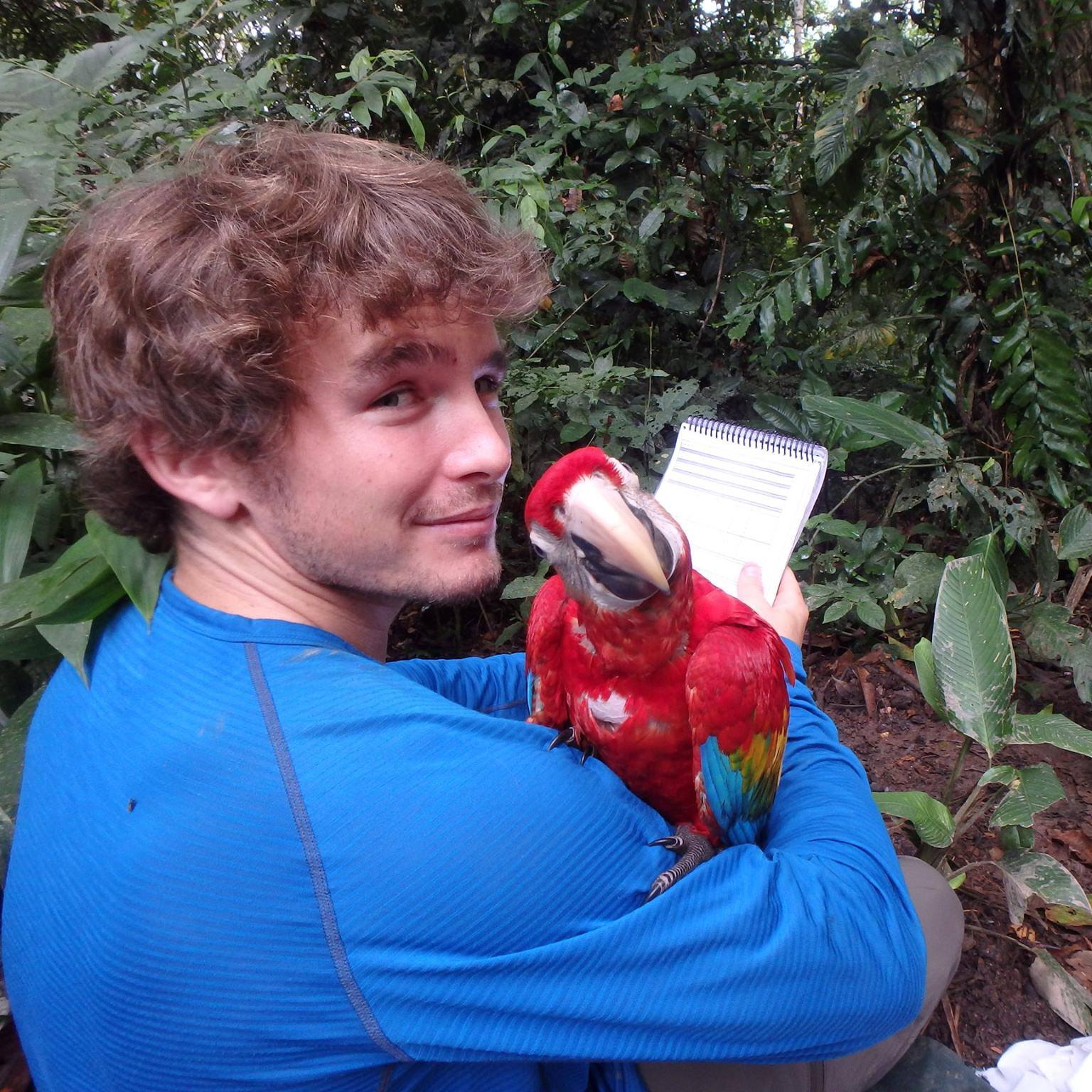
Tom Lloyd
- Postdoctoral Research Fellow, Global Ecosystems
- tom.lloyd@jcu.edu.au

Alys Young
- Postdoctoral Research Fellow, Global Ecosystems
- alys.young@jcu.edu.au
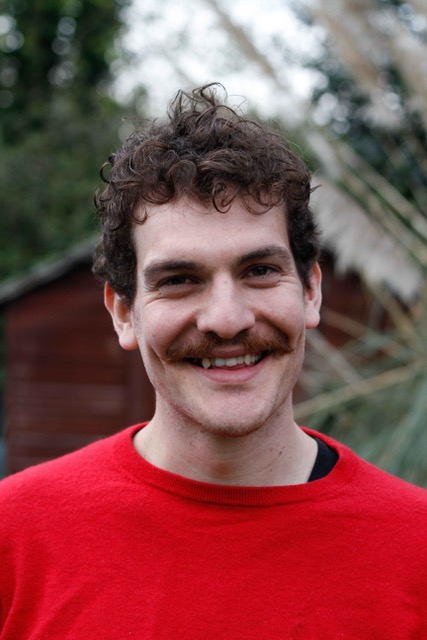
William Arlidge
- Postdoctoral Research Fellow in Community-Based Fisheries Co-Management
- william.arlidge@jcu.edu.au

Anna Wilson
- Senior Research Worker
- anna.wilson@jcu.edu.au
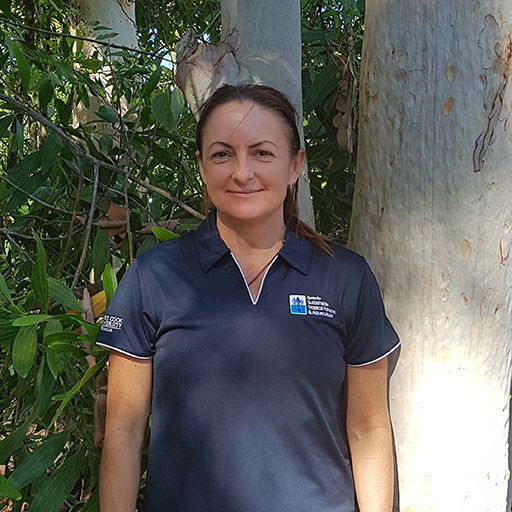
Kelly Condon
- Senior Lecturer, Aquaculture (Aquatic Animal Health)
- kelly.condon@jcu.edu.au

Graeme Cumming
- Adjunct Professor
- graeme.cumming@jcu.edu.au

Takahiro Shimada
- Adjunct Senior Research Fellow
- takahiro.shimada@jcu.edu.au

Peter Doll
- Research Fellow, Coral Reef Health Assessments
- peter.doll@jcu.edu.au
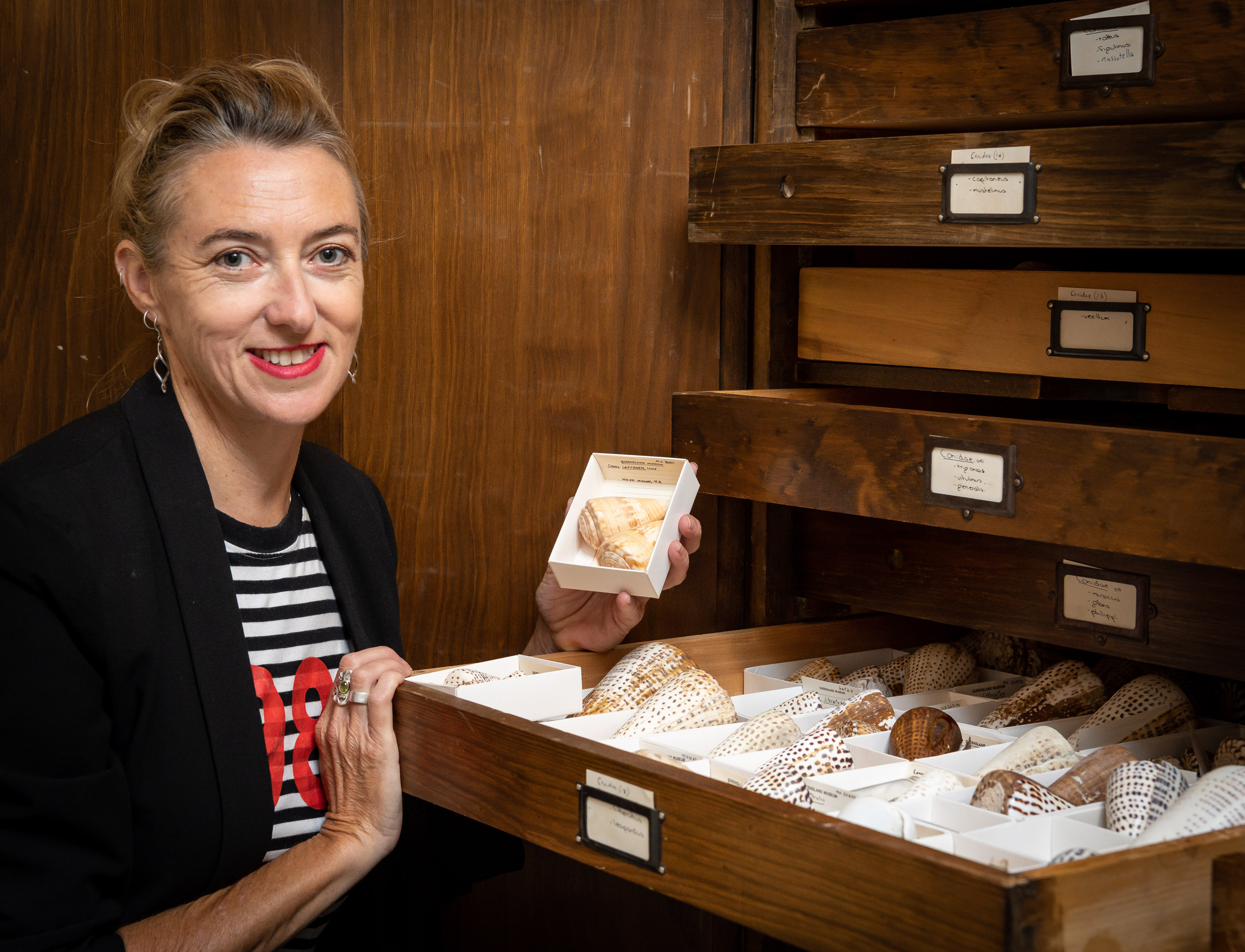
Michela Mitchell
- Casual Research Assistant
- michela.mitchell@jcu.edu.au

Jan Strugnell
- Professor, Promotional Chair
- jan.strugnell@jcu.edu.au
Lobster Aquaculture Groote Eylandt Phase 2A - Nursery (Old ID 27401)
This project is part of a research and development program to establish tropical rock lobster aquaculture at Groote Eylandt in the Northern Territory. The project complements Phase 1 (lobster seed assessment, on-going) and will support development of nursing of seed lobsters. The project will include components of both research and development, examining and trialling various technologies in the sea and on land to nurture small lobsters from the puerulus stage to a size of up to 100g. The project includes aspects of aquaculture technology development, training, extension, social science, economics and marketing. The project will provide the Anindilyakwa Land Council with the means and confidence to establish commercial lobster nursery operations. The project represents the first part (Part A) of nursery development and there is an expectation of a follow-on project (Part B) to continue the nursery development through 2022.
The relative contribution of gleaning to Tonga's inshore fishery
The services to be provided are, as part of a team detailed in C.A.5 Specified Personnel and C.A.6 Subcontractors, to travel to Tonga to undertake a scoping study to evaluate the contribution of gleaning activities in Tonga’s inshore fisheries.
The scoping study will include scoping activities such as;
• reviewing existing data including the small survey done by the Vava’u Environmental Protection Agency in collaboration with Ministry of Fisheries Tonga (MoF) and any other available data on gleaning that MoF has been collecting (hard drives, reports etc). This activity is expected to take approximately 1 week and will involve working from MoF offices with MoF staff member, Sela Kioa. The specified personnel, Dr Patrick Smallhorn-West, holds an MoU with MoF for the purposes of supporting research on Tonga’s marine ecosystems and fisheries to strengthen the resilience of these systems, generate high quality research outputs, support knowledge co-production, and improve overall efficacy of marine management and conservation in Tonga. The current MoU will expire in January 2027, at which time an extension will be discussed.
• conducting community land surveys and market surveys in 9-12 communities (3-4 in each island group). The surveys will involve recording catch (kg, species) and effort (hrs) of people in gleaning communities. Market data will also be paired with these surveys to attribute a dollar value to catch. The surveys will be conducted in person by the specified personnel and subcontractors. Once the survey methodology is finalised, it will be shared with the Contract Manager for approval.
The activities are being undertaken in order to understand the extent and economic contribution of gleaning in Tonga. The Supplier is required to work with the Tongan Ministry of Fisheries when undertaking the scoping activities.
The Supplier is required to submit a detailed work plan that will include an estimated timeline of activities, in Word format via email to the Contract Manager by 31 March 2024.
At the completion of the services, the Supplier is required to submit a draft report that documents a summary of activities, trip report, review results including the key findings, opportunities and recommendations. The draft report is to be submitted by 1 February 2025. Following feedback from the Contract Manager, the final report is due by 28 February 2025.
Novel reproductive approaches to de-risk and transform barramundi breeding (Old ID 31145)
Demand for Australian seafood outstrips supply. Farming of the iconic Australian barramundi is poised to play a major role addressing this shortfall; but innovative methods are needed to de-risk breeding processes and to provide precise control of maturation, spawning and genetic contribution of broodstock. This project, in partnership with the world’s largest barramundi breeding company, will develop, test and apply novel breeding methods to obtain tight control over barramundi reproductive development and spawning. By combining cutting edge genetic and applied breeding techniques, selective breeding programs will be more efficient and the genetic gains from breeding programs will be maximised.
Jaragun wetland restoration research
Complete wetland research with Jaragun in wet tropics, including oyster and freshwater ecology research.
Ecosystem Risk Assessment: new solutions to the global biodiversity crisis (Old ID 26808)
This project aims to develop a typological framework for the world's ecosystems, and undertake the first broadscale global risk assessment for ecosystems. It also includes detailed Australian risk assessments and scenario analyses to develop sustainable management of ecosystem services and climate adaptation strategies. The outcomes include the first global-scale framework for classifying terrestrial, freshwater and marine ecosystems, the first global Red List of Ecosystems an didentified priorities for protecting Earth's remaining wild ecosystems and restoring those that have suffered degradation. These advances will support progress on UN Sustainable Development Goals. The case studies will significantly benefit on-ground action.
A global standard for the status of Wetlands of Interatnional Importance (Old ID 26809)
The project will develop and test a new global standard for the assessment and reporting on ecological condition of internationally important wetlands, listed aunder the Ramsar Convention. It has four aims: establishment of a strategic adaptive management and governance framework, a meta-analysis of the 2,303 internationally listed wetlands, development of a protocol for assessmetn and prediction and delivering a digital reporting platform for effective management. The project is significant because it tackles the decline of freshwater ecosystems, by targeting the most prominent wetlands. It also assists state and national governments to meet their obligations under the Ramsar Convention and most importantly guides more effective management.
Towards a consolidated and open-science framework for restoration monitoring (Old ID 27770)
This project will undertake a national review of marine and coastal restoration monitoring programs to build a database of the data collected, frequency, and how the data is used to assess restoration success. The project will provide recommendations for monitoring requirements for future restoration projects, to assist in a more coordinated and publicly available data framework.
Long-term effects of sea-weeding on degraded coral reefs
Coral reefs around the world are under threat from the combined impacts of climate change and local stressors. Often, when corals die, macroalgae (seaweeds) rapidly take over available space on a reef, with corals struggling to regain dominance once seaweeds are established. My research has shown that a low-tech, simple approach of “sea-weeding” (i.e. removing seaweed by hand) is effective in rapidly rehabilitating degraded, macroalgae-dominated reefs. Over five years, my research program on two degraded reefs of Australia’s Great Barrier Reef saw a >600% increase in coral cover where macroalgae were removed three times annually, while no change was observed in control plots.
These spectacular results provide an exciting potential management approach for other seaweed-dominated areas, as sea-weeding can be achieved through collective action via citizen science. However, because reef recovery dynamics operate on decadal time-scales, it is critical to understand the long-term effects of intervention via sea-weeding. In this project, I will extend the timeframe of the established sea-weeding experiment to document the trajectory of reef recovery. Specifically, the project will transition into a "maintenance" phase of weeding once per year (rather than 2-3 times per year in the first 5 years) to establish the efficacy of less frequent intervention. The results will help inform the best-practice application of sea- weeding in reef management strategies.
Wildlife Conservation Society Graduate Scholarship Program
WCS is committed to a strategy that invests in developing the global conservation leaders of tomorrow. As part of that strategy, the Graduate Scholarship Program provides support for graduate education opportunities (masters or doctoral programs) at international institutions of academic excellence for exceptional conservationists from Asia/Pacific, Africa, Latin America, and North American indigenous groups. Scholars will be selected based on their exceptional abilities, their potential to become leaders of the conservation movement in their home country, and the relevance of their proposed study and future work to WCS conservation priorities. This funding is for a candidate to come study a PhD at JCU.
Addressing key technical bottlenecks in the grouper supply chain in Vietnam and Australia through manufactured feed and hatchery developments that aim to improve sector profitability (Old ID 29011)
The project aims to address key bottlenecks in the aquaculture grouper supply chain in Vietnam and Australia through research into nutritional constraints and drivers for commercial feed adoption by the Vietnam grow-out farming sector, as well as factors affecting the supply of high-quality eggs, larvae and juveniles in both Vietnam and Australia. A physiological approach to nutrient requirements and feeds development will be applied to address nutrient-related production bottlenecks for grouper aquaculture. This project will develop commercially implemented feed formulated specifically for grouper, facilitating the further development of the industry in Vietnam and Australia.
Coral bleaching, reef fish community phase shifts and the resilience of coral reefs
- 2006
- Blackwell Publishing
- Researchers:David BellwoodAndrew Hoey
Regional-scale assembly rules and biodiversity of coral reefs
- 2001
- American Association for the Advancement of Science
- Researchers:David BellwoodTerry Hughes
Confronting the coral reef crisis
- 2004
- Nature Publishing Group
- Researchers:David BellwoodTerry Hughes
Influence of age and moderate-intensity exercise training on heart rate variability in young and mature adults
- 2003
- Human Kinetics
- Researchers:Anthony LeichtAndrew Hoey
Influence of intensive cycling training on heart rate variability during rest and exercise
- 2003
- NRC Reserch Press
- Researchers:Anthony LeichtAndrew Hoey
Start Date:
01 Jan 2016
Start Date:
01 Jan 2015
Start Date:
01 Jan 2010
Start Date:
01 Jan 2020
Start Date:
01 Jan 2010
Start Date:
01 Jan 2007
Start Date:
01 Jan 2017
Start Date:
01 Jan 2007
Start Date:
01 Jan 2006
Start Date:
01 Jan 2020