
College of Science & Engineering

Sophia Love
- Doctor of Philosophy (Natural and Physical Sciences)
- sophie.love@jcu.edu.au
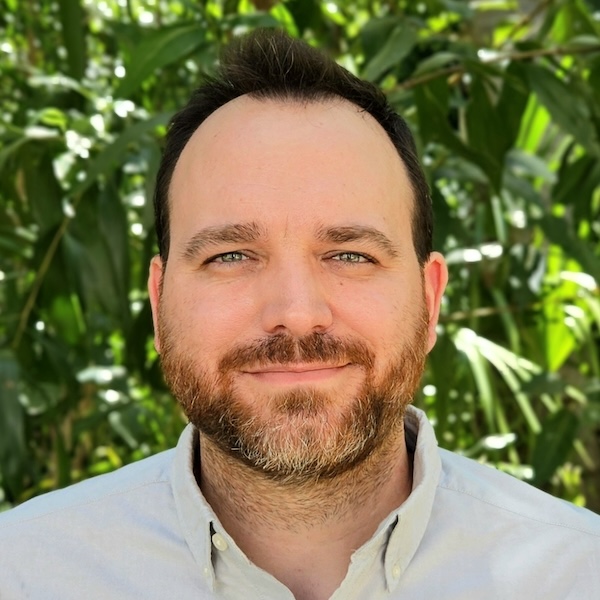
Romain Vaucher
- Senior Lecturer, Sedimentology
- romain.vaucher@jcu.edu.au
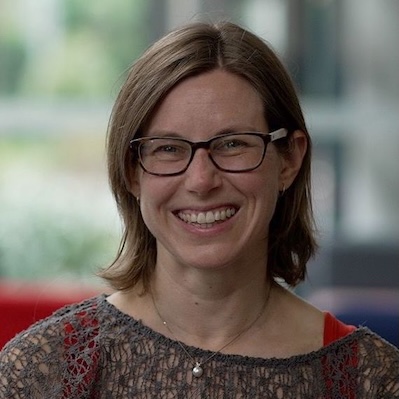
Jenny Fisher
- Associate Dean, Learning and Teaching
- jenny.fisher@jcu.edu.au
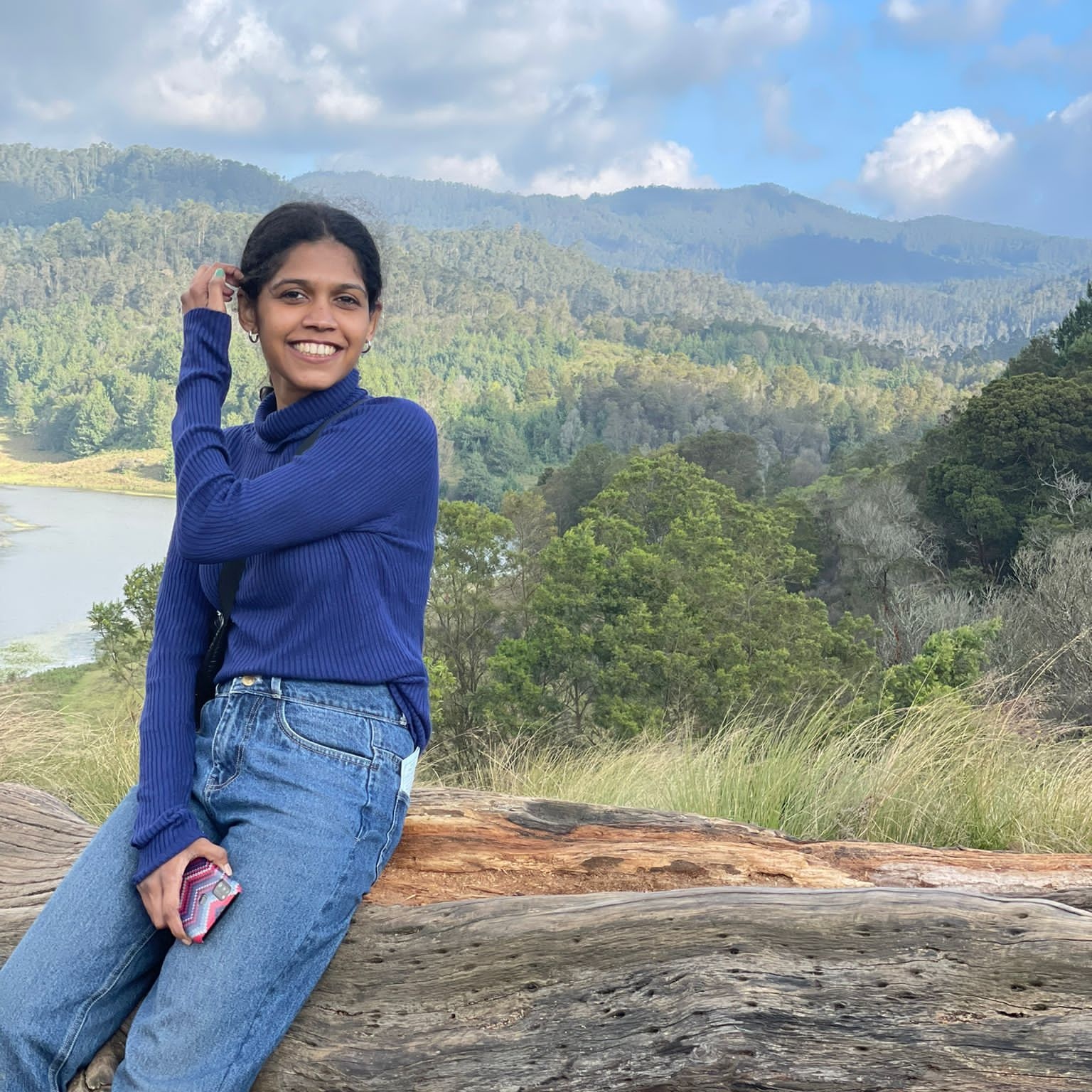
Ambili Narayanan
- Doctor of Philosophy (Natural and Physical Sciences)
- ambili.narayanan@my.jcu.edu.au

Sarfaraz Ali
- Postdoctoral Research Fellow
- sarfaraz.ali@jcu.edu.au
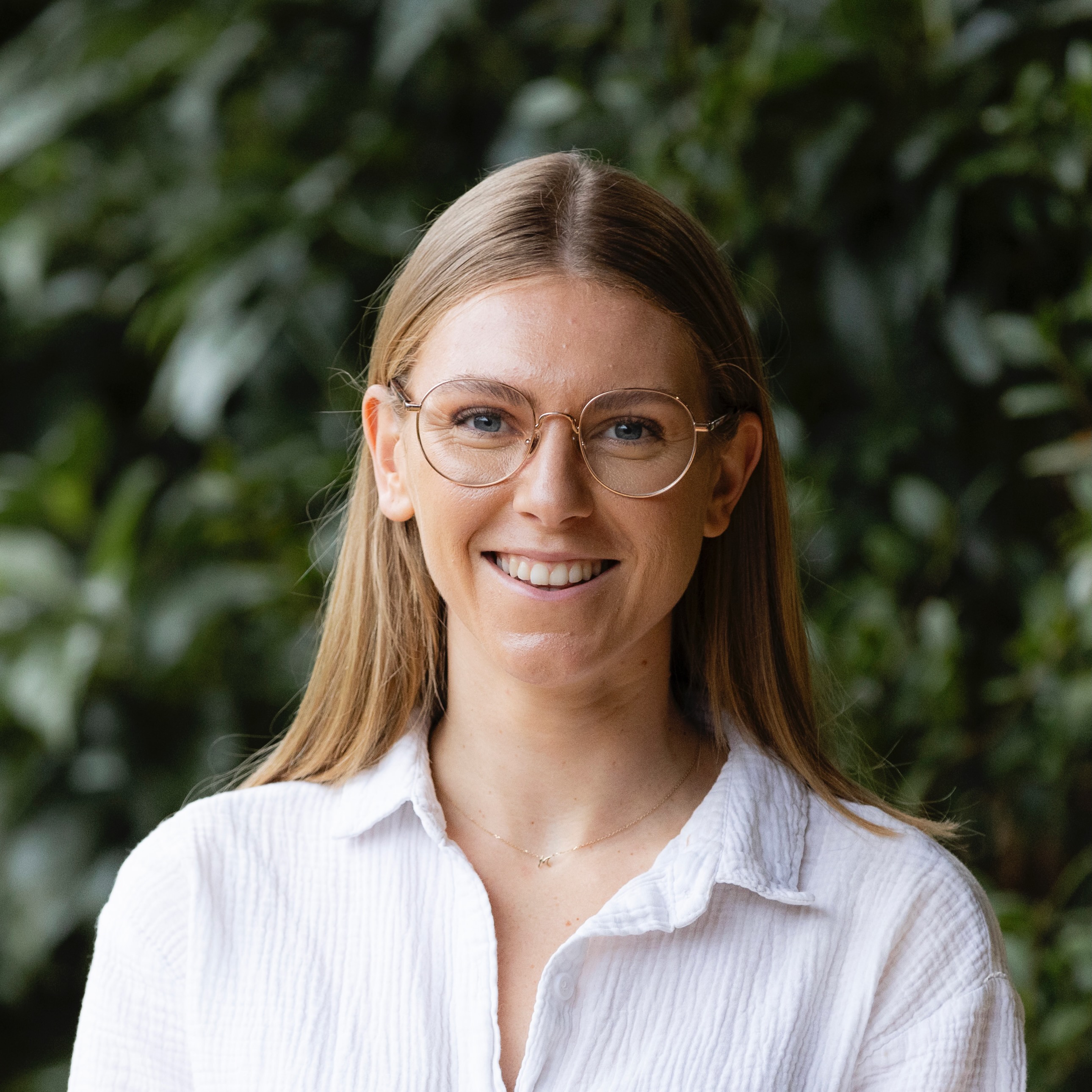
Mikaeylah Davidson
- Postdoctoral Research Fellow
- mikaeylah.davidson@jcu.edu.au
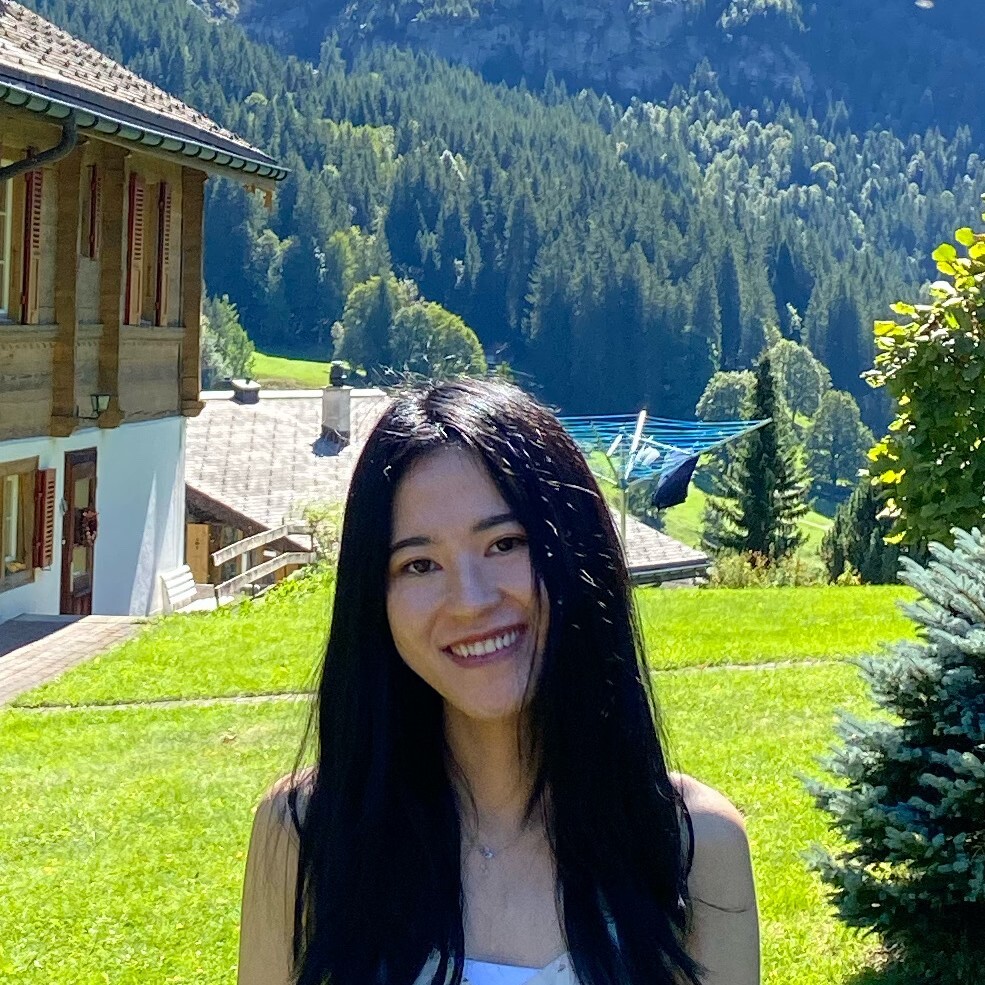
Liuxin Chen
- Lecturer
- liuxin.chen@jcu.edu.au
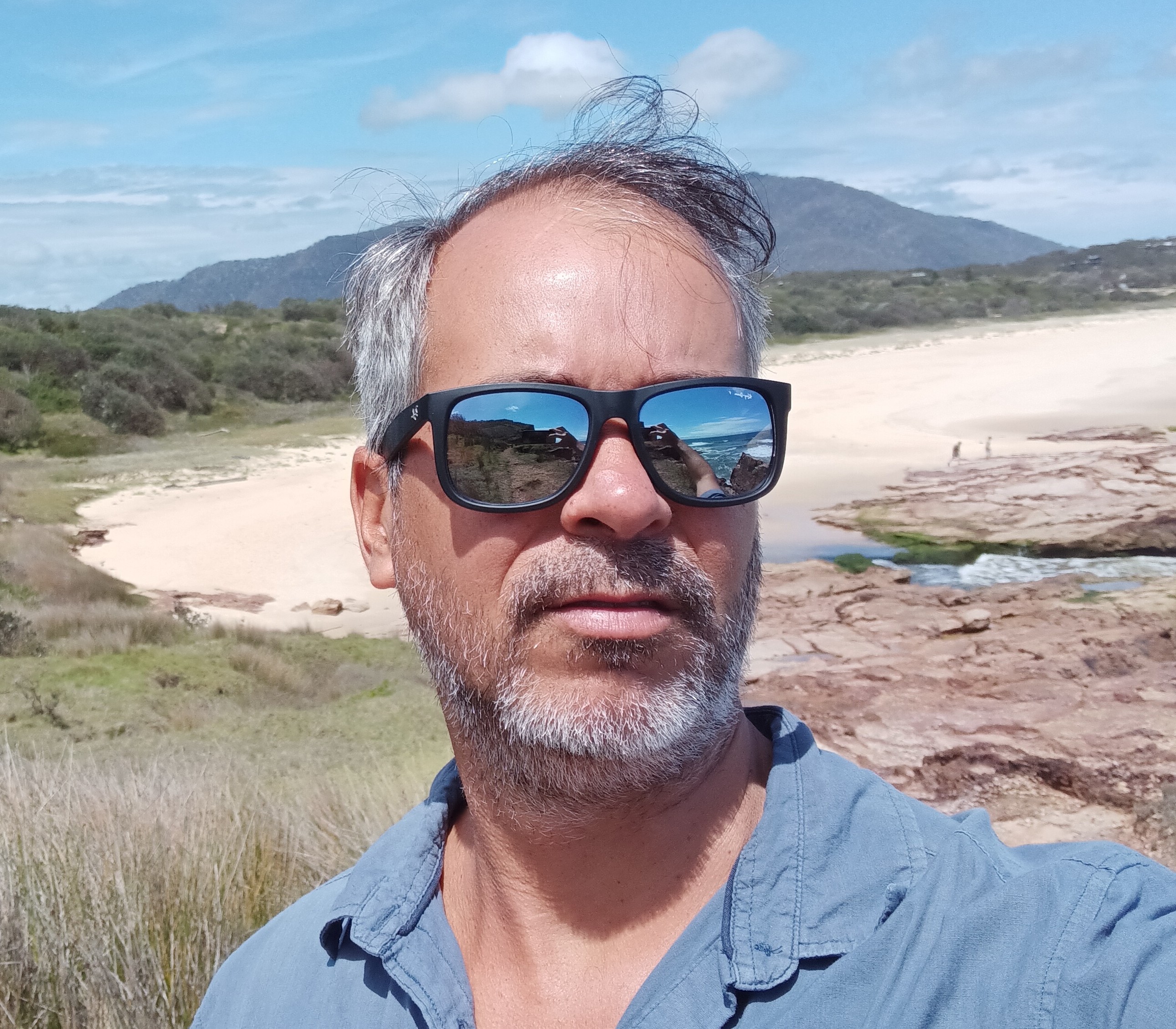
Rafael Cabral Carvalho
- Lecturer, Marine Geoscience
- rafael.cabralcarvalho@jcu.edu.au
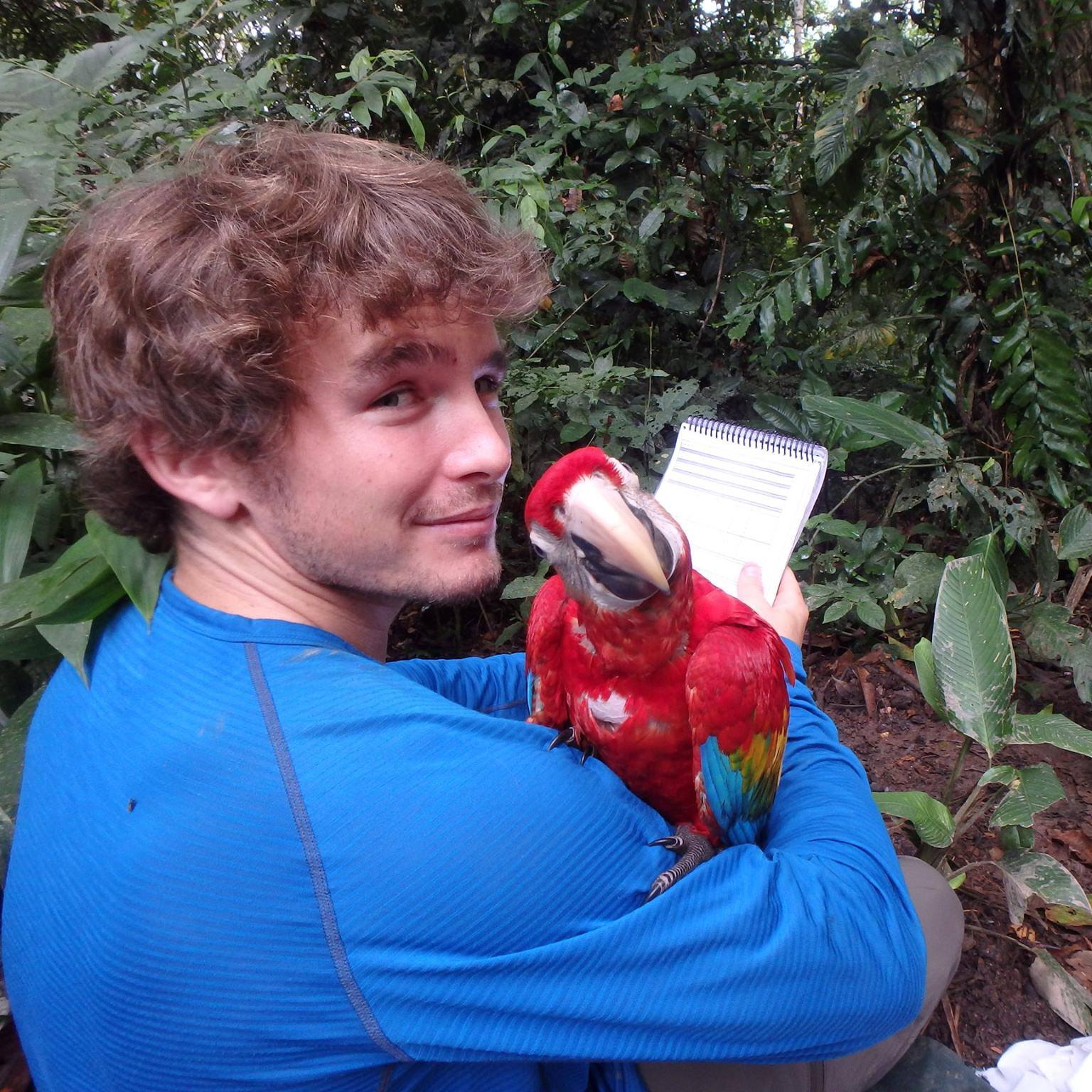
Tom Lloyd
- Postdoctoral Research Fellow, Global Ecosystems
- tom.lloyd@jcu.edu.au
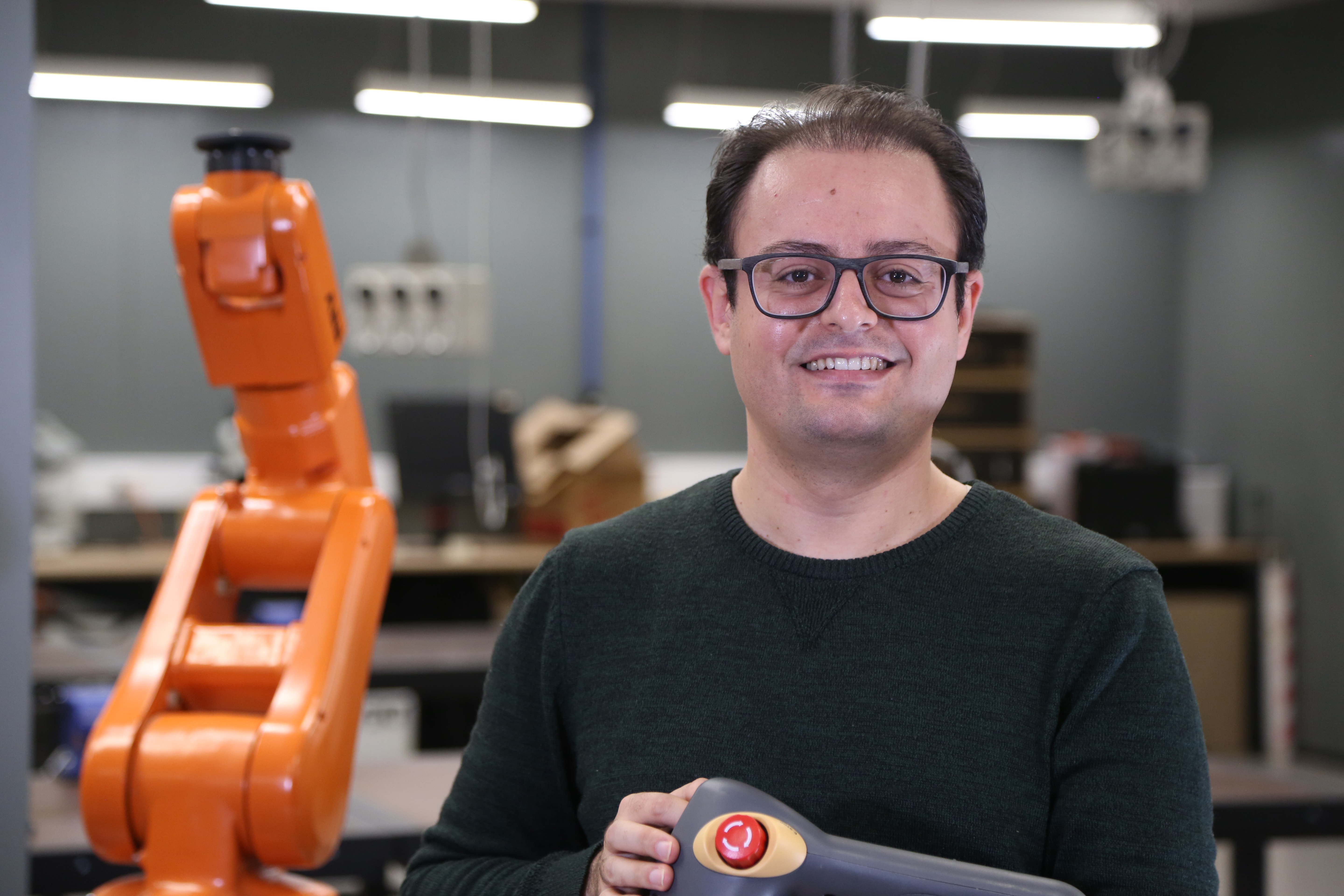
Mohamadreza Chalak Qazani
- Lecturer, Mechanical Engineering
- mohamadreza.chalakqazani@jcu.edu.au
Evolution, ecology, and genomics of a recent speciation event in a rainforest frog (Old ID 22201)
Conrad Hoskin
01 Sep 2015 - 31 Aug 2016
The Kuranda Treefrog (Litoria myola) is a critically endangered species restricted to rainforest in the Kuranda area. To conserve the Kuranda Treefrog we need to understand its evolutionary past and the key ecological factors that will determine its future. The Kuranda Treefrog is the most recent speciation event demonstrated in the Wet Tropics (occurred ~6,000 years ago) and one of the most recent globally. This project is a mix of pure and applied research that aims to resolve the origin and future of Kuranda Treefrog using detailed genetic analyses and ecological niche modelling.
Evolution, ecology, and genomics of a recent speciation event in a rainforest frog (Old ID 22201)
Megan Higgie
01 Sep 2015 - 31 Aug 2016
The Kuranda Treefrog (Litoria myola) is a critically endangered species restricted to rainforest in the Kuranda area. To conserve the Kuranda Treefrog we need to understand its evolutionary past and the key ecological factors that will determine its future. The Kuranda Treefrog is the most recent speciation event demonstrated in the Wet Tropics (occurred ~6,000 years ago) and one of the most recent globally. This project is a mix of pure and applied research that aims to resolve the origin and future of Kuranda Treefrog using detailed genetic analyses and ecological niche modelling.
Plasma polymers from natural extracts for wound healing applications (Old ID 27080)
Mohan Jacob
12 Jan 2021 - 30 Jun 2024
Radio Frequency Plasma Enhanced Chemical Vapour Deposition (RF-PECVD) will be used to fabricate thin films from natural extracts and study their wound healing properties. RF-PECVD is a promising strategy to incorporate the developed thin films from volatile natural extracs, and thereby find applications in wound dressings. Wound healing will be enhanced by the inhibition of pro-inflammatory cytokines and the promotion of cell proliferation. This research also addresses optimising the wound healing properties of the thin films and conditions at which the desirable properties can be preserved/enhanced, so it could be effectively modified in order to fit specific wounds.
Can parental care behaviour and breeding microhabitat protect Critically Endangered nursery frogs from rising temperatures on Wet Tropics mountaintops? (Old ID 28956)
Conrad Hoskin
01 Apr 2023 - 01 Aug 2024
Nursery frogs are terrestrial breeders with ‘direct development’ and the male stays with the eggs until hatching. While climate change is their biggest threat and their breeding biology of is very poorly known. I will study parental care across Nursery frog species, under varied environmental conditions in the field (low elevation, upland areas, heatwaves, drought) to uncover the details of nest choice and parental care. I will use non-invasive cameras, artificial shelters, and data loggers in natural nesting sites to determine how variation in parental behaviour impacts larval survival and differs between species and microhabitats under different climatic conditions.
Resolving the genetics of adaptation and speciation (Old ID 22899)
Megan Higgie
01 Sep 2016 - 31 Dec 2017
The project will greatly assist my career development by increasing my skills and impact in genomic research. Genomic data is currently produced in a process (via next generation sequencing) that results in unordered markers. However the majority can only be resolved with ordered markers (i.e. genes arranged along chromosomes). This project will provide a way to determine the genetic structure that underlies SNPs and other types of genomic data for non-model organisms in order to product ordered markers.
The Development of Procedures for Quantifying Prawn Allergens (Old ID 23528)
Ludwig Lopata
13 Mar 2017 - 31 Dec 2017
There is an increasing prevalence of food allergies world-wide with shellfish being one of the main food groups that provoke serious IgE-mediated adverse reactions. Shellfish allergy affects up to 2% of the world population, with higher prevalence seen in areas with high seafood consumption. Because of the high incidence of allergic reactions to prawns, the study focuses on this highly consumed shellfish species. The major allergenic proteins from prawns will be purified and monoclonal antibodies will be developed against them. These antibodies will be used to establish a sensitive and reproducible ELISA based quantification method for the prawn allergens.
Mitigation of Losses in Qld from Extreme Wind Events (Old ID 24934)
John Ginger
01 Jul 2017 - 30 Jun 2018
The objective of the project is to investigate and inform on aspects of building doles/standards and implementation to mitigate losses from extreme win events including Cyclones.
Understanding the ecological significance of fisheries-dolphin interactions along the Sindhudurg coast in Maharashtra, India. (Old ID 26602)
Helene Marsh
01 Sep 2020 - 22 Jan 2023
I aim to study the ecological significance of interactions between coastal fisheries and Indian Ocean humpback dolphins (Sousa plumbea) along the Sindhudurg coast of Maharashtra, India. I will use a multi-methods approach to record dolphin foraging behaviour and fisher perceptions towards their operational interactions with dolphins. This study will provide key insights on dolphin foraging strategies, space-use and the impact of dolphin interactions on the socio-economics of coastal fisheries to inform a holistic and inclusive conservation management strategy for S. plumbea. This project will be the first in India, to understand how dolphins survive and adapt to a fishery-dominated landscape.
Monitoring of avian influenza in samples collected from aquatic birds in North Queensland (Old ID 26870)
Paul Horwood
11 May 2020 - 29 Jan 2021
At least 576 fresh faecal samples from wild ducks and magpie geese will be collected as environmental samples in the Townsville region. Swabs in transport media and immediately transported to the laboratory. Samples will be pooled and nucleic acid extracted. The extracted nucleic acid will be screened using assays based on TaqMan that will detect avian influenza. Pools that react will be individually extracted and tested. Avian influenza isolates will be checked using TaqMan specific for H5 and H7. Should the samples react in these assays it will be sent to AAHL for further testing and the CVO will be notified. Sequencing on all isolates other than those reacting in H5 and H7 will be carried out to determine genotype and to confirm pathotype.
Ecological Impact of Antibiotic Resistance Released from the Cleveland Bay Purification Plant using Marine Turtle Species (Old ID 26730)
Robert Kinobe
31 Jan 2020 - 31 Dec 2025
Cleveland Bay is a grazing ground for turtle species. Cleveland Bay Purification plant (CBPP) treats waste that may contain a variety of antibiotics. This study aims to determine the prevalence and distribution patterns of antibiotic resistant genes in the CBPP effluent and in the immediate receiving environment. Marine turtles in Cleveland Bay will be used to determine the localized impacts of both antibiotics and antibiotic resistant genes as compared to resident turtles from a pristine environment. This study will provide valuable insight into the direct effect that antibiotics and ARG’s in WWTP effluent have on ecological health and ecological risk.
Organic matter, sodicity and soil structure
- 1998
- Oxford University Press
- Researchers:Paul Nelson
Argument free clustering via boundary extraction for massive point-data Sets
- 2002
- Researchers:Ickjai Lee
Start Date:
01 Jan 2010
Start Date:
01 Jan 2007
Start Date:
01 Jan 2024
End Date:
01 Jan 2011
Start Date:
01 Jan 2023
Title:
Best Paper Award - 2023 International Conference on Maintenance and
Intelligent Asset Management
Start Date:
01 Jan 2023
Start Date:
01 Jan 2021
Start Date:
01 Jan 2022
Start Date:
01 Jan 2020
Start Date:
01 Jan 2022