
College of Science & Engineering

Sophia Love
- Doctor of Philosophy (Natural and Physical Sciences)
- sophie.love@jcu.edu.au
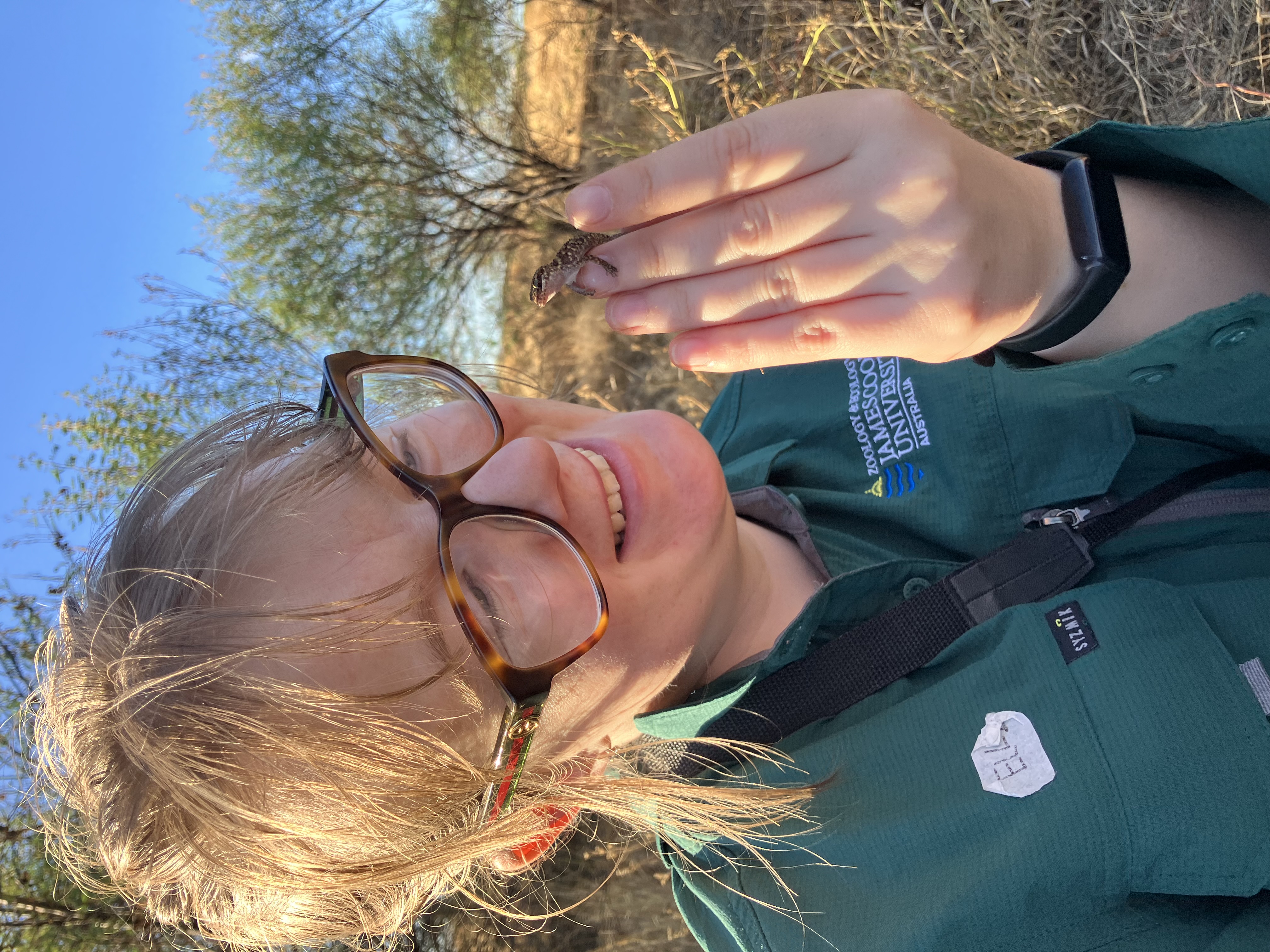
Elle Robertson
- Doctor of Philosophy (Agriculture, Environmental and Related Studies)
- elle.robertson@jcu.edu.au
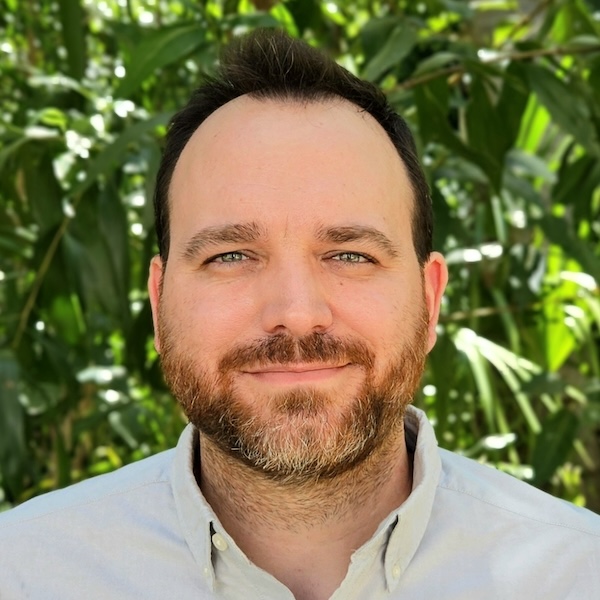
Romain Vaucher
- Senior Lecturer, Sedimentology
- romain.vaucher@jcu.edu.au

Jenny Fisher
- Associate Dean, Learning and Teaching
- jenny.fisher@jcu.edu.au

Ambili Narayanan
- Doctor of Philosophy (Natural and Physical Sciences)
- ambili.narayanan@my.jcu.edu.au

Sarfaraz Ali
- Postdoctoral Research Fellow
- sarfaraz.ali@jcu.edu.au

Mikaeylah Davidson
- Postdoctoral Research Fellow
- mikaeylah.davidson@jcu.edu.au
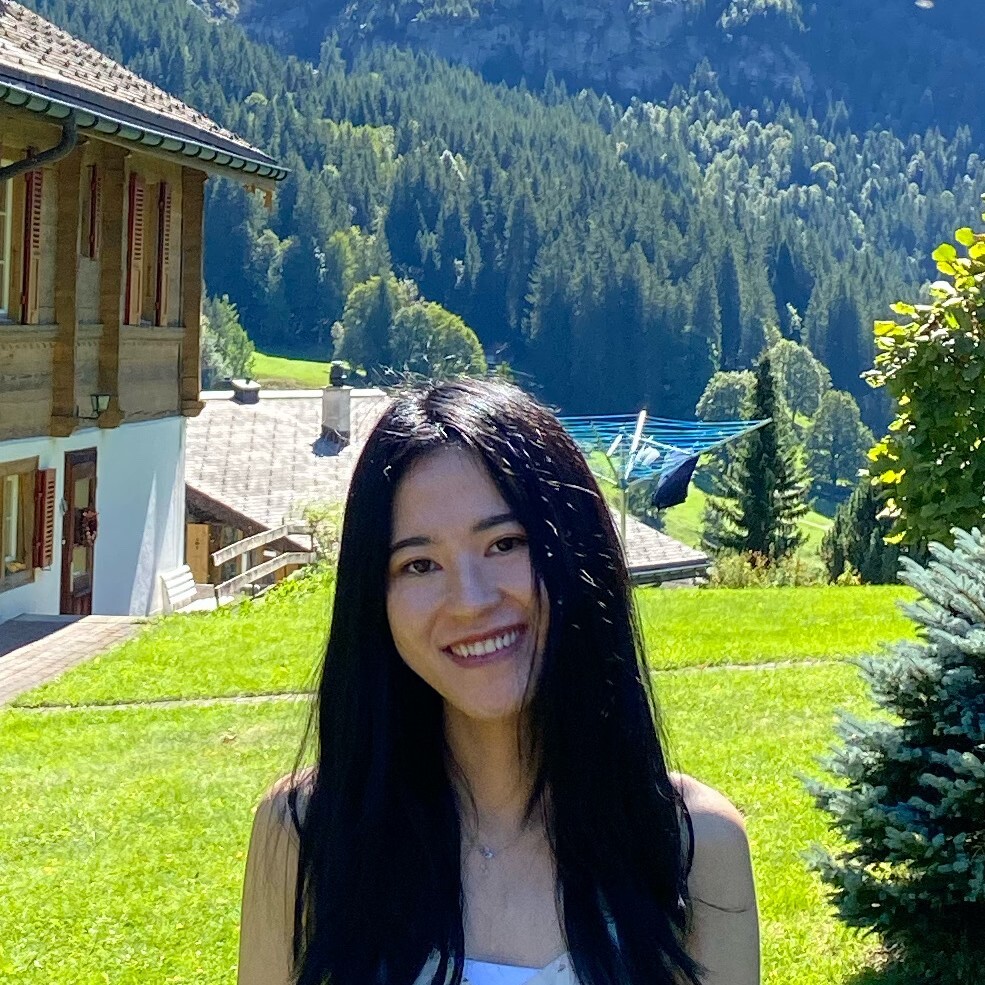
Liuxin Chen
- Lecturer
- liuxin.chen@jcu.edu.au
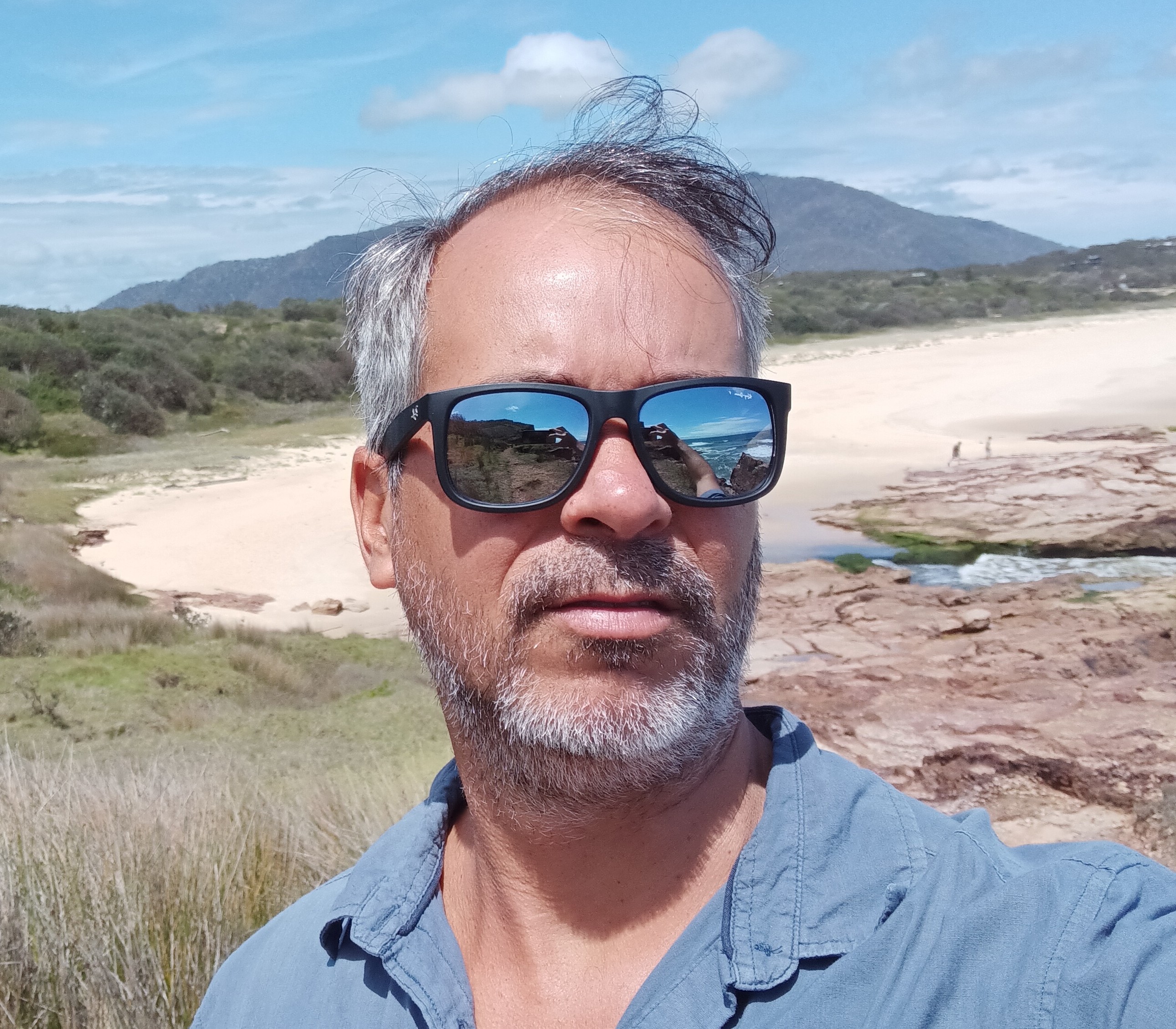
Rafael Cabral Carvalho
- Lecturer, Marine Geoscience
- rafael.cabralcarvalho@jcu.edu.au
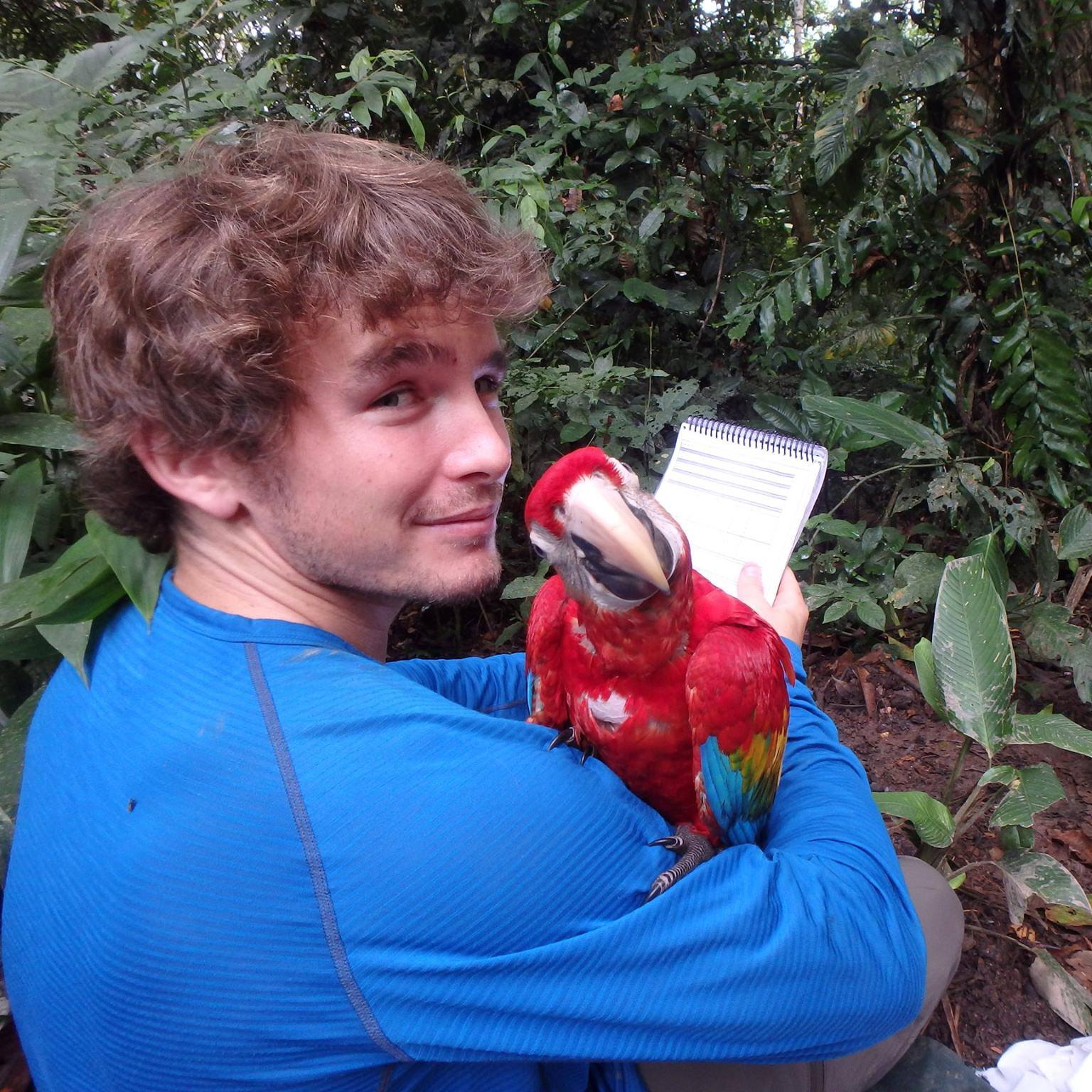
Tom Lloyd
- Postdoctoral Research Fellow, Global Ecosystems
- tom.lloyd@jcu.edu.au
Improving outcomes for patients with muscle wasting disease and liver cancer - SERTA Capacity Research Grant. (Old ID 28986)
The funding of a Research Assistant and the performance of work by the Research Assistant in connection with a program of work undertaken by the Cancer and Metabolism Group within the College of Public Health, Medicine and Veterinary Science aimed at improving outcomes for patients with muscle wasting disease and liver cancer.
2020 IBM PhD Fellowship (Old ID 26834)
To contribute to current efforts towards highly efficient hardware implementations of augmented neuromorphic architectures for edge devices using FPGAs and memristive devices.
Identification and Restoration of Intertidal Fish Nursery Habitat in the Baffle Catchment (Old ID 22982)
This project aims to identify high intertidal fish nursery habitat pools in the Baffle Drainage Basin (BDB), assess their value to fish, evaluate the current state of their functionality, prioritise pools for restoration and identify viable restoration solutions. By involving local stakeholders, local government, regional NRM and State Government scientists and managers, a network of users will gain an understanding of how these habitats function and can be restored, based upon this baseline research.
Electron transport and scattering within the plasma-liquid interface (Old ID 27888)
The synergistic interaction of low-temperature plasmas with liquids and biological matter has unearthed various technological applications in water treatment, agriculture, biofuels and medicine. Predicitive control of these multiphase plasmas is essential to unlocking the potential of these applications, and this requires predictive models. The absence of the relevant non-equilibrium transport theory describing electrons in these multiphase environments together with fundamental data describing electron interactions with biological and liquid matter severely limits this. The project will develop a state of the art transport model informed by world first measurements of electron cross-sections for biomolecules, radicals and liquids.
Improving water quality for the Great Barrier Reef and wetlands by better managing irrigation in the sugarcane farming system (Old ID 23136)
This project will work in partnership with industry, extension, NRM, research and government organisations to develop and deploy an irrigation system that is automatically controlled by remotely accessing feedback from the IrrigWeb decision support tool. Irrigweb provides optimal irrigation schedules on a paddock-by-paddock basis by linking information abut climate, soils and management regimes. If new water quality targets as specified in the revised Burdekin Water Quality Improvement Plan are to by met by 2025, it will be critical to establish pathways that enable industry partners to capitalise on new technologies.
Recovery of the Great Barrier Reef. (Old ID 26455)
This project investigates the potential for restoration of reef ecosystems around Magnetic Island. Linked with Earthwatch Australia, it is a citizen science-based project that engages volunteers to help remove macroalgae and monitor changes in coral recruitment, sediment dynamics, community composition, algae regrowth rates, and coral biology, with the hopes that removal of algae leads to an increase in coral cover. The project is an extension of a previous project which accumulated 7 years of base line data on demographic recovery dynamics of corals at Orpheus Island.
Biosecurity in northern Australian prawn aquaculture (Old ID 25021)
This project addresses biosecurity risk through conducting the first comprehensive and widespread biosecurity audit of Australian prawn farms. This project has two components. The first is to conduct a biosecurity metanalysis using traditional and molecular diagnostic tools to establish what pathogens currently occur on prawn farms and how they relate to productivity. Secondly, once the pathobiome is established the project will formulate a risk management strategy for industry and provide on-farm biosecurity training. Understanding the risk of disease, and increased capacity to detect and monitor on-farm, will lead to more effective management practices for northern Australian prawn aquaculture.
Functional connectivity in pinnacle-reef mesopredator fishes: ecological considerations for fisheries management (Old ID 25132)
This project aims to determine habitat use and residency patterns in key coral reef mesopredatory fishes large carnivores, themselves subject to predation). The study will take place in Kimbe Bay, West New Britain, Papua New Guinea, a location identified by the Nature Conservancy as critical for preserving marine biodiversity in the Coral Triangle. Acoustic telemetry (underwater radio receivers) will be used to investigate three important species and the study will provide critical information about how these organisms utilise a range of habitats in the region. Project findings should prove invaluable for future conservation and sustainability planning for the region.
Stronger surveillance and systems support for rapid identification and containment of resurgent or resistant vector borne pathogens in Papua New Guinea. (Old ID 26446)
This project is aimed at stronger surveillance and systems support for rapid identification and containment of resurgent or resistant vector borne pathogens in Papua New Guinea. The subcontract to JCU includes a specific work package on arbovirus and malaria mosquito surveillance.
Research to inform yellow crazy ant management in the Wet Tropics (Old ID 26714)
Continuation and consolidation of four years of scientific activities to support yellow crazy ant eradication in the Wet Tropics (data analysis, monitoring non-target effects of baiting, probability of detection).
Population productivity of shovelnose rays: inferring the potential for recovery
- 2019
- Public Library of Science
- Researchers:Colin Simpfendorfer
Returning a lost process by reintroducing a locally extinct digging marsupial
- 2019
- PeerJ, Ltd.
- Researchers:Iain Gordon
Securing a just space for small-scale fisheries in the blue economy
- 2019
- Frontiers Research Foundation
- Researchers:Terry Hughes
Toward a coordinated global observing system for seagrasses and marine macroalgae
- 2019
- Frontiers Research Foundation
- Researchers:Helene MarshLen McKenzie
Animal-borne telemetry: an integral component of the ocean observing toolkit
- 2019
- Frontiers Research Foundation
- Researchers:Colin Simpfendorfer
Start Date:
01 Jan 2024
End Date:
01 Jan 2024
Title:
Animal Ethics Committee, JCU
Start Date:
01 Jan 2025
Title:
Veterinary Home Group, JCU
Start Date:
01 Jan 2025
Start Date:
01 Jan 2006
Title:
PhD in Natural and Physical Sciences (Discipline of Ecology and Evolution), James Cook University
Start Date:
01 Jan 2020
End Date:
01 Jan 2024
Start Date:
01 Jan 2014
End Date:
01 Jan 2018
Start Date:
01 Jan 2014
Title:
Fellow, Advance HE
Start Date:
01 Jan 2022
Start Date:
01 Jan 2012
End Date:
01 Jan 2016
Start Date:
01 Jan 1991
End Date:
01 Jan 1996