
Tropical Water & Ecosystems

Scott Morrissey
- Research Officer
- scott.morrissey@jcu.edu.au
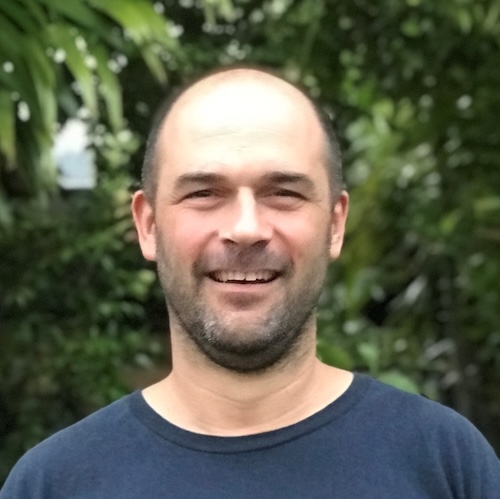
Tim Smith
- Senior Research Officer
- tim.smith2@jcu.edu.au
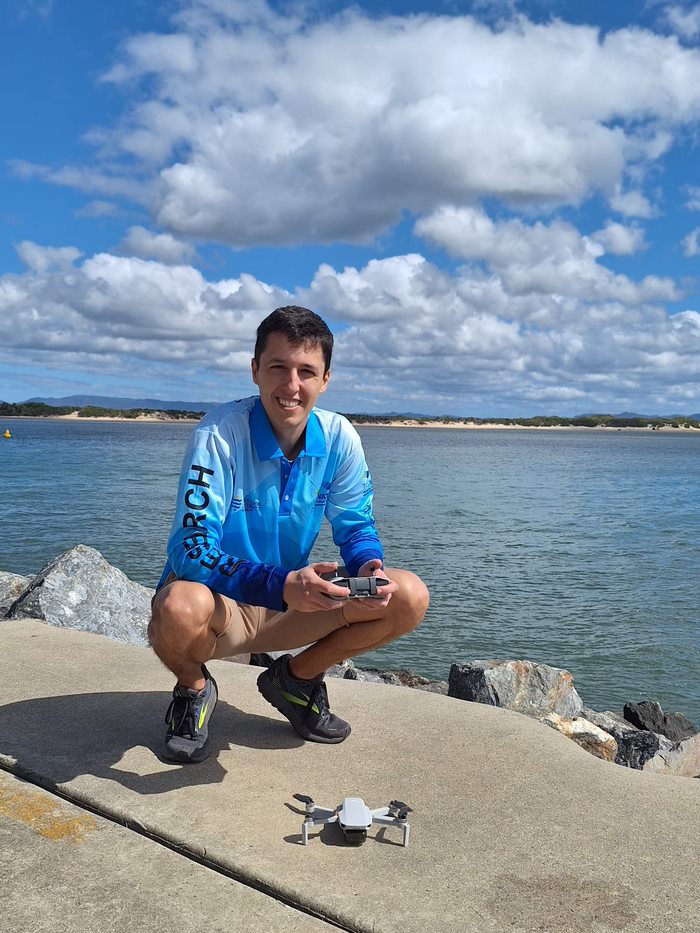
Alejandro Navarro Otero
- Casual Research Worker
- alejandro.navarrootero@jcu.edu.au
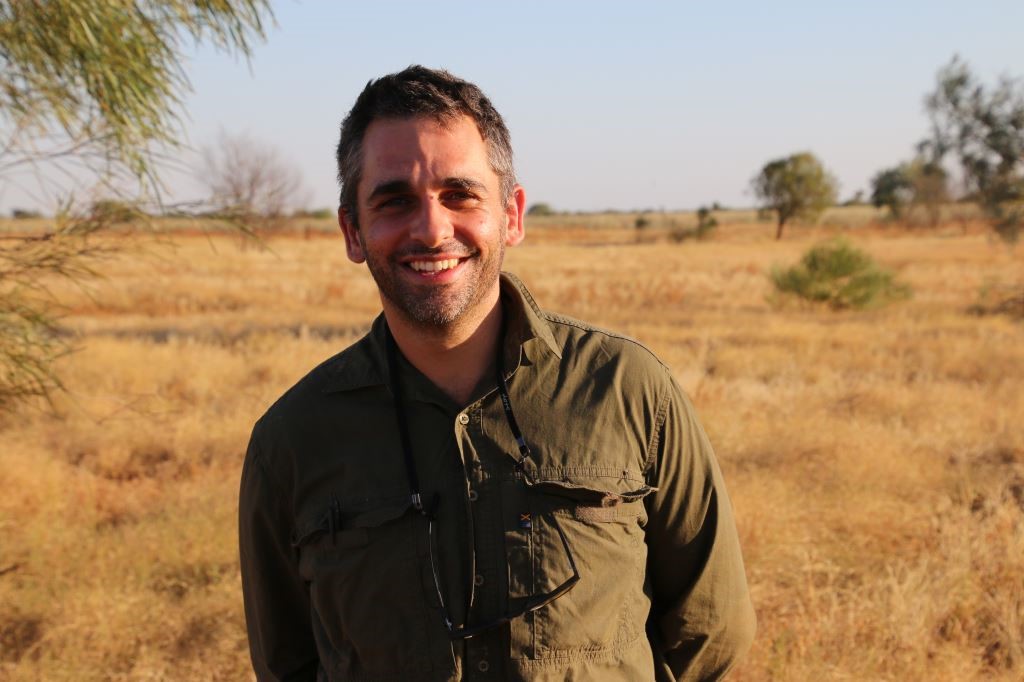
Jack Koci
- Principal Research Officer
- jack.koci1@jcu.edu.au

Sarah McDonald
- Senior Research Officer
- sarah.mcdonald@jcu.edu.au
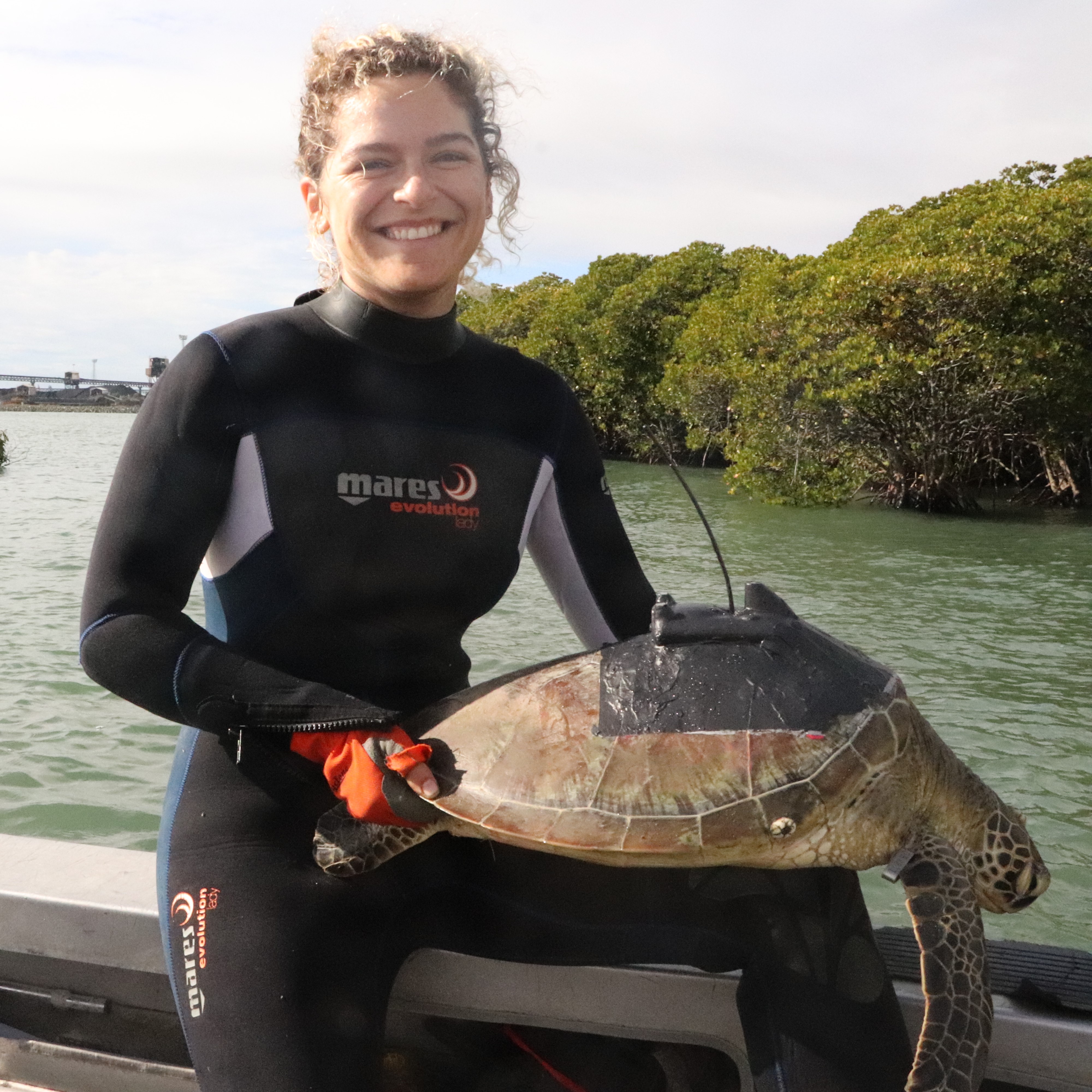
Emily Webster
- Research Officer
- emily.webster1@jcu.edu.au

Abbi Scott
- Senior Research Officer
- abbi.scott1@jcu.edu.au

Catherine Collier
- Principal Research Officer
- catherine.collier@jcu.edu.au

Rob Coles
- Principal Research Scientist
- rob.coles@jcu.edu.au

Aaron Davis
- Principal Research Officer
- aaron.davis@jcu.edu.au
Gunggandji-Mandingalbay Yidinji Prescribed Body Corporate – L&S GBR Grant Program: GMY Sea Country Project: Creating healthy sea country through building partnerships, connections, and capacity
This project will continue to build Gunggandji and Mandingalbay Yidinji Rangers capacity, skills and leadership to empower them to connect, care for, enhance and implement on-ground activities in our Sea Country and the GBR that specifically contribute to monitoring, improving and protecting the health and resilience of important habitats and culturally and environmentally significant threatened species, and guide future management of environmental cultural heritage associated with the GBR.
Best practice coral restoration for the Great Barrier Reef (Old ID 24990)
Great Barrier Reef (GBR) continues to degrade, pressure is growing for direct interventions to assist the recovery of corals at important sites. This project will (1) summarise and evaluate the success of coral restoration and assisted recovery techniques worldwide (2) identify the techniques most likely to help the GBR and experimentally test the most promising techniques, (3) come up with best practices for post-impact coral reattachment and reorientation and (4) explore options for training courses, offset models and Indigenous employment.
Future proofing and restoring Australia’s tropical seagrasses (Old ID 27805)
This project aims to develop and apply a comprehensive framework for restoration of Australian tropical seagrasses using innovative approaches and partnerships. The project expects to provide coastal managers with tools to mitigate and restore seagrass to minimise effects of climate and development related loss, protecting ecosystem services measured in hundreds of millions of dollars. Expected outcomes include new techniques for tropical seagrass restoration, a blueprint for seagrass friendly marine infrastructure, and restoration decision tools applied at local and regional scales. This will provide significant benefits by protecting seagrass ecosystem services and place Australia at the forefront of global seagrass restoration efforts.
Monitoring Survival and Recovery of Shorelines. (Old ID 21926)
This project is to assess and monitor the health of tidal wetlands (mangroves, salt marsh and saltpans) in the Port Curtis and Port Alma areas. These Port locations have been subject to dredging and other activities associated with intensive port infrastructure development. The project will provide a baseline against which future changes can be referenced. It will include high resolution and NDVI mapping of tidal wetlands, shoreline condition assessment using oblique aerial image acquisition and boast-based horizontal image acq1uisition as well the establishment of public entry data and image access portals to display the results of this mapping. The use of community and in particular indigenous Australian rangers will also be incorporated into the field components of this project.
Improving coral condition through better-informed resilience-based management (Old ID 26962)
Resilience-based management and integrated monitoring and reporting through the Reef Integrated Monitoring and Reporting (RIMRep) program are key initiatives for managing the Great Barrier Reef (GBR) ecosystem. A wide range of NESP TWQ Hub projects have focused on resilience-based management and decision making for maintaining and improving coral reef condition in the GBR. These projects directly contribute to the goals outlined in the Great Barrier Reef Blueprint for Resilience (2017) and support the development of RIMRep. Many of these research investments are in direct response to the 2016-17 mass thermal bleaching events. This synthesis will bring together the learnings of many research projects and initiatives driven by the same goals into a succinct coherent story.
Water Quality & Environmental Research to Support Townsville City Council (Old ID 26868)
Townsville City Council are seeking advice and support to improve the water quality in the local lakes and rivers under their jurisdiction. They are investigating innovative and sustainable options to improve water quality and reduce weed infestations and require scientific advice and support to complete this work.
Review of water quality monitoring and evaluation for DIN-focused projects. (Old ID 27773)
Our team will coordinate and provide technical support across all the Reef Trust Partnership (RTP) dissolved inorganic nitrogen (DIN) and pesticide projects that involve water quality (WQ) monitoring managed by the Great Barrier Reef Foundation. The purpose of the work is to ensure that the overall approach - including project design, equipment selection, sampling methods and analysis - is fit-for purpose and (to the extent appropriate) consistent across projects and programs. We will also ensure that project findings are communicated effectively and consistently.
CSIRO - Reef Trust Technical Support (2023061315) (Old ID 30052)
The Landscape Repair Program is designed to build on the outcomes of the Reef Trust Phase IV investment, focusing on reduction of sediments through remediation of streambank and gully erosion. JCU-TropWATER will provide technical support and review during the initial program design phase.
2022 Scientific Consensus Statement / Review of Water Quality Targets Projects (Old ID 27867)
Project Part A: Lead authors selected to deliver synthesis of evidence for assigned questions forming the 2022 Scientific Consensus Statement Project Part C: Review of the GBR end of catchment water quality (sediment and nutrient) targets.
Seagrass Growth and Diversity: Attributes of a Resilient GBR (Old ID 21848)
The 'Growth' attribute will be carried into Phase II for pilot-scale testing and incorporation into the Reef Resilience Index, while the 'Diversity' attribute will continue as a feasibility study. "Growth' will be predicted using the photosynthesis to respiration ratio (P:R), which indicates energetic status and seagrass populations at risk. The predictive capacity of the model will be tested through pilot-studies into P:R and other growth indicators. Diversity, including genetic and species diversity, show preliminary evidence they respond in the ways relating to climate change. This proposal includes the design of a monitoring framework and leverages off existing data sources to maximise cost-effectiveness.
Start Date:
01 Jan 2009
End Date:
01 Jan 2026
Start Date:
01 Jan 2009
End Date:
01 Jan 2030
Start Date:
01 Jan 2014
End Date:
01 Jan 2030
Start Date:
01 Jan 2021
End Date:
01 Jan 2025
Start Date:
01 Jan 1981
End Date:
01 Jan 1984
Start Date:
01 Jan 1986
End Date:
01 Jan 1988
Start Date:
01 Jan 1973
End Date:
01 Jan 1973
Start Date:
01 Jan 2024
Start Date:
01 Jan 2022
End Date:
01 Jan 2023
Title:
Conference co-chair
Start Date:
01 Jan 2023
End Date:
01 Jan 2023