
Tropical Water & Ecosystems
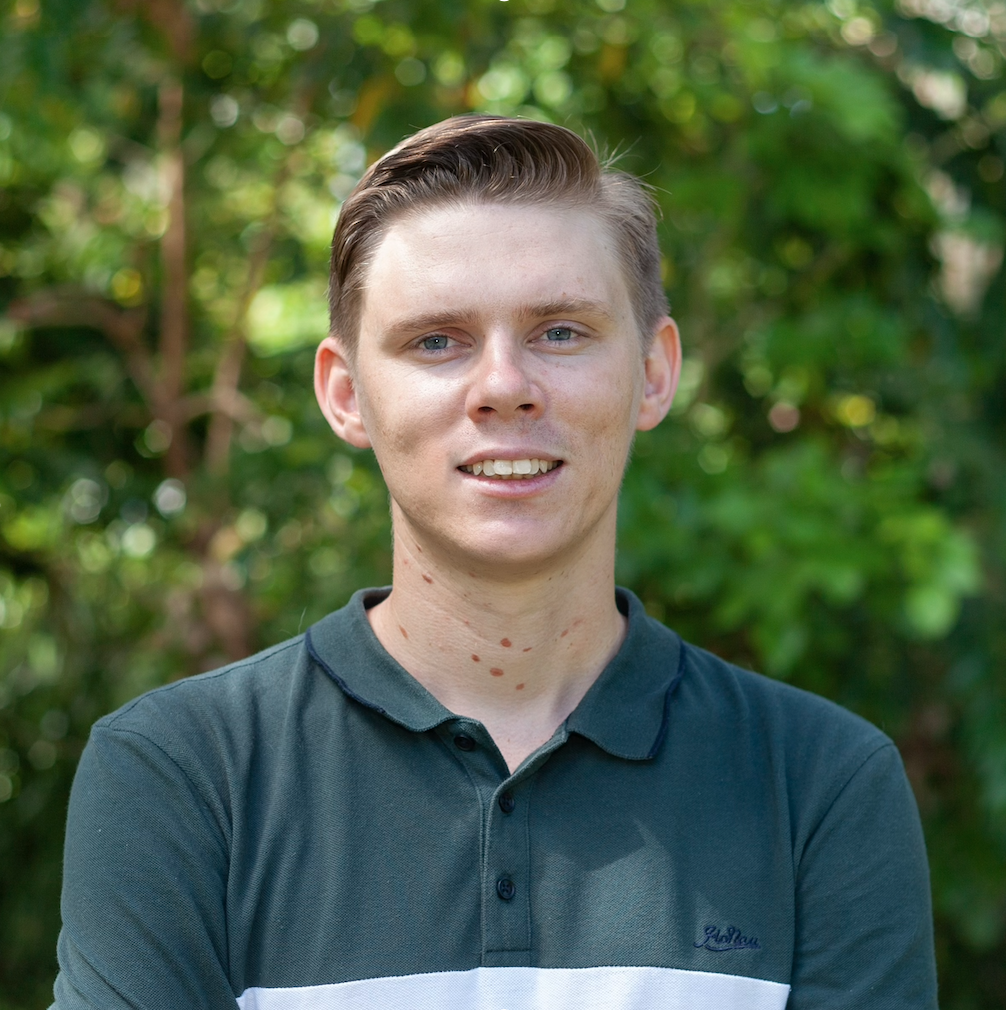
Scott Morrissey
- Research Officer
- scott.morrissey@jcu.edu.au
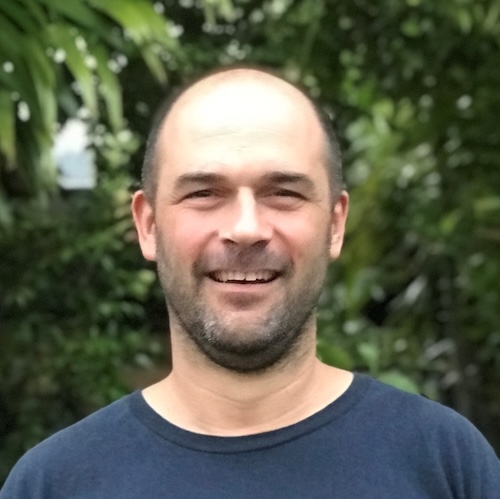
Tim Smith
- Senior Research Officer
- tim.smith2@jcu.edu.au
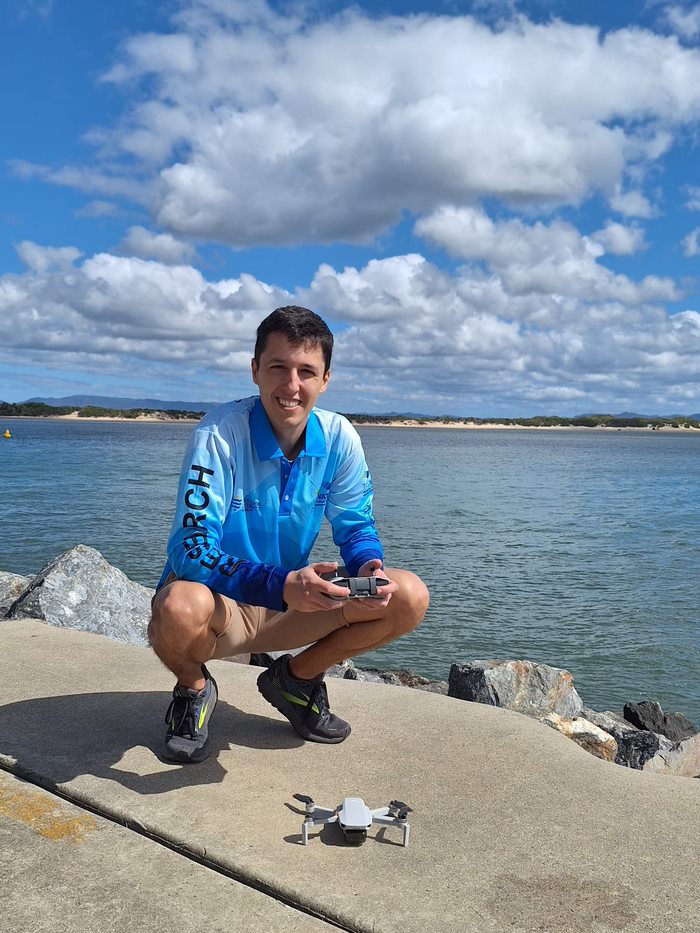
Alejandro Navarro Otero
- Casual Research Worker
- alejandro.navarrootero@jcu.edu.au
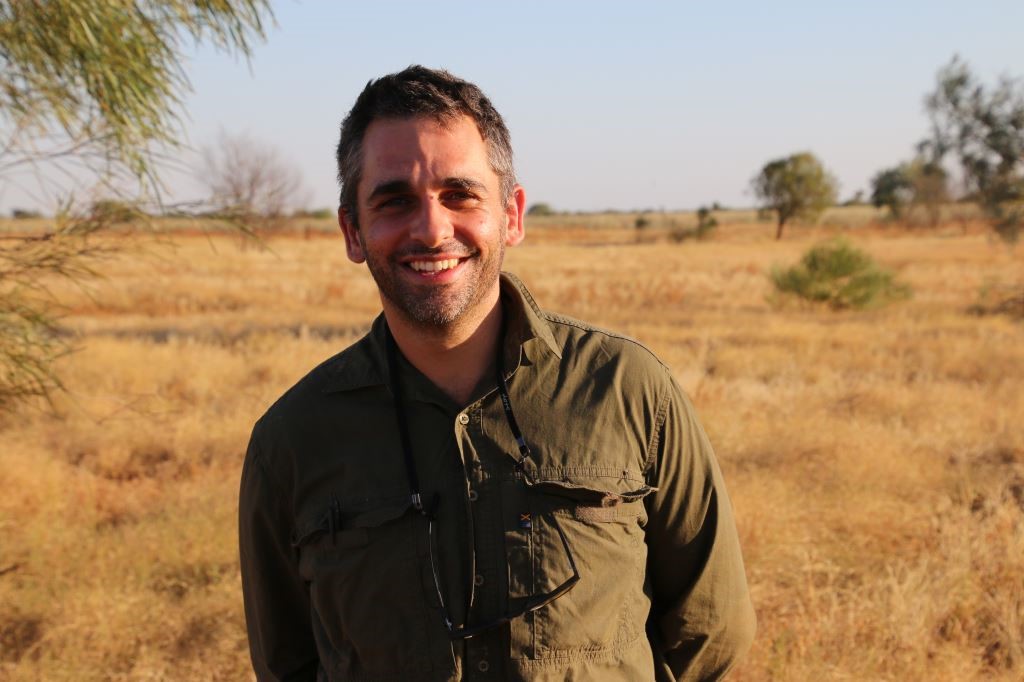
Jack Koci
- Principal Research Officer
- jack.koci1@jcu.edu.au
Sarah McDonald
- Senior Research Officer
- sarah.mcdonald@jcu.edu.au
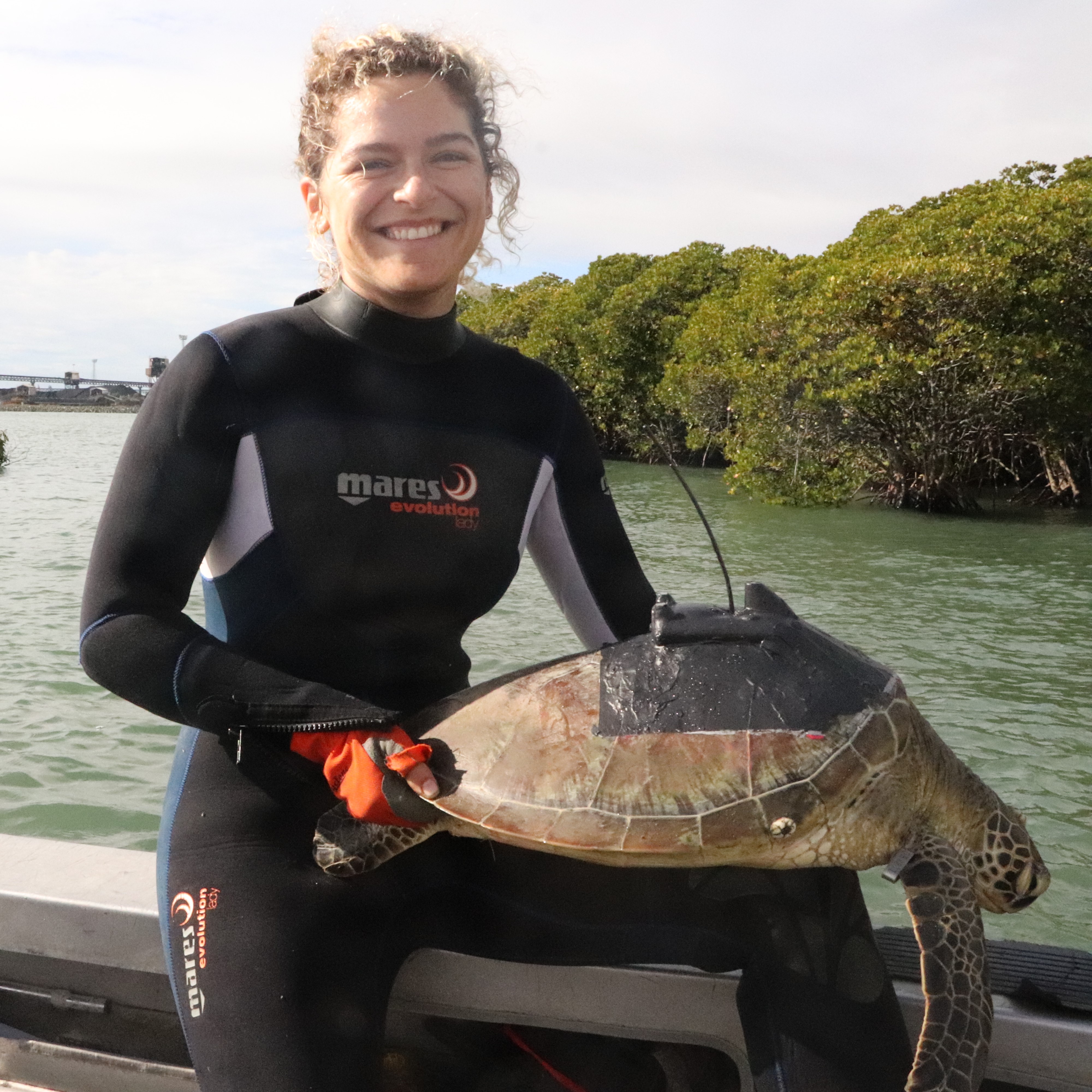
Emily Webster
- Research Officer
- emily.webster1@jcu.edu.au

Abbi Scott
- Senior Research Officer
- abbi.scott1@jcu.edu.au

Catherine Collier
- Principal Research Officer
- catherine.collier@jcu.edu.au

Rob Coles
- Principal Research Scientist
- rob.coles@jcu.edu.au

Aaron Davis
- Principal Research Officer
- aaron.davis@jcu.edu.au
HPCT Berth 1 Upgrade – Marine Benthic Habitat Assessment. (Old ID 27895)
Skye McKenna
19 Jan 2023 - 28 Feb 2023
Advisian have engaged TropWATER to undertake a survey to determine the presence/absence of marine plants within and adjacent to the extension proposed at HPCT Berth 1, located at the Port of Hay Point. Specifically, the survey requires assessment of marine plant distribution in the area proposed for expanded dredging.
Investigating fine-scale habitat use of rays in high-value intertidal nurseries. (Old ID 28989)
Jaelen Myers
01 May 2023 - 01 Mar 2024
Project aims to understand fine-scale habitat use of stingrays on intertidal sandflats. Data on abundances, species composition, and habitat use are being collected via drone assessments, and hands-on capture is being conducted to study diet and assess how foraging shapes habitat use.
Investigating the Effects of Seagrass productivity on pH at Local Scales (Old ID 20928)
Catherine Collier
01 Jul 2013 - 31 Jul 2016
During photosynthetic uptake of carbon, seagrasses modify seawater chemistry (reduce DIC and increase pH) and "buffer" against OA at local scales. Furthermore, seagrass meadows are likely to increase their productivity as DIC increases because they can be carbon limited. This project will be undertaken by a PhD candidate who will measure seagrass productivity and its effects on seawater chemistry in a range of
NESP 7.1 - Continuity Proposal for ‘Project 25’ – Farmers, Water Quality and On-Farm Decision-Making (Old ID 27131)
Aaron Davis
01 Feb 2021 - 31 Mar 2021
Landholder concerns surrounding the credibility of broad-scale water quality monitoring and modelling initiatives in the GBR catchment area has emerged as one of the major cane industry engagement challenges for promoting significant farming practice change, and delivering water quality improvements. Based around small, sub-catchment scale water quality monitoring in a key cane growing region of the GBR catchment, Project 25 successfully utilised a bottom-up approach to integrated sub-catchment monitoring and intervention to identify ‘hot spot’ sub-catchments through localised water quality monitoring. In a collaborative programs between scientists from a range of organisations (JCU, CSIRO) and cane farming stakeholders, the Project emphasised industry ownership and control of monitoring design, and delivery of locally targeted water quality data and extension effort to provide confidence in on-farm decision making and facilitate practice change.
Mapping Yanyuwa Sea Country - Intertidal (Old ID 27848)
Alexandra Carter
25 Sep 2022 - 05 Dec 2022
This sub-project is a collaboration of specialists from James Cook University and Charles Darwin University. The team will survey the intertidal marine benthic habitats within Yanyuwa sea country. A baseline seagrass survey and ongoing monitoring will provide an opportunity for Traditional Owners to engage in the developing blue carbon economy and empower Yanyuwa people in decision-making in local resource use.
International Travel Support - INQUA 2019 (Old ID 26424)
Emma Rehn
04 Apr 2019 - 01 Sep 2019
Funding to support international travel to attend and present at the 20th International Quaternary Association Congress in Dublin, Ireland. Oral presentation of PhD results in palaeoenvironmental science.
Short Term Run-Off Studies on Conventional Knockdowns and Emerging Herbicides in the Burdekin (Old ID 21495)
Aaron Davis
01 Jul 2014 - 01 Jul 2016
Because of the characteristic furrow irrigation practises utilised in the lower Burdekin region, significant losses of herbicides into local waterways pose some of the highest risks to any receiving water bodies in the Great Barrier Reef catchment, particularly during the dry season when dilution effects are minimal. Despite substantial investment in practice changes such as improved application technologies (such as shielded sprayers), there has been minimal quantification of benefits to water quality from this funding. This study will compare water quality effects of traditional herbicide application techniques with emerging precision sprayer technologies in furrow irrigated farming systems of the lower Burdekin.
Torres Strait Ugar Island and Dugong Sanctuary Survey (Old ID 27471)
Alexandra Carter
23 Dec 2021 - 01 May 2023
This project has two objectives: 1. To map intertidal reef-top and island benthic habitat, including seagrass, coral and algae, of Ugar Island and surrounding Reefs. We will identify the most important seagrass habitats in this region and compare results with recently mapped seagrass in the Kemer Kemer Meriam Nation and Torres Strait Central Cluster Islands. 2. Survey subtidal seagrass and other benthic communities, and fish communities, in the West Cape York Marine Park/ Southern Dugong Sanctuary to increase understanding of traditional knowledge and collaborate with Indigenous rangers and Traditional Owners to undertake marine park management, such as mapping and monitoring. We will identify any changes/trends in the extent, health and diversity of seagrass meadows.
Mapping Yanyuwa Sea Country - Boat. (Old ID 27872)
Catherine Collier
25 Sep 2022 - 15 Dec 2024
This project is a collaboration of specialists including the Yanyuwa Traditional Owners and li-Anthawirriyarra Sea Rangers, scientists from James Cook University, Charles Darwin University and the Australian Institute of Marine Science, and Northern Territory Parks. The team will survey the subtidal marine benthic habitats within Yanyuwa sea country. Using data from the survey and other available information, rangers and scientists will work together to determine priority management areas and identify opportunities for broader community engagement in the management of sea country.
Reef Restoration and Adaptation Program Design Phase (Old ID 25036)
Ian McLeod
01 Dec 2017 - 06 Dec 2019
The RRAP Design Phase seeks to deliver a business case for government, industry and private investment, the primary objective of which is to develop reef restoration and adaptation technologies that can be applied at scale, within affordability and practicality limits, to retain key functional attributes of the Great Barrier Reef. This project will contribute JCU expertise to evaluating coral restoration methods, undertaking regulatory and institutional environment mapping required for restoration to occur and an analysis of the viewpoints and engagement of stakeholders in reef restoration.
Combating ecosystem collapse from the tropics to the Antarctic
- 2021
- Blackwell Publishing
- Researchers:Norm Duke
Environmental DNA analysis confirms extant populations of the cryptic Irwin’s turtle within its historical range
- 2022
- BioMed Central
- Researchers:Cecilia Villacorta Rath
Space-use patterns of green turtles in industrial coastal foraging habitat: Challenges and opportunities for informing management with a large satellite tracking dataset
- 2022
- Wiley-Blackwell
- Researchers:Emily WebsterMark HamannStephanie Duce
The role of hydraulic failure in a massive mangrove die-off event
- 2022
- Frontiers Research Foundation
- Researchers:Lucas CernusakNorm Duke
Scientific response to a cluster of shark bites
- 2022
- John Wiley & Sons
- Researchers:Michael BradleyBethany SmithAmy DiedrichNicolas Lubitz
Start Date:
01 Jan 2009
End Date:
01 Jan 2026
Start Date:
01 Jan 2009
End Date:
01 Jan 2030
Start Date:
01 Jan 2014
End Date:
01 Jan 2030
Start Date:
01 Jan 2021
End Date:
01 Jan 2025
Start Date:
01 Jan 1981
End Date:
01 Jan 1984
Start Date:
01 Jan 1986
End Date:
01 Jan 1988
Start Date:
01 Jan 1973
End Date:
01 Jan 1973
Start Date:
01 Jan 2024
Start Date:
01 Jan 2022
End Date:
01 Jan 2023
Title:
Conference co-chair
Start Date:
01 Jan 2023
End Date:
01 Jan 2023