
Tropical Water & Ecosystems
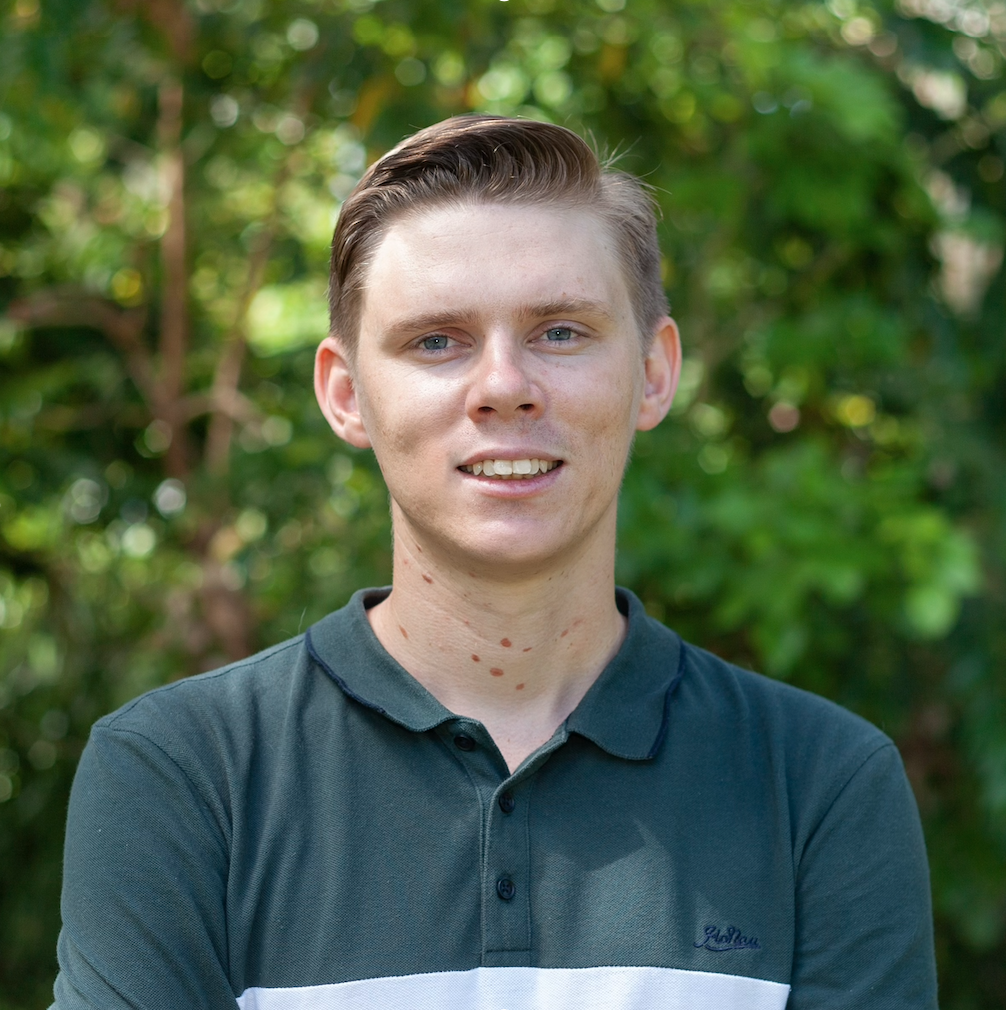
Scott Morrissey
- Research Officer
- scott.morrissey@jcu.edu.au
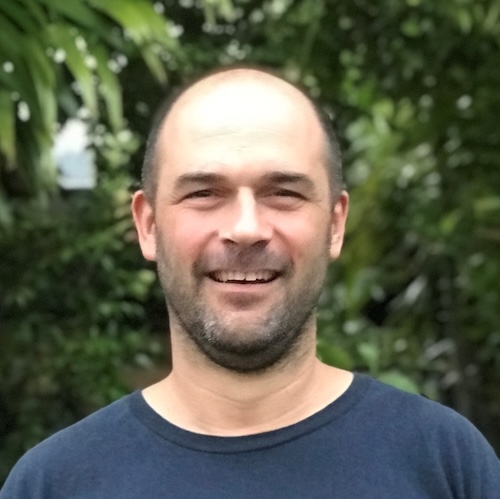
Tim Smith
- Senior Research Officer
- tim.smith2@jcu.edu.au
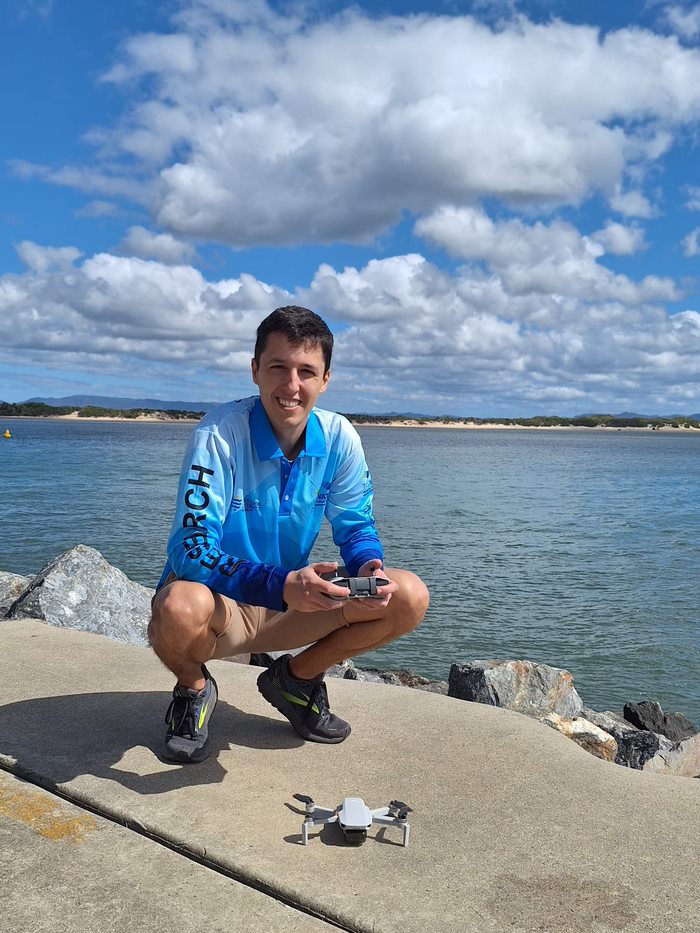
Alejandro Navarro Otero
- Casual Research Worker
- alejandro.navarrootero@jcu.edu.au
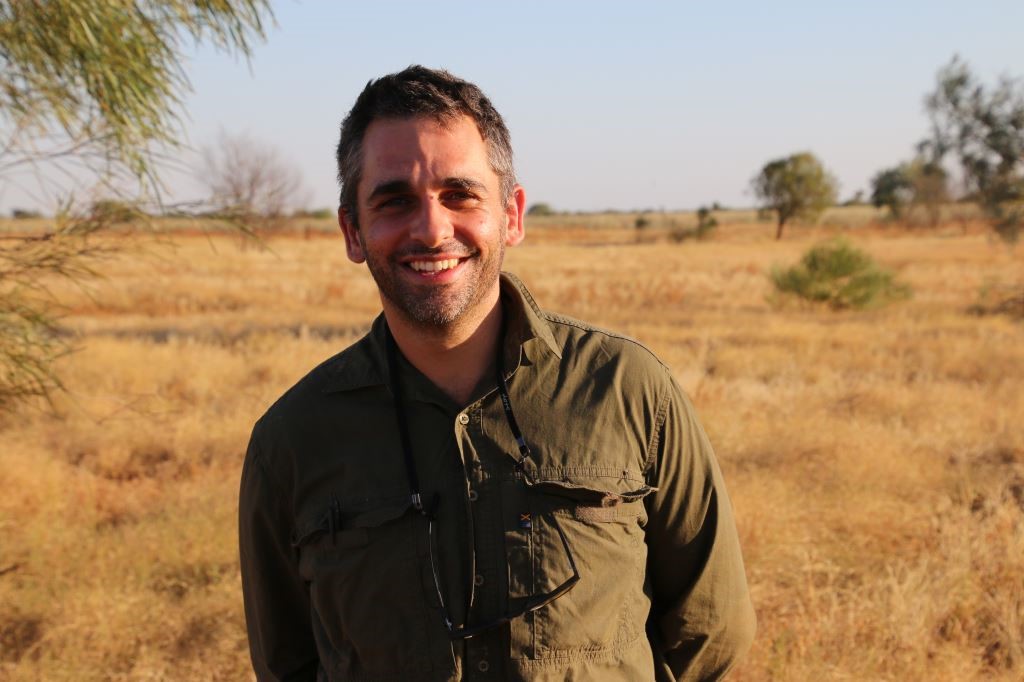
Jack Koci
- Principal Research Officer
- jack.koci1@jcu.edu.au
Sarah McDonald
- Senior Research Officer
- sarah.mcdonald@jcu.edu.au
Emily Webster
- Research Officer
- emily.webster1@jcu.edu.au

Abbi Scott
- Senior Research Officer
- abbi.scott1@jcu.edu.au

Catherine Collier
- Principal Research Officer
- catherine.collier@jcu.edu.au

Rob Coles
- Principal Research Scientist
- rob.coles@jcu.edu.au

Aaron Davis
- Principal Research Officer
- aaron.davis@jcu.edu.au
Identifying sources of fine sediments to protect the Great Barrier Reef (Old ID 22667)
This fellowship builds on Bainbridge's PhD thesis which identified the sediment fractions preferentially transported from rivers via flood flumes to the Great Barrier Reef lagoon, and which have the greatest influence on photic depth/water clarity. The research will identify both the key properties and the primary sources of this material, enabling more effective prioritisation and direct targeting of control works to improve the quality of water discharged to the Great Barrier Reef. This research is cutting edge in the field of sediment tracing and will contribute locally by identifying specific catchment sources of ecologically-damaging fine sediment, and to the broader international field of sediment tracing.
Maroochy MangroveWatch - Mangrove and Saltmarsh dreaming Project (Old ID 22916)
The intention of this research will be to undertake land and sea assessments of mangrove areas around the Sunshine Coast. Assistance will be provided to the Bunya Bunya Country Aboriginal Traditional Owner group to implement a MangroveWatch shoreline habitat monitoring program in the Maroochy River. This aim of this program will be to implement actions that will improve mangrove and saltmarsh management in the Maroochy River estury through increased traditional owner engagtement and capacity building in tidal wetland management, protection and restoration.
Understanding Population Structures of Chironex fleckeri
An understanding of population structures is fundamental to understanding threats, where do jellyfish come from and how far do they go? If there is great genetic exchange among local populations then the source of jellyfish may be distant to areas where swimmers are threatened. In contrast, if populations are geographically small and, are not connected to other populations then the ability to make predictions on likely threats would be more robust. Our focus is on the deadly stinger, Chironex fleckeri, the species that poses the greatest threat to humans in tropical waters of Australia.
Population connectivity is the exchange of individuals among geographically separated population units. Some local populations may be limited to a small geographic area such as a bay, estuary or island. It is also possible that local populations with little or zero connectivity could contribute to a mosaic of genetic diversity within a stock, and under the right circumstances could become a separate stock (Pineda et al 2007).
Jellyfish have historically been classified as plankton. Accordingly, it would be assumed that connectivity would be high among local jellyfish populations and that populations would vary little in both ecological and genetic clade-level differences over broad spatial scales (i.e., hundreds to thousands of km). However, findings on the behavior and swim speeds of jellyfish suggest they may have swimming behaviour that more aligns with nekton (McManus et al. 2012). Nekton can swim to either maximize dispersal or minimize it by remaining close to natal areas and these strategies can spatially broaden or restrict species population structures, respectively.
Cubozoans have a number of attributes that assist in restricting the dispersal of medusa from localized areas. Although cubozoans are generally small, they are generally highly mobile. The fifty known species of cubozoans range in size from those with a bell diameter of a few cm to about 20–25 cm and all of the species that have been observed swim well. Chironex fleckeri (size range: 4 to 12 cm IPD) have been measured to swim at speeds of up to 16.6 cm s−1 in the field (Schlaefer et al. 2018).
Cubozoans have excellent sensory abilities including vision provided by 24 eyes. More complex behaviours of cubozoans include responding to objects, conspecifics, currents, diel cycles, shadow and light, bioluminescent plankton, habitat type and small-scale geography (Kingsford et al 2021).. Accordingly, predictions for population structures of jellyfish based on passive dispersal are likely to be highly inaccurate.
Our objective it to use mitochondrial DNA (mtDNA) to identify intraspecific phylogenetic relationships among local populations along the coast of Queensland. We will use this approach to study the gene flow and connectivity of local populations separated by 10s to 100s of kilometres and this will include multiple locations used by swimmers. Using this approach we will determine scales of connectivity.
Mackay Box Jellyfish eDNA Detection
Chironex fleckeri poses the greatest threat to humans in tropical waters of Australia. This application is a follow up for a proposal submitted to LIONS in 2024. Our focus was, and continues to be, on the deadly stinger. There are four elements to the proposed study (1) determine the risk for envenomation near Eimeo Beach, Mackay where there was a fatality in February 2022. This would be done by sampling eDNA at locations we sampled in 2025; (2) sample near beaches, rocky headlands, and estuarine areas, within locations, to determine relative levels of risk; (3) compare our newly developed rapid tests with the established qPCR workflow; (4) expand our study of stingers in a replicate winter to determine the source of jellyfish from the Pioneer river (Mackay) north over a 20 km stretch of coastline that includes Eimeo Beach. With greater information on the polyp stage, we can determine if the source of jellyfish is distant to areas where swimmers are threatened. It is our view that an extra trip and treated analyses would make the study publishable and therefore widely accessible.
Marine Eco-Systems Research & Monitoring Program (ERMP) (Old ID 20392)
As a member of the Expert Panel to advise on the research, monitoring and health of marine ecosystems, notably tidal wetlands, in Port Curtis and Port Alma.
Launching a Fish eDNA Citizen Science Monitoring Method for Reef Waterways
The focus of this project will be on overcoming critical barriers to enable more community-based applications of the tool. In particular, the workflow and efficient feedback loops between fisher data collection, analysis, reporting and application to wider monitoring projects. Done well, citizen science eDNA monitoring designed with fishers, waterway users and local custodians has the potential to exponentially grow understanding and protection of fish and their habitats, inspiring greater community participation and stewardship as they learn new skills, form new networks, generate credible data, establish relationships with the scientific community, and have the impact of their efforts acknowledged and celebrated.
A validation of coral geochemical records to reconstruct suspended sediment loads to the Great Barrier Reef lagoon (Old ID 22242)
While coral geochemistry records are widely cited as evidence for increased suspended sediment loads delivered to the Great Barrier Reef since the 1850s, there has been little replication or quantification of the records. Indeed, most records are based on cores collected prior to the year 2000 when limited catchment monitoring data existed to 'validate' the interpretations that certain trace element ratios provided proxies of annual sediment loadings. This project will analyse the geochemistry of coral cores collected in 2012 from sites in the central GBR and compare the ratios to measured sediment and particulate nutrient loads from the Burdekin River.
Nest to Ocean - Gunggandji-Mandingalbay Yidinji Rangers
The Nest to Ocean funding scheme supports community-based sea turtle nesting monitoring across Queensland. Gunggandji-Mandingalbay Yidinji Peoples Prescribed Body Corporate has successfully secured funding through the Nest to Ocean program to monitor sea turtle nesting across GMY Sea Country. TropWATER, JCU will support the GMY Rangers by providing expert advice, assisting with drone survey design and implementation, and supplying vessel and skipper support. TropWATER will also assist with data analysis and report preparation.
The role of seagrass dispersal by marine mega-herbivores, dugong (Dugong dugon) and green sea turtles (Chelonia mydas). (Old ID 22411)
This project will investigate the dispersal mechanisms of tropical seagrasses and determine which mechanisms are most effective for long distance dispersal. It will examine whether marine mega-herbivores (dugongs and green sea turtles) disperse seagrass seeds through their fecal matter and whether those seeds are viable. It will determine how long seagrass fragments, created by abiotic and biotic mechanisms, remain viable and establish new meadows. This information will be used to model which seagrass meadows are at greater risk of slow recovery after a large scale loss. This recovery model will have the potential to highlight which seagrass meadows rely solely on dispersal by marine mega-herbivores for recovery.
Building strategic partnerships to address climate change in marine ecosystems
This project will forge a strategic Australia–UAE partnership to develop science that can support climate-ready marine management, co-design monitoring frameworks for marine protected areas using cutting-edge technology, and strengthen long-term research capacity through reciprocal institutional exchanges built on shared scientific priorities.
Coral decline threatens fish biodiversity in marine reserves
- 2004
- National Academy of Sciences
- Researchers:Maya Srinivasan
Mid-late Holocene sea-level variability in eastern Australia
- 2008
- Wiley-Blackwell
- Researchers:Stephen Lewis
Title:
Examination of PhD thesis
Start Date:
01 Jan 2019
End Date:
01 Jan 2019
Title:
Examination of PhD thesis
Start Date:
01 Jan 2022
End Date:
01 Jan 2022
Start Date:
01 Jan 2021
End Date:
01 Jan 2021
Start Date:
01 Aug 2025
Start Date:
01 Aug 2025
Title:
Organising Committee member
Start Date:
01 Jan 2021
End Date:
01 Jan 2021
Start Date:
17 Mar 2021
Start Date:
01 Apr 2023
Start Date:
18 Aug 2022
Start Date:
01 Jan 2016
End Date:
01 Jan 2016