
Australian Institute of Tropical Health & Medicine

Vignesh Ambothi Rathinasamy
- Research Fellow
- vignesh.ambothirathinasamy@jcu.edu.au

Yide Wong
- Postdoctoral Research Fellow
- yide.wong@jcu.edu.au

Richard Keene
- Adjunct Professor
- richard.keene@jcu.edu.au

Roslyn Hickson
- Conjoint Professor
- roslyn.hickson@jcu.edu.au

Suchandan Sikder
- Postdoctoral Research Fellow
- suchandan.sikder1@jcu.edu.au

Harindra Sathkumara Mudiyanselage
- Postdoctoral Research Fellow
- harindra.sathkumara@jcu.edu.au

Jamie Seymour
- Professor, Promotional Chair
- jamie.seymour@jcu.edu.au

Tom Burkot
- Adjunct Professor
- tom.burkot@jcu.edu.au
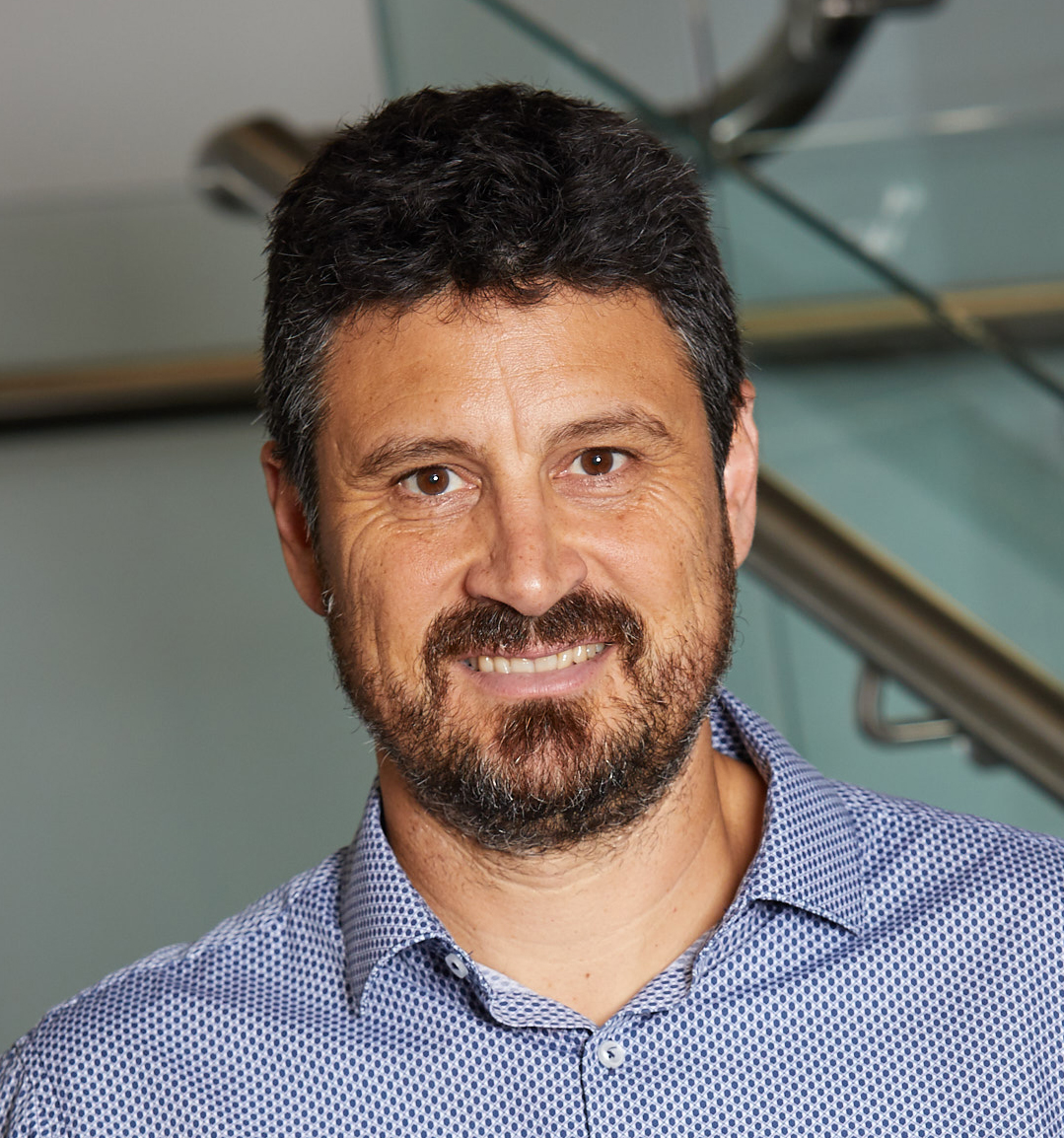
Alex Loukas
- Director, Australian Institute of Tropical Health and Medicine
- alex.loukas@jcu.edu.au

Roland Ruscher
- Senior Research Fellow
- roland.ruscher@jcu.edu.au
System-based approaches to inform the design of vaccines and biologics against complex pathogens (Old ID 25110)
The development of effective interventions against malaria and other chronic infectious diseases is impeded by a lack of understanding of host-pathogen interactions and the mechanisms and antigenic targets underlying protective immunity. The fundamental premise of this proposal is that integrated and unbiased systems-level approaches provide an excellent framework to develop a comprehensive understanding of immune responses and identify key molecules/pathways that can be targeted for therapeutic intervention or for immunodiagnostics. Taking advantage of unique human experimental infection models and field studies, this research encompasses: (i) antigen discovery; (ii) host-pathogen immunity; (iii) vaccine engineering; and (iv) biomarker discovery. It will develop a pipeline of parasite antigens and immunomodulatory molecules that can be transitioned towards clinical development and testing, as well as identify biomarkers of disease risk that can be used for population based screening to define at-risk individuals for targeted intervention.
Field-based evaluation of a novel magneto-optical technique to diagnose malaria (Old ID 26456)
This project is aimed at field testing a novel method to diagnose malaria using magneto-optics. The method is to be applied in Papua New Guinea, in collaboration with the PNG Institute of Medical Research. The project is 2 years into its 3 year duration and has so far successfully tested 1000 patients in PNG.
Towards elimination of tuberculosis (Old ID 27175)
Tuberculosis kills more people than any other infectious disease, and approximately one third of the world's population is latently infected with Mycobacterium tuberculosis. This project aims to complete the pre-clinical development of a new tuberculosis vaccine and to reveal new correlates of protection against tuberculosis using innovative mouse models and human cohorts.
Investigating tramsmission of Malaria Parasites in Anopheles farauti Mosquitos in PNG. Lincoln Timinao’s PhD Stipend for 12 months. (Old ID 27389)
Lincoln Timinao’s scholarship for the duration of 12 months (approved PhD candidature extension). Lincoln’s project involves assessing the infectivity of malaria infected blood samples to Anopheles mosquitoes and exploring ways to block transmission from humans to mosquitoes.
Role of liver fluke granulin in cholangiocarcinogenesis (Old ID 19534)
Long term infection with liver fluke - a food-borne parasitic worm -leads to cholangiocarcinoma (CCA), a form of liver cancer with a dismal prognosis. Previously we identified a protein from these parasites that may cause this cancer. This new project will investigate the role of this parasite protein (termed granulin) in cancer, which may lead to new treatments and control for fluke infection and CCA.
Defining immunodominance in a complex host-pathogen system. (Old ID 22489)
Immunodominance is the phenomenon whereby pathogen-specific immune responses do not target the full range of possible peptide epitopes derived from the genome but recognize only a small fraction of the epitopes. It has been studied primarily in experimental infection models using simple organisms (viruses and bacteria). Herein, we propose the first comprehensive investigation of immunodominance in the context of a complex host-pathogen system: Plasmodium falciparum malaria in humans. These studies will provide valuable new knowledge of host-pathogen immunity and facilitate rational vaccine design.
Principal Research Fellowship #1023636 (Old ID 22478)
Vaccine development against malaria and other complex diseases remains a challenge for the scientific community. A rational approach to vaccine development is to identify the target antigens and epitopes of protective immunity, characterise the mechanisms of protective immunity in animal models and humans, develop and refine vaccine platforms and formulations that induce the desired immune responses against the identified antigenic targets, and down-select candidate vaccines for testing in human clinical trials. My research program encompasses core themes of basic research on immune mechanisms and host-parasite interactions as well as antigen and epitope discovery from genomic sequence data using immunomic approaches, using malaria as a model.
Next-generation therapeutics inspired by parasitic helminths. (Old ID 27418)
This project utilises helminth secretomes to develop: (i) anti-helminth vaccines; (ii) diagnostics for helminth infections; and (iii) helminth secreted moieties for treating autoimmune and metabolic diseases. The end goal is to discover and develop innovative vaccines, diagnostics and immunotherapeutics sources from helminth secretomes.
Finally new tools are available to combat drug resistant tuberculosis, but how do we make them work? Models to determine effective implementation strategies in Australia and our region (Old ID 27632)
Multi-drug resistant tuberculosis (MDR TB) is a growing concern which may make TB elimination impossible if not addressed head-on. Strategies to control MDR are available or in trial including: • MDR diagnostics • MDR directed treatment • New vaccines However, the best way to operationalise these new tools in different settings to maximise impact remains uncertain. Mathematical modelling, data analysis and health economics can play a role in assisting the fight to eliminate TB by providing insights into best deployment of TB strategies depending on the setting. My work is to combine best evidence with country context (health system,TB burden and costs, to simulate TB epidemiology and test possible interventions and their impact "in silico". This project will undertake 3 streams of activity Stream 1 Control of MDR TB in high burden settings: I will develop models to assess how new tools can best be used to impact on the MDR TB epidemic in high incidence regions. This will consider the new short course regimens for active MDR TB and the value of levofloxacin to treat latent TB, as well as emerging therapeutics and vaccines. Stream 2. Optimal drug combinations for MDR treatment: I will develop pharmacokinetic / pharmacodynamic models to investigate whether low, high or adaptive dosing of levofloxacin leads to the best outcome in treating MDR TB. Stream 3. How can new tools for MDR best be deployed in Australia? This work will address the large pool of latently infected people in Australia, and large proportion of TB arising from immigration, including those with latent MDR TB. Through two Centres for Research Excellence, I will collaborate with Australia's leading tuberculosis clinical trialists, policy makers, health systems experts, clinicians and pharmacologists to analyse the data arising from recent and current clinical trials, particularly relating to the use of drugs to tackle MDR TB.
Tropical Disease - immunity, pathogenesis and vaccine development: global translation. (Old ID 22490)
Malaria, helminths and streptococci are poorly controlled and neglected pathogens of global significance causing major morbidity and mortality - particularly in disadvantaged communities. This Program brings together a multidisciplinary team of scientists and clinicians who will leverage their unparalleled understanding of tropical health, microbiology and pathogenesis of these infections to develop new therapeutics and vaccines. The Program has both standard and unique animal models and unrivalled access to controlled human experimental infections, clinical trials and longitudinal field studies to define the impact of infection on the host immune response.
Spontaneous fermentation of traditional sago starch in Papua New Guinea
- 2009
- Academic Press
- Researchers:Andreas KupzJeffrey Warner
Role for MyD88, TLR2 and TLR9 but not TLR1, TLR4 or TLR6 in experimental autoimmune encephalomyelitis
- 2011
- American Association of Immunologists
- Researchers:Socorro Miranda-Hernandez
Immature murine NKT cells pass through a stage of developmentally programmed innate IL-4 secretion
- 2012
- Federation of American Societies for Experimental Biology
- Researchers:Socorro Miranda-Hernandez
Title:
Small fish, small pond: The reality of biomedical early career research in regional Australia
Start Date:
01 Jan 2001
End Date:
01 Jan 2006
Start Date:
01 Jan 2008
End Date:
01 Jan 2011
Start Date:
01 Jan 2010
End Date:
01 Jan 2011
Start Date:
01 Jan 2015
End Date:
01 Jan 2016
Start Date:
01 Jan 2018
End Date:
01 Jan 2018
Start Date:
01 Jan 2024