
Economics & Marketing
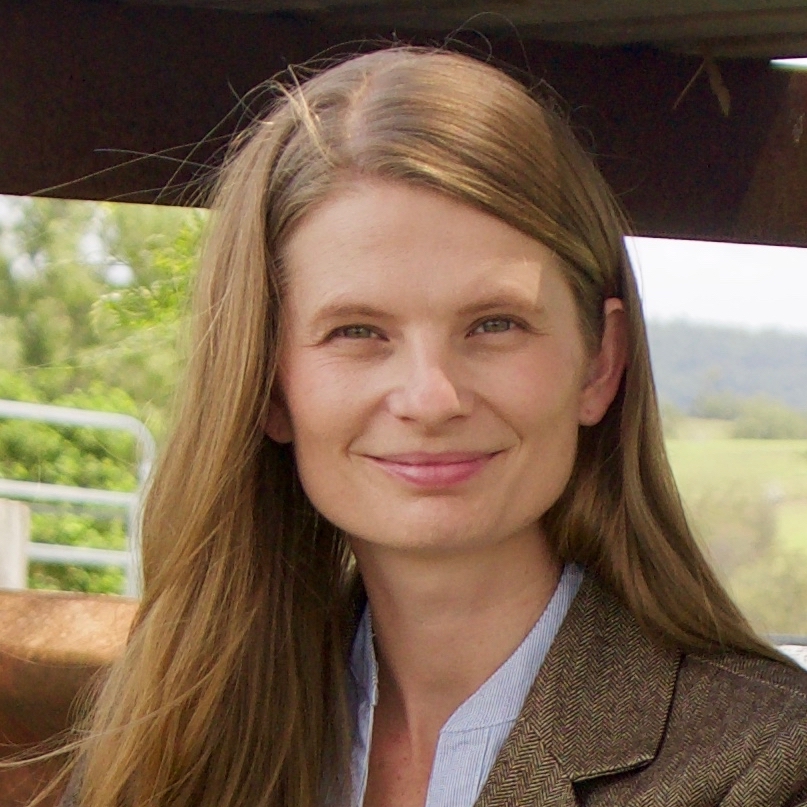
Carrie Wilson
- Senior Research Officer
- carrie.wilson1@jcu.edu.au

Diana Castorina
- Lecturer, Economics
- diana.castorina@jcu.edu.au

Rachel Hay
- Head, Economics and Marketing
- rachel.hay@jcu.edu.au
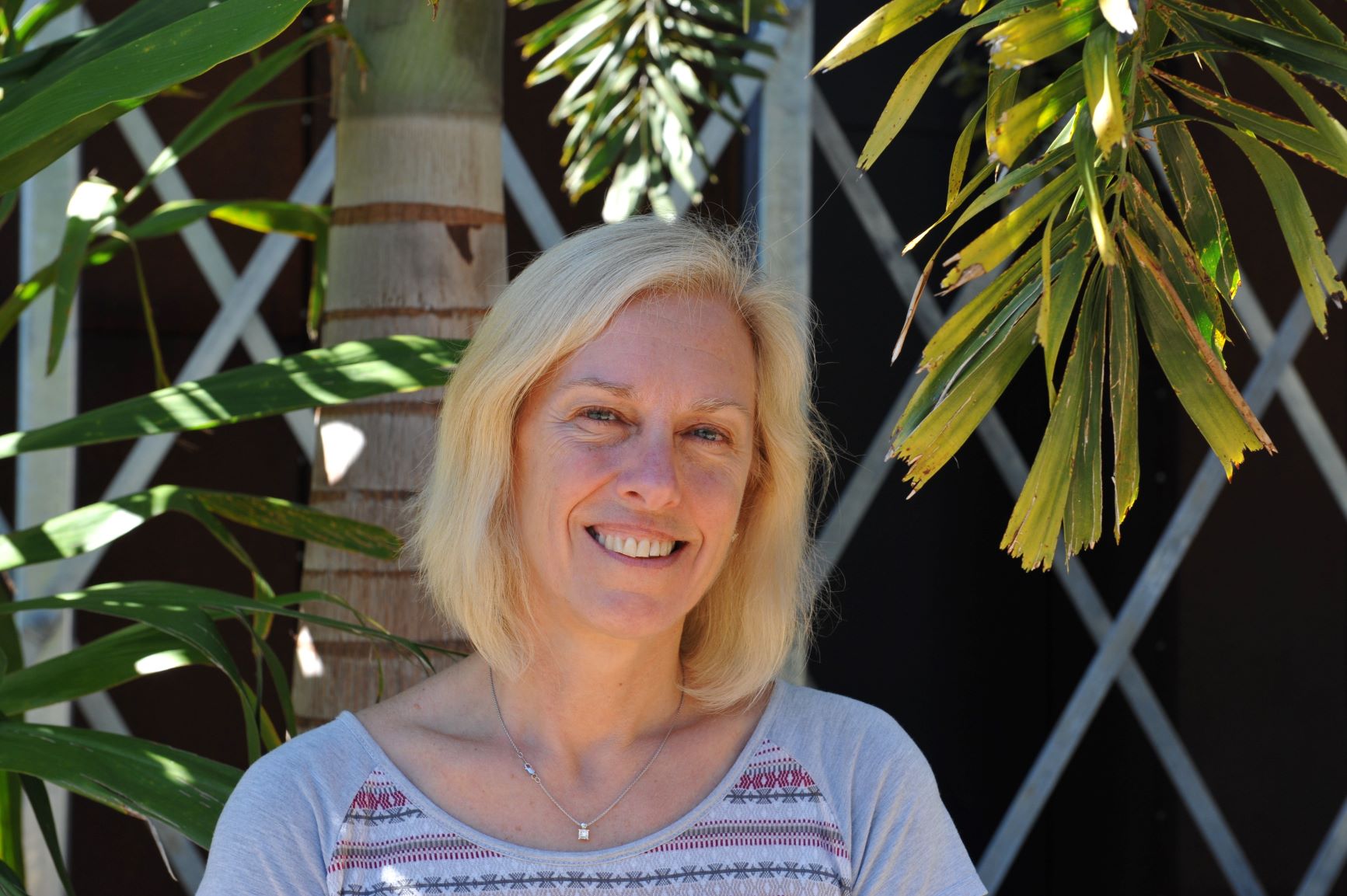
Diane Jarvis
- Associate Professor, Economics
- diane.jarvis1@jcu.edu.au
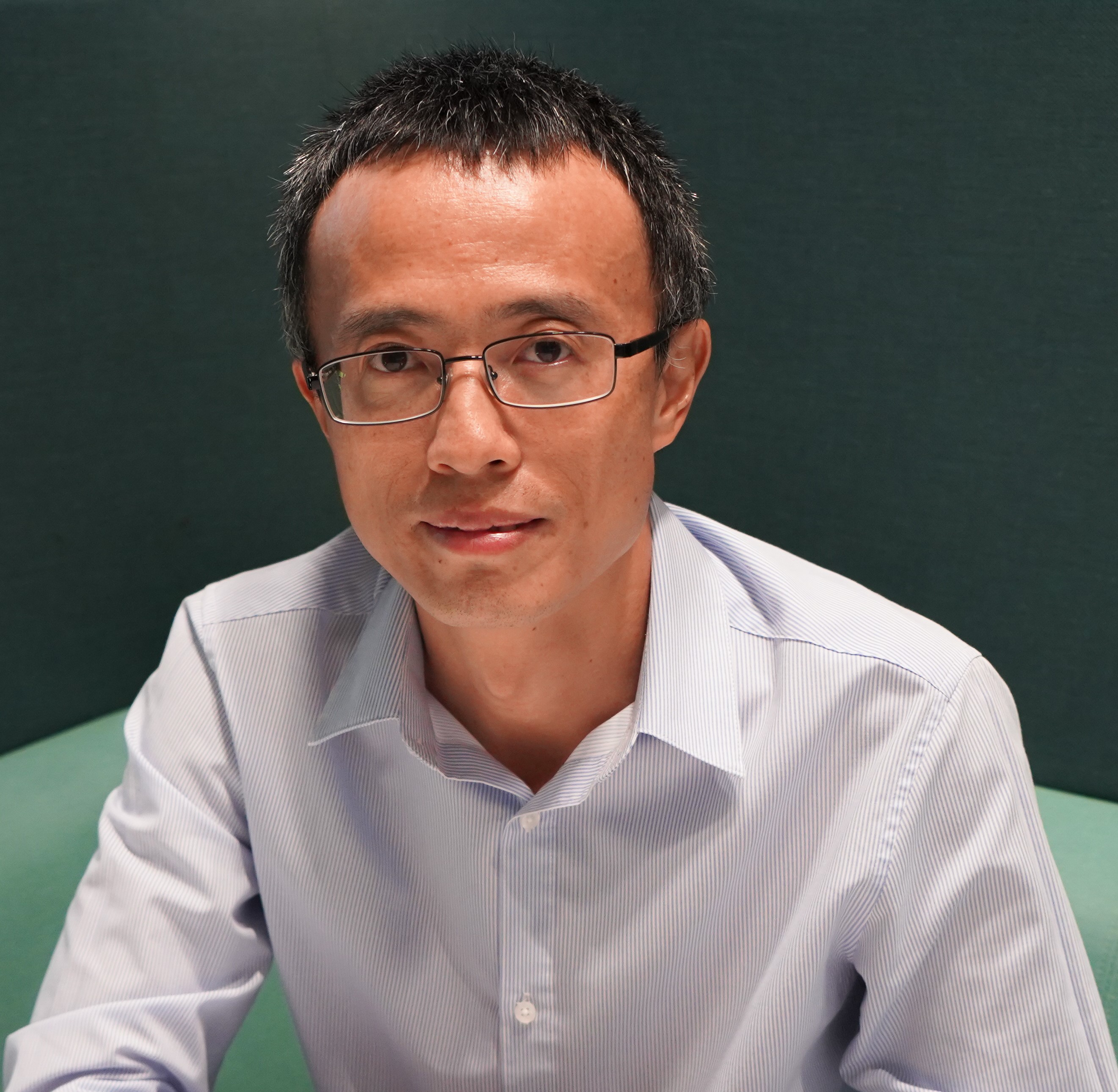
Sizhong Sun
- Professor
- sizhong.sun@jcu.edu.au

Taha Chaiechi
- Adjunct Professor
- taha.chaiechi@jcu.edu.au
Breda McCarthy
- Senior Lecturer
- breda.mccarthy@jcu.edu.au
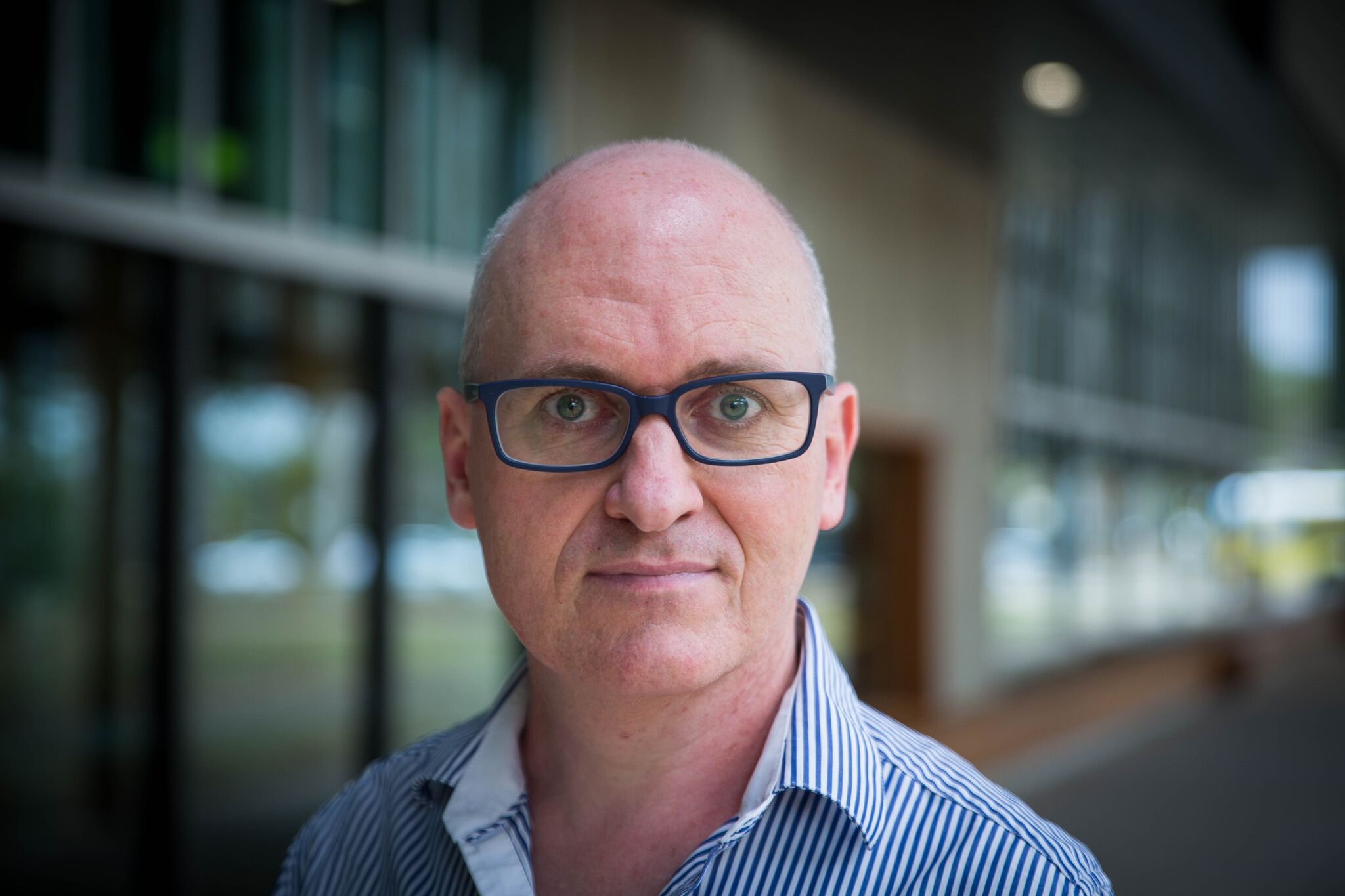
Riccardo Welters
- Associate Professor
- riccardo.welters@jcu.edu.au

Tracey Mahony
- Adjunct Senior Lecturer
- tracey.mahony@jcu.edu.au
BeefVantage: AI-Powered Beef Agriculture Solution Hub (Old ID 31108)
Rachel Hay
01 Sep 2023 - 29 Nov 2024
The project is to develop a language-based AI-powered tool that will rapidly guide beef producers to relevant solutions to solve their on-farm problems. The BeefVantage interface efficiently connects farmers and their advisors to relevant solutions, swiftly navigating them through on-farm challenges for enhanced productivity and sustainable outcomes. First, by analysing domain-specific data, we aim to create a dataset that is pre-processed. This dataset will be used to fine-tune a Large Language Model, so that farmers and their advisors can enter queries (such as problems or challenges that they are facing), and the system will recommend solutions (such as AgTech products or relevant knowledge) for their consideration. The AI MVP will create value by revealing insights from existing data that have previously been missed, and help facilitate conversations between extension agents and producers, and ultimately provide a platform for beef producers to rapidly find solutions that are relevant to their situation and needs. Additionally, this system will help provide consistency in information provided by different extension officers/bodies, as it can be confusing for farmers when they receive differing advice from different advisors.
Western Cape Agricultural Park Feasibility Study
Taha Chaiechi
01 Mar 2024 - 30 Jun 2025
The project will • Examine the potential benefits and merits of the WCAP to the region in the short, medium and long term
Economic impact of various non-tariff measures (NTMs) on Australian grains industry
Sizhong Sun
20 Nov 2024 - 31 Oct 2025
This project aims to provide an in-depth analysis on the economic impact of various non-tariff measures (NTMs) with a focus on Australian grains industry and provide comprehensive empirical evidence (and evidence-based modelling tool) to policy makers and industrial stakeholders for mitigating negative impacts and enhancing positive outcomes associated with NTMs. In particular, the project will apply the state-of-art approach (including both the structural gravity model and the computable general equilibrium CGE model) to the product-level data to systematically investigate how NTMs affect trade, production and the overall economic health of the Australian grains sector
Climate-resilient landscapes: an adaptation case study in NSW’s Northern Rivers region and the Wet Tropics of Queensland
Diane Jarvis
01 Jan 2025 - 30 Jun 2027
This project aims to develop a climate change adaptation plan for focal threatened species and ecosystems of the Northern Rivers region of New South Wales (component 1) (already approved and underway) and the Wet Tropics of Queensland (component 2) (seeking approval for commencement 2025).
This project addresses the escalating climate risks in the region for species, habitats and ecosystems. These are interacting with existing threatening processes such as feral animals, weeds and development pressures. Species distributions are shifting in response to warming temperatures and changing patterns of rainfall. Sea level rise is impacting coastal processes and ecosystems. In addition to these climate trends, the region has experienced unprecedented drought, bushfires and floods in rapid succession over a 3-year period. These have impacted and stressed both natural and human systems. Future climate projections point to ongoing increases in the intensity, frequency and duration of these extreme weather events with cascading, compounding and aggregating impacts.
The Northern Rivers region contains significant natural and cultural assets and has vulnerable species at increasing risk of local or global extinction. Many vulnerable ecosystems are at risk of degradation and ecological collapse. Climate change adaptation planning is urgently needed to identify actions that can reduce the climate-related risks to focal species and ecosystems in the region. Furthermore, because adaptation is needed now and in the long term, adaptation strategies and options must be feasible and effective, have social licence, be culturally appropriate, and be informed by local knowledge including traditional knowledge to be sustainable. This is a problem facing all landscapes and communities throughout Australia. The Northern Rivers region is a suitable case study to develop and test the necessary approaches because of its rich natural and cultural assets, the experienced impacts from a rapidly changing climate, and well-organised and mature community networks, with supportive local and state government initiatives.
This project will develop a climate change adaptation plan which identifies the key climate risks for selected species and ecosystems, and documents feasible strategies and options to manage these risks. We will also develop a web-based decision-support platform that provides data, information, guidance and planning tools for stakeholders and decision-makers. A community-centred approach will better enable sustainable outcomes with adaptation solutions that are locally supported, aligned and culturally appropriate.
We will work with local Landcare and wildlife conservation groups, federal, state and local government agencies, and natural resource management (NRM) groups to develop a climate adaptation plan and associated data information and decision support.
We will draw on community-centred adaptation planning processes developed and tested over the last 4 years in a project funded by the Australian Research Council and undertaken by Griffith University in collaboration with the Shoalhaven City Council. This research has identified effective approaches for engaging with local communities, eliciting values, principles and feasible adaptation responses, and integrating these into formal local-government planning processes. Our use of risk and decision-support models builds on Griffith University’s application of them in prior climate adaptation research. We will also draw on spatial modelling approaches recently developed by Griffith University that enable fine-resolution mapping of habitat for arboreal wildlife, including old-growth structures critical for hollow-dependent fauna and species-specific connectivity corridor analysis. We will also use existing species and habitat data, including from federal and state government sources, current and future climate data from the Climate Systems Hub, and other relevant data such as flooding risks from CSIRO.
Our approach is based on the climate adaptation process and will involve 4 components: (i) Focal species and ecosystems; (ii) Climate risk assessment; (iii) Adaptation Plan; and (iv) Decision Support. Socio-economic and cultural considerations will be incorporated into all components of the project including the identification of focal species and ecosystems.
NESP 5.1 Environmental Economic Accounting - Developing & trialling approaches for accounting to ensure respectful inclusion of First Nations knowledges
Diane Jarvis
01 Jan 2025 - 30 Jun 2027
This project aims to address two overarching research questions: how can First Nations Peoples knowledges be reflected within (or alongside) Ecosystem Accounts prepared following the United Nations System of Environmental-Economic Accounting—Ecosystem Accounting (SEEA EA)? and what are suitable methods for appropriately gathering and presenting First Nations Peoples’ knowledges in relation to SEEA EA?
To achieve the project aim, researchers will partner with two First Nations groups from contrasting contexts and environments (northern QLD savannah and southern WA coast). Together we will trial methods and prepare full sets of SEEA EA compliant accounts for each group. By co-designing methods and accounts presentation, the aim is for the accounts to provide information that is useful for the groups themselves in addition to providing useful information for other research users.
Beyond accounts preparation, and incorporating existing Australian literature, the project will develop and test overarching learnings and recommendations that can inform future EA policy development within DCCEEW. Working closely with our First Nations partners, and testing outputs with a small number of First Nations people from other organisations, the project will seek to identify common themes across different First Nations groups, and assess the relevance of, and links between, national accounting information (such as NEAP) and accounts built upon First Nations knowledge and perspectives.
SEABORNE (Sustainable Use and Benefits of the GBR) Mk.2
Diane Jarvis
31 Jul 2025 - 29 Jun 2029
Valuing GBR Ecosystem Services. SEABORNE Mk.1 (2020-2024) established a proof-of-concept method using multiple secondary datasets to calculate benefits derived from GBR ecosystem services among a subset of user groups in the Cairns and Southern GBR regions. This module will:
▪ Deliver scaled-up implementation of the SEABORNE Mk 1 proof of concept by co-designing sector-specific data prioritisation frameworks with Reef stakeholders and applying the Ecosystem Service Value Chain (ESVC) to a broader set of GBR ecosystem services, values and end users in priority spatial areas
▪ Build on existing relationships with Reef Traditional Owner groups and co-design a process to test and improve the suitability of the ESVC concept for reflecting Traditional Owner values.
▪ Fill critical valuation gaps, specifically related to GBR in-water tourism, to enable understanding of impacts on value from changes in reef condition.
SEABORNE Mk.1 (2020-2024) established and tested a proof of concept to quantify benefits derived from GBR ecosystem services by end users in the Cairns and Southern GBR regions. This is called an Ecosystem Service Value Chain (ESVC). The ESVC connects human benefits with biophysical data enabling an understanding of how people use GBR ecosystems, and the extent and distribution of benefits that flow to households, Reef-dependent businesses, Traditional Owners, and Government from this use. The ESVC concept further enables existing data to be used in new ways such as generating values of total economic benefits. Working with Traditional Owner groups is an important component of this module. Based on our work with four TO groups over 2020-24 and recognising that benefit flows from ecosystem services to TOs are non-linear, we can modify the ESVC to meet the requirements of different TO groups and can apply an adapted ESVC method that utilises their own data to enable an appropriate assessment of TO use benefits.
SEABORNE Mk 1. tested the ESVC concept for a limited number of prioritised chains in the Cairns Area Plan of Management (CAPOM) and Keppels Capricorn Bunkers (KCB). These were:
• Provisioning service of fish & other biomass (wild caught and farmed) to commercial service users.
• Cultural service of recreation and leisure (recreational & non-recreational fishing) to households.
• Cultural service of education and research to Government.
There is broad scope to continue the application of the ESVC concept to better understand and use existing data for measures of benefit. We propose to work with the end users of this research to apply the ESVC approach to additional priority ecosystem services within or beyond the CAPOM and Southern reef spatial focus areas. The application of the ESVC to understand existing data and gaps for existence (non-use) value in the CAPOM and KCB spatial focus areas is a suggested first extension. Refining the ESVC approach to better understand the two-way flow of value and related existing and required data for Traditional Owners is the second suggested extension. Finally, the population of the ESVCs in SEABORNE Mk. 1 highlighted a number of weaknesses in existing data. Data weaknesses occur both due to the age of primary data (e.g., >30-year-old studies of Reef users), and in some cases from retrofitting available data to new purposes. Working with end users, SEABORNE Mk. 2 will begin to address priority gaps. Enhancing the understanding of economic value associated with snorkelling and diving especially as this relates to reef quality as well as investigating equity and justice within ecosystem service flow beneficiaries is the proposed focus here.
Understanding the Influence of Media Narratives on Great Barrier Reef Water Quality Management
- 2021
- Queensland Department of Environment and Science
- Researchers:Maxine NewlandsTracey Mahony
The resilience shift: it is all in the partnership
- 2021
- James Cook University
- Researchers:Taha Chaiechi
Start Date:
01 Jan 2020
Start Date:
01 Jan 2020
Start Date:
01 Jan 2020
Start Date:
01 Jan 2019
Start Date:
01 Jan 2019
Start Date:
01 Jan 2019
Start Date:
01 Jan 2018
Start Date:
01 Jan 2018
Start Date:
01 Jan 2018
Start Date:
01 Jan 2011
End Date:
01 Jan 2019