
JCU Singapore School of Science and Technology

Lijuan Shen
- Senior Lecturer Information Technology
- lijuan.shen@jcu.edu.au

Erik Hormann
- Lecturer Mathematics
- erik.hormann@jcu.edu.au

Ghazalnaz Sharifonnasabi
- Lecturer, JCU Singapore
- ghazalnaz.sharifonnasabi@jcu.edu.au
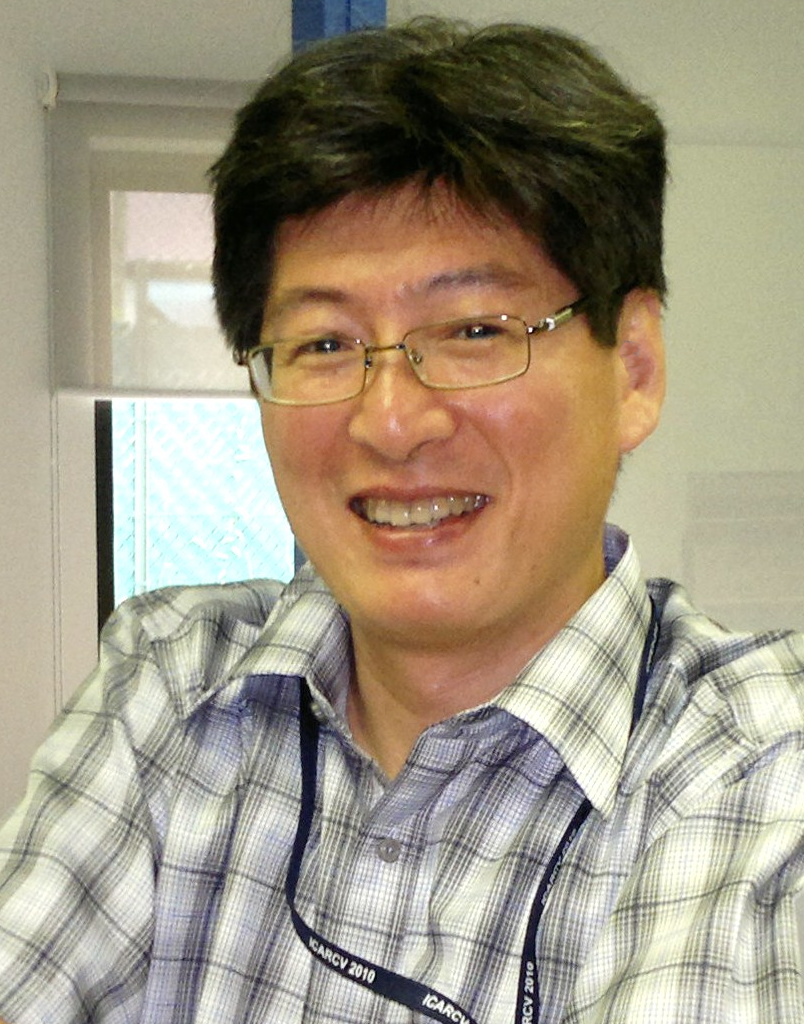
Insu Song
- Senior Lecturer IT
- insu.song@jcu.edu.au

Neil Hutchinson
- Associate Professor
- neil.hutchinson@jcu.edu.au

Randy Zhu
- IT Lecturer
- randy.zhu@jcu.edu.au
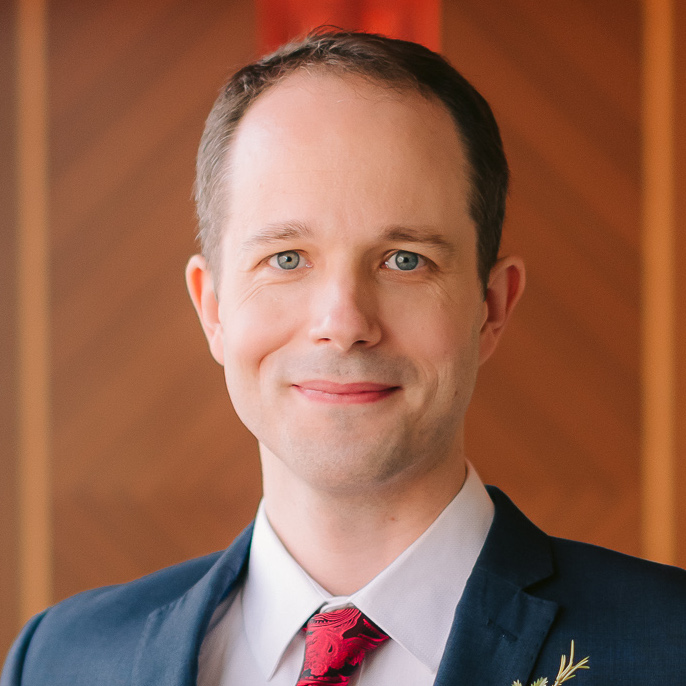
Steve Kerrison
- Senior Lecturer Cybersecurity
- steve.kerrison@jcu.edu.au
Jusak Jusak
- Senior Lecturer loT
- jusak.jusak@jcu.edu.au
Fanny Yasumaru
- Senior Lecturer
- fanny.yasumaru@jcu.edu.au
Supporting expanded and new research opportunities between JCUS IT and JCU’s Australia campuses
Proposal to visit JCU campuses to create new cross-discipline research opportunities as well as further exploit existing research that has been conducted solely in JCUS so far.
Addressing Bedtime Procrastination with Behavioural Technology: Introducing SleepSync
With rising concerns about sleep-related health issues, researchers have di-rected their focus to understanding how bedtime procrastination contributes to sleep-related problems and the ways to tackle it how to tackle it. This is due to evidence linking bedtime procrastination to poor sleep quality and quantity, increased daytime fatigue, and poor sleep cycle. Technological ad-vancements have emerged as promising tools, with numerous sleep-tracking and sleep- behaviour apps developed to address sleep-related issues. How-ever, the existing apps exhibit critical gaps in targeting bedtime procrastina-tion behaviours. The present paper reviews the current landscape of sleep apps by analyzing how the apps monitor and mitigate sleep-related behaviour and highlights existing gaps in this domain. Next, we introduce SleepSync, an innovative app specifically designed to address bedtime procrastination be-haviour. SleepSync's design integrates Carver and Scheier’s self-regulation theory and Zajonc’s social facilitation effect to enhance users’ self-regulation and behavioural activation through behavioural interventions, sleep tracking, and gamification. The validation and future iterations of the SleepSync prototype will shape it into a fully functional, user-friendly mo-bile app suitable for everyday use and broader commercialization.
Application of ICT to improve rural livelihood in Vietnam
- 2013
- Inderscience Enterprises Ltd.
- Researchers:Insu Song
Start Date:
01 Jan 2025
Title:
CISSP, ISC2
Start Date:
01 Jan 2026
End Date:
01 Jan 2026
Start Date:
01 Jan 2025
End Date:
01 Jan 2025
Title:
B.Eng, Brawijaya University
Title:
TechTalk
Start Date:
01 Jan 2024
End Date:
01 Jan 2025
Start Date:
01 Jan 2024
End Date:
01 Jan 2024
Title:
CSSP, ISC2