
College of Science & Engineering

Sophia Love
- Doctor of Philosophy (Natural and Physical Sciences)
- sophie.love@jcu.edu.au
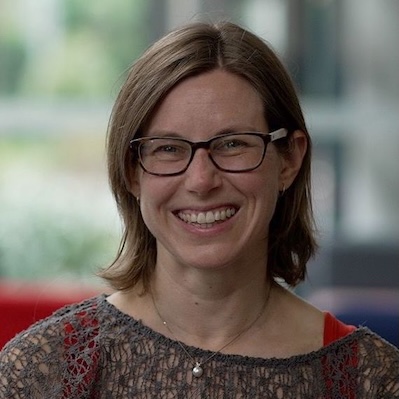
Jenny Fisher
- Associate Dean, Learning and Teaching
- jenny.fisher@jcu.edu.au
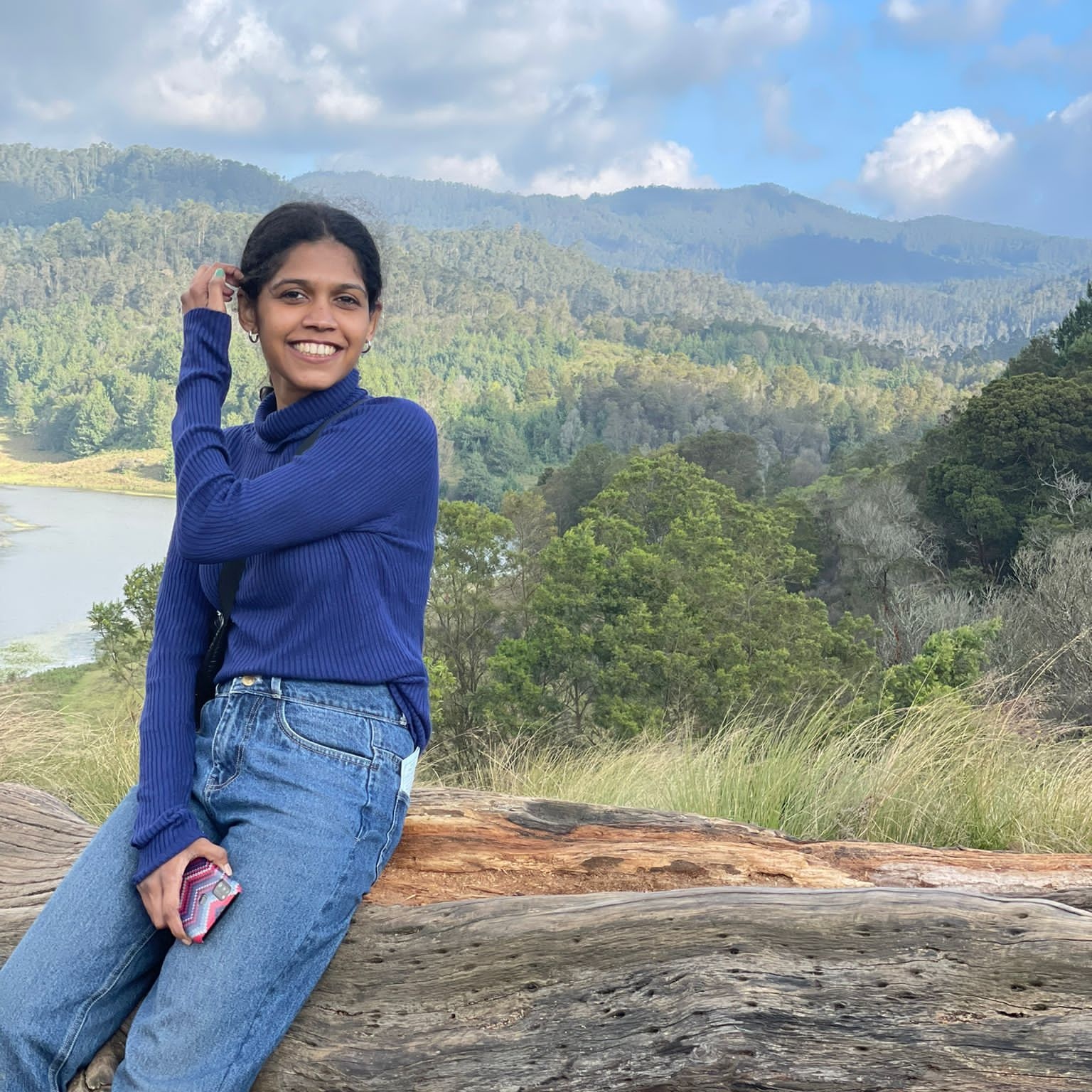
Ambili Narayanan
- Doctor of Philosophy (Natural and Physical Sciences)
- ambili.narayanan@my.jcu.edu.au
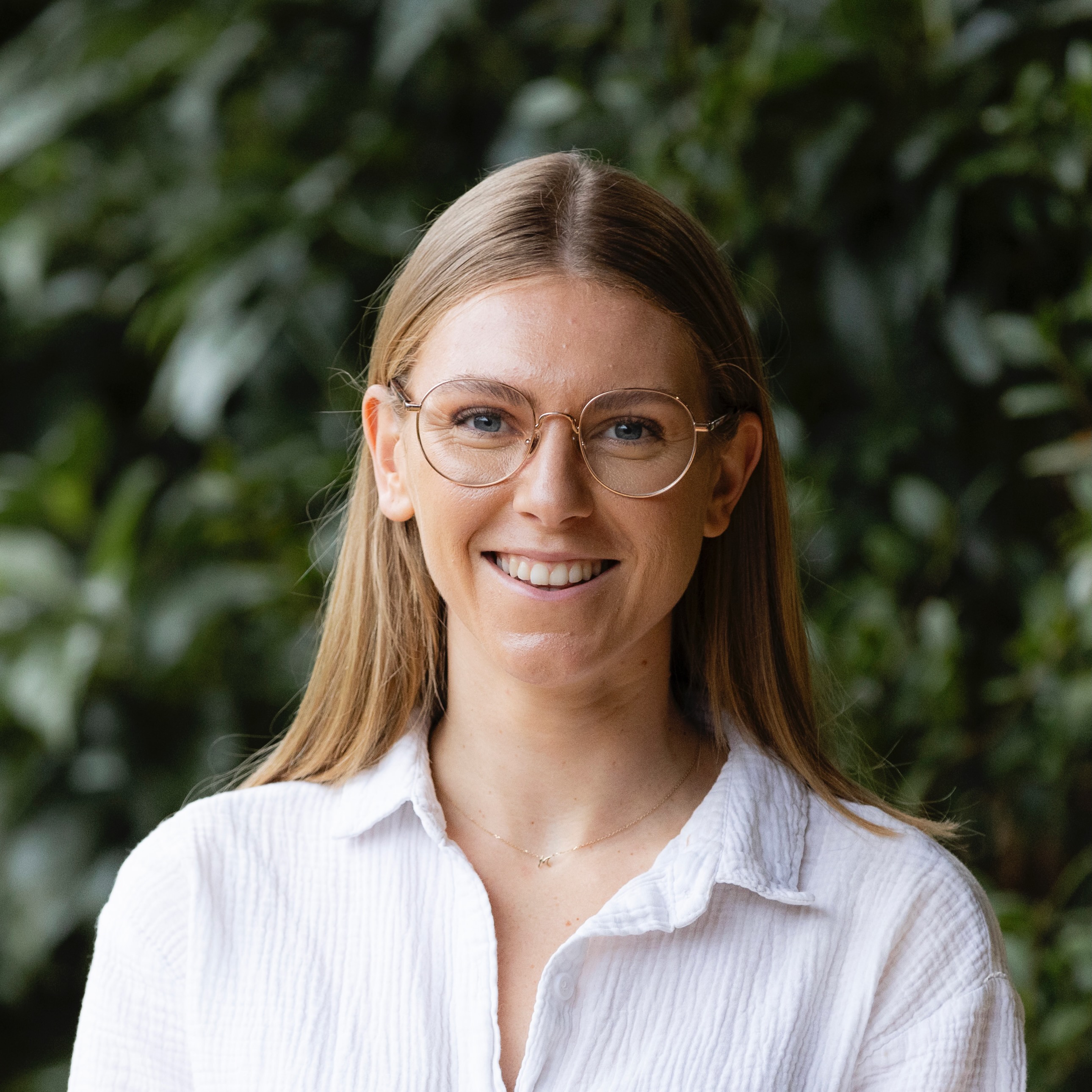
Mikaeylah Davidson
- Postdoctoral Research Fellow
- mikaeylah.davidson@jcu.edu.au
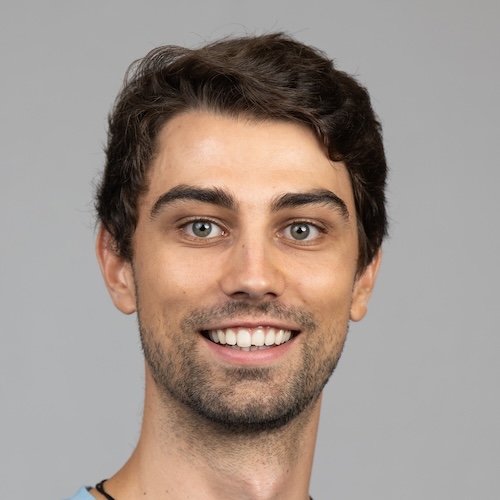
Douchan Hanuise
- Doctor of Philosophy (Agriculture, Environmental and Related Studies)
- douchan.hanuise@my.jcu.edu.au
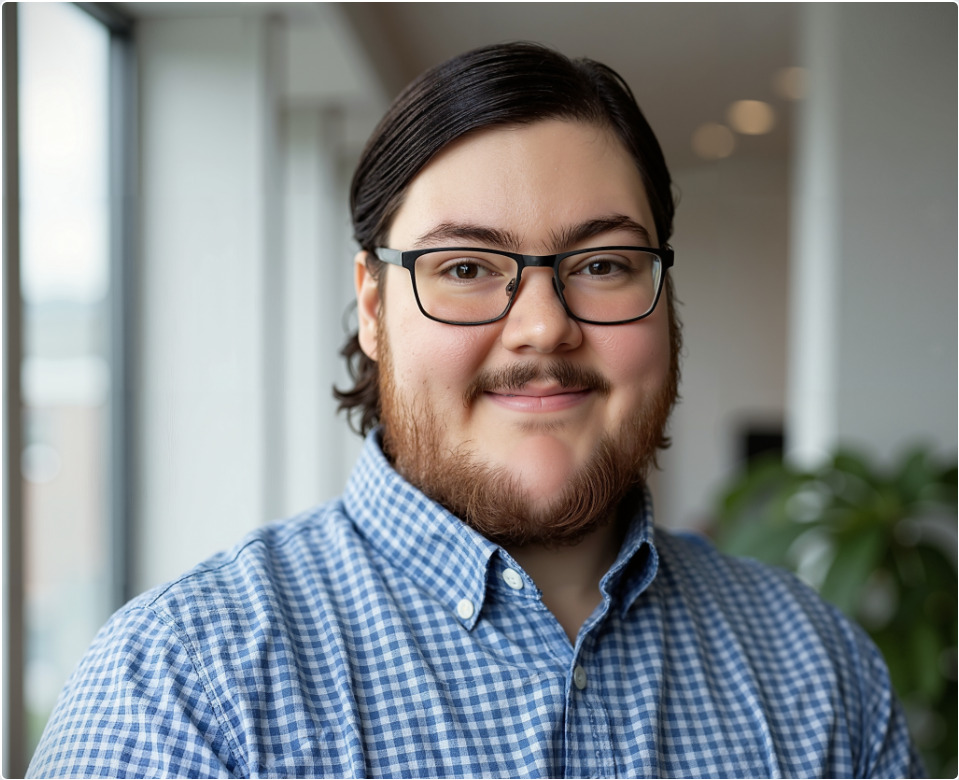
Thomas Napier
- Doctor of Philosophy (Information Technology)
- thomas.napier@jcu.edu.au
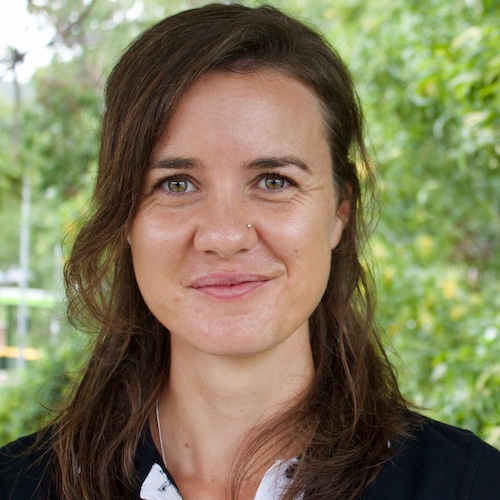
Sarah Lawless
- AIMS@JCU Research Fellow: Ocean Governance
- sarah.lawless@jcu.edu.au
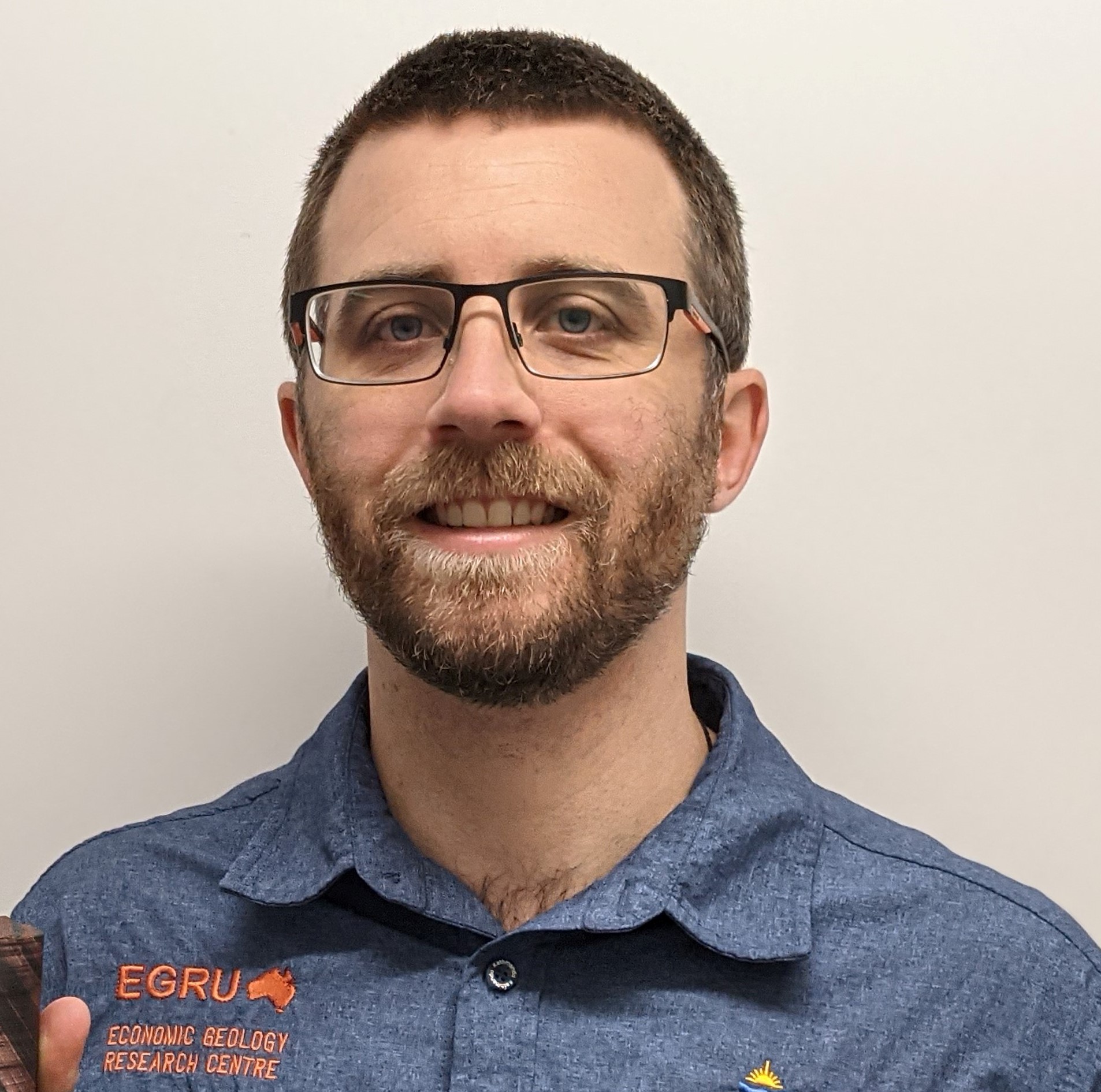
Alex McCoy-West
- Senior Lecturer, Exploration Geochemistry
- alex.mccoywest@jcu.edu.au

David Blair
- Adjunct Professor
- david.blair@jcu.edu.au
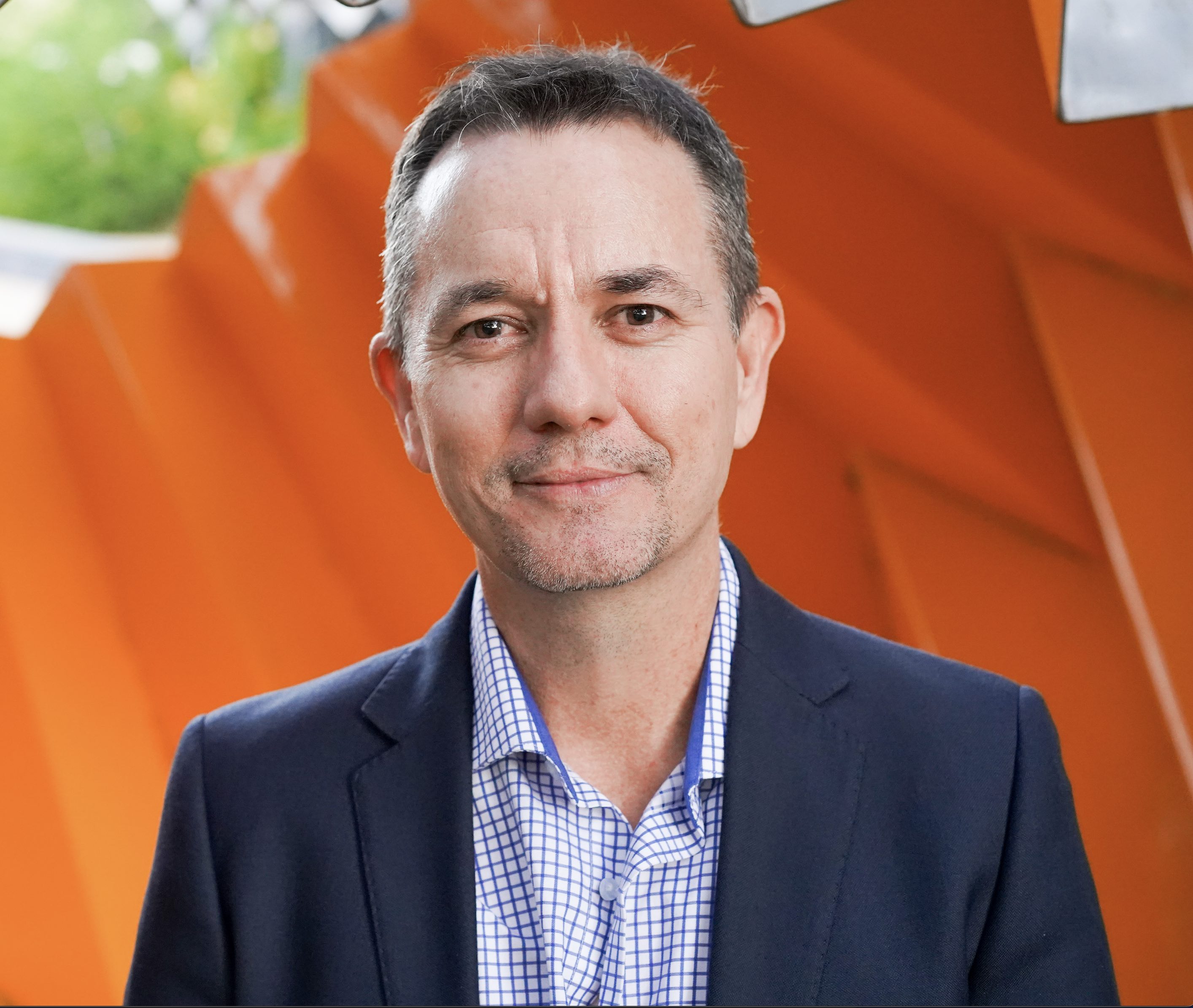
Ron White
- Dean, Science and Engineering
- ronald.white@jcu.edu.au
Improving the accuracy of weed killing robots with new image processing algorithms and near infra-red spectroscopy techniques (Old ID 23146)
Ron White
26 Jun 2017 - 18 Oct 2019
Automated weed species recognition remains a major obstacle to the development and industry acceptance of robotic weed control technology. Particular problems occur in rangeland applications, including high light variability and weed-camera distance variability, which cause camera dynamic range problems, image blurring, and occlusion by other plants. This project aims to develop robust image recognition systems combined with Near Infra-Red spectroscopic methods for these complex rangeland environments with special emphasis on the broad-acre grazing pastures in North Queensland. The developed imaging systems will be suitable for all weed killing applications with particular emphasis given to foliar spot-spraying and Herbicide Ballistic Technologies.
Electron transport and scattering within the plasma-liquid interface (Old ID 27888)
Ron White
01 Jul 2023 - 30 Jun 2026
The synergistic interaction of low-temperature plasmas with liquids and biological matter has unearthed various technological applications in water treatment, agriculture, biofuels and medicine. Predicitive control of these multiphase plasmas is essential to unlocking the potential of these applications, and this requires predictive models. The absence of the relevant non-equilibrium transport theory describing electrons in these multiphase environments together with fundamental data describing electron interactions with biological and liquid matter severely limits this. The project will develop a state of the art transport model informed by world first measurements of electron cross-sections for biomolecules, radicals and liquids.
Providing natural heritage technical advice on World Heritage (Old ID 25019)
Helene Marsh
11 May 2018 - 28 Feb 2022
To ensure that Australia meets its obligations as a world Heritage committee member by conducting technical natural heritage research and analysis on the sites that are subject to World Heritage inscription and state of conservation decisions in 2018 by: 1) reviewing world Heritage Centre documents that relate to the site inscription nominations and state of conservation assessments; and 2) providing expert natural heritage technical advice to the Australian Government at the 42nd World Heritage Committee Session in Bahrain.
An Advanced Ultrafast Laser Spectroscopy Facility in Queensland (Old ID 27154)
Ron White
01 Jan 2021 - 31 Dec 2021
The project aims to establish a world-class ultrafast laser spectroscopy facility to investigate how molecules interact with visible or ultraviolet light. Light-matter interactions are key to energy generation in nature through photosynthesis as well as technologies we use on a daily basis including optical communications and displays. This project expects to generate new knowledge in on how light interacts with matter at the molecular level. Expected outcomes of the ultrafast spectroscopic measurements will be understanding the fate of light absorbed by or generated in different materials. Application of the knowledge gained will enable the design of materials for more efficient technologies such as solar cells, lighting, and sensors.
Novel governance for marine ecosystems in rapid transition
Sarah Lawless
01 Jan 2023 - 01 Dec 2026
This research program combines the political and climate sciences with ecology and geography to understand and improve the design of complex environmental governance regimes. The team works closely with a range of governments, NGOs and donors on co-creating solutions to environmental governance problems. Interdisciplinary science capacity and competitiveness is underpinned by partnerships with an international expert working group, involving cotutelle PhD supervision and co-appointed postdoctoral fellowships at James Cook University, University of Melbourne, WorldFish, the Australian Institute of Marine Science, and the University of Tasmania.
SNAPP Governing Changing Oceans
How can improved marine governance guide more responsible, equitable, and effective interventions in climate-impacted oceans? Novel blue economy, blue carbon, and blue conservation interventions are being trialed and implemented to support climate-vulnerable oceans across the globe. Transitions in governance are needed to keep pace with novel interventions: to realize new opportunities, manage competing and escalating demand for marine resources, and mitigate risks and unintended consequences. How can marine governance transition to meet these new challenges? Answering this question is urgent, because while investment in climate-impacted oceans is accelerating, most interventions remain ad hoc, uncoordinated, and potentially ungovernable.
OUR APPROACH: Researchers in marine governance, fisheries, and climate science are collaborating with government and non-government experts in blue carbon, blue finance, blue conservation, Indigenous governance, co-management, and community resilience. The team’s mission is to collaboratively deliver governments, industries, NGOs, donors and ocean user groups and rights holders with practical insight on governance transitions that are fit for novel and rapidly emerging interventions in climate-impacted oceans.
AIMS@JCU Research Fellowship
Sarah Lawless
01 May 2023 - 30 Apr 2026
Sarah’s research is supported under a AIMS@JCU fellowship. The AIMS@JCU program is a strategic partnership between JCU and the Australian Institute of Marine Science. Sarah is the first social scientist engaged under this program, where she contributes to a key research area of common interest - improving governance of changing oceans.
Early Career Researcher Grant - Blue carbon markets: preventing or fuelling marine tenure insecurity?
Sarah Lawless
01 Jun 2024 - 27 Dec 2024
Internal grant awarded by the Centre for Sustainable Tropical Fisheries and Aquaculture (CSTFA) at James Cook University to support my investigation of blue carbon markets, including where markets may enable tenure security, leading to improved stewardship of blue carbon ecosystems, food and livelihood security, poverty reduction, and social equity.
Marine sediment geochemical survey: Coastal waters of southeastern Brazil
This project involves comprehensive geochemical fingerprinting of sediments from a marine environment to trace the potential distribution of exogenous components from a tailings dam failure. JCU is leading the systematic multi-instrument (XRD, XRF, ICP-MS, MC-ICP-MS) geochemical and isotopic characterization of approximately 200 samples. This includes quantifying the mineralogy, major, trace and volatile element concentration analysis, coupled with high-precision O-Sr-Nd-Fe isotope composition analyses.
Develop an autonomous AI vehicle damage assessment tool (Phase II) (Old ID 27223)
Thomas Napier
04 May 2021 - 04 May 2022
Improvement upon the project 1 developed method for automated detection, identification and categorisation of vehicle panel damage by developing a user interface and video vision. Semantic segmentation and deep learning networks will be further refined and developed for the next evolution/iteration of the software platform.
Key challenges for tropospheric chemistry in the Southern Hemisphere
- 2022
- University of California Press
- Researchers:Jenny Fisher
WOMBAT v1.0: A fully Bayesian global flux-inversion framework
- 2022
- Copernicus GmbH
- Researchers:Jenny Fisher
Start Date:
01 Jan 2018
Title:
FISH Research Award
Start Date:
01 Jan 2018
Title:
Best paper award
Start Date:
01 Jan 2018
Start Date:
01 Jan 2023
Start Date:
01 Jan 2022
Start Date:
01 Jan 2022
Title:
University Medal
Start Date:
01 Jan 2021
Title:
American Geophysical Union
Start Date:
01 Jan 2009
Reseracher:
Khandakar Faisal Ibn Murad
(Doctor of Philosophy (Engineering and Related Technologies))
Reseracher:
Khandakar Faisal Ibn Murad
(Doctor of Philosophy (Engineering and Related Technologies))