
Tropical Water & Ecosystems

Scott Morrissey
- Research Officer
- scott.morrissey@jcu.edu.au
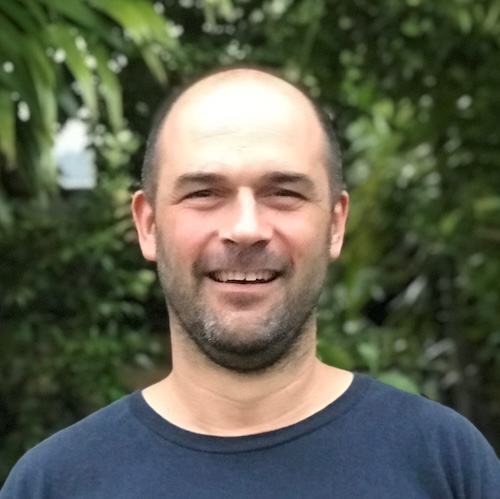
Tim Smith
- Senior Research Officer
- tim.smith2@jcu.edu.au
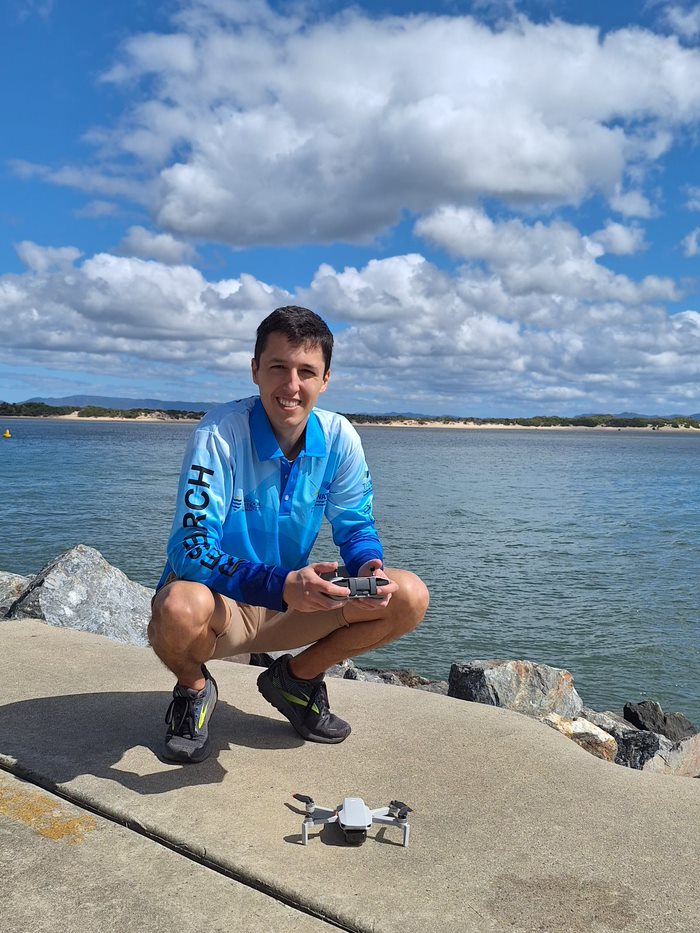
Alejandro Navarro Otero
- Casual Research Worker
- alejandro.navarrootero@jcu.edu.au
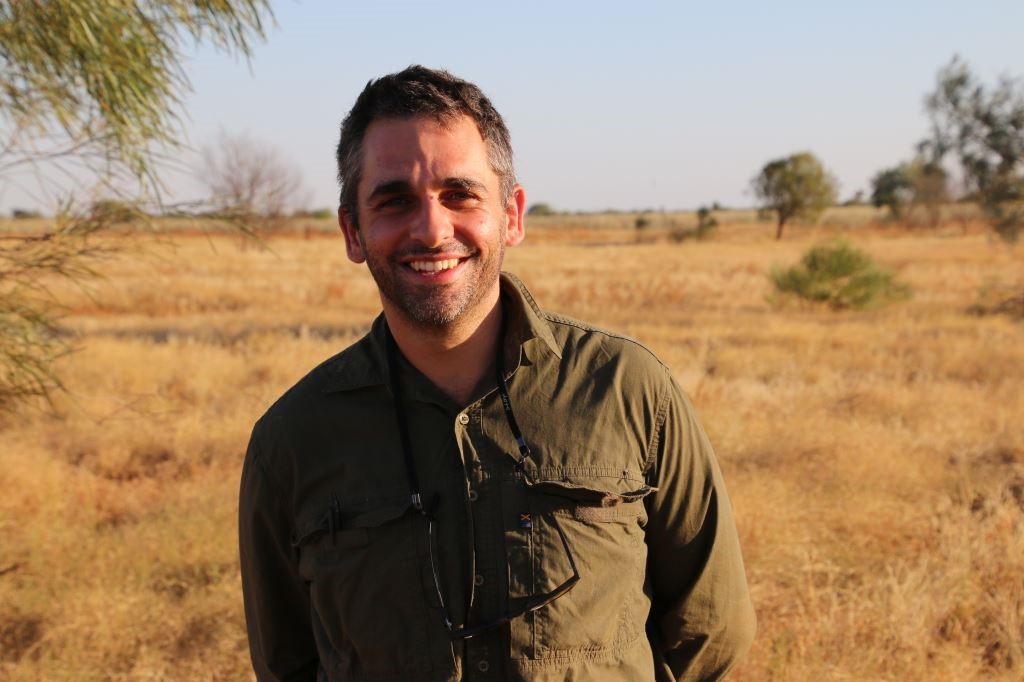
Jack Koci
- Principal Research Officer
- jack.koci1@jcu.edu.au

Sarah McDonald
- Senior Research Officer
- sarah.mcdonald@jcu.edu.au
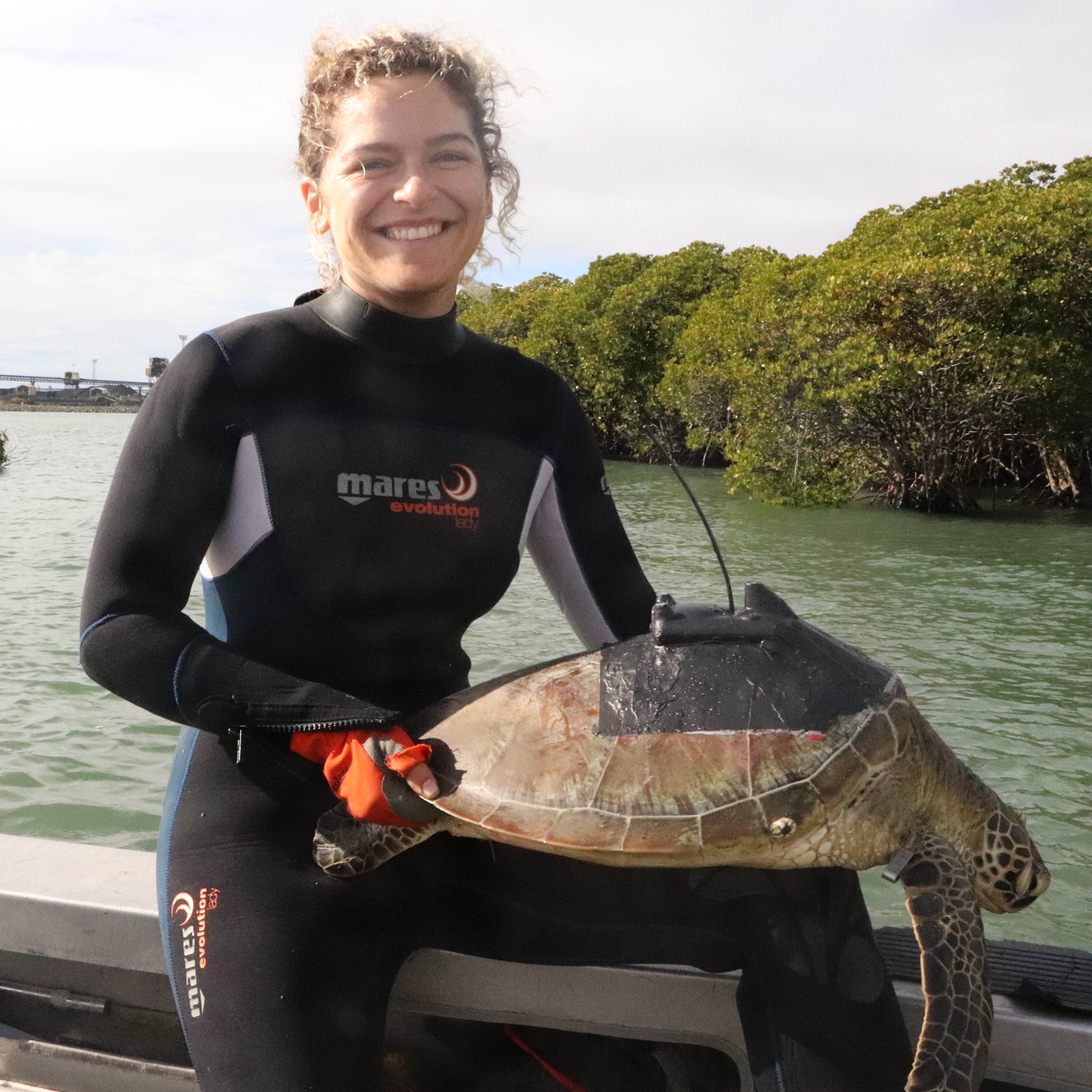
Emily Webster
- Research Officer
- emily.webster1@jcu.edu.au

Abbi Scott
- Senior Research Officer
- abbi.scott1@jcu.edu.au

Catherine Collier
- Principal Research Officer
- catherine.collier@jcu.edu.au

Rob Coles
- Principal Research Scientist
- rob.coles@jcu.edu.au

Aaron Davis
- Principal Research Officer
- aaron.davis@jcu.edu.au
Mapping Critical Habitat in Yanyuwa Sea Country (Old ID 27429)
Marra and li-Anthawirriyarra rangers seek to build on existing partnerships with CDU and JCU to map the intertidal habitats of the Yanyuwa Indigenous Protected Area (IPA) and coastal areas connected to it, an area of profound importance to these communities and the marine ecosystem of the Gulf of Carpentaria (GoC). Significant co-funding will be provided by the Mabunji Aboriginal Corporation (MAC) and DAWE Migratory Species Section to conduct a large-scale mapping project that will inform Marra and Yanyuwa community decisions that underpin sustainable management and facilitate continued connection with sea country. Co-funding from NESP2 is sought to provide salary for data processing and reporting for these surveys. This project also leverages existing funding allocated to training, capacity building, community consultation and communication products committed to by the rangers, CDU, JCU, the Australian and the NT Governments.
Applying environmental DNA (eDNA) methods for Yellow crazy ant detection, a sensitive and less labour-intensive approach to invasive ant detection. (Old ID 27191)
Invasive invertebrates in Australia are estimated to impact agricultural production losses by $4.7 billion annually and cost up to $8 billion annually considering all impacts and expenses. More specifically, invasive ants are a significant threat to agricultural production, biodiversity, tourism, personal property, and local business and industry. Current methods for invasive ant detection (i.e. baited traps or cards, pitfall traps, and detection dogs) rely on trapping, smelling, or sighting active individuals and are therefore labour-intensive, costly, and highly reliant on weather conditions. The proposed project will apply environmental DNA methods for yellow crazy ant (YCA) detection. YCA has been listed as a high priority species under the National Invasive Ant Biosecurity Plan 2018-2028, and will be used as a case study. The proposed methodology could be applied to the existing infestations and taken up by farmers, as well as being applied to other terrestrial pests.
Seagrass thermal stress risk model for the inshore Great Barrier Reef. (Old ID 27720)
Seagrass meadows are at risk from decline caused by thermal stress, and this will impact the ecosystems and communities who depend on the goods and benefits they provide. There is currently no spatial and temporal product that indicates seagrass exposure to thermal stress. This proposal outlines a staged project that will deliver a model of thermal stress risk. Working in collaboration with First Nations rangers, temperature loggers will be deployed across thermal exposure gradients in the inshore Reef. These data will be used to calibrate and validate a seagrass thermal stress risk model for the inshore Reef.
IMR Integrated Reef Fish Monitoring Program (Old ID 27813)
While critical knowledge of the abundance, diversity, and assemblage composition of Great Barrier Reef reef fishes has been delivered by comprehensive and systematic monitoring programs across various spatial and temporal scales to date, significant knowledge gaps remain. The Integrated Reef Fish Monitoring Program will address these critical knowledge gaps by establishing monitoring in nursery seascapes, deep-water inter-reef habitat, inshore fringing reefs, and developing indicators of reef fish status and trend.
Reducing nitrogen runoff without reducing industry productivity (Old ID 26960)
Many NESP TWQ Hub projects have contributed to an improved understanding of nitrogen (N) management in sugarcane farming leading to reduced dissolved inorganic nitrogen (DIN) losses via improved management advice and practical solutions. The synthesis project will bring together a range of approaches that are addressing mechanisms for reducing N-losses, with a particular focus on real-time water quality monitoring, detection of N- loss hot-spots, on-farm N management, reef credit trading and other economic levers that incentivise improved farm management practices.
Review of Glencore Water Quality Monitoring (Old ID 24938)
The quality of water discharges from the Glencore Bulk Storage and Handling Facility at the Port of Townsville is managed through an on-site treatment system comprising gravity stormwater filters and a centralised first-flush treatment facility. The specific objective of the review is to assess current water quality monitoring arrangements and provide advice on monitoring infrastructure/practices and data evaluation to ensure Environmental Authority compliance. However it also advances wider research aims concerned with the development of more targeted water quality guidelines and compliance assessment processes for tropical systems subject to extremely variable patterns of rainfall and runoff.
Super-charging Biosecurity Surveillance for early detection of cryptic pest fauna in the GBR World Heritage Area (Old ID 27663)
This project will use the emerging technique of environmental DNA (eDNA) to improve the monitoring capacity for targeted invasive ants (yellow crazy ants, electric ants, red imported fire ants, tropical fire ants) across high-risk islands of the GBR. The main aim is to conduct eDNA monitoring of four invasive ant species and identify early incursions and potential changes in abundance over time. Field sampling will involve simple protocols and will be in charge of Indigenous Rangers, citizen scientists, tour operators or others through either structured or opportunistic monitoring programs. Detection of target species could trigger eradication programs and decrease the impact of invasive ants on the native biodiversity. Information provided by the project will also allow prioritisation of future efforts to prevent future incursions.
Carbon sequestration value of mangroves (Old ID 25014)
This project involves a field and laboratory investigation by Mackay Christian College Grade 11 students of the carbon storage potential of mangrove environments in the Pioneer River and Mackay region. Based on field sites established by Dr Duke around 15 years ago associated with an incident of severe mangrove dieback, the Senior Biology class students will collect and assess data from water sampling, field quadrates and laboratory samples. The sampling design will focus on carbon acquisition and changes over time. Some focus will also include a review of the current status of previously damaged mangrove strands. During the project, community stakeholders from local and state government plus educational and environmental conservation groups will be involved and informed as the project develops.
The Daintree's Hidden Coastline (Old ID 25049)
This project involves community engagement in the monitoring and assessments of shoreline condition in the Daintree River estuary in North Queensland. The participants will work with JCU scientists to conduct shoreline evaluations and field surveys of forest mangrove forest biomass. These measures will identify the condition of tidal wetland habitat, the factors causing change, and the health of this major Wet Tropics river.
Baseline monitoring and evaluation of long-term impacts on fish stocks from coral restoration (Old ID 25137)
Most coral reefs in the Philippines and elsewhere in SE Asia are degraded or highly threatened by human activities, which jeopardises food security. Previous ACIAR funded projects have successfully re-established multiple breeding coral populations on highly degraded reefs. This project will assess the impact of these and scaled-up coral restoration projects on local fish populations.
13C and 15N translocation within and among shoots in two Posidonia species from Western Australia
- 2008
- Inter-Research
- Researchers:Catherine Collier
Effects of experimental reduction of light availability on the seagrass Amphibolis griffithi
- 2007
- Inter-Research
- Researchers:Catherine Collier
Vulnerability of seagrasses in the Great Barrier Reef to climate change
- 2007
- Great Barrier Reef Marine Park Authority and Australian Greenhouse Office
- Researchers:Catherine CollierAlana Grech
Pesticide residues in waterways of the lower Burdekin region: challenges in ecotoxicological interpretation of monitoring data
- 2008
- Australasian Society for Ecotoxicology
- Researchers:Aaron DavisStephen LewisZoe Bainbridge
Start Date:
01 Jan 2024
End Date:
01 Jan 2024
Title:
Presenter - US Embassy - Presentation of TropWATER work to the US Embassy Public Affairs team
Start Date:
01 Jan 2022
End Date:
01 Jan 2024
Start Date:
01 Jan 2022
End Date:
01 Jan 2024
Start Date:
01 Jan 2020
End Date:
01 Jan 2022
Start Date:
01 Jan 2015
End Date:
01 Jan 2016
Title:
Examination of PhD thesis
Start Date:
01 Jan 2012
End Date:
01 Jan 2012
Title:
Examination of PhD thesis
Start Date:
01 Jan 2011
End Date:
01 Jan 2011
Start Date:
01 Jan 2012
End Date:
01 Jan 2012
Title:
Examination of PhD thesis
Start Date:
01 Jan 2013
End Date:
01 Jan 2013
Title:
Examination of PhD thesis
Start Date:
01 Jan 2017
End Date:
01 Jan 2017