
Tropical Water & Ecosystems
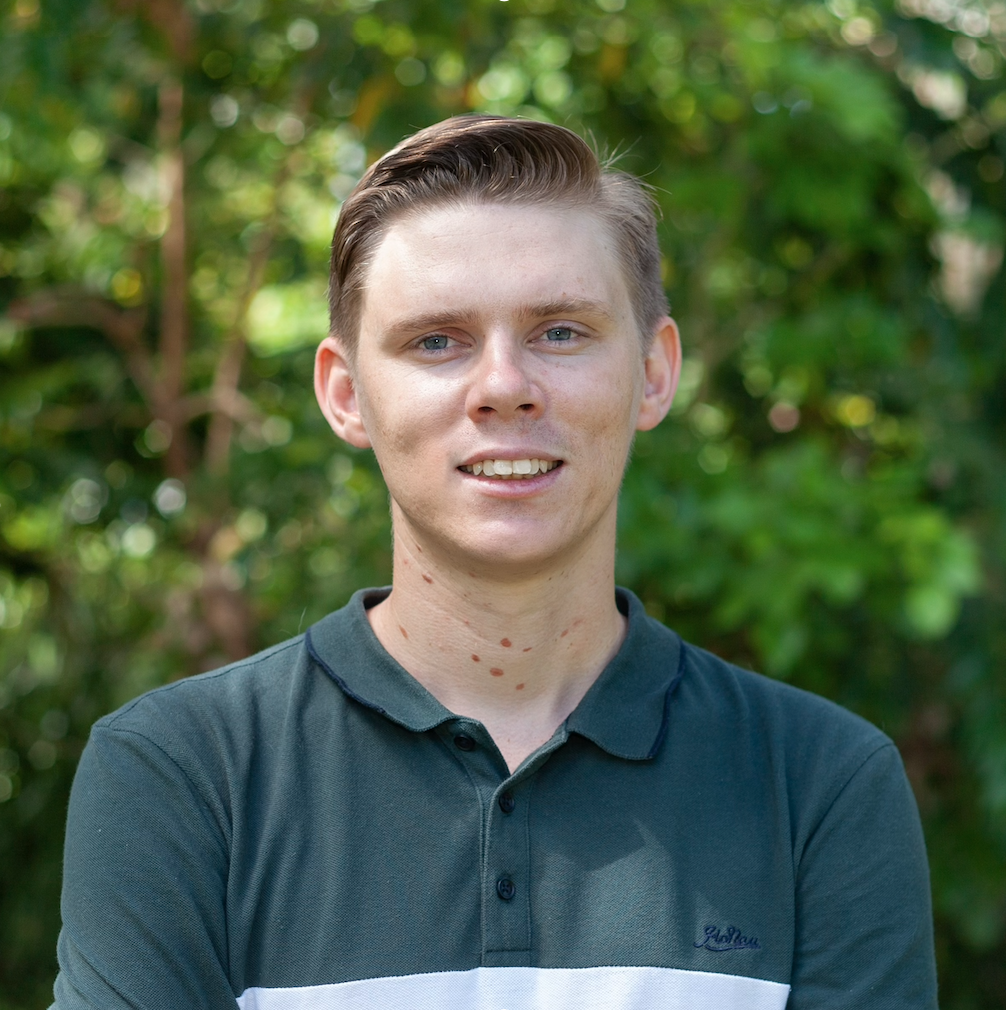
Scott Morrissey
- Research Officer
- scott.morrissey@jcu.edu.au
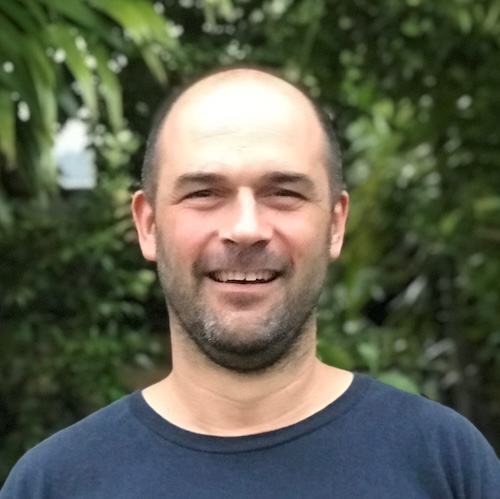
Tim Smith
- Senior Research Officer
- tim.smith2@jcu.edu.au
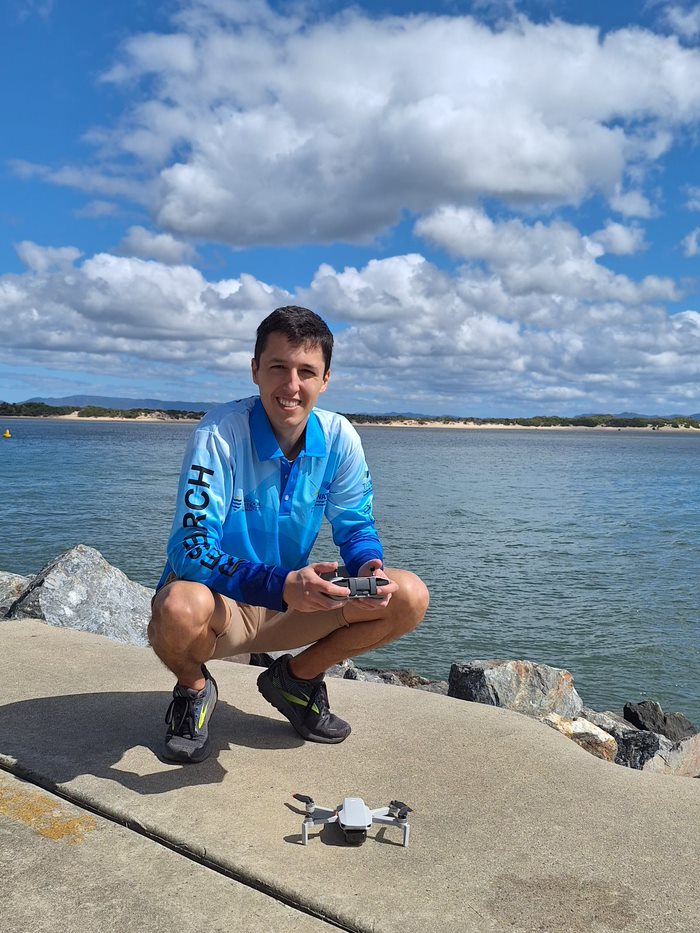
Alejandro Navarro Otero
- Casual Research Worker
- alejandro.navarrootero@jcu.edu.au
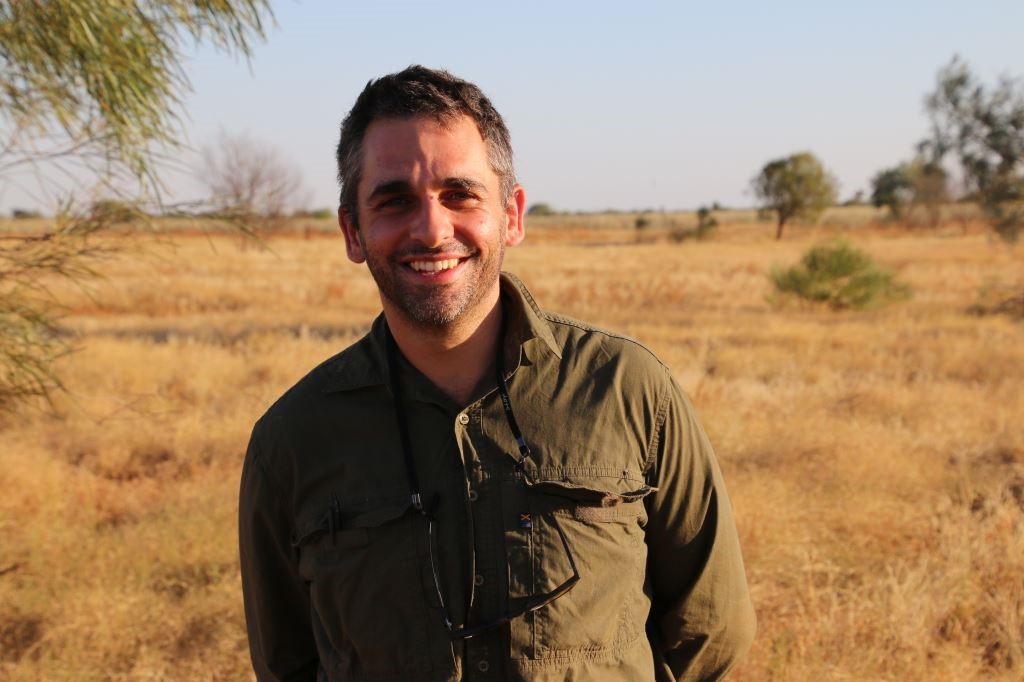
Jack Koci
- Principal Research Officer
- jack.koci1@jcu.edu.au
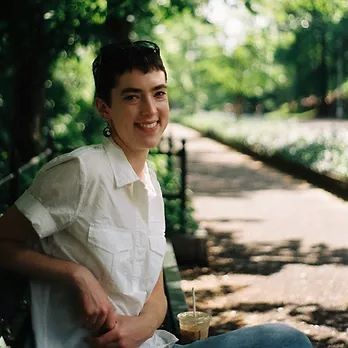
Sarah McDonald
- Senior Research Officer
- sarah.mcdonald@jcu.edu.au
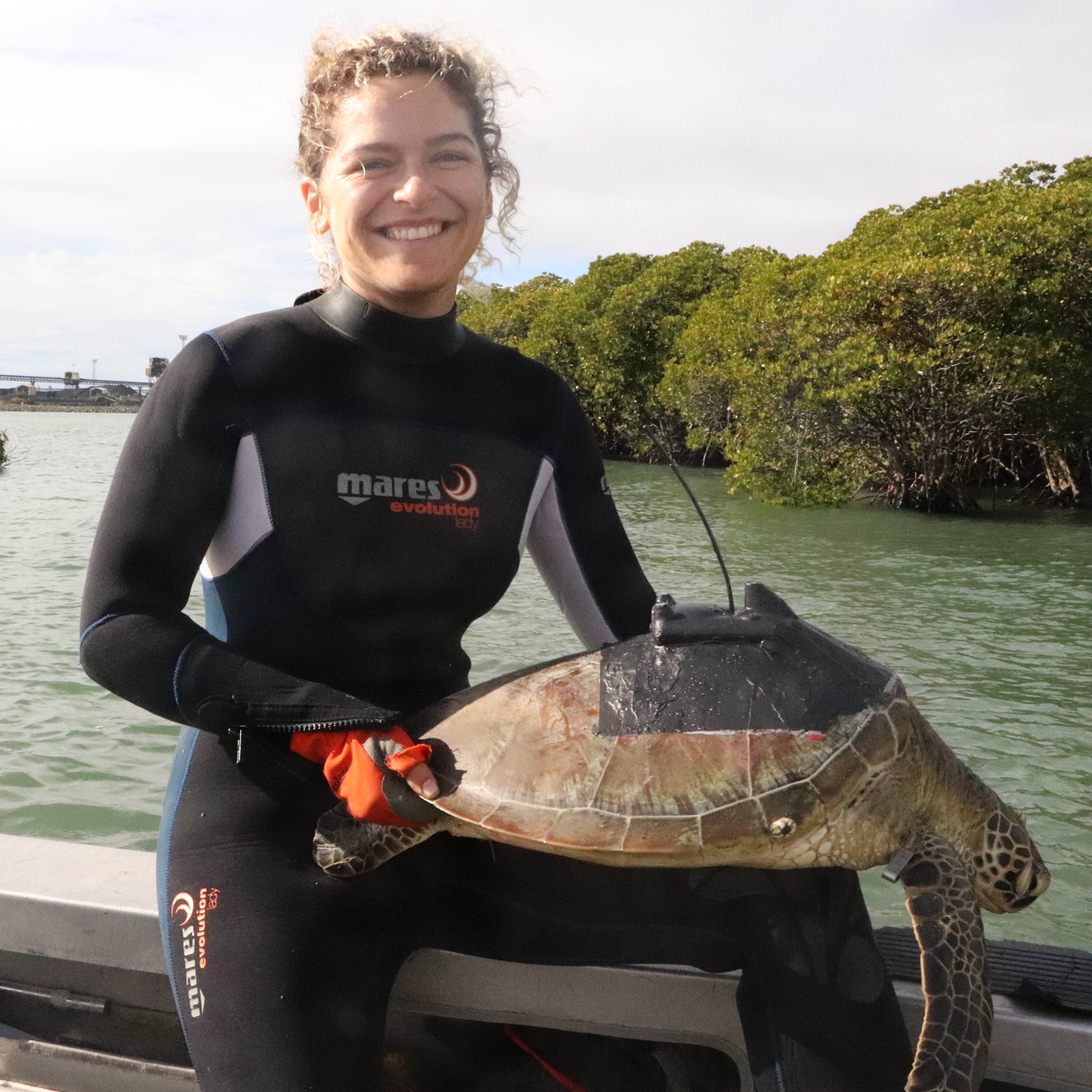
Emily Webster
- Research Officer
- emily.webster1@jcu.edu.au

Abbi Scott
- Senior Research Officer
- abbi.scott1@jcu.edu.au

Catherine Collier
- Principal Research Officer
- catherine.collier@jcu.edu.au

Rob Coles
- Principal Research Scientist
- rob.coles@jcu.edu.au

Aaron Davis
- Principal Research Officer
- aaron.davis@jcu.edu.au
Using compost from aquatic weeds to improve soil health and reduce nutrient pollution (Old ID 31118)
Excessive nutrient pollution can cause explosive aquatic weed growth, preventing fish migration, and causing mass fish kills. Weed management via herbicide spraying and removal is costly and detrimental to waterways. If the harvested weeds could be composted and used on crops, then aquatic weed management can shift from being a problem to an agricultural solution that reduces synthetic fertiliser use, while improving soil moisture, nutrient retention (reducing pollution), and soil microbial health (potentially reducing pathogens). This project examines the influence of aquatic-weed compost on the soil health and nutrient retention in tree crops near Rockhampton.
Advancing the science supporting New Zealand’s freshwater sports fisheries and game bird hunting. (Old ID 27723)
This project provides a package of scientific works to support the management of freshwater sports fisheries and game bird hunting in New Zealand. Scientific works will aim to inform several areas including, the interactions between sports fish and native fish, the climatic influences on sports fish populations, the effectiveness of ecological monitoring, and the drivers of mallard/’greylard’ populations. The works will allow managers to better support and regulate freshwater fisheries and game birds to ensure populations remain healthy and available for fishers and hunters in the long term while reducing the impacts on native fauna.
Scoring mangrove indicators for the 2019 Gladstone Harbour Report Card (Old ID 26475)
This 2019 program extends from that in 2018. As before, a wide range of expertise will be used in this environmental management project in the PCPA TUMRA Indigenous Protected Area. This evaluates the multiple threatened marine coastal ecosystems of this Central Queensland region, specifically for each of the 13 zone sub-area zones of the GHHP study area. The program engages JCU tidal wetland science specialists for the better management of shoreline environmental values by reporting of 3 mangrove condition indicators for the 2019 GHHP report card.;
'Project 25' - farmers, water quality and on-farm decision-making (Old ID 24991)
Landholder concerns surrounding the credibility of broad-scale water quality monitoring and modelling initiatives in the GBR catchment area are one of the key cane industry engagement challenges for promoting significant farming practice change, and water quality improvements. Based around small, sub-catchment water quality monitoring in a key GBR cane growing region, Project 25 utilises a bottom-up approach to integrated sub-catchment monitoring and intervention to identify 'hot spot' sub-catchments through localised water quality monitoring. The Project emphasises industry ownership and control of monitoring design, and delivery of locally targeted water quality data and extension effort to facilitate practice change.
Applying Indigenous and western science knowledges to inform the sustainable management of a dugong and seagrass hotspot in the Girringun TUMRA (Old ID 27854)
Girringun Aboriginal Corporation (GAC) are deeply concerned about potential threats and reduced resilience for the coastal environment. This project will address knowledge gaps around dugongs and seagrasses that are core to Traditional Owner’s cultural identity and traditional values; critical to the cultural, natural, socio-economic values of the Girringun Traditional Use of Marine Resources Agreement (TUMRA) and Indigenous Protected Area, the Great Barrier Reef World Heritage Area and the Hinchinbrook Island Dugong Protection Area. This project is a collaboration between GAC, seagrass and dugong experts from James Cook University, and Charles Darwin University to heal the Reef.
International Seagrass Biology Workshop (ISBW12) Conference Travel Grant (Old ID 22786)
To attend and present a research paper at the International Seagrass Biology Workshop (ISBW12) in Nant, Gwrtheyrn, Wales 16-21st October, 2016
What's really damaging the reef? Tracing the origin and fate of the environmentally detrimental sediment (Old ID 22541)
Recent research has shown that only a portion of the fine sediment fraction delivered from rivers draining into the Great Barrier Reef Lagoon reaches coral reefs and seagrass meadows. The specific sources of this sediment, which affects the health of corals and seagrasses, are as yet unresolved. This project will, for the first time characterise and trace the origin(s) and fate of this environmentally detrimental sediment using samples collected in flood plumes and during resuspension events. This will enable direct spatial targeting of the sources of this material to achieve maximum benefits to GBR health from catchment management actions.
CSIRO - JCU Partnership - Catchment Water Quality Science (2019030726) (Old ID 26465)
The CSIRO Land and Water Business Unit is seeking to engage several JCU staff to support research undertaken within the Catchment Processes Research Group. These collaborative positions will synthesise and build on the Group's scientific output within the Great Barrier Reef land management and water quality research domain. It will also strengthen out collective ability to connect land management changes (CSIRO focus) with marine impact (JCU focus).
Ravenswood Gold Environmental Research, Monitoring & Investigations. (Old ID 26949)
Environmental monitoring, research and assessment to meet regularity assessment requirements for aquatic, riparian and terrestrial systems in the region of the Ravenswood Gold mine. In addition, there are investigations into site specific water quality and sediment quality objectives.
Mapping Marra Sea Country with a focus on benthic habitats of the Limmen Marine Park (Old ID 27076)
Understanding the distribution and composition of benthic habitats in the Limmen Marine Park is necessary to manage the park in accordance with the North Marine Parks Network Management Plan and support the aspirations of the Marra People. Our team will survey the marine benthic habitats within and adjacent to the marine park. Recommendations for the marine park’s co-management will be developed. Project outputs will be relevant to multiple users and made accessible by optimizing media streams, including a short film about the Limmen marine park from the perspective of the Marra people and sea rangers.
Start Date:
01 Jan 2023
End Date:
01 Jan 2024
Start Date:
01 Jan 2022
Start Date:
01 Jan 2022
Title:
Editorial Board Chemosphere
Start Date:
01 Jan 2022
Start Date:
01 Jan 2026
End Date:
01 Jan 2026
Title:
PhD, James Cook University
Start Date:
01 Jan 2011
End Date:
01 Jan 2015
Start Date:
01 Jan 2005
End Date:
01 Jan 2007
Start Date:
01 Jan 2021
End Date:
01 Jan 2022
Start Date:
01 Jan 2022
End Date:
01 Jan 2022
Start Date:
01 Jan 2024
End Date:
01 Jan 2024