
Marine Biology & Aquaculture
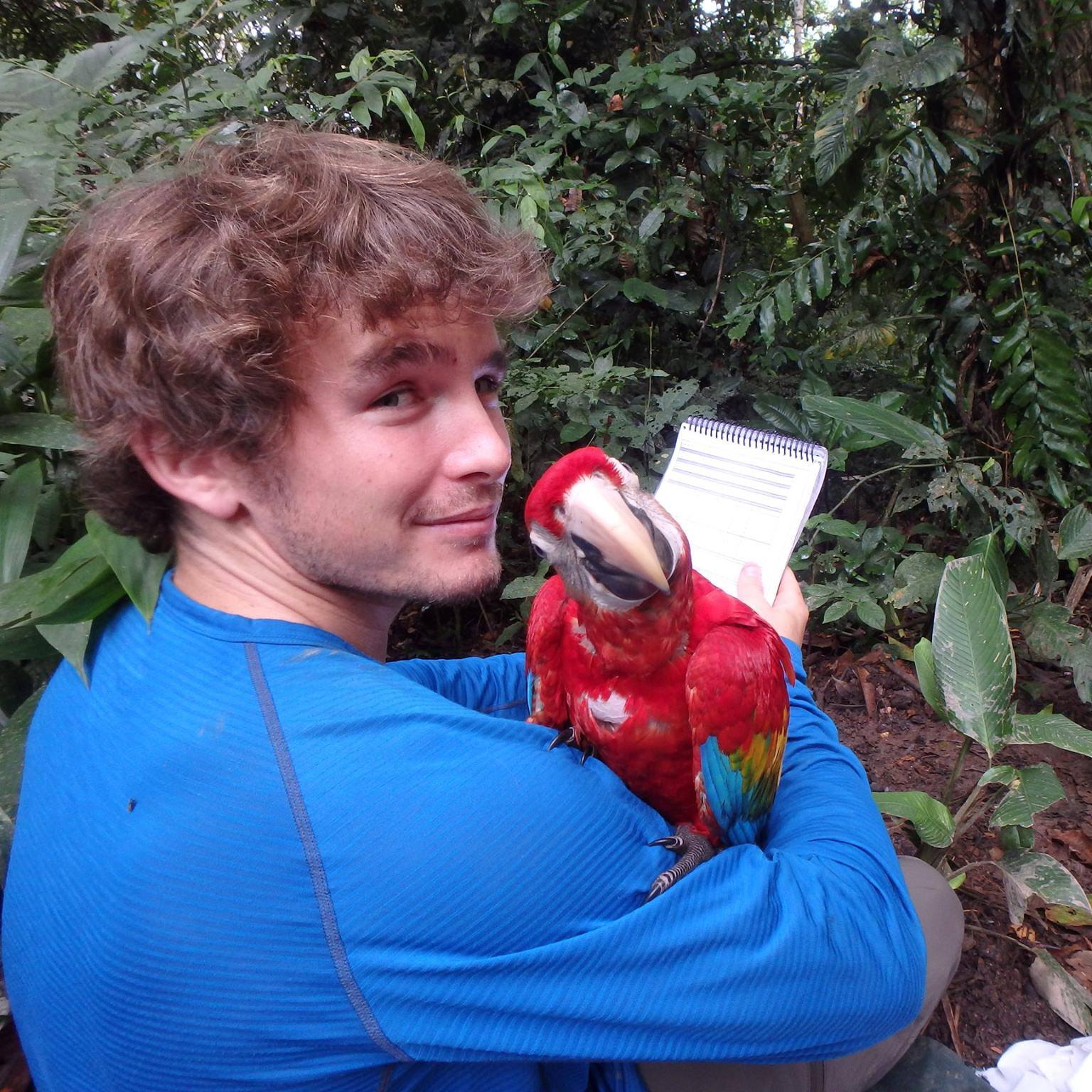
Tom Lloyd
- Postdoctoral Research Fellow, Global Ecosystems
- tom.lloyd@jcu.edu.au

Alys Young
- Postdoctoral Research Fellow, Global Ecosystems
- alys.young@jcu.edu.au
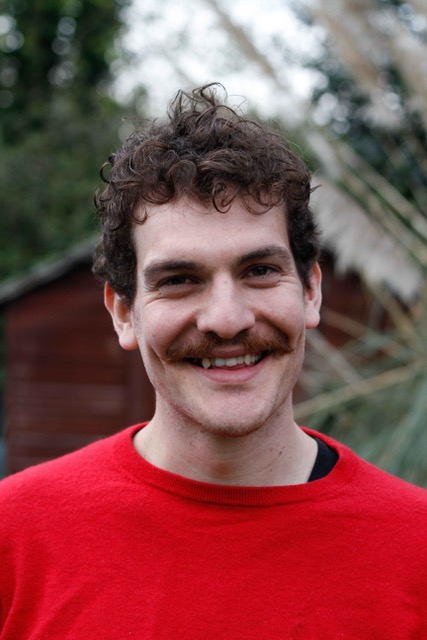
William Arlidge
- Postdoctoral Research Fellow in Community-Based Fisheries Co-Management
- william.arlidge@jcu.edu.au
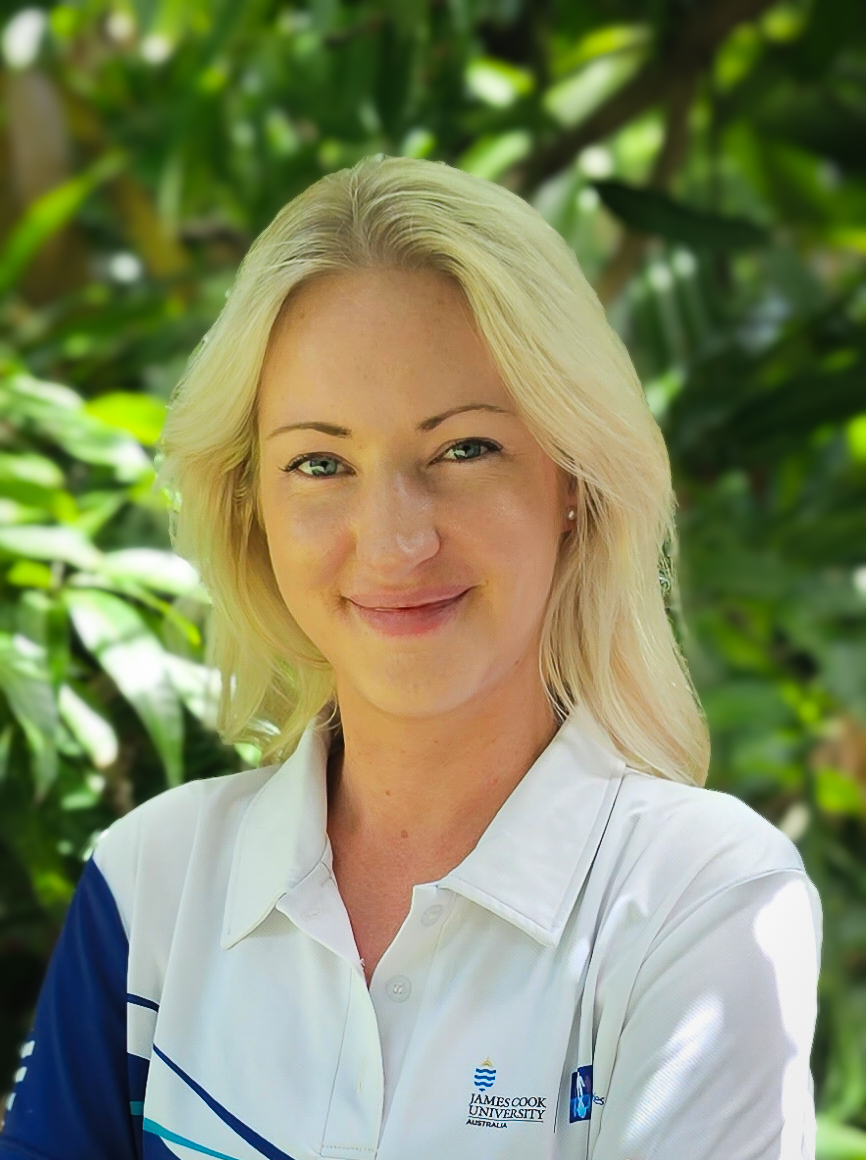
Anna Wilson
- Senior Research Worker
- anna.wilson@jcu.edu.au
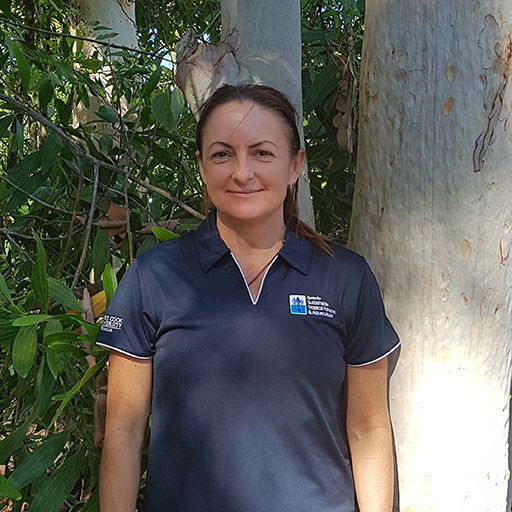
Kelly Condon
- Senior Lecturer, Aquaculture (Aquatic Animal Health)
- kelly.condon@jcu.edu.au

Graeme Cumming
- Adjunct Professor
- graeme.cumming@jcu.edu.au

Takahiro Shimada
- Adjunct Senior Research Fellow
- takahiro.shimada@jcu.edu.au
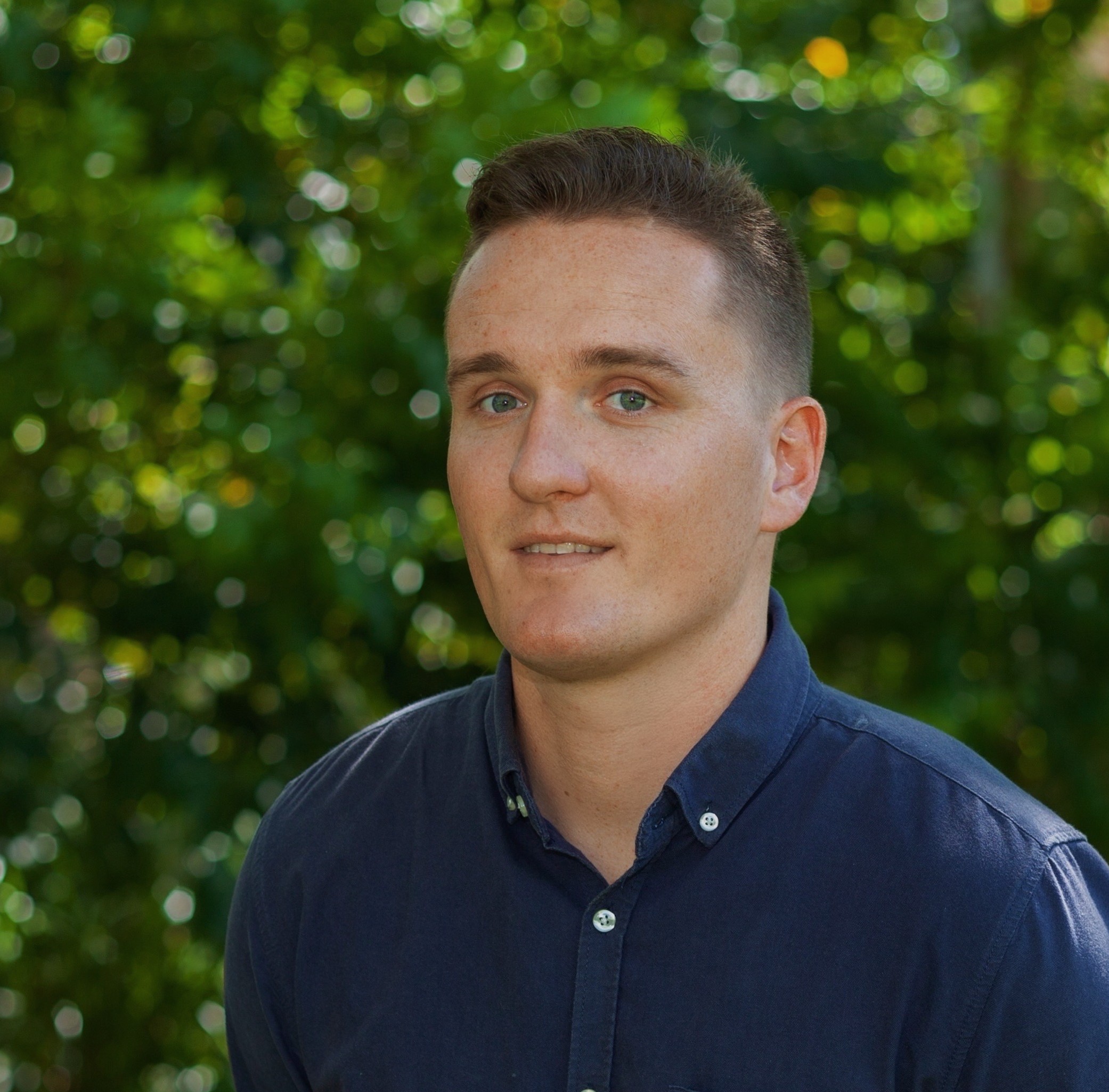
Peter Doll
- Research Fellow, Coral Reef Health Assessments
- peter.doll@jcu.edu.au
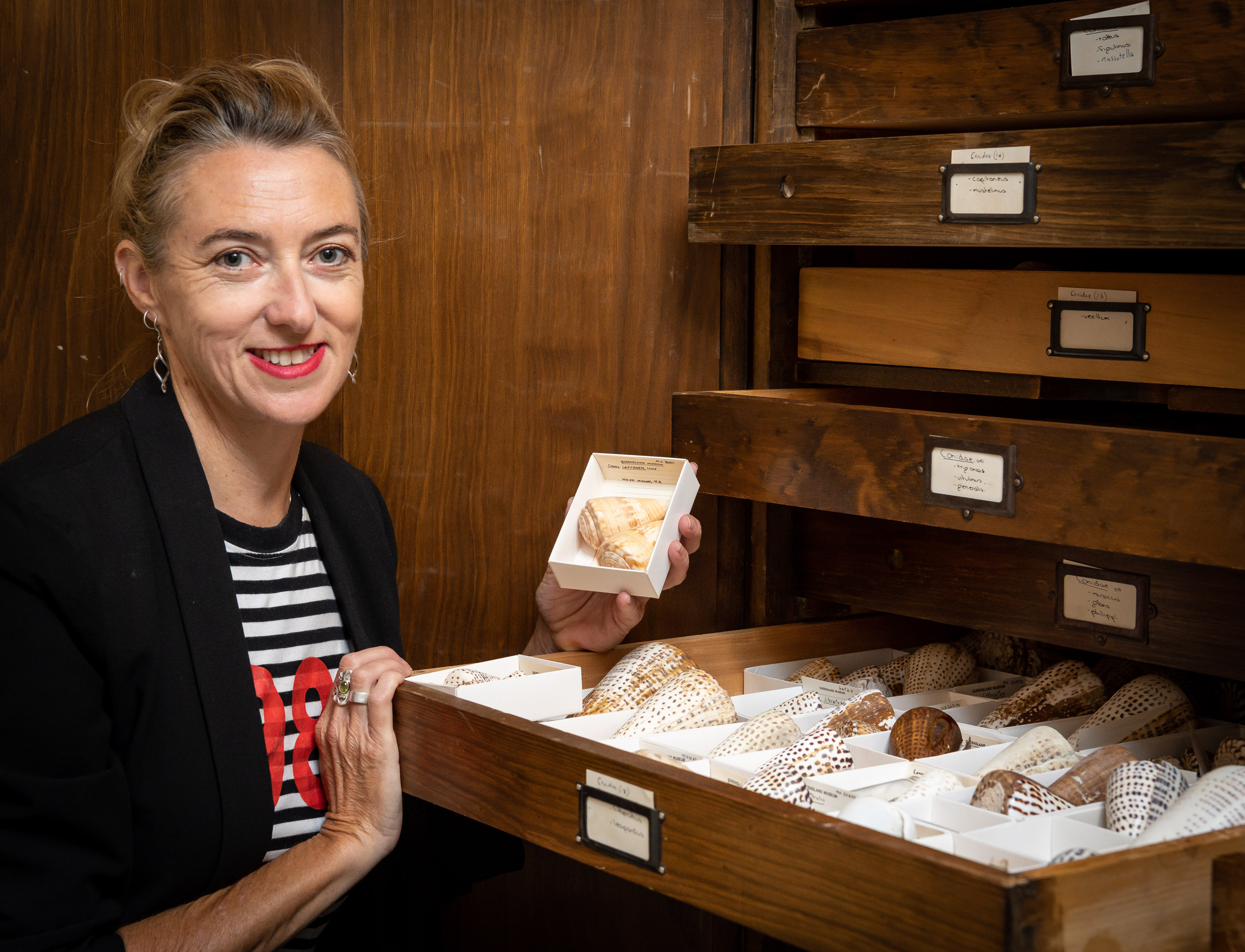
Michela Mitchell
- Casual Research Assistant
- michela.mitchell@jcu.edu.au
Jan Strugnell
- Professor, Promotional Chair
- jan.strugnell@jcu.edu.au
AEA Ignite - Gold Barramundi
Roberta Marcoli
11 Feb 2026 - 10 Jul 2027
CRISPR gene editing is changing global food production by providing new ways to improve growth, quality, and sustainability. As these technologies progress worldwide, and as Australian regulations evolve to support their safe use, the country has an opportunity to build capability now and position itself as a leader in sustainable seafood production.
This project focuses on barramundi, an iconic Australian fish and an important contributor to the national seafood industry. A key challenge for farmers is unwanted greying of fillets caused by melanin pigments, which reduces product value. Consumers prefer white fillets, which attract premium prices in both domestic and export markets.
Building on proof-of-concept research at James Cook University (JCU), we will refine CRISPR editing protocols targeting two genes: tyrp (to reduce melanin) and mstn (to improve muscle growth and yield). In partnership with Mainstream Aquaculture, the world’s largest supplier of barramundi fingerlings, we will also develop a small-scale hatchery and nursery system to rear and assess edited fish under controlled, industry-relevant conditions.
Within 12 months, the project will deliver a validated workflow alongside new operating procedures and performance benchmarks. These outcomes will support the production of whiter, higher-value fillets and help future-proof Australian aquaculture as precision breeding becomes central to global seafood production.
Scoping land use conversion options for high DIN risk, low-lying sugarcane areas in Burdekin and Mackay Whitsunday region (Old ID 26454)
Nathan Waltham
01 Jan 2019 - 01 Sep 2020
Water Quality Improvement Plans for most NRMs in the Great Barrier Reef catchments recognise that complete adoption of sugarcane best management practices will still not be sufficient to achieve the nitrogen load reductions required to meet the Great Barrier Reef Water Quality Guidelines. Thus additional options need to be considered like transitioning agricultural land to other uses. Here we aim to i) identify possible alternate land uses in coastal low-lying land, that has a high DIN loss; ii) quantify the economic costs of changing land use, and market mechanisms to incentivise this transition; and iii) explore benefits of land transition.
AEA Ignite - Gold Barramundi
Jarrod Guppy
11 Feb 2026 - 10 Jul 2027
CRISPR gene editing is changing global food production by providing new ways to improve growth, quality, and sustainability. As these technologies progress worldwide, and as Australian regulations evolve to support their safe use, the country has an opportunity to build capability now and position itself as a leader in sustainable seafood production.
This project focuses on barramundi, an iconic Australian fish and an important contributor to the national seafood industry. A key challenge for farmers is unwanted greying of fillets caused by melanin pigments, which reduces product value. Consumers prefer white fillets, which attract premium prices in both domestic and export markets.
Building on proof-of-concept research at James Cook University (JCU), we will refine CRISPR editing protocols targeting two genes: tyrp (to reduce melanin) and mstn (to improve muscle growth and yield). In partnership with Mainstream Aquaculture, the world’s largest supplier of barramundi fingerlings, we will also develop a small-scale hatchery and nursery system to rear and assess edited fish under controlled, industry-relevant conditions.
Within 12 months, the project will deliver a validated workflow alongside new operating procedures and performance benchmarks. These outcomes will support the production of whiter, higher-value fillets and help future-proof Australian aquaculture as precision breeding becomes central to global seafood production.
Increasing efficiency and effectiveness of CoTS culling at low densities
Peter Doll
15 Oct 2025 - 26 Feb 2027
This study capitalises on the demonstrated utility of Scooter Assisted Large Area Diver-based (SALAD) surveys in areas with low densities of crown-of-thorns starfish (CoTS) to adapt culling procedures. This will greatly increase efficiency of culling in areas with CoTS densities (e.g., to contain emerging outbreaks).
CoTS responses to elevated temperature and bleaching
Peter Doll
15 Oct 2025 - 26 Feb 2027
This study combines laboratory experiments and field surveys to assess how changing environmental and habitat conditions will affect crown-of-thorns starfish (CoTS). More specifically, this study will examine behavioural responses of CoTS to temperature (e.g., assessing whether feeding is suppressed), as well as feeding preferences for bleached versus unbleached corals.
An investigation of multiple paternity in the endangered narrow sawfish, Anoxypristis cuspidata (Old ID 23312)
Jan Strugnell
28 Nov 2017 - 31 Dec 2018
This genetics-based project will investigate multiple paternity in the endangered narrow sawfish for the first time. Sawfishes are arguably the most vulnerable of all marine fishes. Despite this, most aspects of their ecology and reproductive behaviour are poorly understood. A bycatch event of 25 pregnant females in Princess Charlotte Bay has provided a rare opportunity to explore multiple paternity in this species across a large number of litters. Using neutral molecular markers (microsatellites), this study will fill an important knowledge gap and provide information critical to effective conservation and management of this endangered species.
Incorporating cyanobacteria into black solider fly waste diets as an effective bloom biomass cleanup strategy.
Leo Nankervis
20 Apr 2026 - 30 Nov 2026
This research will provide insights into the feasibility of using Townsville City Council cyanobacterial waste as a sustainable Black Soldier Fly Larvae (BSFL) feedstock, with potential benefits including waste valorization, improved sustainability and the future development of scalable solutions for commercial feed applications.
Circular economy and feed management approaches for inclusive and sustainable development of marine aquaculture in Vietnam
Simon Das
01 Jan 2024 - 31 Mar 2027
Research Fellow
Closing the life-cycle of high-value Lysmata debelius shrimp in captivity
Leo Nankervis
11 May 2026 - 10 May 2027
This project aims to enable captive breeding of the high-value ornamental shrimp Lysmata debelius, a species currently sourced exclusively from wild harvest. While demand remains strong, commercial aquaculture production has been constrained by low larval survival and prolonged development. Through a collaboration between James Cook University’s Aquaculture Breeding & Reproductive Technologies Lab, JCU’s Tropical Aquafeed Innovations Lab, and Monsoon Aquatics, the project will investigate how broodstock nutrition, larval feeding strategies, and hatchery management influence survival, development, and settlement. The outcomes will support practical, scalable life-cycle closure methods, reducing pressure on wild populations and strengthening Australia’s ornamental aquaculture capability.
Simulated macro-algal outbreak triggers a large-scale response on coral reefs
- 2015
- Public Library of Science
- Researchers:David Bellwood
Presence of competitors influences photosynthesis, but not growth, of the hard coral Porites cylindrica at elevated seawater CO2
- 2015
- Oxford University Press
- Researchers:Sue-Ann WatsonMia Hoogenboom
Effects of elevated CO2 on early life history development of the yellowtail kingfish, Seriola lalandi, a large pelagic fish
- 2016
- Oxford University Press
- Researchers:Sue-Ann WatsonIan McLeod
Start Date:
10 Nov 2024
Start Date:
31 Mar 2025
Start Date:
01 Jan 2024
Start Date:
01 Jan 2024
End Date:
01 Jan 2027
Start Date:
01 Jan 2004
End Date:
01 Jan 2006
Start Date:
01 Jan 2007
End Date:
01 Jan 2007
Title:
PhD, James Cook University
Start Date:
01 Jan 2002
End Date:
01 Jan 2005
Start Date:
01 Jan 1996
End Date:
01 Jan 1999