
Marine Biology & Aquaculture
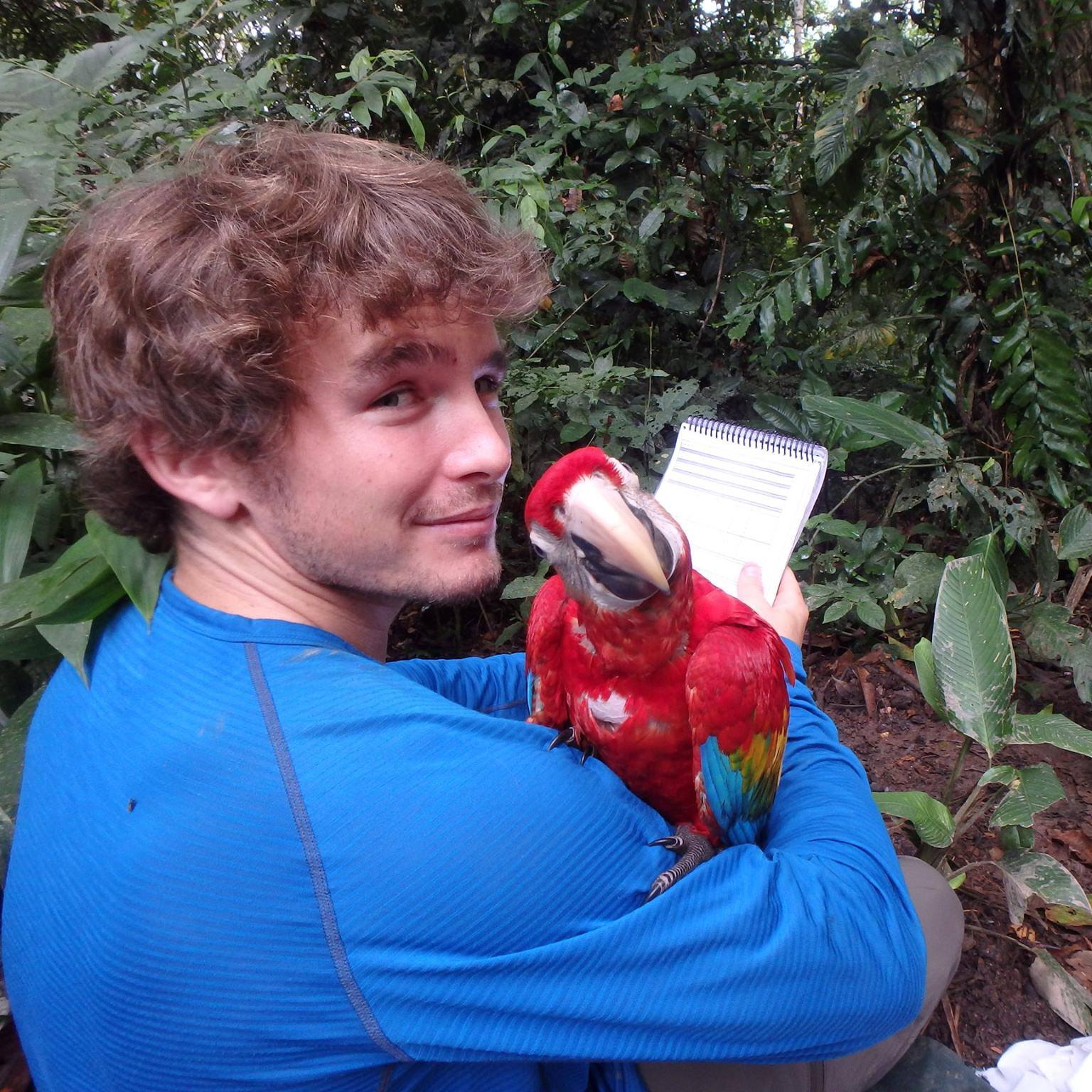
Tom Lloyd
- Postdoctoral Research Fellow, Global Ecosystems
- tom.lloyd@jcu.edu.au

Alys Young
- Postdoctoral Research Fellow, Global Ecosystems
- alys.young@jcu.edu.au
William Arlidge
- Postdoctoral Research Fellow in Community-Based Fisheries Co-Management
- william.arlidge@jcu.edu.au

Anna Wilson
- Senior Research Worker
- anna.wilson@jcu.edu.au
Kelly Condon
- Senior Lecturer, Aquaculture (Aquatic Animal Health)
- kelly.condon@jcu.edu.au

Graeme Cumming
- Adjunct Professor
- graeme.cumming@jcu.edu.au

Takahiro Shimada
- Adjunct Senior Research Fellow
- takahiro.shimada@jcu.edu.au

Peter Doll
- Research Fellow, Coral Reef Health Assessments
- peter.doll@jcu.edu.au
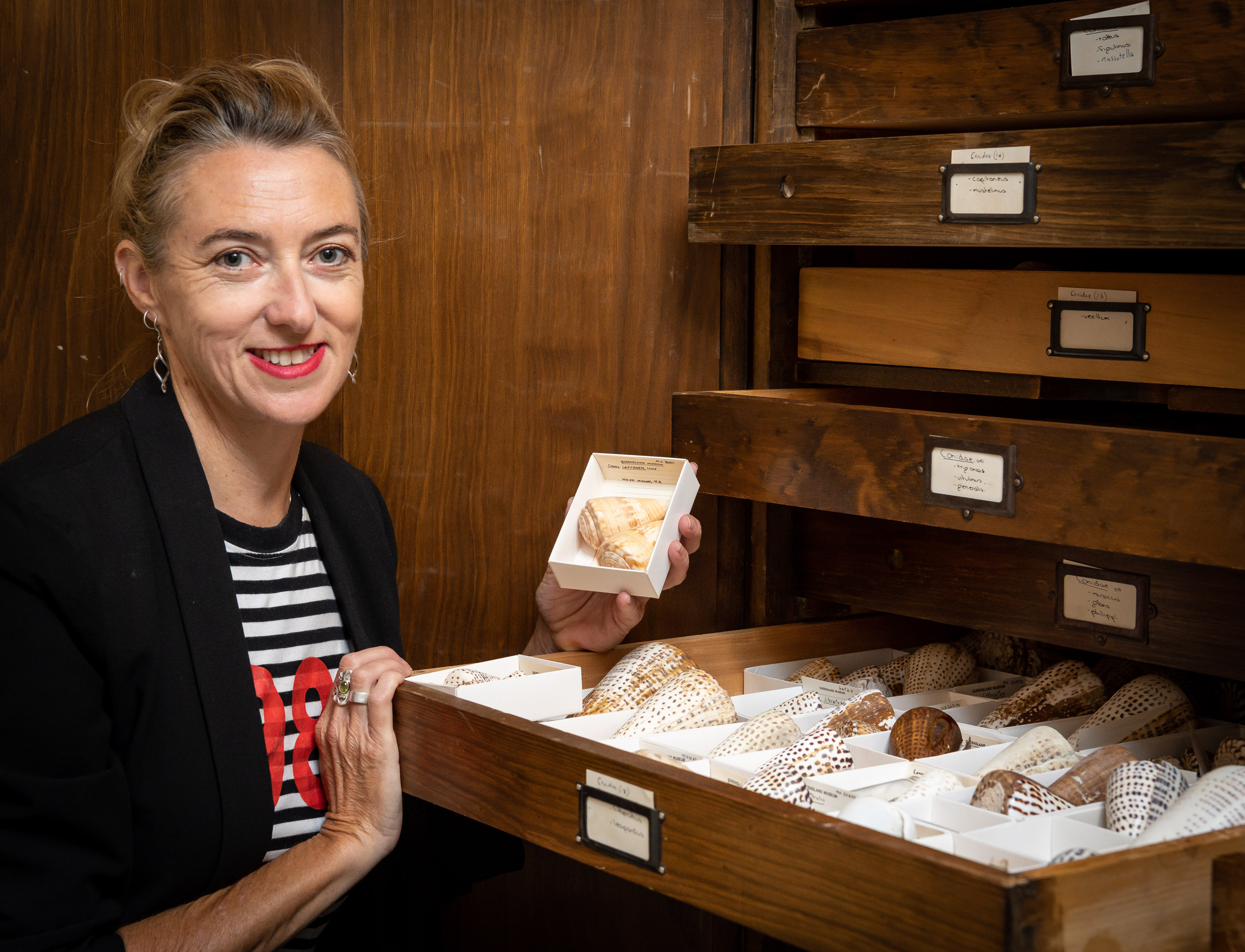
Michela Mitchell
- Casual Research Assistant
- michela.mitchell@jcu.edu.au
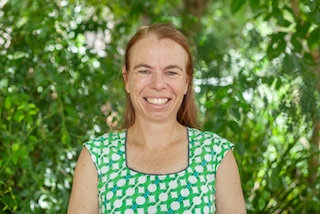
Jan Strugnell
- Professor, Promotional Chair
- jan.strugnell@jcu.edu.au
Protection, Restoration and Management of Seagrass and Saltmarsh Ecosystems of India
Nathan Waltham
27 Jun 2025 - 30 Jun 2027
This project is about restoration, protection and management of seagrass and saltmarsh ecosystems from the coast of Odisha, India. Within the project GIS based mapping, field work for collection of sediment and plant samples, data analysis and reporting writing would be included. Consequently, restoration activities are also planned for both seagrass and saltmarsh ecosystems in India.
Upscaling oyster reef and mangrove restoration in GBR catchments
Nathan Waltham
05 Aug 2025 - 31 Mar 2028
This project builds on successful, community-driven habitat restoration initiatives that will contribute to improved ecological health and biodiversity in Great Barrier Reef (GBR) catchments.
The project will deliver a multi-habitat project that will restore oyster reefs and mangrove wetlands, resulting in improved structural habitat complexity and biodiversity at the restoration sites. The project will be implemented through a series of coordinated, community-led activities across several key locations.
The Project will focus on 3 key themes:
1. Community Engagement: Engaging local communities directly in habitat restoration activities, fostering a sense of ownership and stewardship.
2. Educational Programs: Providing educational opportunities to raise awareness about the importance of marine habitats and biodiversity.
3. Volunteer Training: Training new volunteers to participate in restoration activities, including monitoring and maintenance.
Services required
As per the project application:
Support for project monitoring and maintenance activities, including flora and fauna surveys and assistance with water quality monitoring.
Deliverables for this project for James Cook University (TropWATER) are:
1. Program Design and Site Prioritisation – Attend and contribute to monthly project working group meetings. Contribute technical expertise to key discussions (as required) on prioritisation of restoration sites, restoration methods and Development Approval requirements for restoration works.
2. Stakeholder Meetings – Attend and (where relevant) facilitate key stakeholder meetings with potential project partners, including Port of Gladstone, North QLD Bulk Ports and others.
3. Environmental Monitoring 01 – Prepare an environmental monitoring program, that contains detailed information on methods and timing of data collection for flora, fauna and water quality. Monitoring will include (but is not limited to) surveys of restoration sites to assess oyster recruitment, density and growth of mangrove propagules, biodiversity assessments of fish and invertebrate communities and water quality assessments.
4. Environmental Monitoring 02 – Complete of a minimum of one monitoring event (including flora, fauna and water quality surveys) at each prioritised restoration site each quarter (every three months), starting in July 2025 to December 2027. Results are to be presented to OzFish in the form of technical summary reports prior to payment of each of Milestones 2 – 5 (see Schedule 1).
5. Project Promotion – Work with OzFish Unlimited and Reef Catchments’ project delivery and communications teams to promote project events, delivery and outcomes.
6. Final Project Report – Produce a summary technical report, detailing the findings from flora and fauna surveys, as well as water quality data. Due Date – 25 February 2028
Deliverables may be adjusted pending the initial scope of works discussions, and development of the monitoring program, with both parties (JCU and OzFish) to agree and sign any new deliverables.
In preparing this funding grant, discussions with JCU staff agreed to include a proportion of the budget to award a PhD research scholoship as part of an Industry/JCU scholarship. Provision has been made in the budget for 50% contribution through this project towards the PhD scholarship, under the provision that JCU will contribute 50% towards the PhD scholarship ($65,000, ex GST). This PhD Scholarship expands the ability to complete the research component of this project – value adding to the overall project objectives. Should JCU not support a 50% industry scholarship contribution, than the funding allocated will be consolidated into the total contract amount for JCU staff to use to complete the project.
Immunomodulatory vaccines in the treatment of peanut allergy (Old ID 27579)
Ludwig Lopata
01 Jan 2021 - 31 Dec 2023
Peanut allergy is the most common cause of food-induced anaphylactic reactions in Australia and is a major burden to our healthcare system. Current clinical practice advice dietary avoidance to prevent fatal anaphylactic responses. We propose the use of an immunomodulatory vaccine to re-write the immune response to peanut antigens, from an allergic to a tolerant phenotype. This study will provide novel insights into rational approaches for manipulating immune memory to food allergens.
Circulating human papillomavirus (HPV) DNA for surveillance of HPV-related oropharyngeal squamous cell carcinoma (HPV-OPSCC)
Ludwig Lopata
16 May 2025 - 31 Jul 2026
We propose implementing a capture-based next-generation sequencing approach for human papillomavirus (HPV) DNA detection at Townsville Hospital and Health Service and assess the feasibility, diagnostic yield, and cost compared to other established circulating HPV detection methods.
Understanding the impact of magnetic resonance impacts on immune regulatory factor secretion from brain tumour cells during radiotherapy
Ludwig Lopata
22 May 2025 - 31 Dec 2026
Our study aims to assess how magnetic resonance impacts on immune regulatory factor secretion from brain tumour cells during radiotherapy. This will be performed with an experimental study utilizing relevant therapeutic radiotherapy doses for patients with GBM and undergo rigorous quality assurance to ensure scientific accuracy.
SeaToMeat - Optimizing Seaweed Proteins to Cultivate Meat
Ludwig Lopata
14 Feb 2025 - 13 Feb 2027
The SeaToMeat (Optimizing Seaweed Proteins to Cultivated Meat) project aims to tackle challenges of the growing cultivated
meat industry by generating lower-cost, high-performance hydrolysates for cell culture media. In this innovative initiative
seaweed proteins are converted into high-value hydrolysates, supporting circular economy principles.
In collaboration with research institutions such as the Singapore Institute of Technology, James Cook University in Singapore
and Australia, and industry partner Umami Bioworks, the project employs advanced technologies to optimize hydrolysis of
seaweed protein from sustainable farms in Indonesia and Australia. This process produces hydrolysates optimized for
cultivated meat, providing a scalable, cost-effective, and serum-free culture media solution – a critical need for the sector.
Focusing on scalability and replicability, SeaToMeat is poised for significant regional and global impact, addressing market
demand for cultivated meat production. The project fosters collaboration between industry stakeholders and research
institutions, driving towards the common goal of achieving cost-effective cultivated meat.
Rebuilding with Nature - Japan
Nathan Waltham
30 Sep 2025 - 30 Sep 2026
Rebuilding with Nature is a company in Japan looking to partner with JCU to explore research capabilities and areas in the marine and coastal ecosystem space. The Non-Disclosure Agreement will commence discussions and to explore research opportunities.
Rebuilding with Nature - Japan
Nathan Waltham
30 Sep 2025 - 30 Sep 2026
Rebuilding with Nature is a company in Japan looking to partner with JCU to explore research capabilities and areas in the marine and coastal ecosystem space. The Non-Disclosure Agreement will commence discussions and to explore research opportunities.
Study of circulating human papillomavirus (HPV) DNA in HPV-related oropharyngeal squamous cell carcinoma (HPV-OPSCC)
Ludwig Lopata
07 Oct 2025 - 07 Oct 2026
Background: HPV is an established cause of the majority of oropharyngeal cancer cases in Australia, with incidence rates continuing to rise. Despite its favourable prognosis with current treatments, post-treatment surveillance for HPV-OPSCC remains challenging, requiring frequent visits to tertiary hospitals for clinical assessments and imaging. This imposes a significant burden on patients in terms of time and cost, as well as on the healthcare system.
Models suggest that incorporating circulating tumour biomarkers into surveillance protocols offers a more cost-effective alternative while maintaining clinical efficacy. The detection of HPV DNA in the blood (circulating HPV DNA, or cHPV-DNA) has shown promise as a non-invasive biomarker that can reliably identify disease recurrence before clinical symptoms or imaging abnormalities arise [2]. This early detection has the potential to enable timely salvage treatments, improving survival rates and reducing treatment-associated morbidity. This research also explores the integration of cHPV-DNA testing into current surveillance frameworks, with the goal of reducing patient visits and reliance on resource-intensive imaging. Additionally, the project has the potential to contribute to the development of personalized, response-adapted treatment strategies for HPV-OPSCC, by identifying patients at higher risk of recurrence or those who may benefit from de-escalated therapy.
Dating West Antarctic ice sheet collapse using molecular sequence data (Old ID 24850)
Jan Strugnell
01 Jan 2019 - 31 Dec 2022
This project aims to investigate the past stability and configuration of the West Antarctic Ice Sheet by examining genomic signatures in present day bottom-dwelling Antarctic marine animals. By employing this novel biological approach to address a key question for physical scientists, this project will provide an independent test of the hypothesis that the West Antarctic Ice Sheet collapsed during the most recent interglacial and formed a transAntarctic seaway. Expected project outcomes include increased resolution of the most recent collapse of the West Antarctic Ice Sheet. This should provide significant benefits in predicting future collapse and its impact on sea level rise which is a key uncertainty resulting from climate change.
Tus-Ter-lock immuno-PCR assays for the sensitive detection of tropomyosin-specific IgE antibodies
- 2014
- Future Science
- Researchers:Ludwig LopataPatrick Schaeffer
Assessing connectivity of a tropical estuarine teleost through otolith elemental profiles
- 2014
- Inter-Research
- Researchers:Colin Simpfendorfer
Next generation of food allergen quantification using mass spectrometric systems
- 2014
- American Chemical Society
- Researchers:Ludwig Lopata
Temporal evolution of coral reef fishes: global patterns and disparity in isolated locations
- 2014
- Blackwell Publishing
- Researchers:David Bellwood
Start Date:
10 Nov 2024
Start Date:
31 Mar 2025
Start Date:
01 Jan 2024
Start Date:
01 Jan 2024
End Date:
01 Jan 2027
Start Date:
01 Jan 2004
End Date:
01 Jan 2006
Start Date:
01 Jan 2007
End Date:
01 Jan 2007
Title:
PhD, James Cook University
Start Date:
01 Jan 2002
End Date:
01 Jan 2005
Start Date:
01 Jan 1996
End Date:
01 Jan 1999