
Marine Biology & Aquaculture
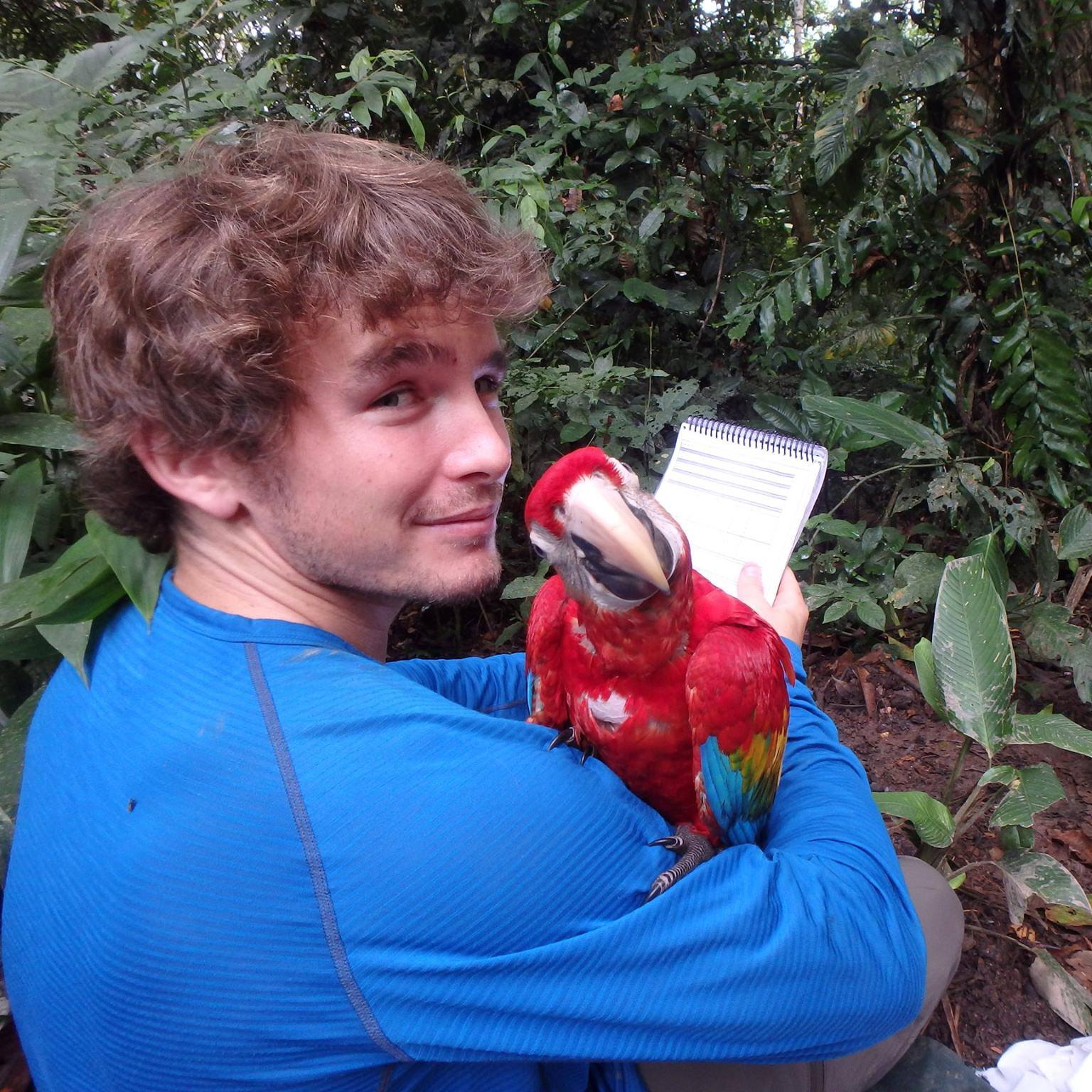
Tom Lloyd
- Postdoctoral Research Fellow, Global Ecosystems
- tom.lloyd@jcu.edu.au

Alys Young
- Postdoctoral Research Fellow, Global Ecosystems
- alys.young@jcu.edu.au
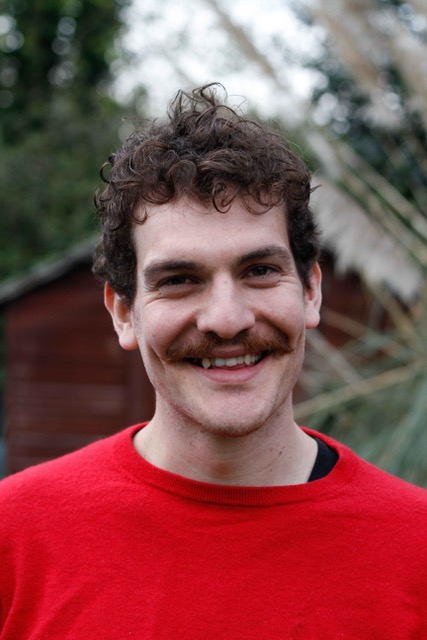
William Arlidge
- Postdoctoral Research Fellow in Community-Based Fisheries Co-Management
- william.arlidge@jcu.edu.au
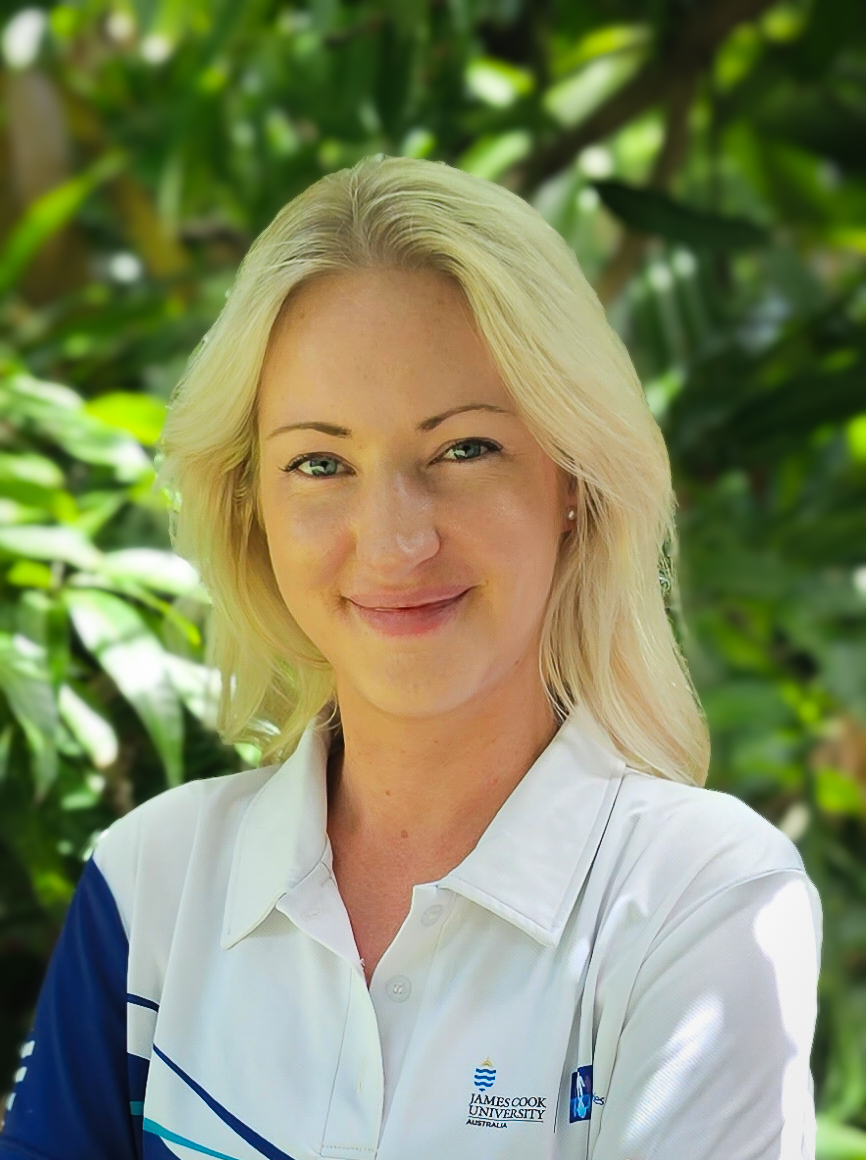
Anna Wilson
- Senior Research Worker
- anna.wilson@jcu.edu.au
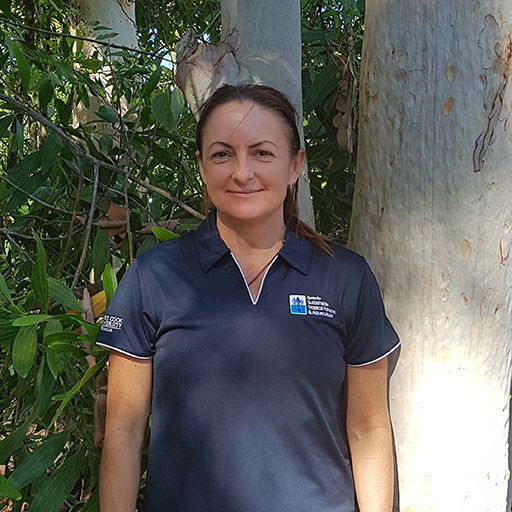
Kelly Condon
- Senior Lecturer, Aquaculture (Aquatic Animal Health)
- kelly.condon@jcu.edu.au

Graeme Cumming
- Adjunct Professor
- graeme.cumming@jcu.edu.au

Takahiro Shimada
- Adjunct Senior Research Fellow
- takahiro.shimada@jcu.edu.au

Peter Doll
- Research Fellow, Coral Reef Health Assessments
- peter.doll@jcu.edu.au
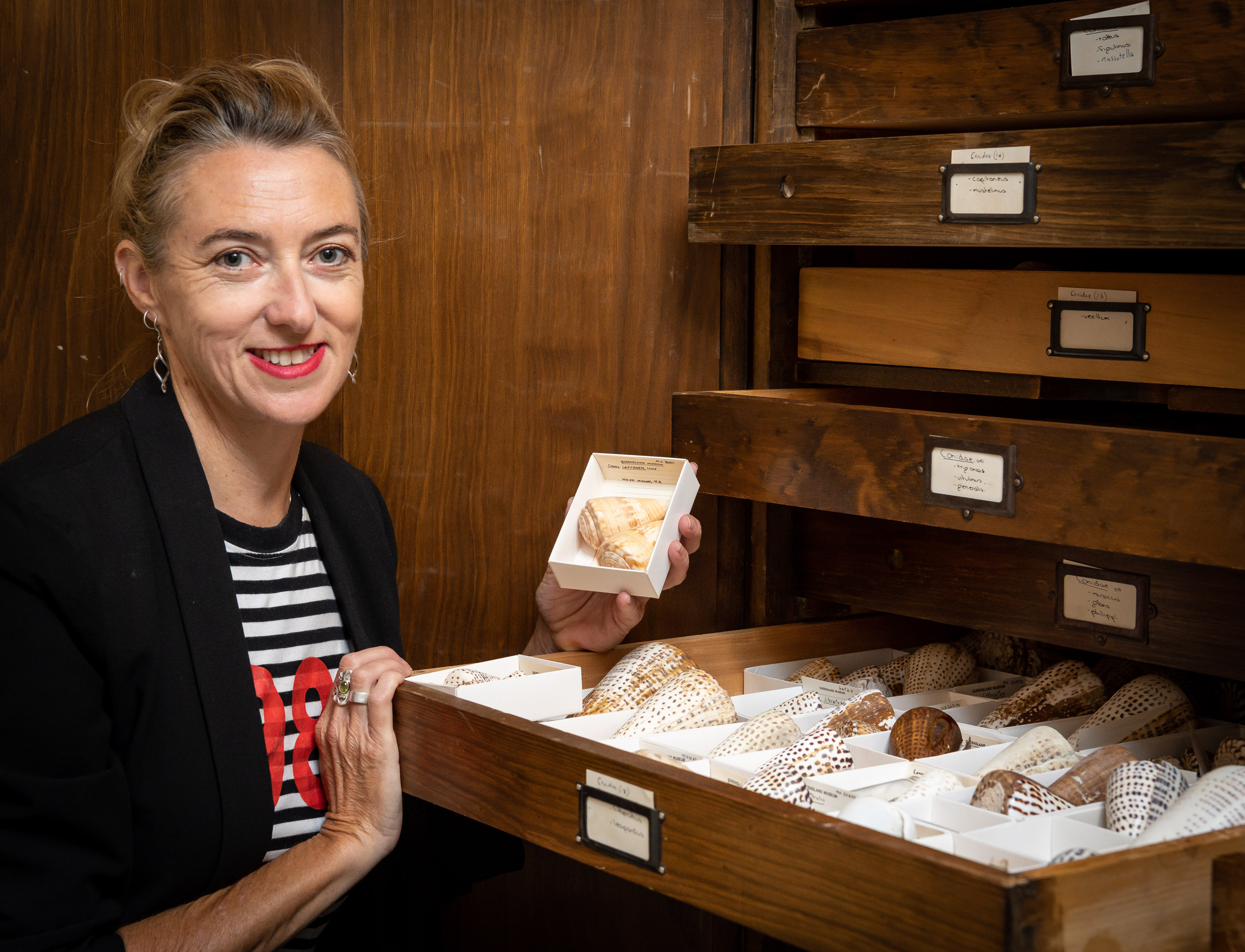
Michela Mitchell
- Casual Research Assistant
- michela.mitchell@jcu.edu.au
Jan Strugnell
- Professor, Promotional Chair
- jan.strugnell@jcu.edu.au
Tropical North Queensland Drought Resilience Adoption and Innovation Hub (TNQ Hub)
Nathan Waltham
16 Jun 2021 - 30 Jun 2027
This project will establish, implement and manage the TNQHub (“Hub”) activities including collaborative research, development, extension, adoption and commercialisation (RDEA&C). The Hub will help Australian farmers and communities become more prepared for, and resilient to, the impacts of drought. The objective is to invest in RDEA&C activities, which involves: - Cross-sectoral innovative and transformative RDEA&C - Focus on the needs of end users, involving them in the co-design and adoption phases of research and development - Delivery of effective communication of new and existing knowledge and technologies - Co-investment in national drought resilience RDEA&C priorities with collaboration and co-design between governments, primary producers, community groups, research and training provider
ARC Research Hub for Supercharging Tropical Aquaculture Through Genetic Solutions (Old ID 27374)
Ludwig Lopata
09 Sep 2021 - 31 Dec 2025
This project aims to integrate cutting edge genetic and genomic approaches into innovative aquaculture enterprises that farm in tropical northern Australia. It will deliver the requisite genetic knowledge to instigate world-leading and highly productive breeding programs for five species (barramundi, pearl oyster, prawn, grouper and marine seaweed), along with a novel understanding of the genetic basis of disease resistance and how the production environment interfaces with the bacterial microbiome, pathogens and water quality to cause disease. It will increase Australia's capacity to deliver advanced genetics outcomes to the aquaculture sector, while increasing productivity, international competitiveness, and lowered risk due to disease.
ARC Research Hub for Supercharging Tropical Aquaculture Through Genetic Solutions (Old ID 27374)
Leo Nankervis
09 Sep 2021 - 31 Dec 2025
This project aims to integrate cutting edge genetic and genomic approaches into innovative aquaculture enterprises that farm in tropical northern Australia. It will deliver the requisite genetic knowledge to instigate world-leading and highly productive breeding programs for five species (barramundi, pearl oyster, prawn, grouper and marine seaweed), along with a novel understanding of the genetic basis of disease resistance and how the production environment interfaces with the bacterial microbiome, pathogens and water quality to cause disease. It will increase Australia's capacity to deliver advanced genetics outcomes to the aquaculture sector, while increasing productivity, international competitiveness, and lowered risk due to disease.
The Development of Procedures for Quantifying Prawn Allergens (Old ID 23528)
Ludwig Lopata
13 Mar 2017 - 31 Dec 2017
There is an increasing prevalence of food allergies world-wide with shellfish being one of the main food groups that provoke serious IgE-mediated adverse reactions. Shellfish allergy affects up to 2% of the world population, with higher prevalence seen in areas with high seafood consumption. Because of the high incidence of allergic reactions to prawns, the study focuses on this highly consumed shellfish species. The major allergenic proteins from prawns will be purified and monoclonal antibodies will be developed against them. These antibodies will be used to establish a sensitive and reproducible ELISA based quantification method for the prawn allergens.
Coastal acidification in the benthic boundary layer on inshore reefs: implications on water chemistry and benthic communities (Old ID 24986)
Mia Hoogenboom
15 Mar 2018 - 14 Mar 2023
This project will investigate the effects of coastal acidification on the waters within the benthic boundary layer, as well as the implications for important coral reef organisms and communities present in this area. I aim to (a) understand the dynamics and responses of this microenvi9ronment and its constituents with respect to coastal acidification and temperature, and (b) improve current predictions on the reef's ability to recover after acute stresses, such as bleaching or cyclone damage, under an increasingly acidifying ecosystem.
Comparing the use of underwater video and unmanned aerial vehicles for assessing use of tropical estuaries by marine fauna (Old ID 27583)
Nathan Waltham
01 Jul 2022 - 01 Jul 2023
Remote underwater video (RUV) is considered an established method for elucidating fish community structure but little work has been done to assess the optimal number of cameras required to precisely assess species richness. Unmanned aerial vehicles (UAVs), on the other hand have remained completely untested for this purpose. Using the two methods in tandem (RUVs and UAVs), this project aims to compare established (RUV) and novel (UAV) methodologies for determining fish community structure and determine how may cameras are required to accurately and precisely assess the use of large woody debris by fish.
Determining nitrogen removal from floodplain restoration with Melaleuca (Old ID 27462)
Nathan Waltham
08 Nov 2021 - 31 Dec 2022
Tree swamps, such as those with Melaleuca, have the potential to remove nitrogen from agricultural runoff. This project aims to: (i) assess the effectiveness of a Melaleuca planting integrated within a Wet Tropics cane-dominated catchment to remove nitrogen from floodwaters before it flows to the Great Barrier Reef; and (ii) scope locations for future tree swamp integration across the Great Barrier Reef catchment.
RRAP CAD-02 Engineering large scale coral aquaculture. (Old ID 27362)
Rachel Neil
01 Oct 2020 - 31 Dec 2026
Efficient coral production methods are required for restoration and adaptation interventions to reach the scale necessary for ecologically relevant outcomes. Coral Aquaculture production systems will be designed to meet the desired capacity levels, while also providing conditions to maintain the health of early life stages of corals. Appropriate and efficient aquaculture conditions and infrastructure are critical, along with strategies to optimise settlement, survival and growth of early life stage corals. For corals produced in the aquaculture systems and earmarked for out-planting to natural reefs systems, strict health and quality assurance standards also be investigated.
Denitrification bioreactor trial in the Russell catchment of the Wet Tropics (Old ID 23408)
Nathan Waltham
01 Nov 2017 - 30 May 2020
This project will establish the effectiveness of denitrification bioreactors as an on-farm technology for removing dissolved inorganic nitrogen (DIN) in waters draining the Babinda Swamp Drainage Area. The region has been identified as a hotspot for DIN in the Great Barrier Reef catchment. This will be the first trial of denitrification bioreactors in the Wet Tropics. Denitrifying bioreactors route water through a high-carbon substrate under anaerobic conditions to encourage denitrification (the conversion of DIN to atmospheric N2). Two bioreactor configurations will be tested at two sites, and the potential for broader adoption will be assessed.
Taxonomy of the reef-building corals of Lizard Island (Old ID 27561)
Peter Cowman
01 Apr 2022 - 31 Mar 2024
The short term aim of the project is to establish a curated collection of all scleractinian coral species from Lizard Island, including field and skeleton images plus tissue samples. This will allow for consistency in identification of corals among studies. The long term goal is a robust taxonomy for the corals of Lizard Island using an integrated approach that includes quantitative morphological analysis, molecular analysis and other lines of evidence, such as spawning times and breeding compatibilities.
Problems with seafood: adverse reaction or true allergy?
- 2007
- Australian Institute of Food and Science Technology
- Researchers:Ludwig Lopata
Identification and quantification of specific IgG antibodies
- 2007
- Allergy Society of South Africa
- Researchers:Ludwig Lopata
Adverse reactions to fish
- 2004
- Allergy Society of South Africa
- Researchers:Ludwig Lopata
Start Date:
10 Nov 2024
Start Date:
31 Mar 2025
Start Date:
01 Jan 2024
Start Date:
01 Jan 2024
End Date:
01 Jan 2027
Start Date:
01 Jan 2004
End Date:
01 Jan 2006
Start Date:
01 Jan 2007
End Date:
01 Jan 2007
Title:
PhD, James Cook University
Start Date:
01 Jan 2002
End Date:
01 Jan 2005
Start Date:
01 Jan 1996
End Date:
01 Jan 1999