
Marine Biology & Aquaculture
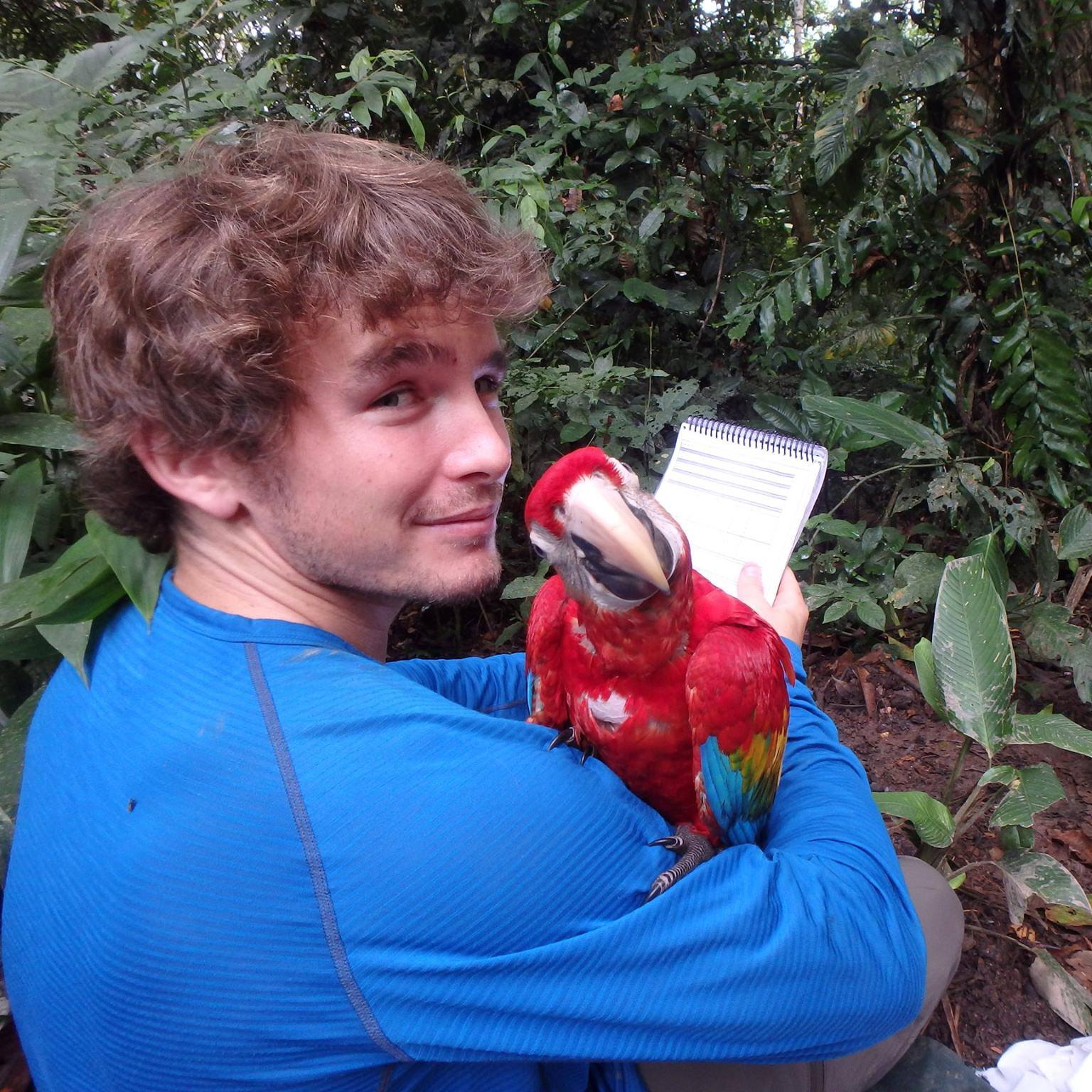
Tom Lloyd
- Postdoctoral Research Fellow, Global Ecosystems
- tom.lloyd@jcu.edu.au

Alys Young
- Postdoctoral Research Fellow, Global Ecosystems
- alys.young@jcu.edu.au
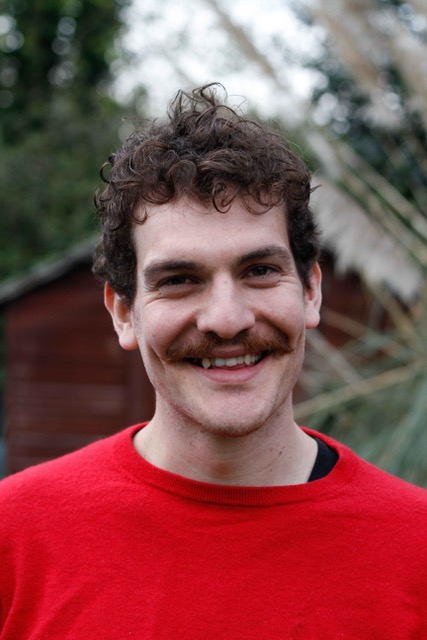
William Arlidge
- Postdoctoral Research Fellow in Community-Based Fisheries Co-Management
- william.arlidge@jcu.edu.au

Anna Wilson
- Project Coordinator
- anna.wilson@jcu.edu.au
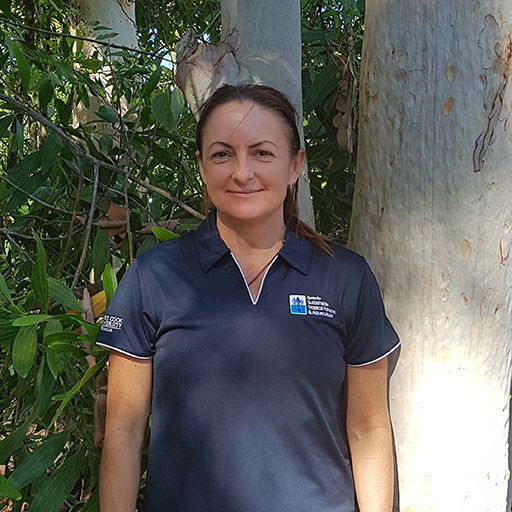
Kelly Condon
- Senior Lecturer, Aquaculture (Aquatic Animal Health)
- kelly.condon@jcu.edu.au

Graeme Cumming
- Adjunct Professor
- graeme.cumming@jcu.edu.au

Takahiro Shimada
- Adjunct Senior Research Fellow
- takahiro.shimada@jcu.edu.au

Peter Doll
- Research Fellow, Coral Reef Health Assessments
- peter.doll@jcu.edu.au
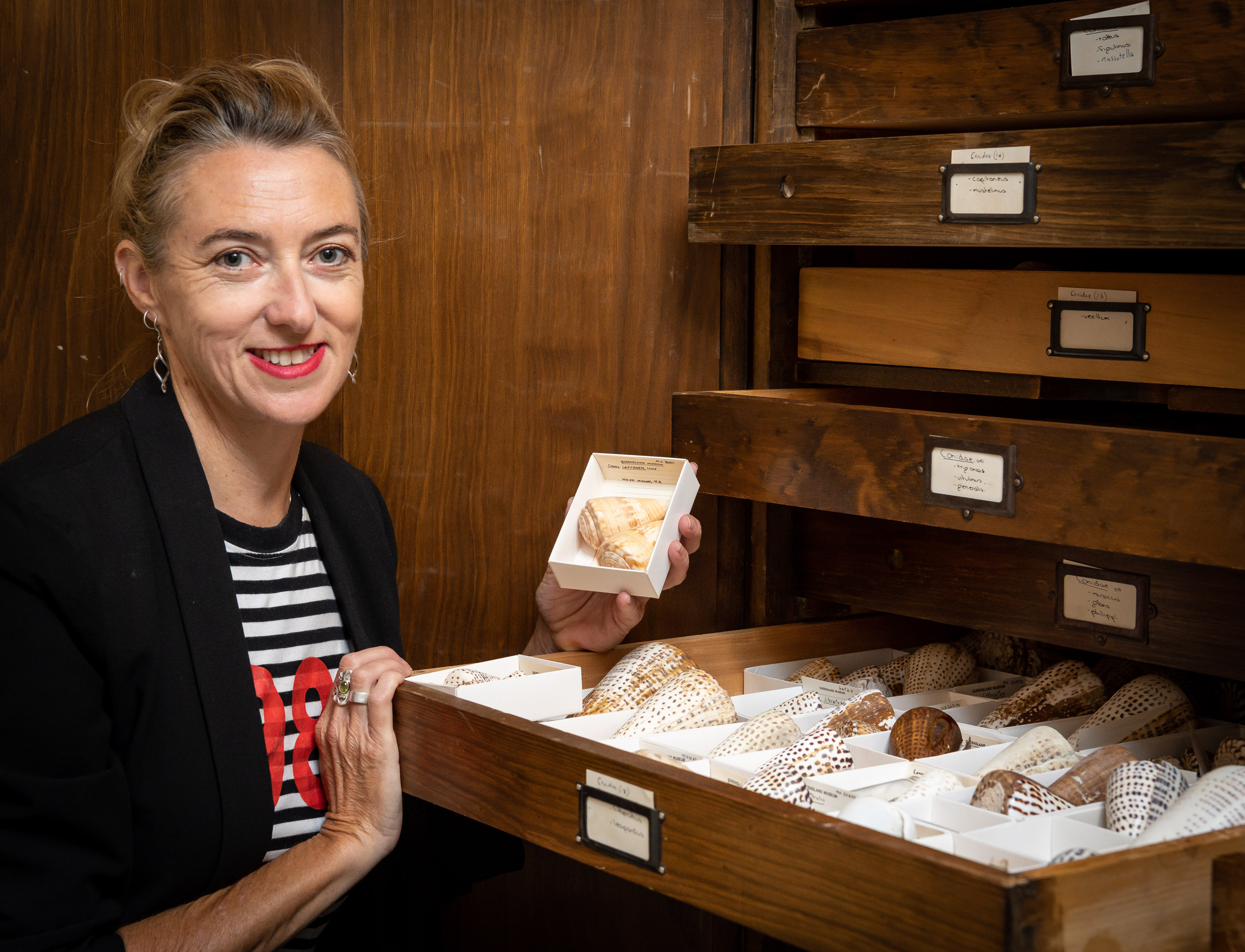
Michela Mitchell
- Casual Research Assistant
- michela.mitchell@jcu.edu.au
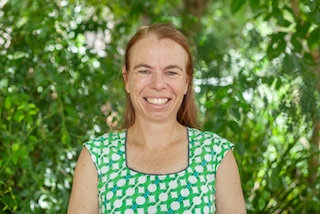
Jan Strugnell
- Professor, Promotional Chair
- jan.strugnell@jcu.edu.au
PNG & Pacific Island Nations Feeds Review. (Old ID 27717)
Review the barriers to expansion of tilapia aquaculture for development in PNG, Solomon Islands and Timor-Leste, with special reference to feeds and fingerlings.
Reconstructing past grounded ice extent over time around Wilkes Land margin, East Antarctica, using animal genomes (Old ID 27730)
The marine-based margins of the Antarctic Ice Sheet are vulnerable to collapse based on current trajectories in temperature rise. A deep uncertainty remains on whether the marine-based margin of the East Antarctic Ice Sheet (EAIS) (ie, Wilkes Land) is sensitive to climate change. This project applies an innovative, genomic approach to reconstruct past configurations of the marine-based EAIS to inform its future stability.
Coral Reef Health in the Coral Sea Marine Park (Old ID 24771)
A number of coral reefs occur in the Australian Marine Parks estate, particularly within the Coral Sea Marine Park (CSMP). In 2016 and 2017, coral reefs in the Great Barrier Reef Marine Park and CSMP were impacted by a mass global coral bleaching event. Regular surveys of coral bleaching and associated reef health in the CSMP are needed to inform future marine park management over the next three years to either enable comparisons against historical baselines where bleaching has previously occurred, or set new baselines for areas that aren’t bleached but may be in the future.
Lobster Aquaculture Groote Eylandt Phase 2A - Nursery (Old ID 27401)
This project is part of a research and development program to establish tropical rock lobster aquaculture at Groote Eylandt in the Northern Territory. The project complements Phase 1 (lobster seed assessment, on-going) and will support development of nursing of seed lobsters. The project will include components of both research and development, examining and trialling various technologies in the sea and on land to nurture small lobsters from the puerulus stage to a size of up to 100g. The project includes aspects of aquaculture technology development, training, extension, social science, economics and marketing. The project will provide the Anindilyakwa Land Council with the means and confidence to establish commercial lobster nursery operations. The project represents the first part (Part A) of nursery development and there is an expectation of a follow-on project (Part B) to continue the nursery development through 2022.
The relative contribution of gleaning to Tonga's inshore fishery
The services to be provided are, as part of a team detailed in C.A.5 Specified Personnel and C.A.6 Subcontractors, to travel to Tonga to undertake a scoping study to evaluate the contribution of gleaning activities in Tonga’s inshore fisheries.
The scoping study will include scoping activities such as;
• reviewing existing data including the small survey done by the Vava’u Environmental Protection Agency in collaboration with Ministry of Fisheries Tonga (MoF) and any other available data on gleaning that MoF has been collecting (hard drives, reports etc). This activity is expected to take approximately 1 week and will involve working from MoF offices with MoF staff member, Sela Kioa. The specified personnel, Dr Patrick Smallhorn-West, holds an MoU with MoF for the purposes of supporting research on Tonga’s marine ecosystems and fisheries to strengthen the resilience of these systems, generate high quality research outputs, support knowledge co-production, and improve overall efficacy of marine management and conservation in Tonga. The current MoU will expire in January 2027, at which time an extension will be discussed.
• conducting community land surveys and market surveys in 9-12 communities (3-4 in each island group). The surveys will involve recording catch (kg, species) and effort (hrs) of people in gleaning communities. Market data will also be paired with these surveys to attribute a dollar value to catch. The surveys will be conducted in person by the specified personnel and subcontractors. Once the survey methodology is finalised, it will be shared with the Contract Manager for approval.
The activities are being undertaken in order to understand the extent and economic contribution of gleaning in Tonga. The Supplier is required to work with the Tongan Ministry of Fisheries when undertaking the scoping activities.
The Supplier is required to submit a detailed work plan that will include an estimated timeline of activities, in Word format via email to the Contract Manager by 31 March 2024.
At the completion of the services, the Supplier is required to submit a draft report that documents a summary of activities, trip report, review results including the key findings, opportunities and recommendations. The draft report is to be submitted by 1 February 2025. Following feedback from the Contract Manager, the final report is due by 28 February 2025.
Novel reproductive approaches to de-risk and transform barramundi breeding (Old ID 31145)
Demand for Australian seafood outstrips supply. Farming of the iconic Australian barramundi is poised to play a major role addressing this shortfall; but innovative methods are needed to de-risk breeding processes and to provide precise control of maturation, spawning and genetic contribution of broodstock. This project, in partnership with the world’s largest barramundi breeding company, will develop, test and apply novel breeding methods to obtain tight control over barramundi reproductive development and spawning. By combining cutting edge genetic and applied breeding techniques, selective breeding programs will be more efficient and the genetic gains from breeding programs will be maximised.
Jaragun wetland restoration research
Complete wetland research with Jaragun in wet tropics, including oyster and freshwater ecology research.
Ecosystem Risk Assessment: new solutions to the global biodiversity crisis (Old ID 26808)
This project aims to develop a typological framework for the world's ecosystems, and undertake the first broadscale global risk assessment for ecosystems. It also includes detailed Australian risk assessments and scenario analyses to develop sustainable management of ecosystem services and climate adaptation strategies. The outcomes include the first global-scale framework for classifying terrestrial, freshwater and marine ecosystems, the first global Red List of Ecosystems an didentified priorities for protecting Earth's remaining wild ecosystems and restoring those that have suffered degradation. These advances will support progress on UN Sustainable Development Goals. The case studies will significantly benefit on-ground action.
A global standard for the status of Wetlands of Interatnional Importance (Old ID 26809)
The project will develop and test a new global standard for the assessment and reporting on ecological condition of internationally important wetlands, listed aunder the Ramsar Convention. It has four aims: establishment of a strategic adaptive management and governance framework, a meta-analysis of the 2,303 internationally listed wetlands, development of a protocol for assessmetn and prediction and delivering a digital reporting platform for effective management. The project is significant because it tackles the decline of freshwater ecosystems, by targeting the most prominent wetlands. It also assists state and national governments to meet their obligations under the Ramsar Convention and most importantly guides more effective management.
Towards a consolidated and open-science framework for restoration monitoring (Old ID 27770)
This project will undertake a national review of marine and coastal restoration monitoring programs to build a database of the data collected, frequency, and how the data is used to assess restoration success. The project will provide recommendations for monitoring requirements for future restoration projects, to assist in a more coordinated and publicly available data framework.
Genomic insights of evolutionary divergence and life histories innovations in Antarctic brittle stars
- 2023
- John Wiley & Sons
- Researchers:Sally LauJan Strugnell
Sustained productivity and the persistence of coral reef fisheries
- 2023
- Nature Publishing Group
- Researchers:Patrick Smallhorn-WestDavid Bellwood
Whale sharks as oceanic nurseries for Golden Trevally
- 2024
- CSIRO Publishing
- Researchers:Michael BradleyAlison SheavesNathan Waltham
Plastic pollution on the world's coral reefs
- 2023
- Nature Publishing Group
- Researchers:Benjamin CresswellGemma Galbraith
Widespread diversity deficits of coral reef sharks and rays
- 2023
- American Association for the Advancement of Science
- Researchers:Colin SimpfendorferRima Jabado
Start Date:
10 Nov 2024
Start Date:
31 Mar 2025
Start Date:
01 Jan 2024
Start Date:
01 Jan 2024
End Date:
01 Jan 2027
Start Date:
01 Jan 2004
End Date:
01 Jan 2006
Start Date:
01 Jan 2007
End Date:
01 Jan 2007
Title:
PhD, James Cook University
Start Date:
01 Jan 2002
End Date:
01 Jan 2005
Start Date:
01 Jan 1996
End Date:
01 Jan 1999