
Marine Biology & Aquaculture

Colin Simpfendorfer
- Adjunct Professor
- colin.simpfendorfer@jcu.edu.au
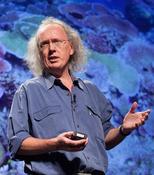
David Bellwood
- Adjunct Professor
- david.bellwood@jcu.edu.au

Jin Lim
- Adjunct Research Fellow
- jy.lim@jcu.edu.au

Alastair Birtles
- Adjunct Professor
- alastair.birtles@jcu.edu.au

Orpha Bellwood
- Senior Lecturer
- orpha.bellwood@my.jcu.edu.au

Garry Russ
- Ajunct Professor
- garry.russ@jcu.edu.au
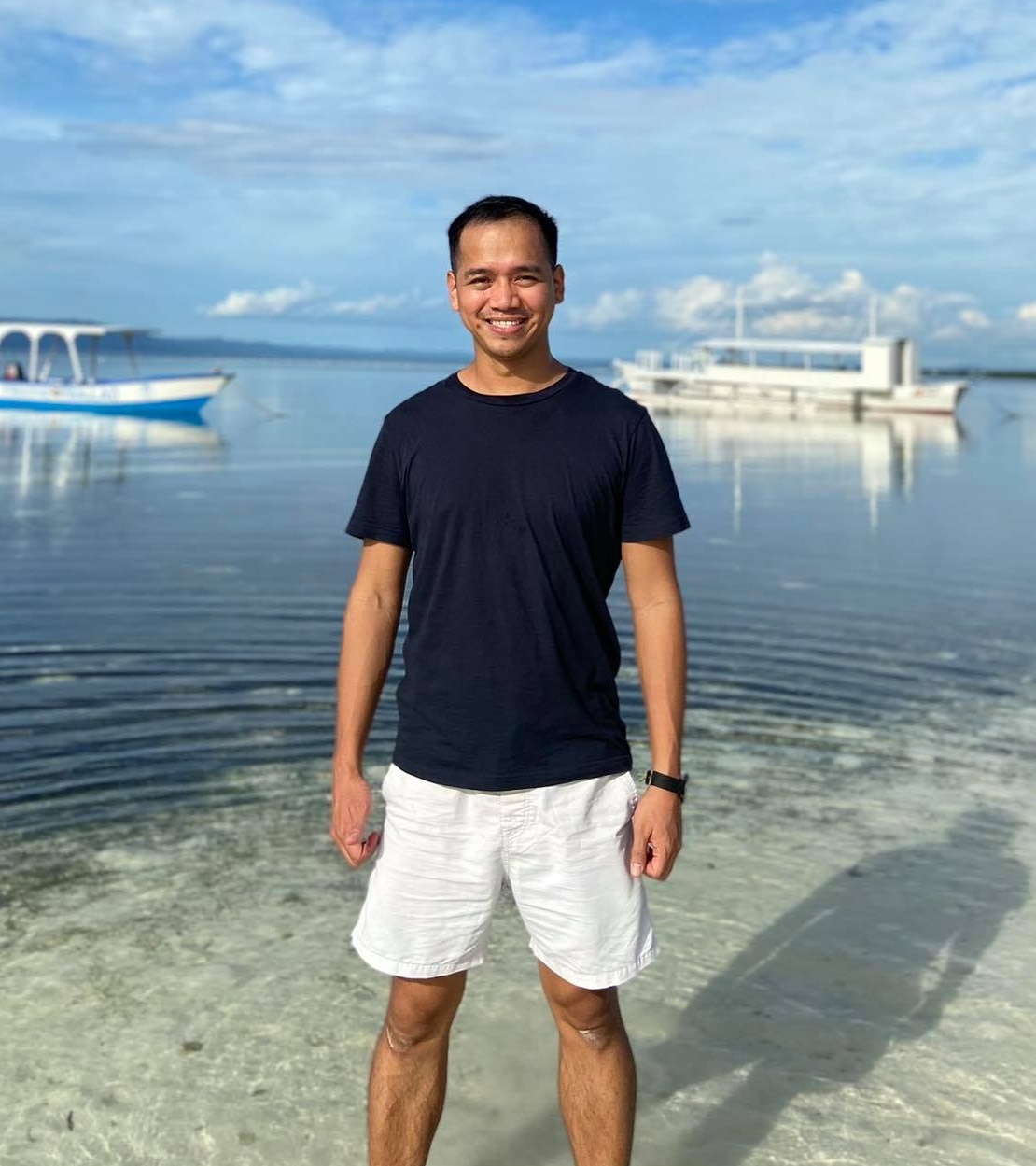
Reniel Cabral
- Associate Professor, Fisheries
- reniel.cabral@jcu.edu.au
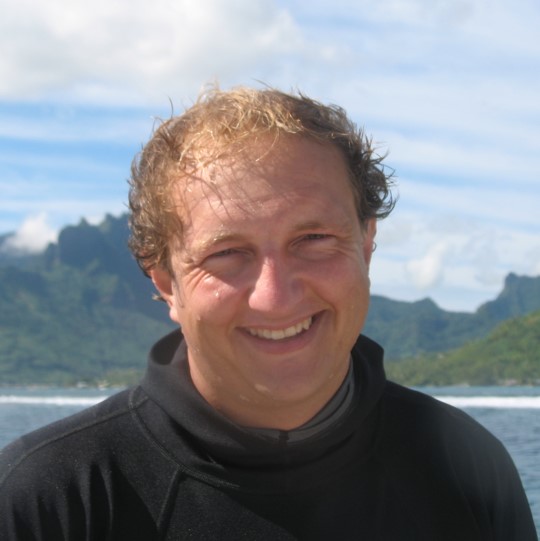
Morgan Pratchett
- Professor, Marine Biology & Aquaculture
- morgan.pratchett@jcu.edu.au
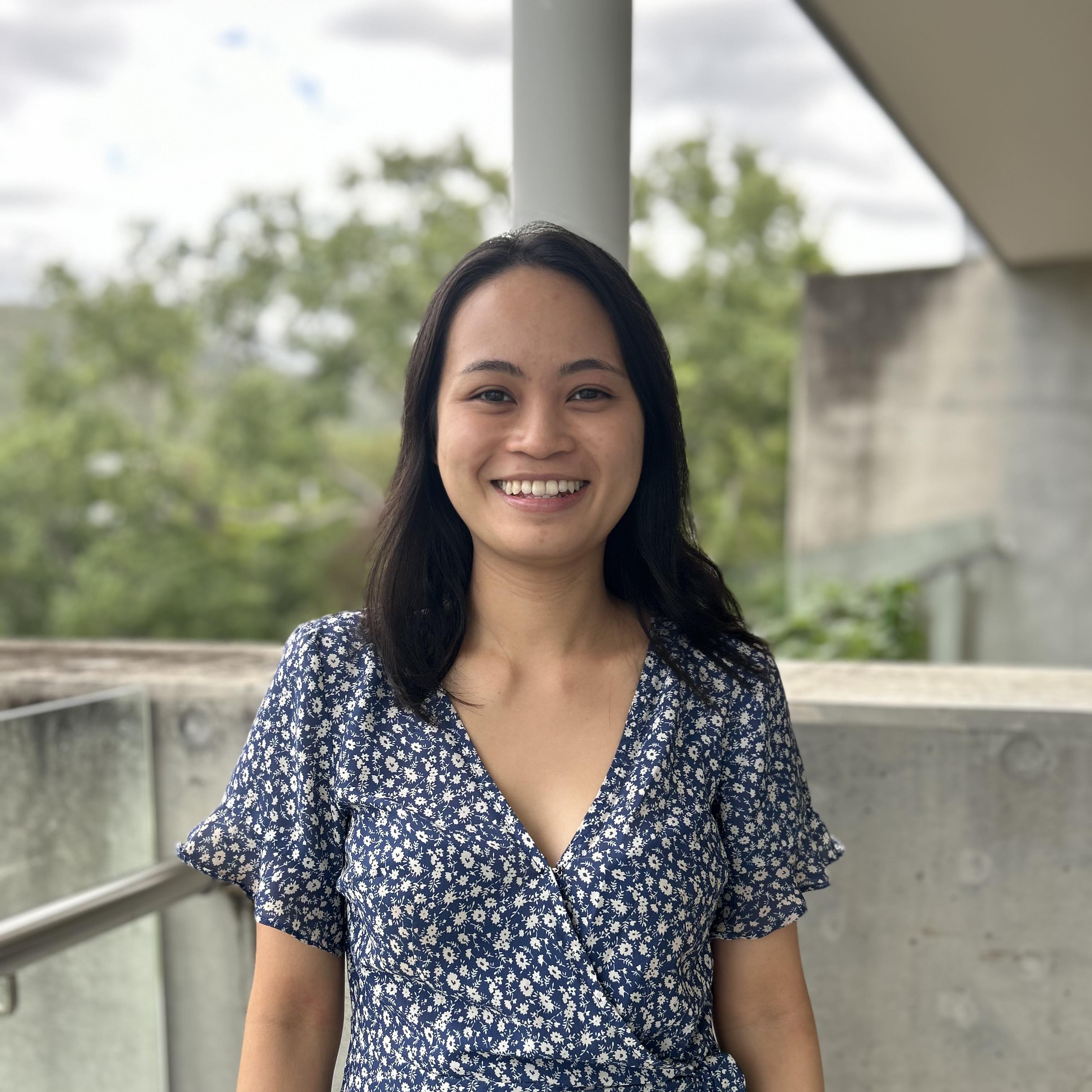
Sally Lau
- Postdoctoral Research Fellow
- cheukying.lau@jcu.edu.au
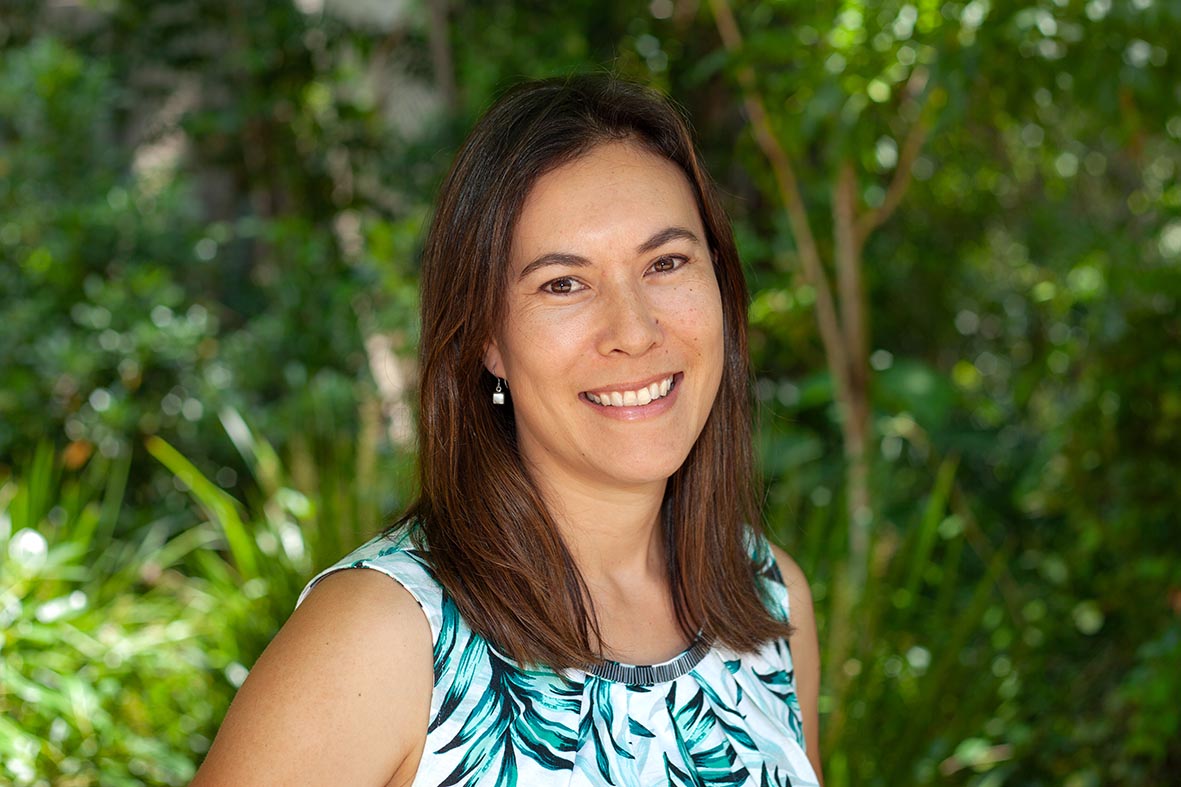
Sue-Ann Watson
- ARC Future Fellow
- sueann.watson@jcu.edu.au
Supporting grouper farming small holders in Vietnam to produce commercial feeds (Old ID 27286)
Developing key nutrient requirements for giant grouper in Australia for application to Australia and Vietnam. The project is based at JCU Townsville, with engagement from key stakeholders in the aquafeed industry in Vietnam through development of an Expert Working Group for dissemination and input into future research. It is aimed at developing feeds for grouper that enable smallholders to transition from ‘trash’ fish feeding to commercially produced feeds and to support the industry in R&D dissemination, implementation and feed supply debottlenecking.
Maximising genetic growth potential of barramundi in different culture environments. (Old ID 22428)
Good Fortune Bay Fisheries (GFB) is Australia's largest farmed barramundi producer. GFB operates two farms, one located north of Bowen where barramundi are reared in a high density. Brackish water raceway culture system and the other in Kelso, where fish are reared in freshwater earthen ponds. The company holds the largest number of barramundi stock in the country and is Queensland's largest hatchery facility. Given a need to maintain domestic and international competitiveness GFB has identified genetic improvement of their stocks as the highest R&D priority for the company. Due to the unique culture systems they farm barramundi in, however, GFB recognise there are critical knowledge gaps that need to be overcome before they can produce an improved strain that maximises genetic gain under both culture environments (marine/freshwater & pond/raceway).
NESP 3.7 Barriers to Restoration and NbS (Old ID 28996)
Coastal and marine restoration in Australia has been hindered by the ability for project managers to obtain approval. This project examines the barriers and challenges presenting project managers keen to begin restoration projects. The project will work through a series of case studies from SA, Tasmania, NSW and QLD focusing on oyster and tidal ingress project approaches. The outcomes of this research will outline areas in policy requiring changes and identify a consistent approach for project managers working in several states across Australia.
Incorporating genome editing into the aquaculture industry in Australia (Old ID 29013)
Professor Jehee Lee from Jeju International University, South Korea has agreed to allow me to visit his lab and receive extensive training in genome editing. He has successfully genetically edited numerous species of fish to optimise and select for commercial traits valuable to the aquaculture industry. Visiting with Professor Lee, as well as with other members of his lab, would allow me to gain the techniques and skills necessary to develop a general protocol applicable for a variety of aquaculture species.
Lobster Aquaculture Groote Eylandt Phase 1 (Old ID 26976)
The project seeks to assess and develop tropical rock lobster aquaculture on Groote Eylandt. Phase 1 will quantitatively assess the local resource of naturally settling post-larval lobsters. If the seed lobsters are available, Phase 2 will comprise development of nursery and grow out of the lobsters. The project includes aspects of resource assessment, training, production technology extension, social science, economics and marketing.
Lobster Aquaculture Groote Eylandt Phase 1 (Old ID 27052)
The project follows a preliminary activity completed in September 2020, seeking to assess and develop tropical rock lobster aquaculture on Groote Eylandt. This project represents Phase 1 of 3 phases, that will quantitatively assess the local resource of naturally settling post-larval lobsters. If the seed lobsters are available, Phase 2 will comprise development of nursery and Phase 3 the growout of the lobsters. The project includes aspects of resource assessment, training, production technology extension, social science, economics and marketing.
IUCN Maldives Ecosystems. (Old ID 27183)
The International Union for the Conservation of Nature (IUCN) Maldives requires an expert to assist in the development of an ecosystem classification scheme for the terrestrial and marine ecosystems of Maldives. This project will conduct the necessary research and leadership to develop a list of terrestrial and marine ecosystems for Maldives, building on considerable recent work to develop an international Global Ecosystem Typology. The outcomes will support conservation planning, natural resource management and environmental legislation development in the Maldives, and contribute new knowledge about the diversity and distribution of Maldive's ecosystems.
Water Quality, eDNA and NRM Management Directions (Old ID 26264)
Water quality and the threat of invasive species continue to exist in the Torres Straits. This project will continue to provide research services to assist Torres Straits Regional Authority to track restoration and protection of freshwater and marine wetland habitats in the Torres Strait islands. A component of this project includes facilitating training and educational material for Land and Sea Ranger program.
Direct age determination with validation for commercially important Australian lobster and crab species (western, eastern, southern and ornate rock lobster, and crystal, Tasmanian giant and mud crab) (Old ID 21354)
Age information for commercially important crustaceans is necessary for calculating growth, mortality, recruitment and productivity, and is a critical component for any sustainable fisheries management plan. Until recently, direct age determination was considered impossible for crustaceans and only indirect methods existed (e.g. size frequency distributions). However, recent research has demonstrated that direct age determination of crustaceans is possible. Clear growth marks have been identified in gastric ossicles from several key Australian species. This project will produce validated ages for several crustacean species, across their full size range and in climatic regions other than the cool temperate conditions assessed previously. Validated age information will facilitate the sustainable management of Australia's crustaceans fisheries. This component managed by JCU will examine the tropical rock lobster Panulirus ornatus.
Jaragun Wetland Restoration (Old ID 27070)
A small wetland will be targeted for weed removal and replanting along Babinda Creek in this project. These restoration works will be monitored using a high-tech surveillance camera to live stream images from Jaragun’s website that track wetland restoration over time and its value to our birdlife. Overall, this project kick starts a struggling local community nestled in the heart of the wet tropics. This project is about creating green jobs and building a pathway for long term strategic investment into restoration and rehabilitation of the Russell River catchment.
Selecting coral species for reef restoration
- 2023
- Wiley-Blackwell
- Researchers:Kate QuigleyDavid BellwoodAndrew Hoey
Start Date:
10 Nov 2024
Start Date:
31 Mar 2025
Start Date:
01 Jan 2024
Start Date:
01 Jan 2024
End Date:
01 Jan 2027
Start Date:
01 Jan 2004
End Date:
01 Jan 2006
Start Date:
01 Jan 2007
End Date:
01 Jan 2007
Title:
PhD, James Cook University
Start Date:
01 Jan 2002
End Date:
01 Jan 2005
Start Date:
01 Jan 1996
End Date:
01 Jan 1999