
Marine Biology & Aquaculture
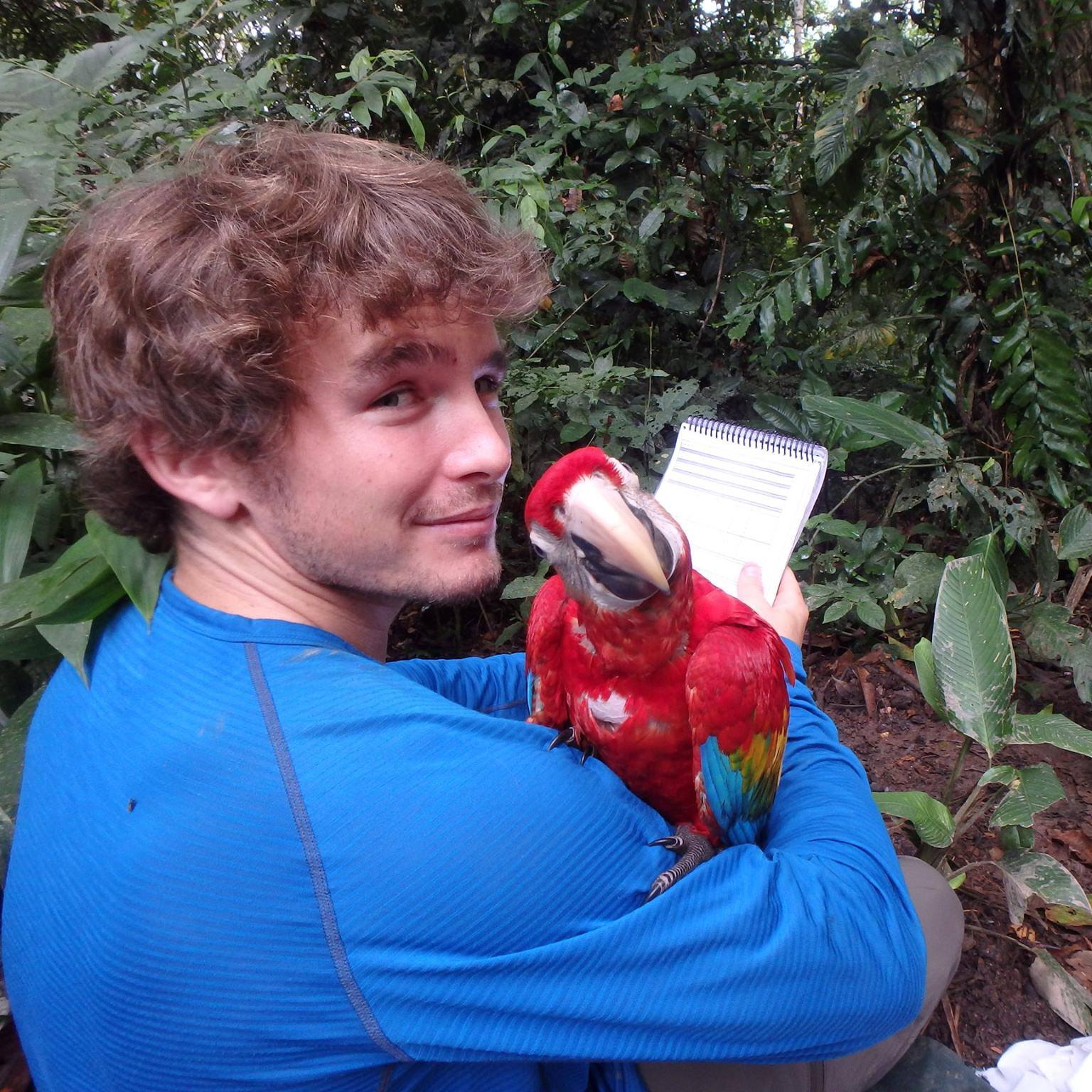
Tom Lloyd
- Postdoctoral Research Fellow, Global Ecosystems
- tom.lloyd@jcu.edu.au

Alys Young
- Postdoctoral Research Fellow, Global Ecosystems
- alys.young@jcu.edu.au
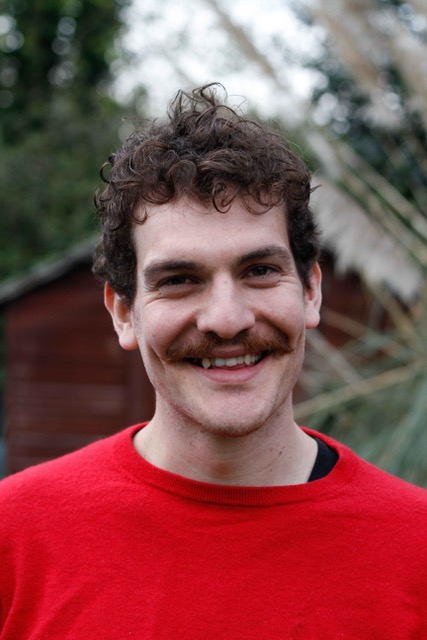
William Arlidge
- Postdoctoral Research Fellow in Community-Based Fisheries Co-Management
- william.arlidge@jcu.edu.au

Anna Wilson
- Senior Research Worker
- anna.wilson@jcu.edu.au
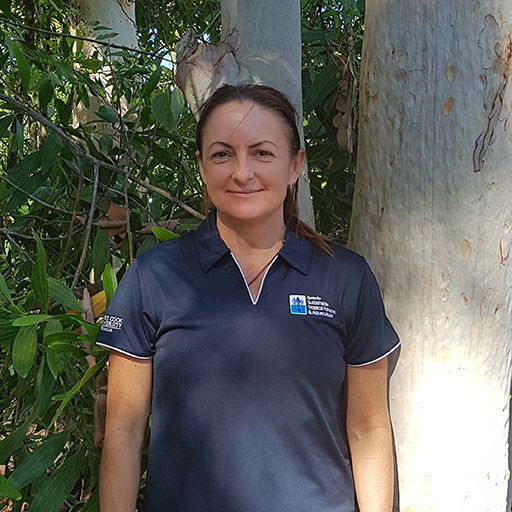
Kelly Condon
- Senior Lecturer, Aquaculture (Aquatic Animal Health)
- kelly.condon@jcu.edu.au

Graeme Cumming
- Adjunct Professor
- graeme.cumming@jcu.edu.au

Takahiro Shimada
- Adjunct Senior Research Fellow
- takahiro.shimada@jcu.edu.au
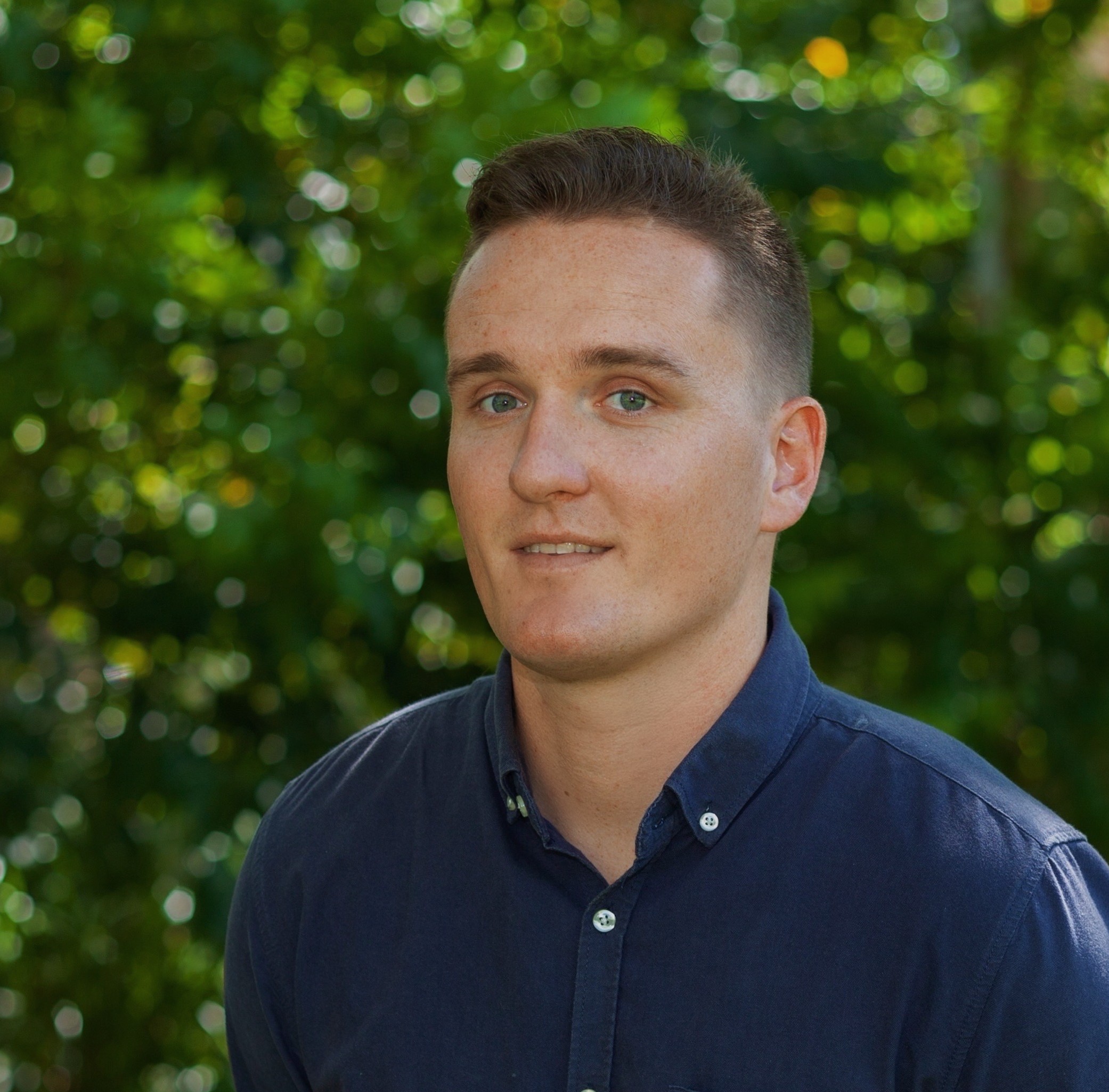
Peter Doll
- Research Fellow, Coral Reef Health Assessments
- peter.doll@jcu.edu.au
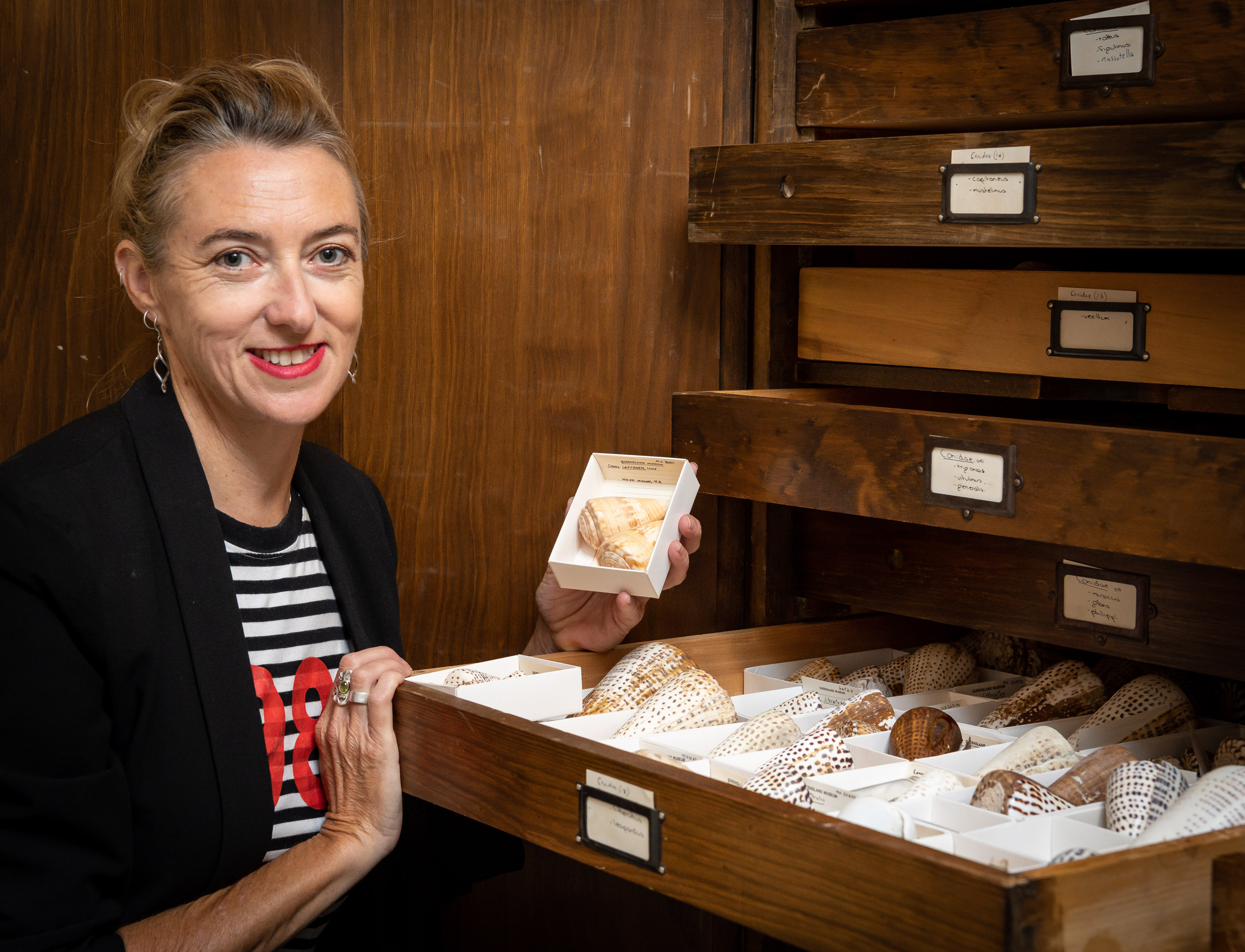
Michela Mitchell
- Casual Research Assistant
- michela.mitchell@jcu.edu.au
Jan Strugnell
- Professor, Promotional Chair
- jan.strugnell@jcu.edu.au
Incorporating genome editing into the aquaculture industry in Australia (Old ID 29013)
Professor Jehee Lee from Jeju International University, South Korea has agreed to allow me to visit his lab and receive extensive training in genome editing. He has successfully genetically edited numerous species of fish to optimise and select for commercial traits valuable to the aquaculture industry. Visiting with Professor Lee, as well as with other members of his lab, would allow me to gain the techniques and skills necessary to develop a general protocol applicable for a variety of aquaculture species.
Lobster Aquaculture Groote Eylandt Phase 1 (Old ID 26976)
The project seeks to assess and develop tropical rock lobster aquaculture on Groote Eylandt. Phase 1 will quantitatively assess the local resource of naturally settling post-larval lobsters. If the seed lobsters are available, Phase 2 will comprise development of nursery and grow out of the lobsters. The project includes aspects of resource assessment, training, production technology extension, social science, economics and marketing.
Lobster Aquaculture Groote Eylandt Phase 1 (Old ID 27052)
The project follows a preliminary activity completed in September 2020, seeking to assess and develop tropical rock lobster aquaculture on Groote Eylandt. This project represents Phase 1 of 3 phases, that will quantitatively assess the local resource of naturally settling post-larval lobsters. If the seed lobsters are available, Phase 2 will comprise development of nursery and Phase 3 the growout of the lobsters. The project includes aspects of resource assessment, training, production technology extension, social science, economics and marketing.
IUCN Maldives Ecosystems. (Old ID 27183)
The International Union for the Conservation of Nature (IUCN) Maldives requires an expert to assist in the development of an ecosystem classification scheme for the terrestrial and marine ecosystems of Maldives. This project will conduct the necessary research and leadership to develop a list of terrestrial and marine ecosystems for Maldives, building on considerable recent work to develop an international Global Ecosystem Typology. The outcomes will support conservation planning, natural resource management and environmental legislation development in the Maldives, and contribute new knowledge about the diversity and distribution of Maldive's ecosystems.
Water Quality, eDNA and NRM Management Directions (Old ID 26264)
Water quality and the threat of invasive species continue to exist in the Torres Straits. This project will continue to provide research services to assist Torres Straits Regional Authority to track restoration and protection of freshwater and marine wetland habitats in the Torres Strait islands. A component of this project includes facilitating training and educational material for Land and Sea Ranger program.
Direct age determination with validation for commercially important Australian lobster and crab species (western, eastern, southern and ornate rock lobster, and crystal, Tasmanian giant and mud crab) (Old ID 21354)
Age information for commercially important crustaceans is necessary for calculating growth, mortality, recruitment and productivity, and is a critical component for any sustainable fisheries management plan. Until recently, direct age determination was considered impossible for crustaceans and only indirect methods existed (e.g. size frequency distributions). However, recent research has demonstrated that direct age determination of crustaceans is possible. Clear growth marks have been identified in gastric ossicles from several key Australian species. This project will produce validated ages for several crustacean species, across their full size range and in climatic regions other than the cool temperate conditions assessed previously. Validated age information will facilitate the sustainable management of Australia's crustaceans fisheries. This component managed by JCU will examine the tropical rock lobster Panulirus ornatus.
Jaragun Wetland Restoration (Old ID 27070)
A small wetland will be targeted for weed removal and replanting along Babinda Creek in this project. These restoration works will be monitored using a high-tech surveillance camera to live stream images from Jaragun’s website that track wetland restoration over time and its value to our birdlife. Overall, this project kick starts a struggling local community nestled in the heart of the wet tropics. This project is about creating green jobs and building a pathway for long term strategic investment into restoration and rehabilitation of the Russell River catchment.
PNG & Pacific Island Nations Feeds Review. (Old ID 27717)
Review the barriers to expansion of tilapia aquaculture for development in PNG, Solomon Islands and Timor-Leste, with special reference to feeds and fingerlings.
Reconstructing past grounded ice extent over time around Wilkes Land margin, East Antarctica, using animal genomes (Old ID 27730)
The marine-based margins of the Antarctic Ice Sheet are vulnerable to collapse based on current trajectories in temperature rise. A deep uncertainty remains on whether the marine-based margin of the East Antarctic Ice Sheet (EAIS) (ie, Wilkes Land) is sensitive to climate change. This project applies an innovative, genomic approach to reconstruct past configurations of the marine-based EAIS to inform its future stability.
Coral Reef Health in the Coral Sea Marine Park (Old ID 24771)
A number of coral reefs occur in the Australian Marine Parks estate, particularly within the Coral Sea Marine Park (CSMP). In 2016 and 2017, coral reefs in the Great Barrier Reef Marine Park and CSMP were impacted by a mass global coral bleaching event. Regular surveys of coral bleaching and associated reef health in the CSMP are needed to inform future marine park management over the next three years to either enable comparisons against historical baselines where bleaching has previously occurred, or set new baselines for areas that aren’t bleached but may be in the future.
Coral bleaching, reef fish community phase shifts and the resilience of coral reefs
- 2006
- Blackwell Publishing
- Researchers:David BellwoodAndrew Hoey
Regional-scale assembly rules and biodiversity of coral reefs
- 2001
- American Association for the Advancement of Science
- Researchers:David BellwoodTerry Hughes
Confronting the coral reef crisis
- 2004
- Nature Publishing Group
- Researchers:David BellwoodTerry Hughes
Influence of age and moderate-intensity exercise training on heart rate variability in young and mature adults
- 2003
- Human Kinetics
- Researchers:Anthony LeichtAndrew Hoey
Influence of intensive cycling training on heart rate variability during rest and exercise
- 2003
- NRC Reserch Press
- Researchers:Anthony LeichtAndrew Hoey
Start Date:
01 Jan 2024
End Date:
01 Jan 2026
Start Date:
01 Jan 2010
Start Date:
01 Jan 2015
Start Date:
01 Jan 2015
Start Date:
01 Jan 2016
Start Date:
01 Jan 2011
Start Date:
01 Jan 2010
End Date:
01 Jan 2011
Start Date:
01 Jan 2006
Start Date:
01 Jan 2000