
Tropical Water & Ecosystems
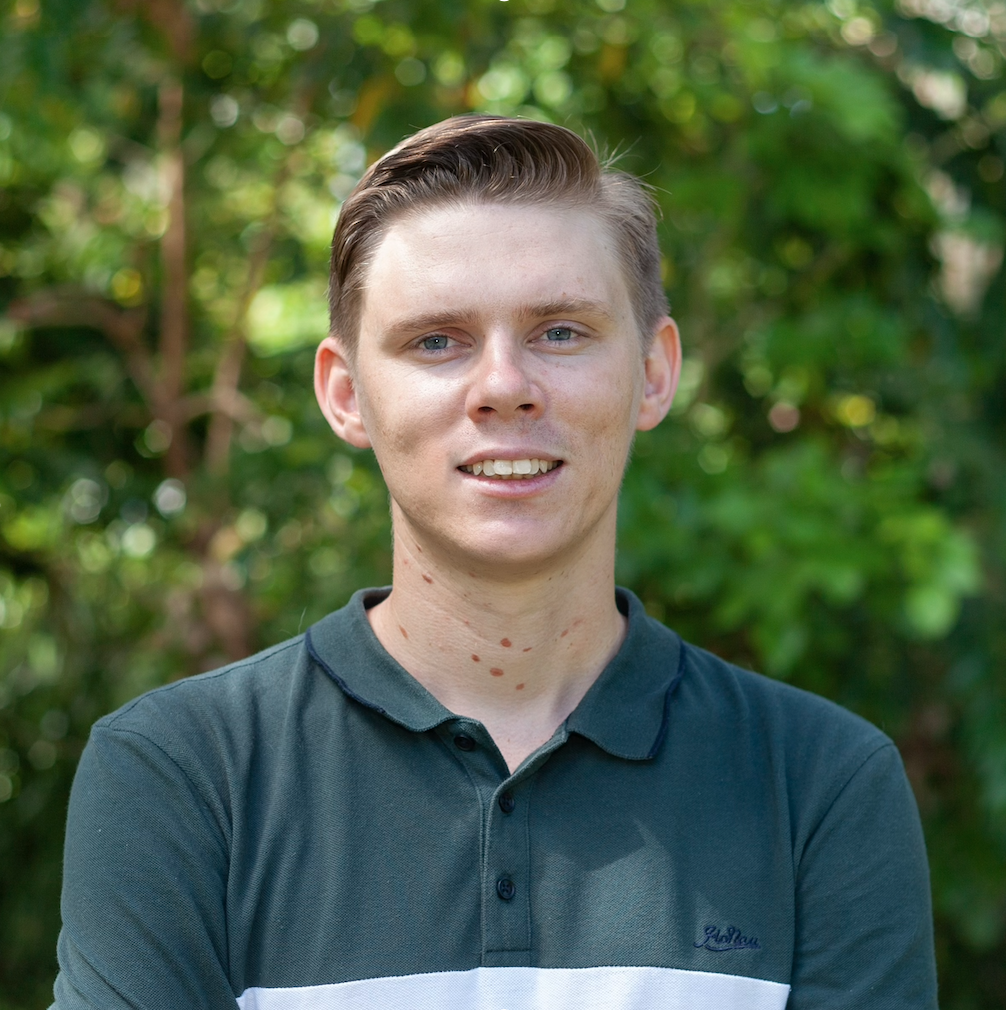
Scott Morrissey
- Research Officer
- scott.morrissey@jcu.edu.au
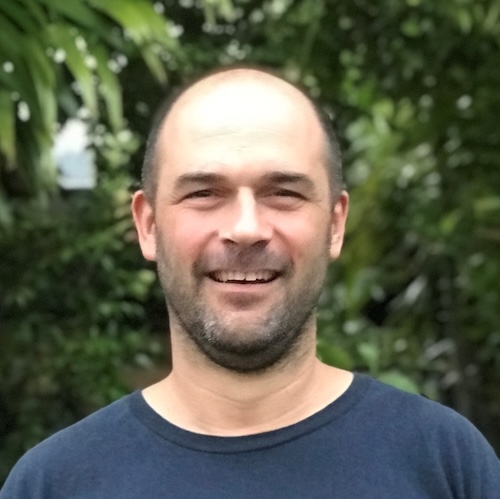
Tim Smith
- Senior Research Officer
- tim.smith2@jcu.edu.au
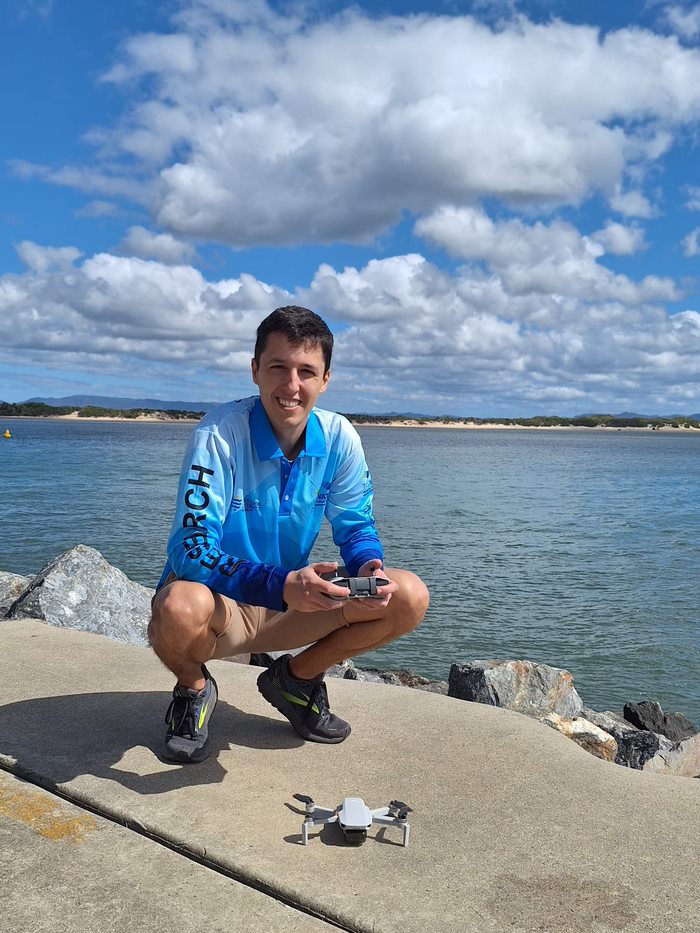
Alejandro Navarro Otero
- Casual Research Worker
- alejandro.navarrootero@jcu.edu.au
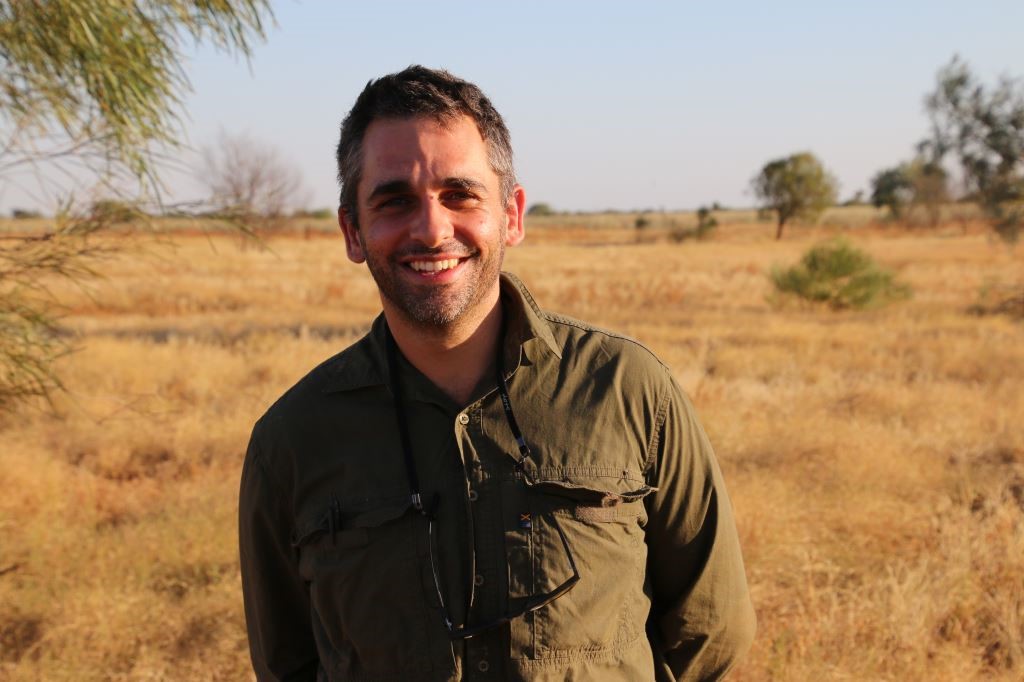
Jack Koci
- Principal Research Officer
- jack.koci1@jcu.edu.au
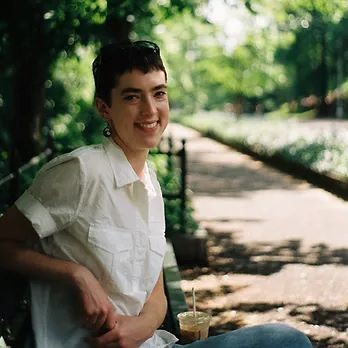
Sarah McDonald
- Senior Research Officer
- sarah.mcdonald@jcu.edu.au
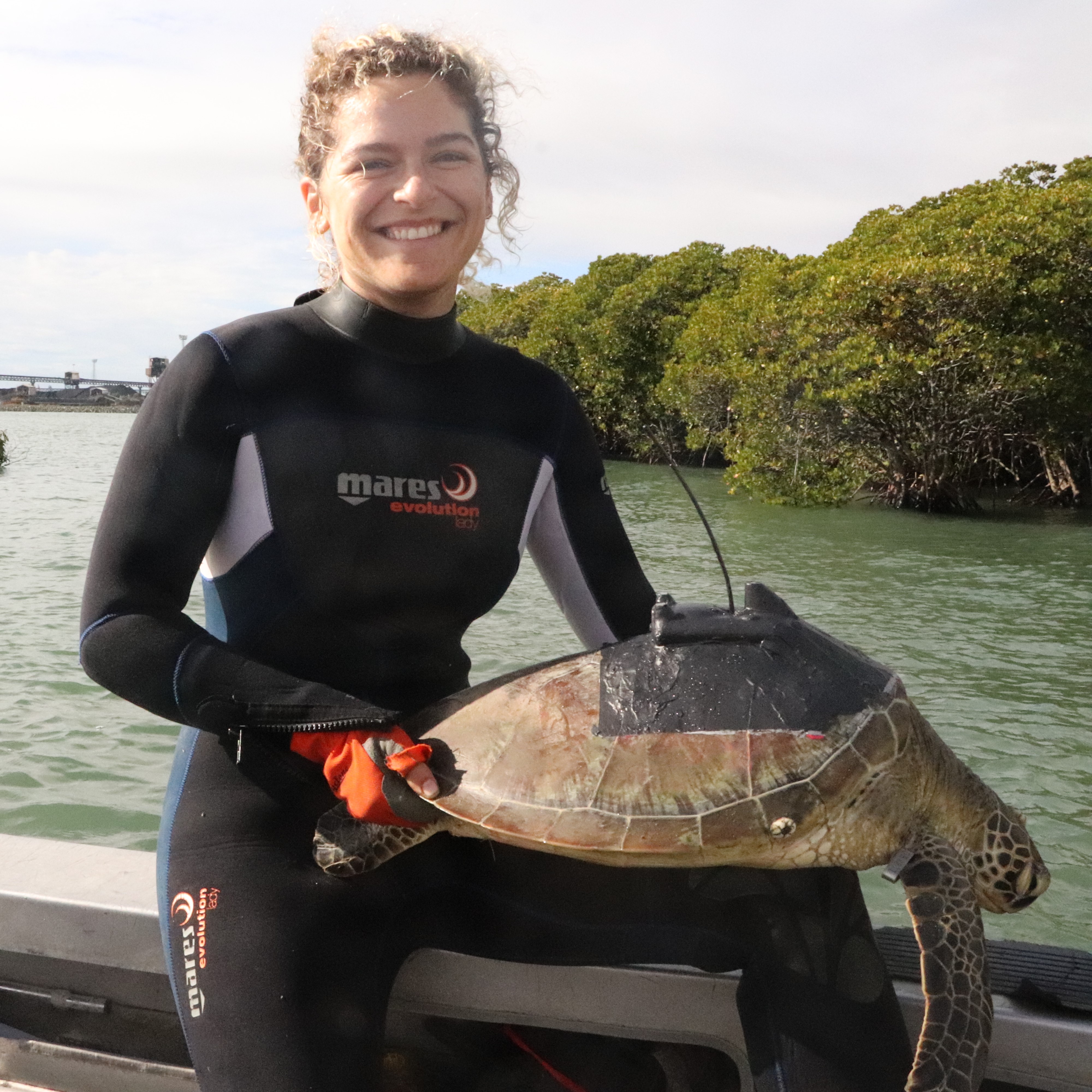
Emily Webster
- Research Officer
- emily.webster1@jcu.edu.au

Abbi Scott
- Senior Research Officer
- abbi.scott1@jcu.edu.au

Catherine Collier
- Principal Research Officer
- catherine.collier@jcu.edu.au

Rob Coles
- Principal Research Scientist
- rob.coles@jcu.edu.au

Aaron Davis
- Principal Research Officer
- aaron.davis@jcu.edu.au
Seagrass surveys in the lower Gulf of Carpentaria, Queensland (Old ID 29024)
The proposed work is for marine habitat mapping in the in the Thuwathu/Bujimulla Indigenous Protected Area (TBIPA). Benthic habitats for this area have not been surveyed for more than 15 years and so it is considered a high priority for a comprehensive survey. This will expand the scope (i.e. coverage) of planned benthic habitat surveys currently funded by Parks Australia for the Gulf of Carpentaria Marine Park (GOCMP) into the adjacent IPA. Therefore, the proposed project is supported by Parks Australia who have confirmed that this work is outside the scope of their funded work, but complements and enhances their work program given the importance of this area for marine turtle and dugong foraging and to the Lardil, Yangkaal, Kaiadilt and Gangalida Peoples. Funding will be used to procure a helicopter for surveying intertidal areas, and for staff time to undertake the surveys, process the data and deliver the outcomes including a ‘baseline’ map on which rangers can continue to monitor benthic habitat condition and to improve their negotiation on resource condition and use with other stakeholders in the region.
Enhancing AI detection of dugong and other marine megafauna species (Old ID 30032)
Standardised aerial surveys have been conducted across northern Australia for over three decades to monitor dugong populations. JCU is currently monitoring dugongs across the entire eastern Queensland coast using conventional observer survey approach. In parallel to the monitoring work, JCU is experimenting the use of aerial images to conduct these large scales surveys. Preliminary results from the image processing work reveals that substantial efforts need to be put in to streamline and fast-track the processing of large image datasets to make imagery survey a cost-effective approach in the future. An AI for detecting dugongs is available but was developed based on images collected in Western Australian waters, a different habitat compared to eastern Queensland inshore waters. Preliminary tests ran by our team suggest that the current AI requires additional research work to improve its level of precision while other competitive AIs also need to be investigated. Upon completion of our tests, our team will outline steps toward the improvement of the current AI and/or exploration of alternative methods with the end goal of producing an automated approach that fast-tracks the processing of large image datasets collected during large-scale marine wildlife surveys.
Seagrass monitoring for Inshore Marine South Zone for the Mackay-Whitsunday-Isaac Healthy Rivers to Reef Partnership (Old ID 31079)
Continuation of annual seagrass monitoring program and development and implementation of seagrass condition report card in the south zone of the Mackay-Whitsunday-Isaac region.
Sub-catchment scale monitoring, modelling and extension design to support reef water quality improvement (Old ID 22241)
This project aims to develop a sub-catchment scale water quality monitoring program in key cane growing catchments to provide more refined spatial and extension targeting of management action change to reduce nutrient and pesticide runoff from cane areas in order to meet GBR Reef Plan targets. The project will be developed in two key catchments, with a small pilot component to provide 'proof of concept'. The subsequent plan will provide the template for GBR catchment wide water quality monitoring by government agencies.
Monitoring the distribution and abundance of dugongs (and in-water, large marine turtles) within the GBRWHA using a combined aerial observer and imagery approach (Old ID 27811)
This project aims to: (1) to monitor the trends in the abundance and distribution of dugongs within the GBRWHA and (2) contribute to the transition to the use of novel imagery survey technologies to enhance survey methods and accuracy in abundance estimates. The project will be conducted in five main stages which will include: the development of a Traditional Owners engagement strategy and the drafting and submitting regulatory permit applications (stage 1), the development of the survey design and data collection protocols and undertake observer training (stage 2), conduct the dugong observer surveys and imagery experimental work within the GBRWHA (stage 3) and the production of a final report including summary of all survey report findings and advice about the implications of the findings for the conservation and management of dugongs and large marine turtles within the GBRWHA (stage 4).
Weipa quarterly seagrass monitoring and PAR deployment (Old ID 23485)
The aim of this research is to intensely monitor seagrass habitats in the immediate areas around the port infrastructure in the Port of Weipa pre- and post- maintenance dredging. The objectives include comparing results of previous monitoring and baseline surveys and assessing any changes in seagrass distribution and abundance in relation to natural events or human induced activities. In addition, light and temperature shall be recorded and monitored within the seagrass canopy.
Fostering the repair of Australia's lost shellfish reefs (Old ID 22934)
Shellfish reefs were once prominent features of Australia’s nearshore environments, providing important services such as water filtration, providing food and habitat for fish and protecting shorelines. Less than 1% remain today and restoration projects are starting in most states. This funding will empower me to work with the best shellfish restoration scientists in the USA to develop experimental and assessment methodologies to measure the potential water quality benefits of shellfish restoration in Australia. This project will provide the springboard for myself to become a national leader in the field of coastal restoration. Outputs will include two high-impact publications and a $600,000 Category 1 funding proposal.
2016 MangroveWatch training for Queensland southern Gulf Rangers. (Old ID 23131)
Traditional owners are concerned about the recent mangrove dieback in their area. They have sought the help of Tropwater scientists to train and equip two of their dedicated Ranger teams in Normanton and Burketown for the monitoring and assessment local shorelines. This project will raise capacity of two Ranger teams consisting of around 19 Rangers, to conduct boat-based MangroveWatch surveys in their respective areas of the southern Gulf region.
Ecotoxicology of pesticides on the Great Barrier Reef for guideline development and risk assessments (Old ID 23137)
Over 50 land-sourced pesticides have been detected in waters of the Great Barrier Reef (GBR) and its catchments. Previous studies on the risks posed by pesticides have focused on five priority PSll herbicides. However, other pesticides are increasingly being used, for which there are few fate, persistence and toxicity data. In order to improve water quality guidelines and assessments of the potential risks posed by these ' alternate' pesticides to GBR and its catchments we will quantify their toxicity to freshwater and marine species.
Determining nitrogen removal from floodplain restoration with Melaleuca (Old ID 27462)
Tree swamps, such as those with Melaleuca, have the potential to remove nitrogen from agricultural runoff. This project aims to: (i) assess the effectiveness of a Melaleuca planting integrated within a Wet Tropics cane-dominated catchment to remove nitrogen from floodwaters before it flows to the Great Barrier Reef; and (ii) scope locations for future tree swamp integration across the Great Barrier Reef catchment.
Coral decline threatens fish biodiversity in marine reserves
- 2004
- National Academy of Sciences
- Researchers:Maya Srinivasan
Mid-late Holocene sea-level variability in eastern Australia
- 2008
- Wiley-Blackwell
- Researchers:Stephen Lewis
Title:
Journal article peer review
Start Date:
01 Jan 2021
End Date:
01 Jan 2021
Title:
Journal article peer review
Start Date:
01 Jan 2021
End Date:
01 Jan 2021
Start Date:
01 Jan 2021
End Date:
01 Jan 2021
Start Date:
01 Jan 2021
End Date:
01 Jan 2021
Start Date:
01 Jan 2021
End Date:
01 Jan 2021
Start Date:
01 Jan 2021
End Date:
01 Jan 2021
Start Date:
01 Jan 2023
End Date:
01 Jan 2023
Start Date:
01 Jan 2025
End Date:
01 Jan 2025
Start Date:
01 Jan 2025
End Date:
01 Jan 2025
Start Date:
01 Jan 2025
End Date:
01 Jan 2025