
Australian Institute of Tropical Health & Medicine

Brian Cooke
- Adjunct Professor
- brian.cooke@jcu.edu.au
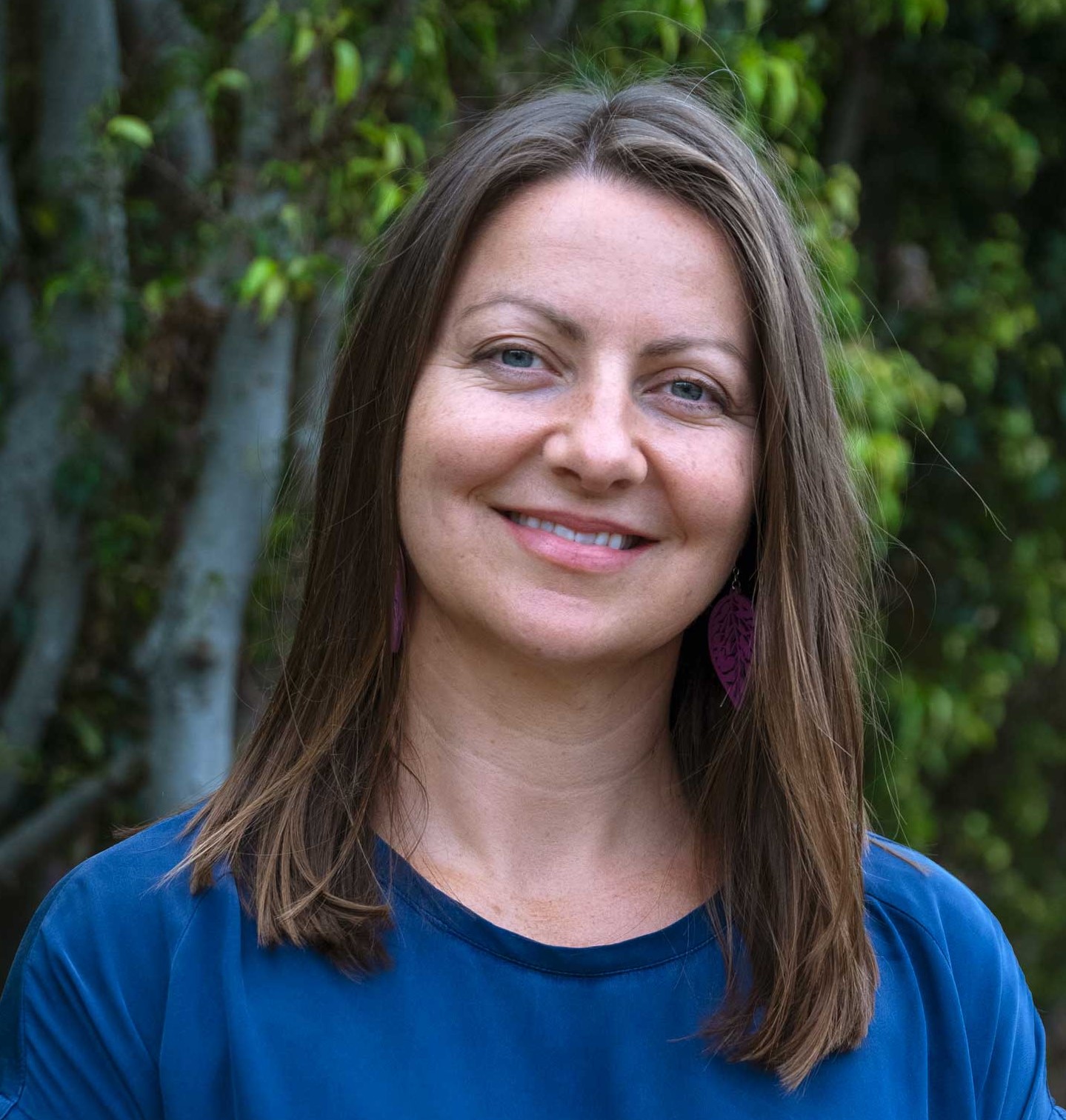
Amanda Murphy
- Senior Research Fellow
- amanda.murphy@jcu.edu.au

Tessa Knox
- Principal Research Fellow
- tessa.knox@jcu.edu.au

Justin Sexton
- Adjunct Research Fellow
- justin.sexton1@jcu.edu.au

Adeshina Adekunle
- Adjunct Research Fellow
- adeshina.adekunle@jcu.edu.au

Brogan Amos
- Adjunct Research Fellow
- brogan.amos@jcu.edu.au

Rachael Ryan
- Postdoctoral Research Fellow
- rachael.ryan1@jcu.edu.au

Emma McBryde
- Adjunct Professor
- emma.mcbryde@jcu.edu.au

Juergen Reichardt
- Adjunct Professor
- juergen.reichardt@jcu.edu.au

Tanya Russell
- Principal Research Fellow
- tanya.russell@my.jcu.edu.au
SAPOT Clinical Trial: Treatment in pregnancy to prevent malaria (Old ID 30066)
Melanie Koinari
01 Jan 2023 - 31 Dec 2023
The project aims to provide the Papua New Guinea National Malaria Control Program (NMCP) and WHO with evidence to determine whether monthly intermittent preventive treatment in pregnancy (IPTp) with sulphadoxine-pyrimethamine (SP) plus dihydroartemsinin-piperaquine (DP) is a safe and efficacious alternative to the current strategy of IPTp with SP to control malaria infection in pregnant women and improve birth outcomes.
Allocative efficiency modelling to support National TB programs (Old ID 25074)
Emma McBryde
01 Dec 2017 - 30 Nov 2021
Tuberculosis (TB) has now been unequivocally identified as the world's leading infectious killer, with global control failing to make significant inroads into the huge burden of disease. TB in Australia is driven by this huge global burden, with around 60% of all TB cases occurring in our region and nearly 90% of Australia's cases occurring in the overseas born. Our group has an established track record of undertaking country-level simulations to better understand TB epidemiology and predict the effectiveness of programmatic interventions in the local context. These applications are linked to a program of theoretical and epidemiological research to improve understanding of TB transmission and strengthen model underpinnings. Recently, we have been working to develop our model into a flexible and robust platform by using principles of software engineering, including object-oriented and modular programming. This approach allows rapid adaptation of our tool ("AuTuMN") to new objectives without the need to modify many of the constituent modules. In this project, we will extend the AuTuMN structures to undertake country implementations in up to six additional countries, funded by The Global Fund Against AIDS, Malaria and tuberculosis (TGF). These countries are: Myanmar Timor L'este The Kingdom of Bhutan Cambodia The Philippines Sri Lanka This RFAF is an indicative budget, as airfares and other direct costs will only be paid upon submission of receipts. Additionally, TGF produces contracts in US dollar amounts so amounts below are subject to change. Which of the above countries elect to undertake this work has not yet been determineJCU will administer the grant but University of Melbourne and Monash University will send invoices for work undertaken as part of this grant.
System-based approaches to inform the design of vaccines and biologics against complex pathogens (Old ID 25110)
Denise Doolan
01 Jan 2018 - 31 Dec 2022
The development of effective interventions against malaria and other chronic infectious diseases is impeded by a lack of understanding of host-pathogen interactions and the mechanisms and antigenic targets underlying protective immunity. The fundamental premise of this proposal is that integrated and unbiased systems-level approaches provide an excellent framework to develop a comprehensive understanding of immune responses and identify key molecules/pathways that can be targeted for therapeutic intervention or for immunodiagnostics. Taking advantage of unique human experimental infection models and field studies, this research encompasses: (i) antigen discovery; (ii) host-pathogen immunity; (iii) vaccine engineering; and (iv) biomarker discovery. It will develop a pipeline of parasite antigens and immunomodulatory molecules that can be transitioned towards clinical development and testing, as well as identify biomarkers of disease risk that can be used for population based screening to define at-risk individuals for targeted intervention.
Towards elimination of tuberculosis (Old ID 27175)
Andreas Kupz
01 Jan 2022 - 31 Dec 2026
Tuberculosis kills more people than any other infectious disease, and approximately one third of the world's population is latently infected with Mycobacterium tuberculosis. This project aims to complete the pre-clinical development of a new tuberculosis vaccine and to reveal new correlates of protection against tuberculosis using innovative mouse models and human cohorts.
Role of liver fluke granulin in cholangiocarcinogenesis (Old ID 19534)
Alex Loukas
01 Jan 2012 - 31 Jul 2018
Long term infection with liver fluke - a food-borne parasitic worm -leads to cholangiocarcinoma (CCA), a form of liver cancer with a dismal prognosis. Previously we identified a protein from these parasites that may cause this cancer. This new project will investigate the role of this parasite protein (termed granulin) in cancer, which may lead to new treatments and control for fluke infection and CCA.
Defining immunodominance in a complex host-pathogen system. (Old ID 22489)
Denise Doolan
01 Jan 2014 - 31 Dec 2018
Immunodominance is the phenomenon whereby pathogen-specific immune responses do not target the full range of possible peptide epitopes derived from the genome but recognize only a small fraction of the epitopes. It has been studied primarily in experimental infection models using simple organisms (viruses and bacteria). Herein, we propose the first comprehensive investigation of immunodominance in the context of a complex host-pathogen system: Plasmodium falciparum malaria in humans. These studies will provide valuable new knowledge of host-pathogen immunity and facilitate rational vaccine design.
Principal Research Fellowship #1023636 (Old ID 22478)
Denise Doolan
01 Jan 2012 - 31 Dec 2017
Vaccine development against malaria and other complex diseases remains a challenge for the scientific community. A rational approach to vaccine development is to identify the target antigens and epitopes of protective immunity, characterise the mechanisms of protective immunity in animal models and humans, develop and refine vaccine platforms and formulations that induce the desired immune responses against the identified antigenic targets, and down-select candidate vaccines for testing in human clinical trials. My research program encompasses core themes of basic research on immune mechanisms and host-parasite interactions as well as antigen and epitope discovery from genomic sequence data using immunomic approaches, using malaria as a model.
Next-generation therapeutics inspired by parasitic helminths. (Old ID 27418)
Alex Loukas
01 Jan 2022 - 31 Dec 2026
This project utilises helminth secretomes to develop: (i) anti-helminth vaccines; (ii) diagnostics for helminth infections; and (iii) helminth secreted moieties for treating autoimmune and metabolic diseases. The end goal is to discover and develop innovative vaccines, diagnostics and immunotherapeutics sources from helminth secretomes.
Finally new tools are available to combat drug resistant tuberculosis, but how do we make them work? Models to determine effective implementation strategies in Australia and our region (Old ID 27632)
Emma McBryde
01 Jan 2022 - 22 Jan 2026
Multi-drug resistant tuberculosis (MDR TB) is a growing concern which may make TB elimination impossible if not addressed head-on. Strategies to control MDR are available or in trial including: • MDR diagnostics • MDR directed treatment • New vaccines However, the best way to operationalise these new tools in different settings to maximise impact remains uncertain. Mathematical modelling, data analysis and health economics can play a role in assisting the fight to eliminate TB by providing insights into best deployment of TB strategies depending on the setting. My work is to combine best evidence with country context (health system,TB burden and costs, to simulate TB epidemiology and test possible interventions and their impact "in silico". This project will undertake 3 streams of activity Stream 1 Control of MDR TB in high burden settings: I will develop models to assess how new tools can best be used to impact on the MDR TB epidemic in high incidence regions. This will consider the new short course regimens for active MDR TB and the value of levofloxacin to treat latent TB, as well as emerging therapeutics and vaccines. Stream 2. Optimal drug combinations for MDR treatment: I will develop pharmacokinetic / pharmacodynamic models to investigate whether low, high or adaptive dosing of levofloxacin leads to the best outcome in treating MDR TB. Stream 3. How can new tools for MDR best be deployed in Australia? This work will address the large pool of latently infected people in Australia, and large proportion of TB arising from immigration, including those with latent MDR TB. Through two Centres for Research Excellence, I will collaborate with Australia's leading tuberculosis clinical trialists, policy makers, health systems experts, clinicians and pharmacologists to analyse the data arising from recent and current clinical trials, particularly relating to the use of drugs to tackle MDR TB.
Tropical Disease - immunity, pathogenesis and vaccine development: global translation. (Old ID 22490)
Denise Doolan
01 Jan 2013 - 31 Dec 2017
Malaria, helminths and streptococci are poorly controlled and neglected pathogens of global significance causing major morbidity and mortality - particularly in disadvantaged communities. This Program brings together a multidisciplinary team of scientists and clinicians who will leverage their unparalleled understanding of tropical health, microbiology and pathogenesis of these infections to develop new therapeutics and vaccines. The Program has both standard and unique animal models and unrivalled access to controlled human experimental infections, clinical trials and longitudinal field studies to define the impact of infection on the host immune response.
Immunomics-guided discovery of serum and urine antibodies for diagnosing urogenital schistosomiasis: a biomarker identification study
- 2021
- The Lancet Publishing Group
- Researchers:Denise DoolanMatt FieldAlex Loukas
Using health check data to understand risks for dementia and cognitive impairment among Torres Strait Islander and Aboriginal peoples in northern Queensland—a data linkage study
- 2022
- Frontiers Research Foundation
- Researchers:Sarah RussellRachel QuigleyRobyn McDermott
Experimental human hookworm infection: a narrative historical review
- 2021
- Public Library of Science
- Researchers:Paul GiacominAlex Loukas
Integrated immune dynamics define correlates of COVID-19 severity and antibody responses
- 2021
- Cell press
- Researchers:Denise Doolan
Start Date:
01 Jan 2020
End Date:
01 Jan 2020
Start Date:
01 Jan 2020
End Date:
01 Jan 2020
Start Date:
01 Jan 2020
End Date:
01 Jan 2020
Start Date:
01 Jan 2021
End Date:
01 Jan 2021
Start Date:
01 Jan 2021
End Date:
01 Jan 2021
Start Date:
01 Jan 2023
End Date:
01 Jan 2023
Start Date:
01 Jan 2020
End Date:
01 Jan 2020
Start Date:
01 Jan 2021
End Date:
01 Jan 2021
Title:
AITHM - Scientist for a Day
Start Date:
01 Jan 2020
End Date:
01 Jan 2020
Start Date:
01 Jan 2019
End Date:
01 Jan 2019