
MCRRH Research

Stephanie King
- Senior Research Officer, Indigenous Health
- stephanie.king1@my.jcu.edu.au

Catherine Seaton
- Senior Research Officer
- catherine.seaton@jcu.edu.au
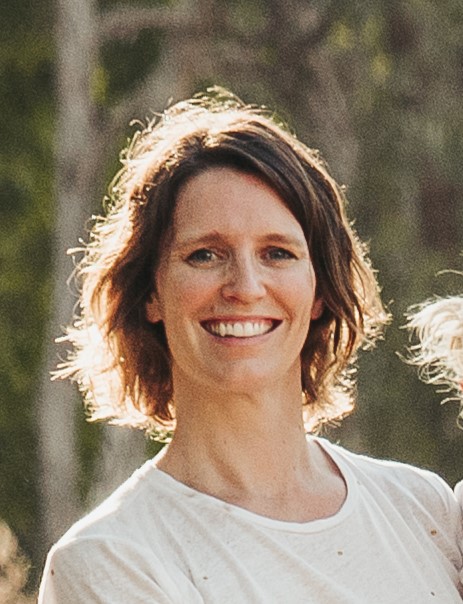
Alice Cairns
- Senior Research Fellow
- alice.cairns@jcu.edu.au
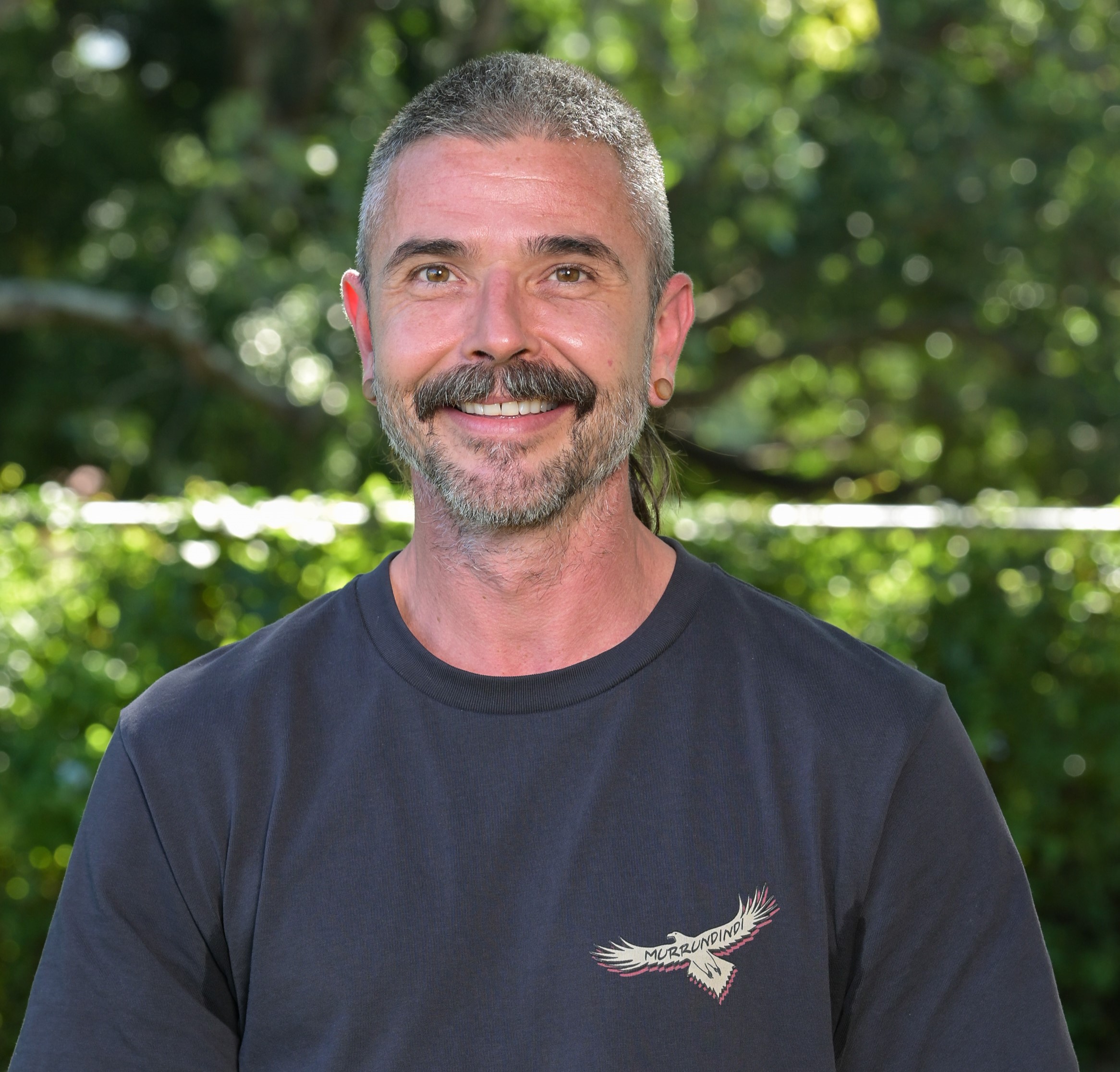
Richard Violette
- Senior Academic Lead, Research
- richard.violette@jcu.edu.au
Implementation and evaluation of an innovative student-led rehabilitation and lifestyle service in Northern Australia for Aboriginal and Torres Strait Islander people with chronic and disabling conditions: A pilot study. (Old ID 25133)
This project will pilot a student-led rehabilitation and lifestyle service for Aboriginal and Torres Strait Islander people living in Napranum and Weipa in partnership with Torres and Cape Hospital and Health Service (TCHHS) and Apunipima Cape York Health Council (ACYC). A sequential mixed methodology will be used to evaluate the service from stakeholders' perspectives: participants, allied health students, Aboriginal and allied health workforce and collaborating organisations. To privilege the voices of Aboriginal people, Indigenous methodologies will be used. This project will provide a service for Napranum and Wei pa communities and a service model for other remote communities across Northern Australia.
Implementation and evaluation of a student-led rehabilitation and lifestyle service for people with chronic and disabling conditions in Cape York (Old ID 26301)
This project will evaluate the implementation of a student-led rehabilitation and lifestyle service for Aboriginal and Torres Strait Islander people living in Napranum and Weipa in partnership with Torres and Cape Hospital and Health Service (TCHHS) and Apunipima Cape York Health Council (ACYC). This research is expected develop a sustainable service model that is valued by people experiencing chronic and disabling conditions and their families living in Napranum and Weipa communities.
Evaluation framework for community rehabilitation services in remote northern Australia (Old ID 26713)
An evauluation framework for community rehabilitation services in northern Australian will be developed. In Stage 1, a guiding framework will be revised following a systematic literature review. In Stage 2, routinely collected data relevant to the framework will be identified through data scoping. In Stage 3 the framework will be refined using a modified Delphi consensus approach and in Stage 4, tested for data accuracy and to determine rules for application. Processes and outcomes responsive to Aboriginal and Torres Strait Islander communities will be prioritied. This evaluation framework will enable continuous quality improvement, benchmarking against national standards and evidence-informed investment.
Evaluation framework for community rehabilitation services in remote northern Australia. (Old ID 26761)
An evaluation framework for community rehabilitation services in northern Australia will be developed. In Stage 1, a guiding framework will be devised following a systematic literature review. In Stage 2, routinely collected data relevant to the framework will be identified through data scoping. In Stage 3 the framework will be refined using a modified Delphi consensus approach and in Stage 4, tested for data accuracy and to determine rules for application. Processes and outcomes responsive to Aboriginal and Torres Strait Islander communities will be prioritised. This evaluation framework will enable continuous quality improvement, benchmarking against national standards and evidence-informed investment.
Economic Assessment of disability models of care in remote communities (Old ID 27272)
The project is a two-year study to conduct a health economic assessment comparing three service delivery models for allied health in Northern Australia. The models are fly-in fly-out service, established allied health professional services, and student-implemented services. The sites where the study will be conducted are Weipa, Katherine, Galiwinku and Nhulunbuy. The student implemented model (Nhulunbuy, Weipa) will be the only new service to be provided. Data on number of occasions of service and costs associated with the service delivery will be assessed across all models of care. The student-assisted model will allow for some additional data to be collected- quality of life and community engagement.
Providing kidney care close to home: Evaluating the Cape York Kidney Care model. (Old ID 27763)
The Cape York Kidney Care team is an integrated and multidisciplinary health care team that was formed in September 2019 to provide consistent, frequent and client centred tertiary-level (specialist) care, in the communities of the Western Cape, Far North Queensland. This project will evaluate this program with respect to health outcomes, cost efficiency, and explore implementation factors that are enablers or barrier to the success of the program. The results will provide evidence for investment or disinvestment in this new service model and will provide an evaluation plan for rollout of future services.
Emergency Examination Authorities and their impacts on Emergency Departments in North Queensland (Old ID 26314)
Emergency Departments (EDs) receive persons suffering major disturbances in their mental capacities, detained and transported by police or ambulance. The Public Health Act 2005 requires police and ambulance officers to make out an Emergency Examination Authority (EEA) at handover. This study investigates how EDs in north Queensland have responded. From handover at the ED, the PHA prescribes specific responsibilities, e.g. a doctor or health practitioner must explain to the person that they may be detained for 6-12 hours, the ED Director can order their forced return if they abscond and must take reasonable steps to return patients to a place requested.
Improved respiratory support in remote settings for children: A paediatric acute respiratory intervention study (PARIS), PARIS on Country. (Old ID 29018)
Respiratory illnesses are the most frequent reason for non-elective hospital admissions in children <5 years. Acute respiratory failure (ARF) is the common endpoint for many underlying specific diagnoses such as bronchiolitis, asthma and pneumonia. In FNQ approximately 50-70% of mostly indigenous children with ARF require transfer to a tertiary hospital, compared to 10-15% of these children in SEQ. We aim to introduce a measured model of care using a comprehensive respiratory care package for children with ARF in remote hospitals in Queensland. The aim is to reduce the number of transfers and offload the pressure on the emergency/retrieval systems.
Understanding First Peoples Lived Experience of Pharmaceutical Care when Transitioning between Hospital and Home
Far North Queensland Hospital Foundation Grant, PhD Candidate
Leveraging NQ telehealth experience for contextually-informed process guidelines to optimise health service access, quality and safety in rural and remote Australia
Use of telehealth in north Queensland has evolved early and rapidly in response to the health service needs of a culturally diverse population spread over a large area. This project maps knowledge about existing telehealth usage, examines strategies for safe and high quality use, including cultural acceptability and co-develops guidelines for health care providers and consumers for the optimal usage of telehealth across north Queensland. This is likely to be applicable across other RRR areas.
Implementation of nasal high flow therapy for infants with bronchiolitis: An integrative review
- 2024
- Australian Nursing Federation
- Researchers:Sally WestNichole HarveyAlice Cairns
Title:
Bilingual Site Coordinator, PROPEL Centre for Population Health Impact, University of Waterloo
Start Date:
01 Jan 2014
End Date:
01 Jan 2015
Start Date:
01 Jan 2015
End Date:
01 Jan 2019
Start Date:
01 Jan 2021
End Date:
01 Jan 2024
Start Date:
01 Jan 2024
End Date:
01 Jan 2024
Start Date:
01 Jan 2025
Start Date:
25 Mar 2019
Title:
French