
MCRRH Research

Stephanie King
- Senior Research Officer, Indigenous Health
- stephanie.king1@my.jcu.edu.au

Catherine Seaton
- Senior Research Officer
- catherine.seaton@jcu.edu.au

Alice Cairns
- Senior Research Fellow
- alice.cairns@jcu.edu.au
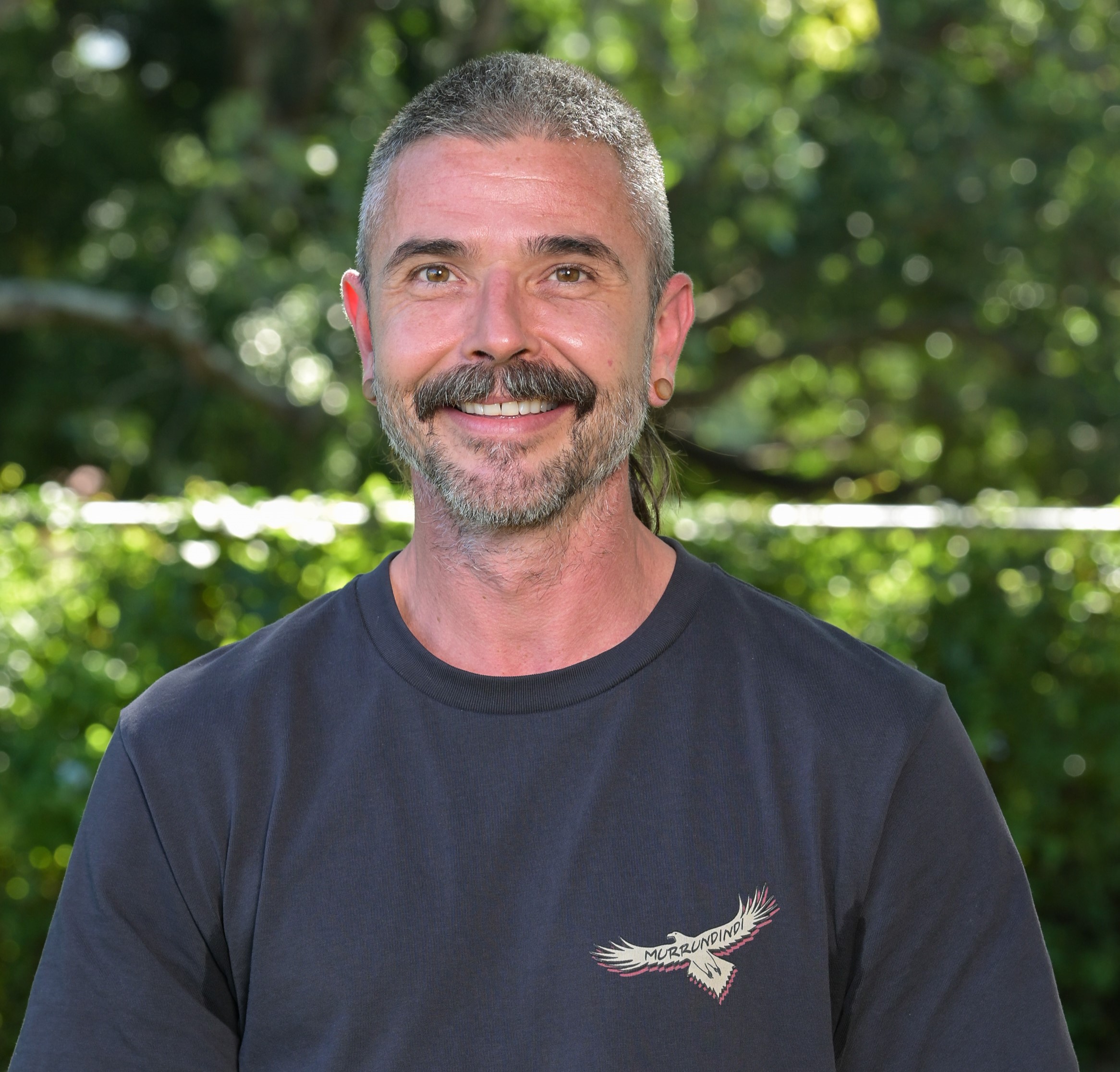
Richard Violette
- Senior Academic Lead, Research
- richard.violette@jcu.edu.au
Evaluation of QAIHC Sexual Health and Wellbeing Project. (Old ID 27405)
The overall goal of the QAIHC Sexual Health and Wellbeing Project is to improve Sexually transmissible infection (STI) and blood borne virus (BBVs) services in QAIHC Member Services and to work towards reducing the number of Aboriginal and Torres Strait Islander positive notifications. To help achieve this, support is provided for Member Services to implement models of care aimed to increase client engagement, education opportunities, as well as improve screening, notification and treatment rates. Tools, resources and support are provided to participant health services to implement sexual health and wellbeing activities that are culturally safe, led by Aboriginal and Torres Strait Islander health workers and tailored to the Aboriginal and Torres Strait Islander model of care. The aim of this work is to evaluate the implementation, impact and outcomes of the QAIHC Sexual Health and Wellbeing Project.
PRIDE: Promoting queer-inclusive professional identities for diversity in primary healthcare
[MRFF/2023 Models of Care for Sexuality & Gender Diverse People & People with Innate Variations of Sex Characteristics]
The PRIDE co-design project aims to transform primary healthcare for LGBTQIA+ individuals by co-designing and implementing an affirming model of care. This model can be scaled up across services to reduce the geographical inequities contributing to intersectional disadvantage. The goal is to improve the consistency and quality of primary care for LGBTQIA+ individuals. We will: 1. Examine affirming care environments and workforce norms via social identity theory to identify change factors to promote secure, inclusive workplaces and affirming care settings. 2. Collaboratively develop, implement, and evaluate a thorough model for LGBTQIA+ inclusive primary healthcare. This model will be designed considering intersecting identities and lived experiences, using an established consumer co-designed LGBTQIA+ affirming care upskilling package. 3. Establish a reliable and interconnected network of primary care providers across various professions, ensuring access to consistent, trustworthy, safe and affirming healthcare for LGBTQIA+ individuals throughout the primary care landscape. To accomplish this goal, we will form purposeful partnerships with LGBTQIA+ individuals, healthcare experts, professional associations, and two prominent primary care institutions. The project offers significant enhancements in the health and overall wellness of LGBTQIA+ individuals, including those within the workforce. By specifically addressing the needs of the community, the project builds capacity of the mainstream primary care sector to provide safe and inclusive health services. The outcomes of this research will significantly advance knowledge on key barriers and facilitators of affirming primary care for members of LGBTQIA+ communities and improve access to safe and affirming primary health services for LGBTQIA+ individuals who are currently underserved, including those experiencing intersectional disadvantage.
Evaluation of student-led community rehabilitation and lifestyle service and Implementation of Nasal High Flow (Old ID 27090)
This research grant is to support two studies conducted in Weipa, Cape York. The first project is the “Evaluation and Implementation of a Student-led Community Rehabilitation and Lifestyle Service”, the second project is the “Implementation of Nasal High Flow (NHF): A remote context”. Both projects explore the effectiveness of service delivery to remote and Aboriginal and/or Torres Strait Islander people. Both projects explore the effectiveness of the delivery of novel health care interventions. The community rehabilitation project evaluates an innovative health workforce model that is providing a service for people experiencing the impact of non-communicable diseases (chronic disease) that previously didn’t have access to community rehabilitation.
Compounding medications in a rural setting: an interprofessional perspective
- 2018
- Dove Medical Press Ltd
- Researchers:Selina TaylorCatherine Seaton
Exploring functional concerns in help‐seeking youth: a qualitative study
- 2015
- Wiley-Blackwell
- Researchers:Alice Cairns
Start Date:
01 Jan 2011
End Date:
01 Jan 2017
Start Date:
01 Jan 2017
End Date:
01 Jan 2018
Start Date:
01 Jan 2018
Start Date:
01 Jan 2021
Start Date:
01 Jan 2014
End Date:
01 Jan 2021
Start Date:
01 Jan 2021
End Date:
01 Jan 2024
Start Date:
01 Jan 2009
End Date:
01 Jan 2010
Start Date:
01 Jan 2010
End Date:
01 Jan 2012
Title:
Planning, Programs, and Research Officer, Centre Hospitalier Universitaire de Québec (CHU de Québec)
Start Date:
01 Jan 2012
End Date:
01 Jan 2014
Start Date:
01 Jan 2014
End Date:
01 Jan 2014