
Preclinical Sciences

Esther Crouch
- Senior Lecturer, Veterinary Anatomic Pathology
- esther.crouch@jcu.edu.au

Karen Gerber
- Senior Lecture, Vet ClinicalPathology
- karen.gerber@jcu.edu.au

Jackie Picard
- Senior Lecturer
- jacqueline.picard@jcu.edu.au
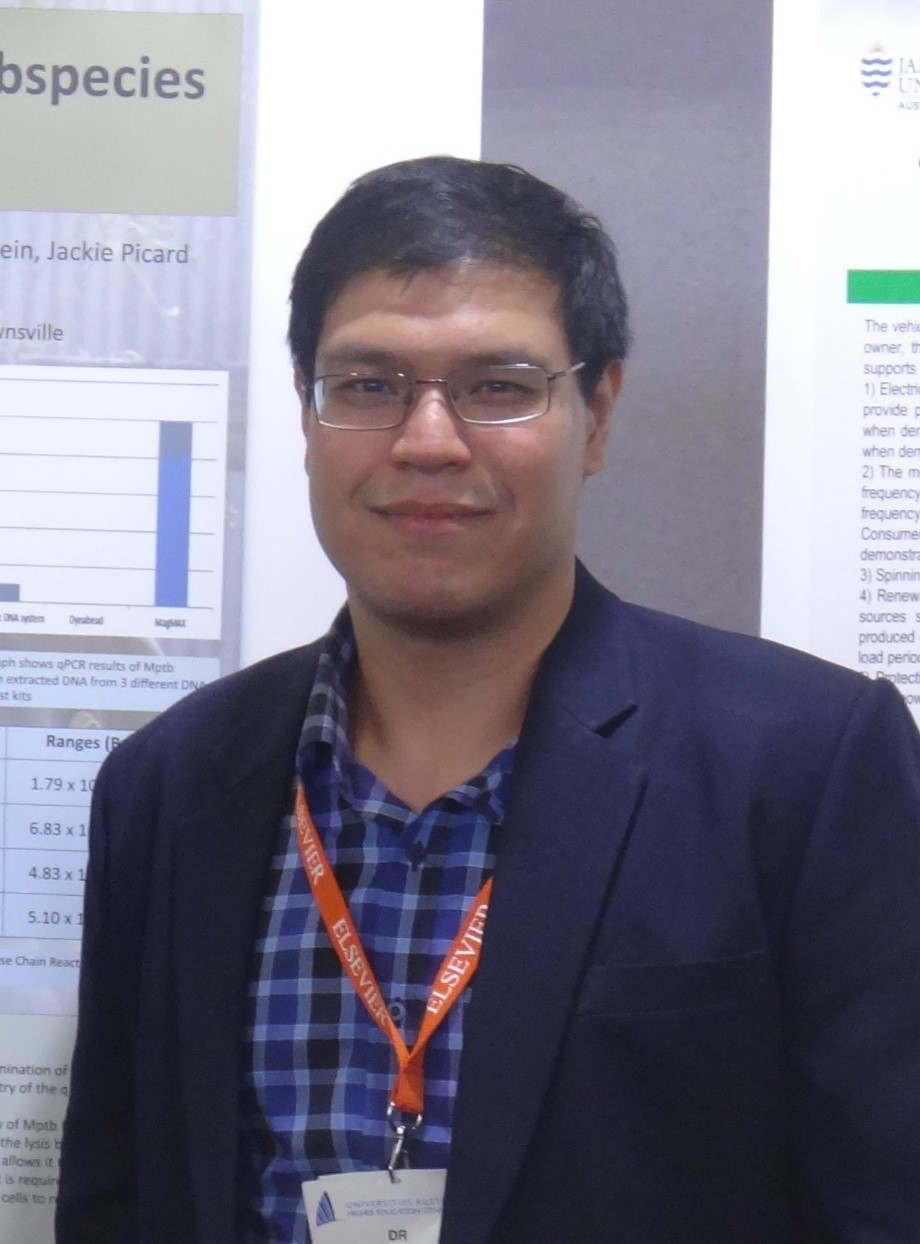
Orachun Hayakijkosol
- Senior Lecturer
- orachun.hayakijkosol1@jcu.edu.au

Rachel Bowater
- Lecturer, Veterinary Pathology
- rachel.bowater@jcu.edu.au

Sue Medlen
- Lecturer, Veterinary Anatomy
- sue.medlen@jcu.edu.au

Linda Hayes
- Senior Lecturer
- linda.hayes@jcu.edu.au
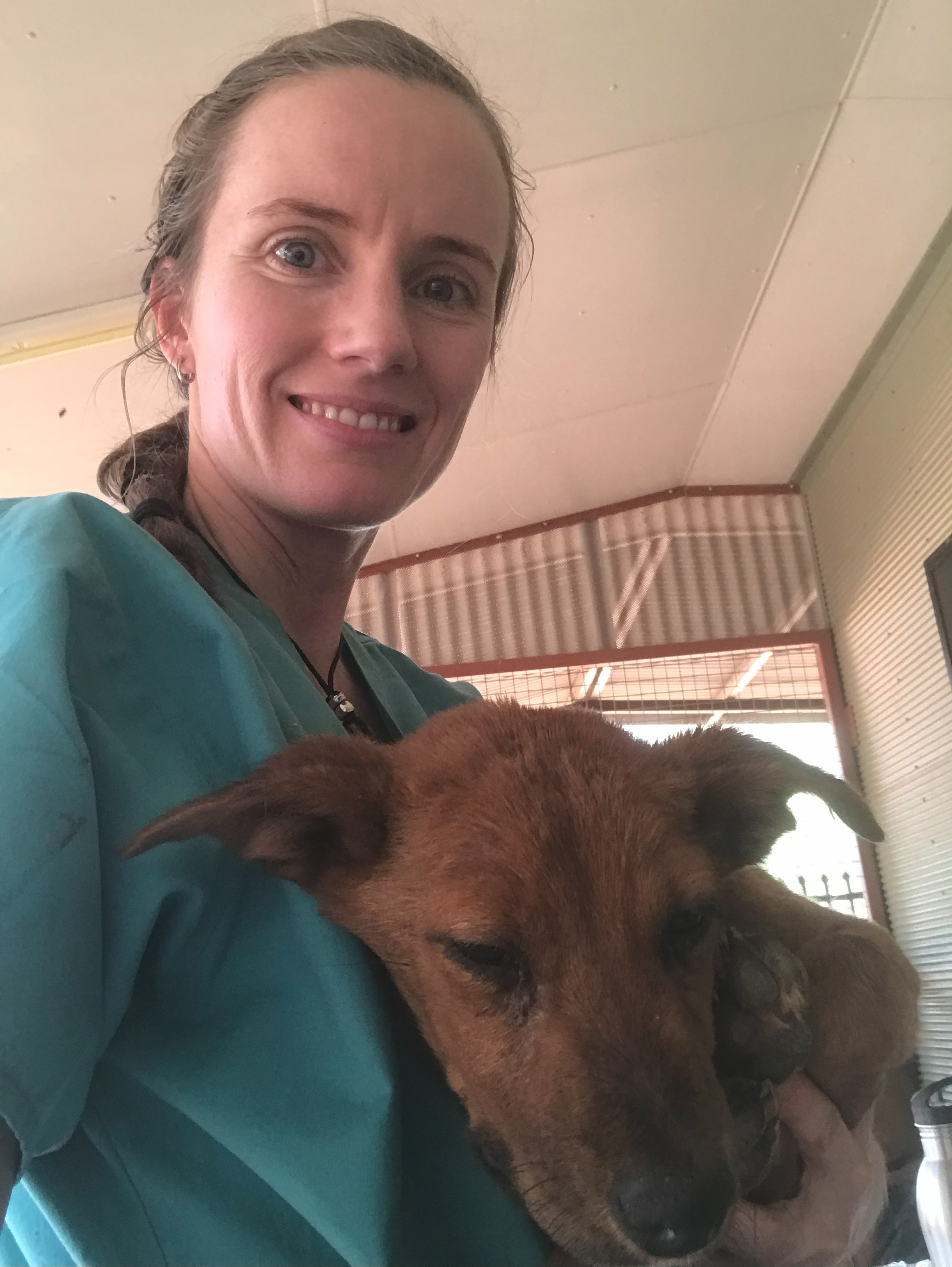
Tessa Mackie
- Lecturer, Veterinary Pathology
- tessa.mackie@jcu.edu.au

Robert Kinobe
- Associate Professor
- robert.kinobe@jcu.edu.au

Constantin Constantinoiu
- Associate Professor - Vet Parasitology
- constantin.constantinoiu@jcu.edu.au
Ecological Impact of Antibiotic Resistance Released from the Cleveland Bay Purification Plant using Marine Turtle Species (Old ID 26730)
Robert Kinobe
31 Jan 2020 - 31 Jan 2023
Cleveland Bay is a grazing ground for turtle species. Cleveland Bay Purification plant (CBPP) treats waste that may contain a variety of antibiotics. This study aims to determine the prevalence and distribution patterns of antibiotic resistant genes in the CBPP effluent and in the immediate receiving environment.
Genotyping Australian Cats for ABCB1 Gene Mutation: Implications for Drug Sensitivity and Veterinary Pharmacogenomics
Robert Kinobe
30 Mar 2024 - 30 Mar 2025
The aim of this research is to determine the existence of the ABCB1 gene mutation in Australian domestic cats and its potential effect on drug induced toxicity. The ABCB1 gene encodes for P-glycoprotein, a membrane transporter that affects the absorption, tissue distribution, and elimination of many clinically used drugs. In the brain, this protein contributes to a blood-brain barrier that safeguards animals from chemical induced neurotoxicity. In dogs and cats, specific mutations in the ABCB1 gene introduce premature stop codons which disrupt the biosynthesis of this protein. These mutations are associated with increased drug movement into the brain, and increased susceptibility to drug induced adverse reactions. In North America, approximately 5% of domestic cats carry the ABCB1 gene mutation but its prevalence in Australian cats is not known. Our primary objective is to determine the frequency of ABCB1 gene mutation in Australian cats presenting with drug-induced neurologic toxicity. This information will be essential for improving drug safety in domestic cats.
Genotyping Australian Cats for ABCB1 Gene Mutation: Implications for Drug Sensitivity and Veterinary Pharmacogenomics
Robert Kinobe
30 Mar 2024 - 30 Dec 2026
The aim of this research is to determine the existence of the ABCB1 gene mutation in Australian domestic cats and its potential effect on drug induced toxicity. The ABCB1 gene encodes for P-glycoprotein, a membrane transporter that affects the absorption, tissue distribution, and elimination of many clinically used drugs. In the brain, this protein contributes to a blood-brain barrier that safeguards animals from chemical induced neurotoxicity. In dogs and cats, specific mutations in the ABCB1 gene introduce premature stop codons which disrupt the biosynthesis of this protein. These mutations are associated with increased drug movement into the brain, and increased susceptibility to drug induced adverse reactions. In North America, approximately 5% of domestic cats carry the ABCB1 gene mutation but its prevalence in Australian cats is not known. Our primary objective is to determine the frequency of ABCB1 gene mutation in Australian cats presenting with drug-induced neurologic toxicity. This information will be essential for improving drug safety in domestic cats.
Ecological Impact of Antibiotic Resistance Released from the Cleveland Bay Purification Plant using Marine Turtle Species (Old ID 26730)
Robert Kinobe
31 Jan 2020 - 31 Dec 2025
Cleveland Bay is a grazing ground for turtle species. Cleveland Bay Purification plant (CBPP) treats waste that may contain a variety of antibiotics. This study aims to determine the prevalence and distribution patterns of antibiotic resistant genes in the CBPP effluent and in the immediate receiving environment. Marine turtles in Cleveland Bay will be used to determine the localized impacts of both antibiotics and antibiotic resistant genes as compared to resident turtles from a pristine environment. This study will provide valuable insight into the direct effect that antibiotics and ARG’s in WWTP effluent have on ecological health and ecological risk.
Macrobrachium rosenbergii nodavirus (MrNV) in juvenile crustacea
- 2012
- Researchers:Orachun Hayakijkosol
Prolonged subcutaneous administration of oxytocin accelerates angiotensin II-induced hypertension and renal damage in male rats
- 2015
- Public Library of Science
- Researchers:Haleagrahara NagarajaZoltan SarnyaiLisa ChiltonRobert Kinobe
Oligonuclear polypyridylruthenium(II) complexes: selectivity between bacteria and eukaryotic cells
- 2016
- Oxford University Press
- Researchers:Robert KinobeJeffrey Warner
Carbon monoxide releasing molecule-3 alleviates angiotensin II-induced hypertrophy and apoptosis by inhibiting oxidative and endoplasmic reticulum stress in H9c2 cardiomyocytes
- 2016
- Federation of American Societies for Experimental Biology
- Researchers:Robert KinobeHaleagrahara NagarajaLisa Chilton