
Marine Biology & Aquaculture
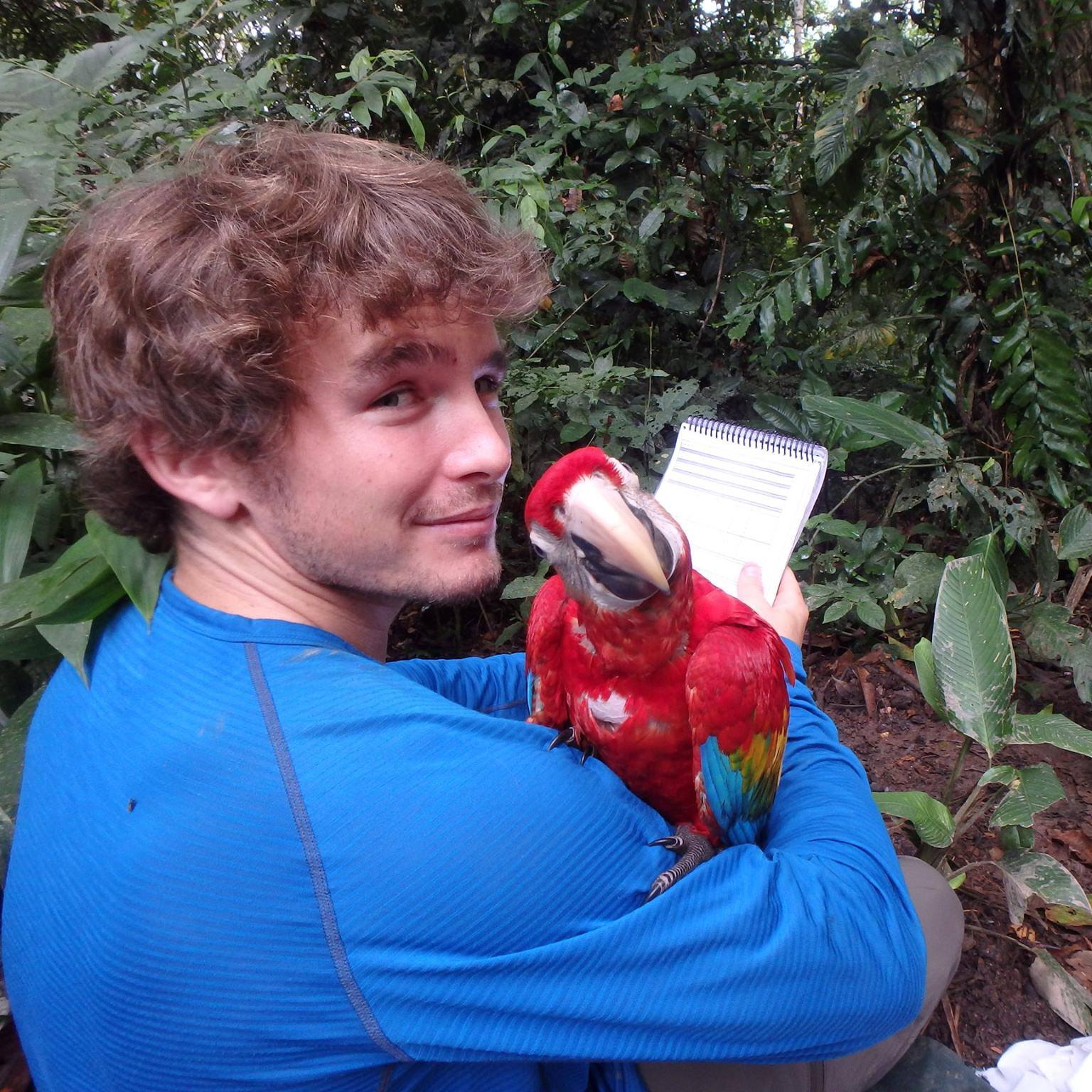
Tom Lloyd
- Postdoctoral Research Fellow, Global Ecosystems
- tom.lloyd@jcu.edu.au
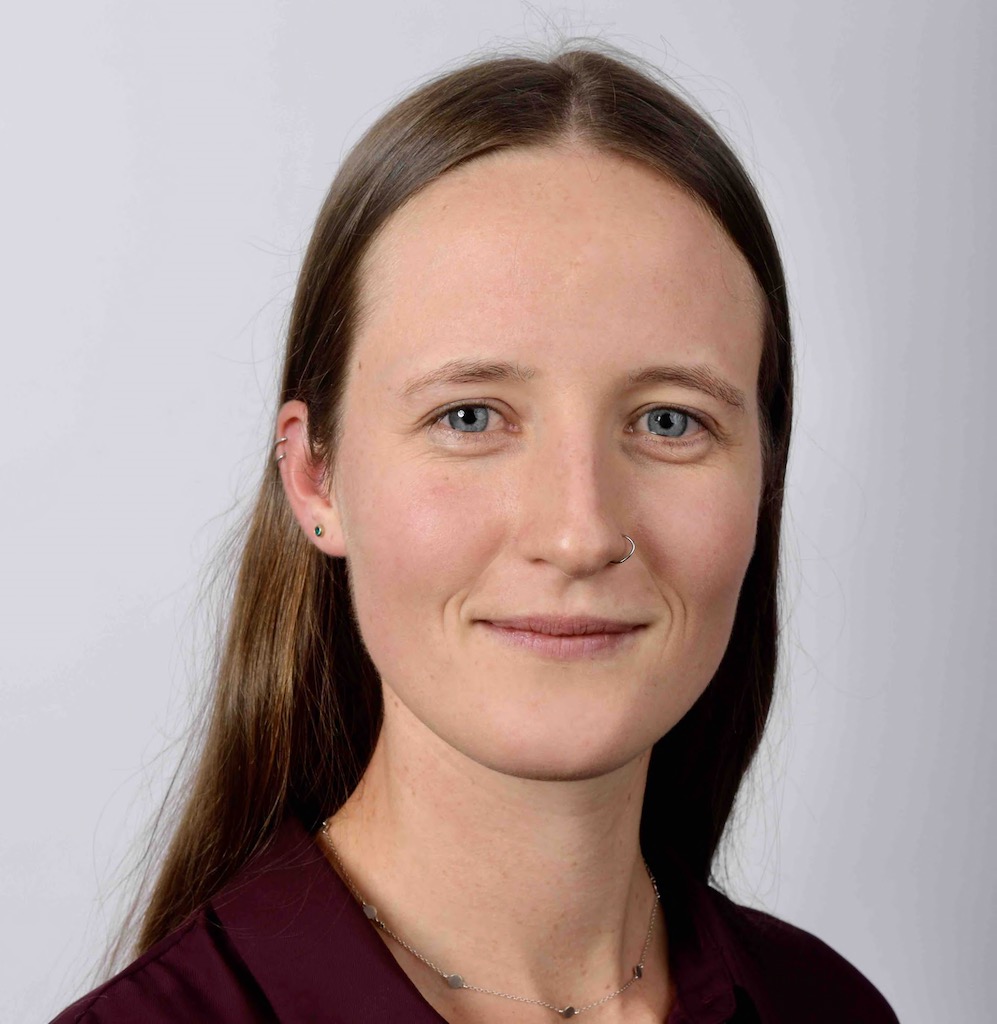
Alys Young
- Postdoctoral Research Fellow, Global Ecosystems
- alys.young@jcu.edu.au
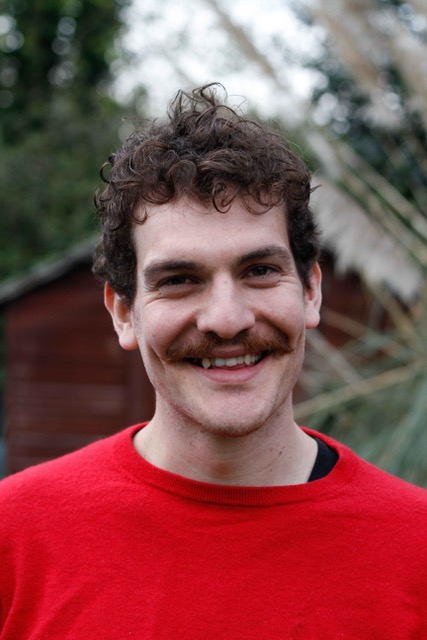
William Arlidge
- Postdoctoral Research Fellow in Community-Based Fisheries Co-Management
- william.arlidge@jcu.edu.au
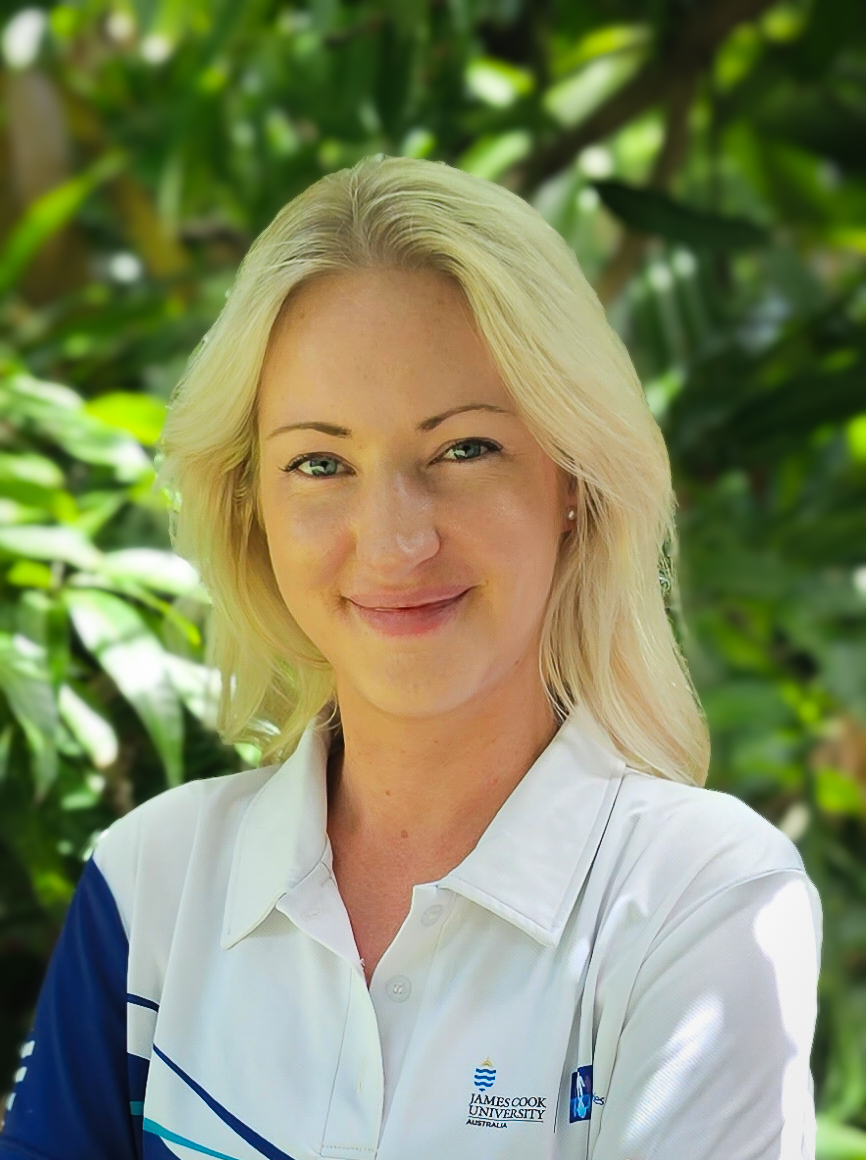
Anna Wilson
- Project Coordinator
- anna.wilson@jcu.edu.au
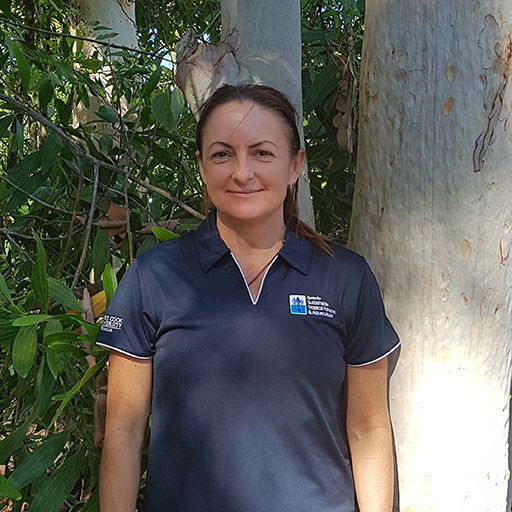
Kelly Condon
- Senior Lecturer, Aquaculture (Aquatic Animal Health)
- kelly.condon@jcu.edu.au

Graeme Cumming
- Adjunct Professor
- graeme.cumming@jcu.edu.au

Takahiro Shimada
- Adjunct Senior Research Fellow
- takahiro.shimada@jcu.edu.au
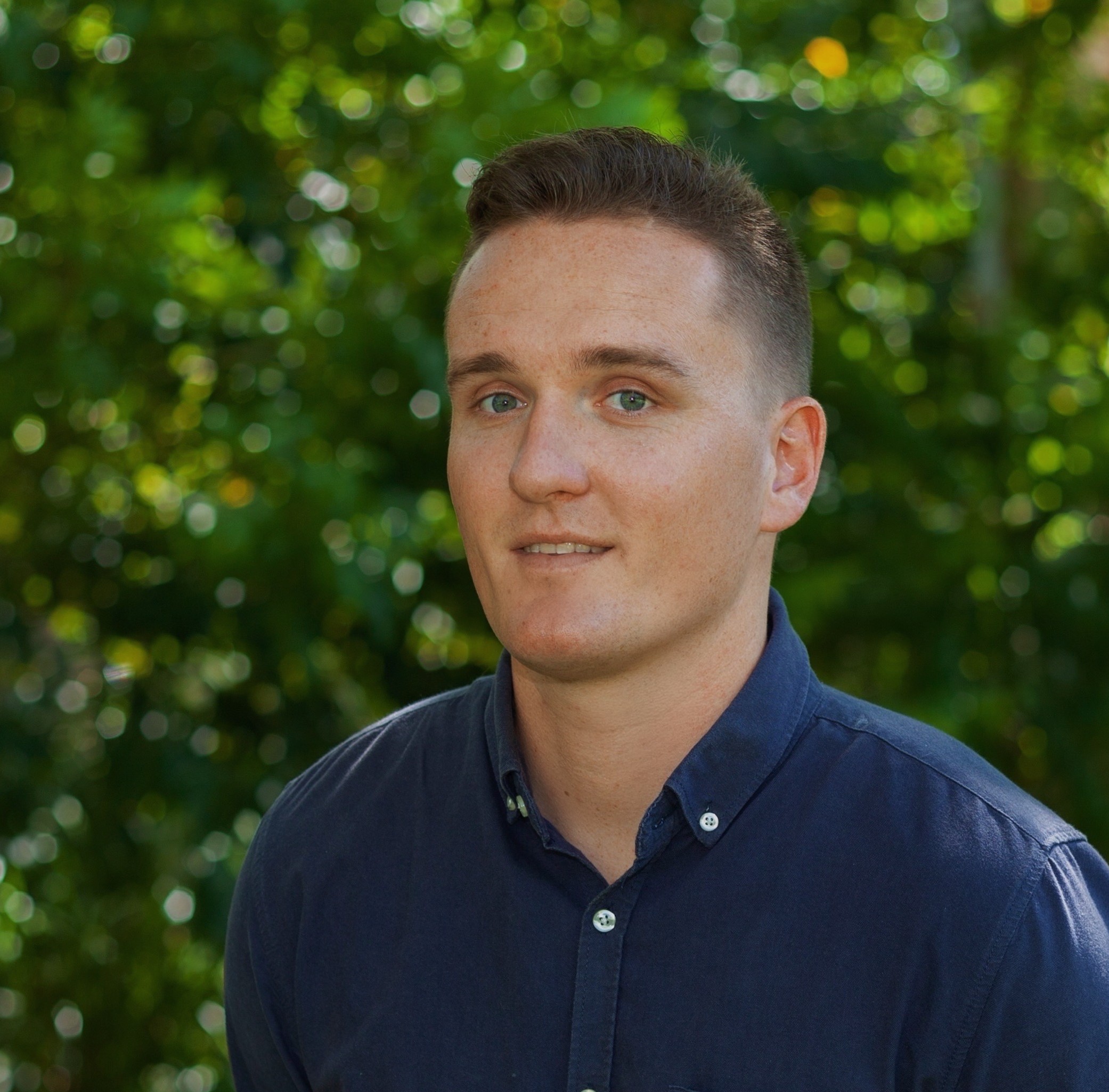
Peter Doll
- Research Fellow, Coral Reef Health Assessments
- peter.doll@jcu.edu.au
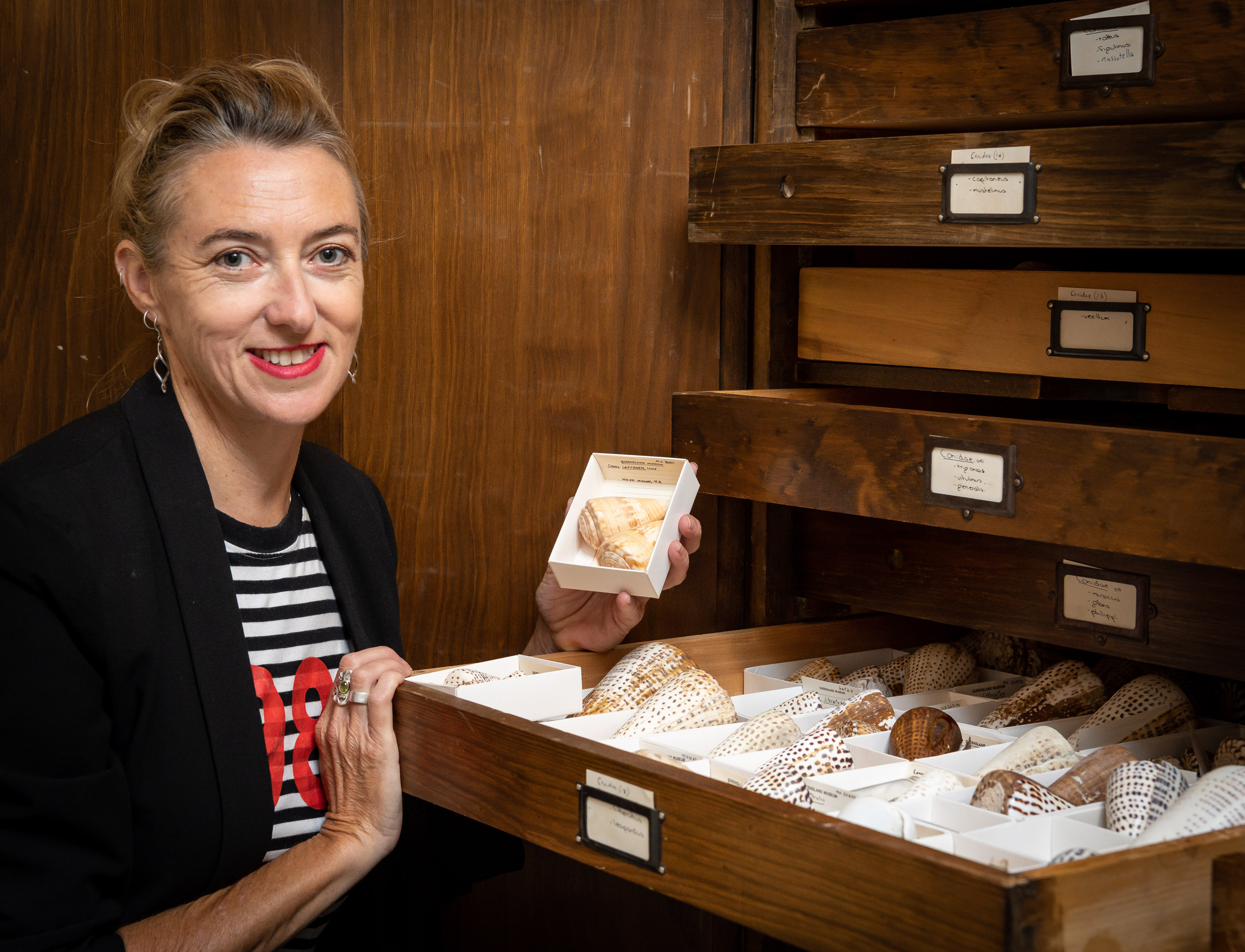
Michela Mitchell
- Casual Research Assistant
- michela.mitchell@jcu.edu.au
Jan Strugnell
- Professor, Promotional Chair
- jan.strugnell@jcu.edu.au
NQBP & JCU Research & Monitoring Partnership - Seagrass and Coral Studies (Old ID 24715)
This project conducts long term assessments of seagrass and coral in the Ports of Mackay, Hay Point, Weipa and Abbott Point. The work forms part of a research and monitoring partnership between JCU and NQBP to monitor and assess marine environmental health within ports as well as support related research and education opportunities.
Caught in the canopy: can coral larvae navigate seaweed canopies? (Old ID 27922)
Hard corals and fleshy macroalgae are two major benthic components of corals reefs, and the competition between these two groups can shape reef trajectories. Where coral reefs have been degraded through anthropogenic influences (climate change and local factors), the competitive interactions between coral and macroalgae are often increased in frequency and intensity. Given the range of known negative effects of macroalgae on corals, and in light of the climate crisis, it has been proposed that manual removal of macroalgae could help boost coral settlement and resilience on a local scale. Indeed, recent research has shown that the physical removal of macroalgae can triple the resulting recruitment of coral juveniles and drastically increase coral cover, and hence is a viable strategy for active reef management. However, it is not yet known what macroalgal mechanism (biochemical or physical) prevents coral juvenile success. It is also not known what level of algal reduction is needed to achieve reef rehabilitation outcomes. In this project, field data and aquarium-based experiments using different densities and heights of macroalgae will determine how macroalgae canopies affect coral recruitment, and will explicitly test the hypothesis that a physical barrier is responsible for preventing coral juveniles access to reef substrate, and could explain wide- scale patterns in recruitment failure on reefs worldwide.
Mungalla ecosystem service restoration. (Old ID 27736)
Coastal wetland restoration is critical and necessary in response to lost values and services, and to increase climate change resilience. Working with Birdlife Australia, Greening Australia and Mungalla Aboriginal Corporation for Business, we will undertake a series of works to improve restoration outcomes for the wetland on the station. The focus is on blue carbon, though other services include water quality and biodiversity outcomes.
National inventory of implemented nature-based solutions (Old ID 27760)
This project will undertake a national inventory revie of implemented nature-based solutions that have been completed to mitigate coastal hazards. The aim of this project is to collate the information, build a repository of data and to provide end user groups access to the data and information to inform future planning decisions.
Coral bleaching assessment 2024 in northern Great Barrier Reef
Climate induced coral bleaching is now the foremost threat to coral reefs, including Australia's Great Barrier Reef (GBR). Based on current and projected sea surface temperatures there is a very high likelihood that mass bleaching will occur in March 2024 on the GBR. As such, The Great Barrier Reef Marine Park Authority (GBRMPA) are requesting that our team undertake in-water bleaching assessments in the northern GBR in March 2024, at reefs where we are working on crown-of-thorns starfish.
Developing Genetic Resources for Red Snapper, an Important Marine Food Fish for Singapore
Developing Genetic Resources for Red Snapper, an Important Marine Food Fish for Singapore
Coastal wetland systems repair across GBR catchments - values based causal framework validation (Old ID 26386)
Conservation and repair of the coastal wetland ecosystems' in the Great Barrier Reef catchments have come into focus following media converging on the point that the reef health and land use in catchments has been compromised. While on-ground wetland repair investment activities are underway, data to demonstrate water quality and biodiversity return for the investment is not available. Here we continue working with project partners, further contributing to change management practices, consolidate new project partnerships, and road test the Queensland Westland's Values Based Causal Framework using existing and new data.
Securing Antarctica's Environmental Future (Old ID 26624)
This program aims to deliver unprecedented research capability for securing Antarctic environments in the face of uncertain change. By integrating a highly skilled team with new approaches and breakthrough technologies, the program anticipates discovery science, enhanced environmental forecasting and optimised decision-making to advance Australia’s position as an influential Antarctic nation. Expected outcomes include better environmental management, unparalleled strategic decision-support for an effective Antarctic Treaty, and new minds to address Antarctica’s new challenges. Anticipated benefits are the means to transform environmental forecasting and management in the Antarctic, for Australia, and to the advantage of global security.
Burdekin wetlands restoration research. (Old ID 27072)
Wetlands provide some many services and values, yet are under pressure from continuing and expanding land use change. North Queensland Dry Tropics (NQDT) are implementing a range of restoration projects to improve the Burdekin floodplain, and have engaged TropWATER to complete wetland restoration monitoring to measure and evaluate the success of these works. This monitoring will cover fish sampling, water and sediment chemistry, aquatic plant assessments and hydrology. The data will provide NQDT with information to assist with further works and funding on the horizon.
Molecular-based method for the quantification of in situ crown-of-thorns starfish settlement rates (Old ID 27772)
This research will develop and validate an innovative protocol for the quantification of in situ crown-of-thorns starfish (COTS) settlement rates. DNA spiked samples will be analysed using two different DNA extraction methods and droplet digital PCR to determine relative method performance and sub-sampling requirements. Analyses of control samples collected outside the reproductive season may provide additional method validation by ruling out sample contamination by waterborne DNA originating from adult COTS. This work will facilitate future research to resolve critical information gaps and improve the ecological underpinning of COTS management.
Ecological risk assessment of elasmobranchs caught in the Gulf of Papua prawn fishery
- 2021
- Wiley-Blackwell
- Researchers:Colin Simpfendorfer
Virome composition in marine fish revealed by meta-transcriptomics
- 2021
- Oxford University Press
- Researchers:David Bellwood
The trophic ecology of reef fishes: the cnidarian challenge
- 2021
- Researchers:Victor Huertas Martin
Start Date:
10 Nov 2024
Start Date:
31 Mar 2025
Start Date:
01 Jan 2024
Start Date:
01 Jan 2024
End Date:
01 Jan 2027
Start Date:
01 Jan 2004
End Date:
01 Jan 2006
Start Date:
01 Jan 2007
End Date:
01 Jan 2007
Title:
PhD, James Cook University
Start Date:
01 Jan 2002
End Date:
01 Jan 2005
Start Date:
01 Jan 1996
End Date:
01 Jan 1999