
Marine Biology & Aquaculture
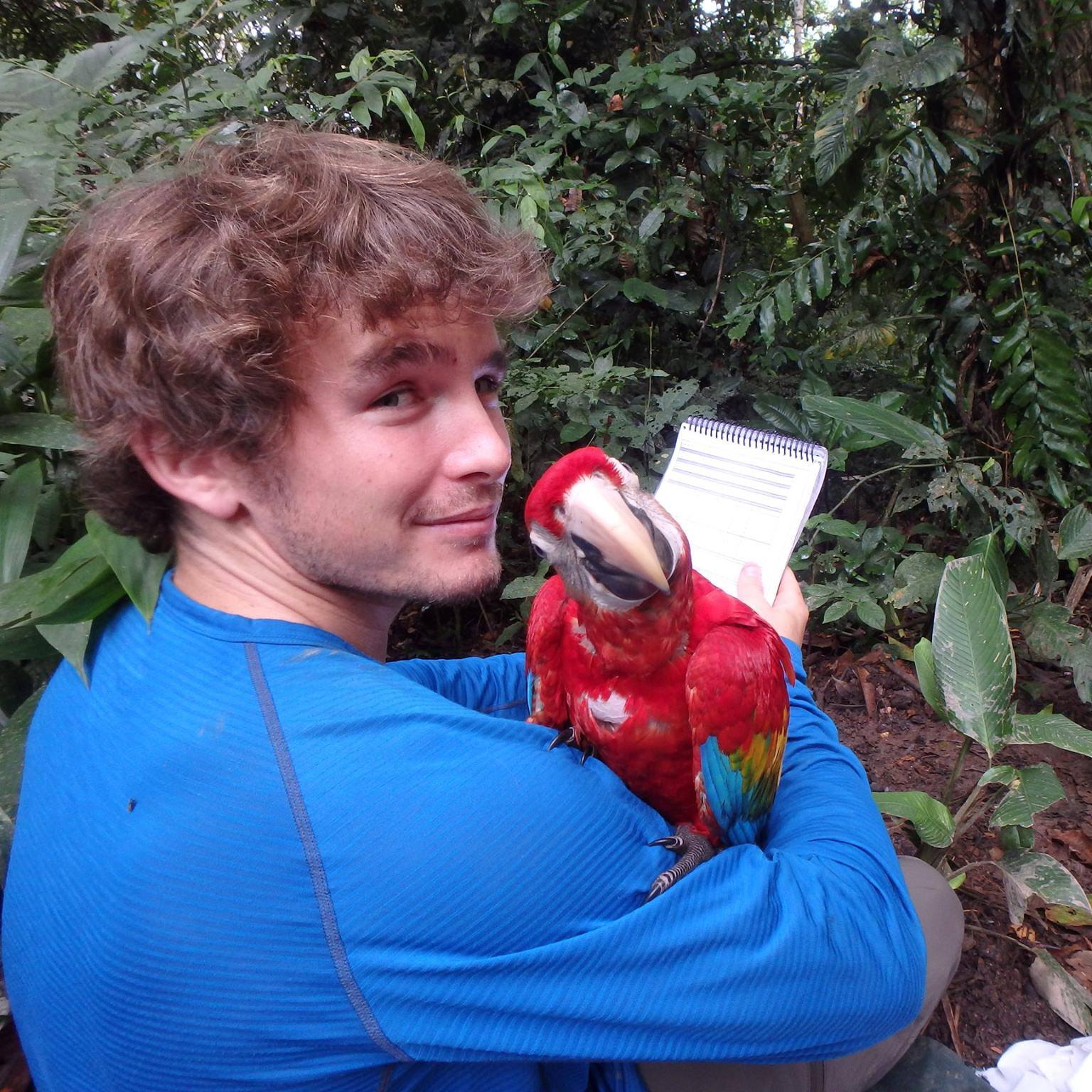
Tom Lloyd
- Postdoctoral Research Fellow, Global Ecosystems
- tom.lloyd@jcu.edu.au

Alys Young
- Postdoctoral Research Fellow, Global Ecosystems
- alys.young@jcu.edu.au
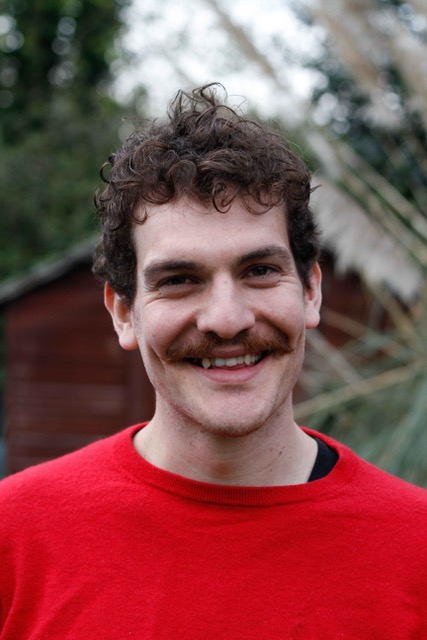
William Arlidge
- Postdoctoral Research Fellow in Community-Based Fisheries Co-Management
- william.arlidge@jcu.edu.au
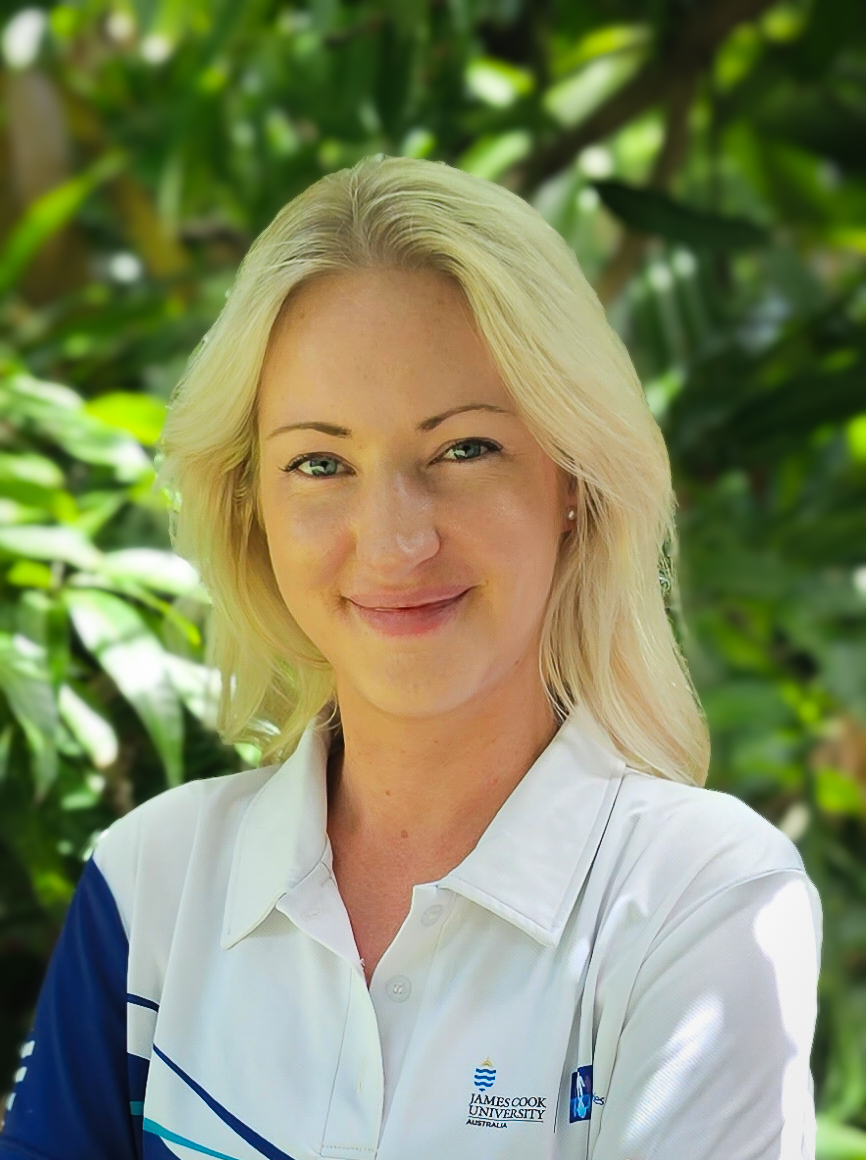
Anna Wilson
- Project Coordinator
- anna.wilson@jcu.edu.au
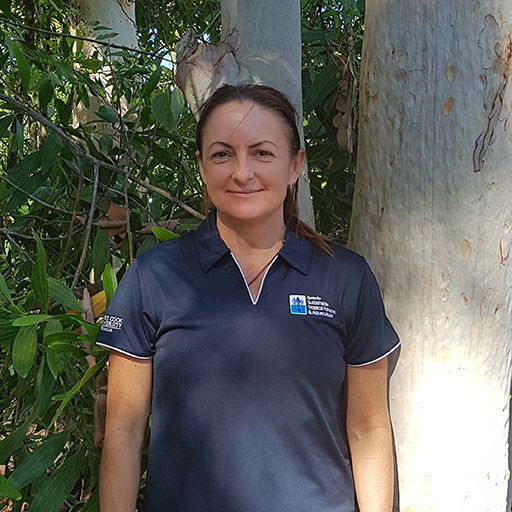
Kelly Condon
- Senior Lecturer, Aquaculture (Aquatic Animal Health)
- kelly.condon@jcu.edu.au

Graeme Cumming
- Adjunct Professor
- graeme.cumming@jcu.edu.au

Takahiro Shimada
- Adjunct Senior Research Fellow
- takahiro.shimada@jcu.edu.au
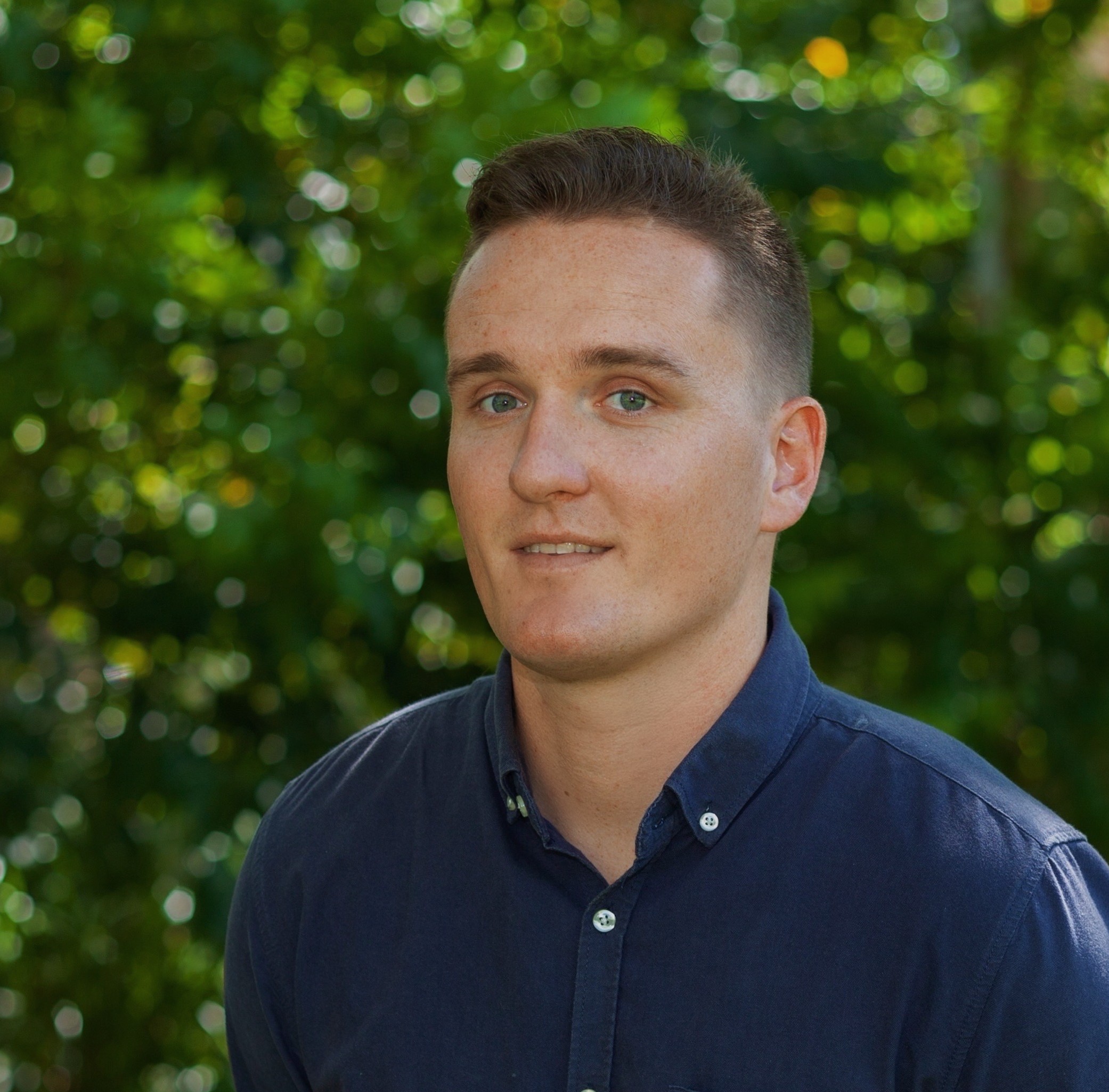
Peter Doll
- Research Fellow, Coral Reef Health Assessments
- peter.doll@jcu.edu.au
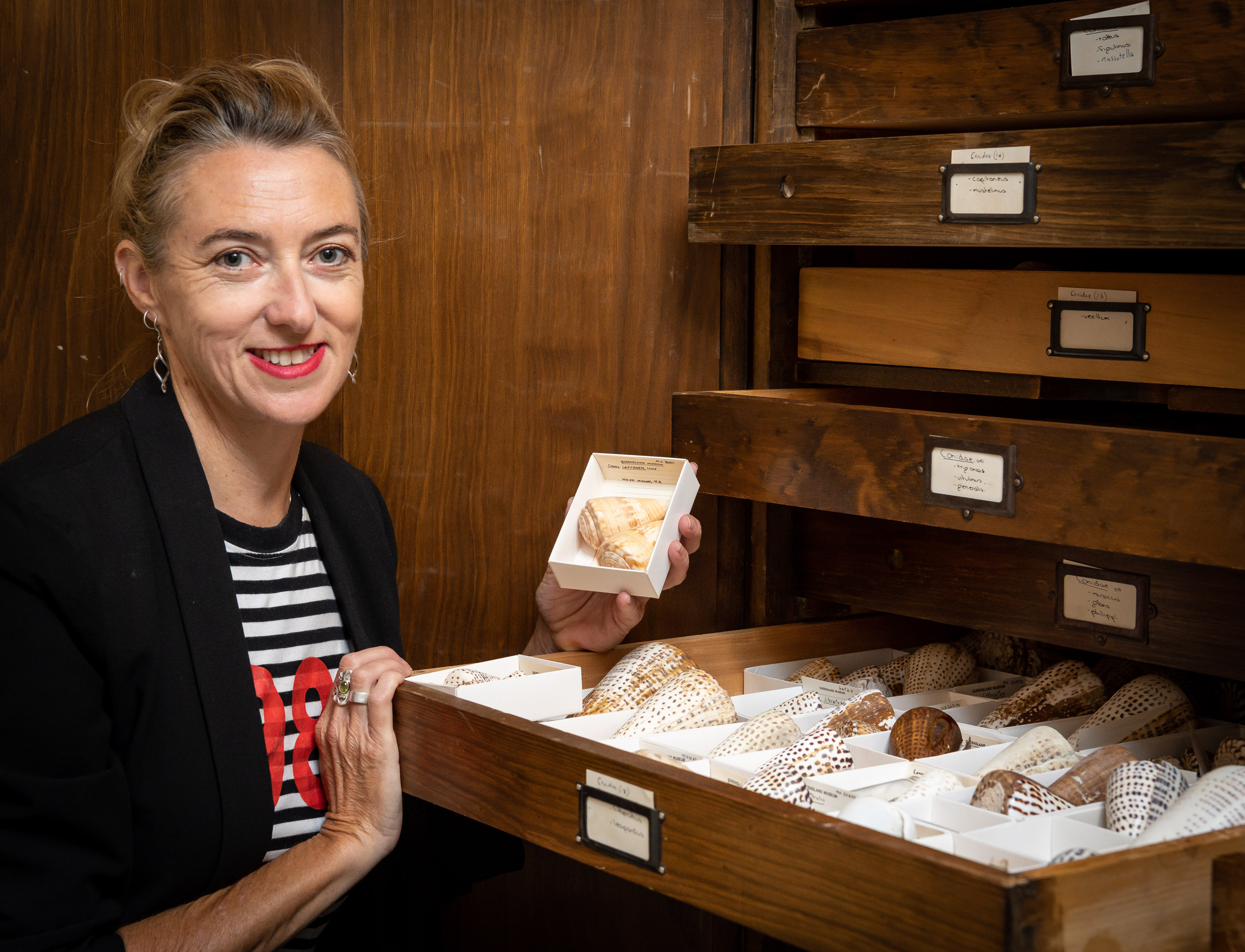
Michela Mitchell
- Casual Research Assistant
- michela.mitchell@jcu.edu.au
Jan Strugnell
- Professor, Promotional Chair
- jan.strugnell@jcu.edu.au
Supercharging barramundi production through advanced selective breeding for improved disease resistance, growth and fillet traits
Barramundi, or Asian seabass, Lates calcarifer, is the major aquaculture species farmed in Singapore and has wide consumer acceptance
due to its white, firm flesh. The barramundi currently farmed in Singapore, however, have not been significantly improved through
simultaneous selection to be resistant to major diseases (like scale drop disease), faster growth, or fillet characteristics. This project will use
gold standard breeding methodologies that utilise genomics, industrial-scale phenotyping and cutting-edge digital technologies to select for
barramundi that are more productive, have whiter flesh and possess a lower risk to farming due to disease in Singaporean waters.
Outcomes from the project will be barramundi that have average survival to scale drop disease of 60%, grow 15% faster, and have
increased fillet yields and white flesh colouration.
NESP 3.4 Better management of catchment runoff to marine receiving environments in northern Australia. (Old ID 28969)
Runoff from catchments in northern Australia has the potential to carry large amounts of sediment and nutrients. These available nutrients are important in driving coastal and estuary productivity, including many commercially and recreationally targeted species. Water resource development in northern Australia could reduce the supply of freshwater flow to the coast, thereby limiting supply of nutrients. This research project will examine the potential risks water resource development presents to Gilbert (QLD), Daly (NT) and Ord (WA) marine and coastal areas. We will complete a literature review, undertake flood plume modelling and examine vegetation damage along these coastal areas.
JCU and Greening Australia alliance: leaders in tropical wetland restoration (Old ID 22951)
Greening Australia (GA) is a national not-for-profit organisation that strives towards the vision of healthy and productive landscapes where people and nature thrive. This vision is underpinned by science to guide what’s best for landscapes and people in Australia. Because of this business model, GA has a strong, long term, collaborative, approach to projects and therefore has achieved many sound, high profile outcomes. Projects delivered by GA attract significant financial investment from government, but maybe more so from philanthropic investors. By way of example, GA this year joined forces with Virgin Australia to launch a powerful new initiative (Reef Aid) to restore water quality in the GBR catchment area. As a start, GA has launched a public appeal to raise $10M as a first step towards an estimated $100M restoration campaign over the next 10 years. The Australian Government Reef Trust has already matched contributions up to $2M, and today, GA has $4M ready to start the Reef Aid journey via the instigation of on-ground wetland repair projects. Being focused on on-ground works, these projects lack significant research components. To this end, we propose through this partnership grant to demonstrate the value of research to improving on-ground outcomes and in doing so further our relationship with GA to include our services, via an R&D alliance, as part of further projects they develop through their Reef Aid program in coming years.
Next generation training libraries to support Australia's coastal ecosystem monitoring systems (Old ID 27883)
The Department of Climate Change, Energy, the Environment and Water is seeking to develop the training data sets necessary to support the development of continuous ocean and coastal ecosystem extent mapping across the Australian continent. The mapping is expected to underpin the ongoing development of the National Ocean Accounts and other environmental-economic accounting activities. This project involves collecting training datasets to support models I have previously developed (Murray et al., 2022), so that these models can be employed by the Commonwealth for improved coastal mapping and monitoring.
Defining metrics of success for feral animal management in northern Australia (Old ID 23026)
Feral animals cause significant damage to aquatic ecosystems across northern Australia, affecting biodiversity, ecosystem function and Indigenous cultural values. Funding for feral animal control often focuses on a particular species, ignoring the iterative and cumulative impact of the feral animals. This project will determine the impact of feral animals (pigs, horses, cattle) across aquatic ecosystems in the context of regional and local feral animal control, local aspirations and government priorities. The project will work closely with the Aak Puul Gnangtam and Kalan Aboriginal Development Groups as they continue implementing feral animal abatement strategies across the Archer River catchment.
Assessing risks to coastal ecosystems with new earth observation models (Old ID 26560)
This project aims to quantify and diagnose the causes of declines in the world's coastal wetland ecosystems. Unprecedented rates of loss have been reported in many coastal ecosystems, but there is a lack of knowledge regarding their distribution, status and trajectory at the global scale. The projuect will integrate earth observation, machine-learning and ecosystem risk assessment methods to deliver new high-resolution time-series data, quantitative knowledge on the influence of social, economic and environmental factors on ecosystem loss, and predictions of different future states of coastal ecosystems. Key benefits include an improved ability to monitor and manage coastal ecosystems in Australia and globally.
Long term benthic dynamics following interventions on macroalgae dominated reefs (Old ID 28962)
Macroalgae flourish under conditions with high amounts of terrestrial runoff, increased sedimentation and nutrient loading; conditions characteristic of an increasing number of coral reefs globally. These conditions can prompt a shift from coral dominance to an altered, macroalgae-dominated community, with the return of coral dominance rare once fleshy macroalgae have established. By increasing space for growth of existing coral colonies and enhancing available space for coral recruitment, manual removal of macroalgae (“sea-weeding”) has been proposed as one measure to promote reef recovery on macroalgae dominated reefs. This project will monitor the long-term benthic impacts of removing macroalgae from experimental plots on a degraded inshore reef.
Biodiversity, biogeography and molecular evolution on tropical reefs (Old ID 22591)
This project aims to uncover how biodiversity patterns are driven by evolutionary processes, biogeography and molecular change. Coral reefs support over 800,000 plant and animal species on <0.1% of the ocean. How was this biodiversity formed? This project aims to answer this question by generating genomic data for a group of reef building corals and reef associated fishes to reconstruct their evolutionary history. It plans to use new methods to compare models of speciation, extinction and range change among regions to determine how those processes contribute to the formation of biodiversity gradients and regional assemblage differences. The project intends to improve understanding of evolutionary dynamics to inform conservation priorities.
The genomics of bleaching tolerance in a hearty, common reef-building coral: Acropora tenuis (Old ID 24824)
Over the last two years, the Great Barrier Reef has suffered unprecedented coral bleaching, leading to a loss of coral cover and biodiversity. This project aims to quantify the consequences of coral bleaching on adaptive genetic variation. This information can be input to future modelling and resilience management techniques. We will address four major questions: 1) does bleaching lead to a loss of genetic diversity in a stress-tolerant species? 2) What genes and physiological traits are involved in stress tolerance? 3) What gene variants allow survival? And 4) Does migration of mal-adapted larvae hinder local adaptation to extreme heat?
Torres Straits Wetlands, Mangroves and Invasive Species (Old ID 23518)
Coastal wetlands and mangrove habitat are important for aquatic communities in the Torres Straits. These water environments also provide important food and cultural values for locals. Torres Straits Regional Authority wishes to continue building Land and Sea Ranger capacity to monitor and evaluate condition of wetlands across the Straits. TropWATER will assist with water quality monitoring, invasive animal management, mangrove condition and health assessment, along with preparation of materials for rangers to continue these monitoring programs.
L'Impact écologique des activités économiques en mer de Chine méridionale
- 2022
- Editions L'Harmattan
- Researchers:Eric Wolanski
Confirmed feasibility of a satellite tracker attachment method on small juvenile hawksbill turtles Eretmochelys imbricata
- 2023
- Inter-Research
- Researchers:Diana MendezMark HamannEllen Ariel
Half a century of rising extinction risk of coral reef sharks and rays
- 2023
- Nature Publishing Group
- Researchers:Colin SimpfendorferRima Jabado
Genome skimming elucidates the evolutionary history of Octopoda
- 2023
- Academic Press
- Researchers:Jan Strugnell
From rivers to ocean basins: The role of ocean barriers and philopatry in the genetic structuring of a cosmopolitan coastal predator
- 2023
- Wiley-Blackwell
- Researchers:Michael GrantRima Jabado
Start Date:
10 Nov 2024
Start Date:
31 Mar 2025
Start Date:
01 Jan 2024
Start Date:
01 Jan 2024
End Date:
01 Jan 2027
Start Date:
01 Jan 2004
End Date:
01 Jan 2006
Start Date:
01 Jan 2007
End Date:
01 Jan 2007
Title:
PhD, James Cook University
Start Date:
01 Jan 2002
End Date:
01 Jan 2005
Start Date:
01 Jan 1996
End Date:
01 Jan 1999