
Marine Biology & Aquaculture
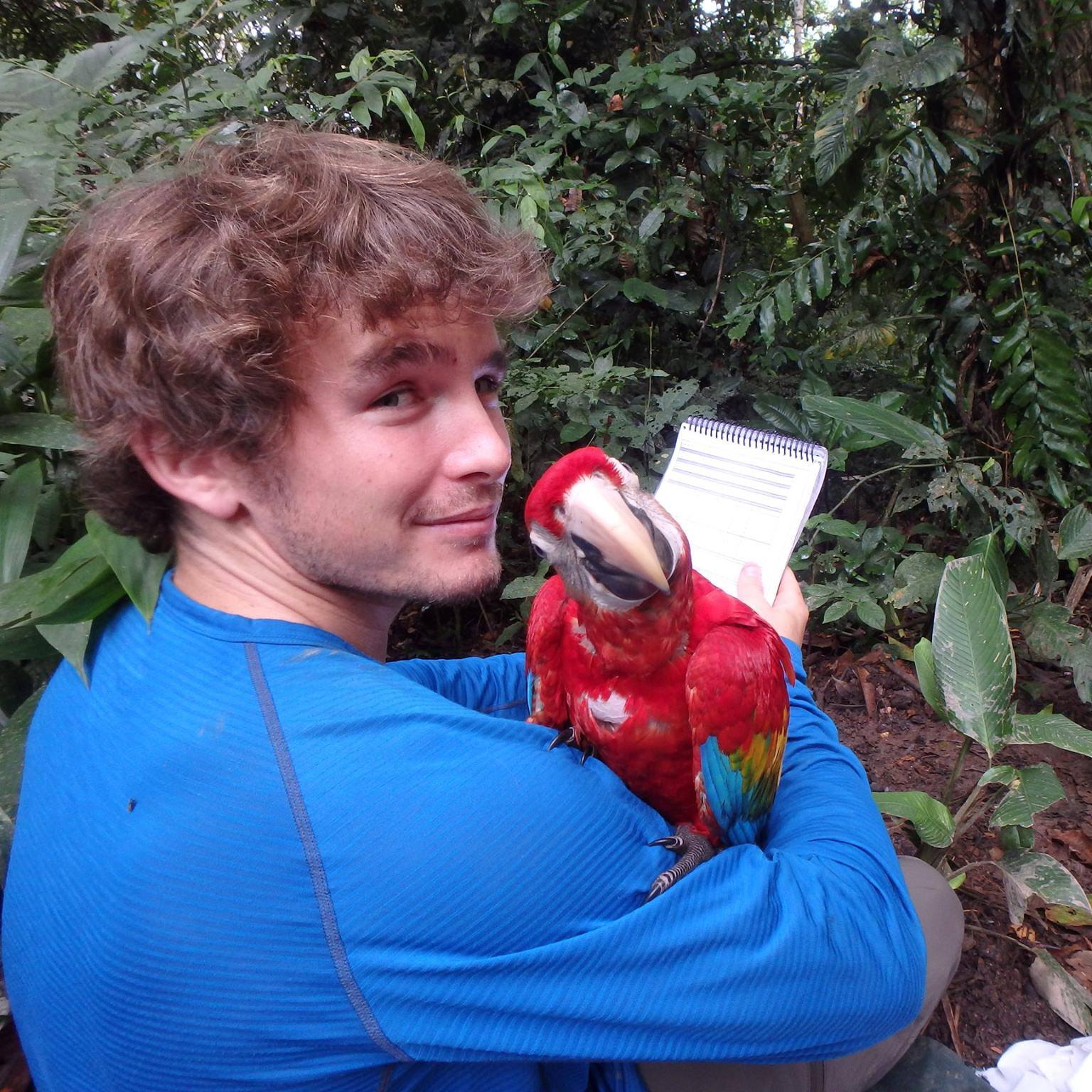
Tom Lloyd
- Postdoctoral Research Fellow, Global Ecosystems
- tom.lloyd@jcu.edu.au

Alys Young
- Postdoctoral Research Fellow, Global Ecosystems
- alys.young@jcu.edu.au
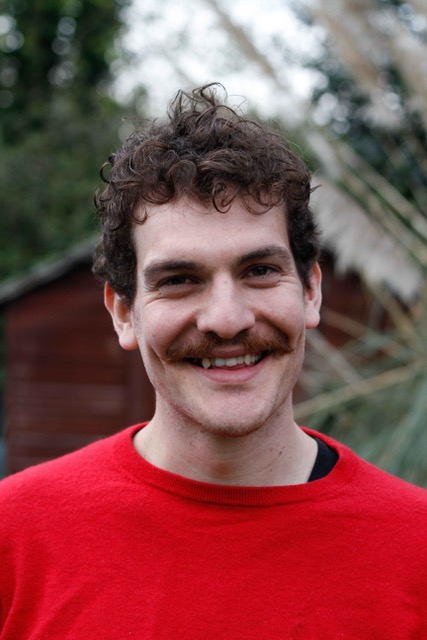
William Arlidge
- Postdoctoral Research Fellow in Community-Based Fisheries Co-Management
- william.arlidge@jcu.edu.au

Anna Wilson
- Senior Research Worker
- anna.wilson@jcu.edu.au
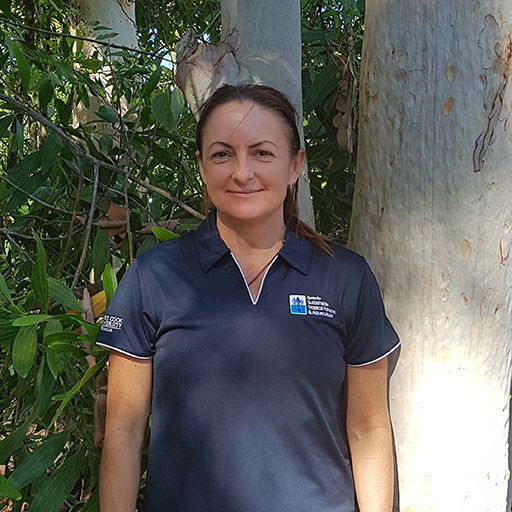
Kelly Condon
- Senior Lecturer, Aquaculture (Aquatic Animal Health)
- kelly.condon@jcu.edu.au

Graeme Cumming
- Adjunct Professor
- graeme.cumming@jcu.edu.au

Takahiro Shimada
- Adjunct Senior Research Fellow
- takahiro.shimada@jcu.edu.au

Peter Doll
- Research Fellow, Coral Reef Health Assessments
- peter.doll@jcu.edu.au
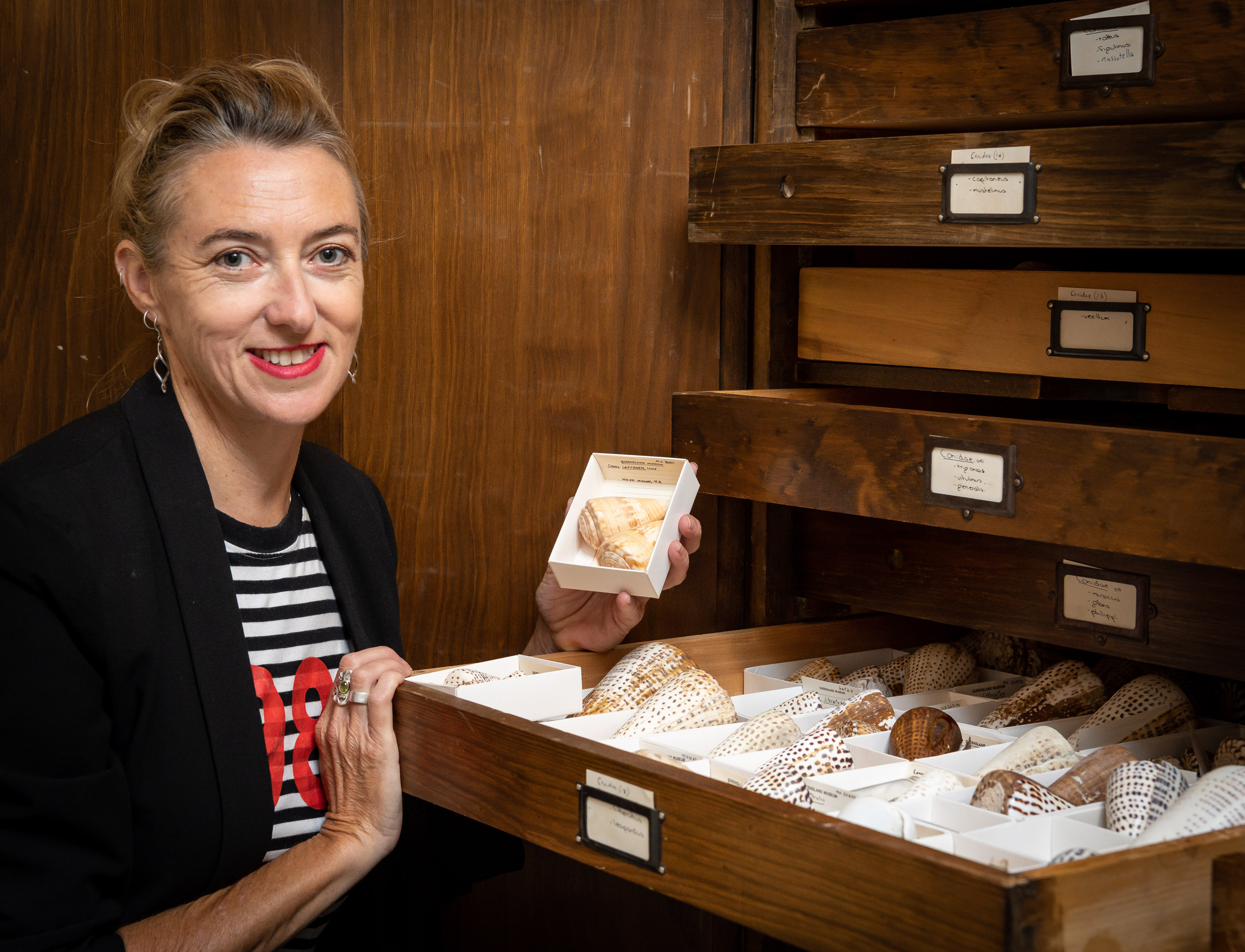
Michela Mitchell
- Casual Research Assistant
- michela.mitchell@jcu.edu.au
Jan Strugnell
- Professor, Promotional Chair
- jan.strugnell@jcu.edu.au
Coral Sea - Coral Reef Health Multi Year Project (Old ID 26516)
The principal output of this project will be providing spatial and temporal analyses of hydrodynamic patterns in the Coral Sea Marine Park (CSMP) to facilitate planning and establishment and/or revisions of existing management plans. This project will inform patterns of connectivity and circulation flow across the broader CSMP, and between CSMP and Great Barrier Reef Marine Park using existing modelling platforms.
Extending the success of REDMAP Australia to Queensland (Old ID 26308)
REDMAP (Range Extension Database & Mapping project) is a citizen science initiative inviting fishers, divers and boaters to submit photographs of unusual fish sightings to an interactive website (www.redmap.org.au). The project seeks to inform, engage and educate fishers, divers and boaters about fish that are shifting southwards in accordance with warming waters. This project will roll out this initiative across Queensland through public talks at fishing and diving clubs in conjunction with the distribution of brochures, dive plans and stickers highlighting the fish species for citizen scientists to keep a look out for while they are on or in the waters.
Crown-of-thorns starfish control innovation program – Feasibility and Design Phase (Phase 1) (Old ID 27217)
Recognising that manual control of COTS during outbreaks is not, on its own, an ideal long-term solution, new efforts were launched in 2016 to develop an Integrated Pest Management approach for COTS (as part of the National Environmental Science Program), led by CSIRO and involving numerous partners. This approach relies on understanding COTS distribution, movement and population dynamics, targeting critical locations and exploring new and more effective control methods. This involves both improving the efficiency and effectiveness of the current methods while also focusing efforts to better understand and manage the pre-conditioning and initiation of outbreaks. A Feasibility and Design Phase (Phase 1) is focused on assessing the feasibility (technical, social and regulatory) and modelling the benefit (impact) at scale of a broad range of possible improvements and interventions. Applying a transparent and consistent scientific framework, this Phase will lead to recommendations on priority areas that should be further investigated and developed
Evaluating the costs and benefits of agricultural land conversion to wetlands (Old ID 24988)
Government and private investors are increasingly interested in nitrogen reduction projects, particularly via conversion of land to wetlands. Investing in such projects requires understanding the environmental benefits to be accrued and cost-effectiveness. The best way to provide these data is to evaluate already constructed land-wetland conversion sites that resemble what future projects might look like. This project will collect data from previously completed land-wetland conversion sites, on construction and ongoing maintenance costs, and the water quality and biodiversity benefits. This project will generate explicit data for government and private investors to make informed decisions on future investments of this kind.
Incorporating fisheries, food security, livelihoods, and tourism in Marine Protected Area designs in Indonesia – Part 1: Scoping (Old ID 31112)
This scoping project funds the initial work of strengthening the relationships with Indonesian researchers and governments, with the long-term goal of generating the science and tools for designing and implementing marine protected areas that support Blue Economy (i.e., fisheries, food security, livelihoods, and tourism) in Southeast Asia and the Pacific.
A machine-learning training library of intertidal seagrass ecosystems to support Australia's National Ocean Accounts. (Old ID 27414)
The Australian Government, as a member of the High Level Panel for Sustainable Ocean Economy (Ocean Panel), has committed to a range of priority actions, including the development of a complete sequence of national ocean accounts. Seagrass extent and annual change is an integral part of the accounts. Training data on intertidal seagrass extent is needed to support the development of a national intertidal seagrass extent map, which will be a key deliverable of the National Ocean Accounts. This project will therefore conduct the necessary image interpretation tasks to deliver a machine-learning ready training set of Australia’s intertidal seagrass ecosystems.
Research to support sustainable coral harvesting by Australian aquarium industry (Old ID 23641)
An Advance Queensland Knowledge Transfer Partnerships grant awarded to Ultra Coral Australia Pty Ltd is being used to part fund the appointment of a PhD graduate from James Cook University, Dr Ciemon Caballes, to undertake research into the improved sustainability of wild coral harvesting on Australia’s Great Barrier Reef. A portion of the grant is awarded directly to JCU to facilitate direct engagement with Ultra Coral Australia Pty Ltd and the recently appointed graduate, further establishing industry links and direct application of ongoing research.
Supercharging barramundi production through advanced selective breeding for improved disease resistance, growth and fillet traits
Barramundi, or Asian seabass, Lates calcarifer, is the major aquaculture species farmed in Singapore and has wide consumer acceptance
due to its white, firm flesh. The barramundi currently farmed in Singapore, however, have not been significantly improved through
simultaneous selection to be resistant to major diseases (like scale drop disease), faster growth, or fillet characteristics. This project will use
gold standard breeding methodologies that utilise genomics, industrial-scale phenotyping and cutting-edge digital technologies to select for
barramundi that are more productive, have whiter flesh and possess a lower risk to farming due to disease in Singaporean waters.
Outcomes from the project will be barramundi that have average survival to scale drop disease of 60%, grow 15% faster, and have
increased fillet yields and white flesh colouration.
NESP 3.4 Better management of catchment runoff to marine receiving environments in northern Australia. (Old ID 28969)
Runoff from catchments in northern Australia has the potential to carry large amounts of sediment and nutrients. These available nutrients are important in driving coastal and estuary productivity, including many commercially and recreationally targeted species. Water resource development in northern Australia could reduce the supply of freshwater flow to the coast, thereby limiting supply of nutrients. This research project will examine the potential risks water resource development presents to Gilbert (QLD), Daly (NT) and Ord (WA) marine and coastal areas. We will complete a literature review, undertake flood plume modelling and examine vegetation damage along these coastal areas.
JCU and Greening Australia alliance: leaders in tropical wetland restoration (Old ID 22951)
Greening Australia (GA) is a national not-for-profit organisation that strives towards the vision of healthy and productive landscapes where people and nature thrive. This vision is underpinned by science to guide what’s best for landscapes and people in Australia. Because of this business model, GA has a strong, long term, collaborative, approach to projects and therefore has achieved many sound, high profile outcomes. Projects delivered by GA attract significant financial investment from government, but maybe more so from philanthropic investors. By way of example, GA this year joined forces with Virgin Australia to launch a powerful new initiative (Reef Aid) to restore water quality in the GBR catchment area. As a start, GA has launched a public appeal to raise $10M as a first step towards an estimated $100M restoration campaign over the next 10 years. The Australian Government Reef Trust has already matched contributions up to $2M, and today, GA has $4M ready to start the Reef Aid journey via the instigation of on-ground wetland repair projects. Being focused on on-ground works, these projects lack significant research components. To this end, we propose through this partnership grant to demonstrate the value of research to improving on-ground outcomes and in doing so further our relationship with GA to include our services, via an R&D alliance, as part of further projects they develop through their Reef Aid program in coming years.
Coral bleaching, reef fish community phase shifts and the resilience of coral reefs
- 2006
- Blackwell Publishing
- Researchers:David BellwoodAndrew Hoey
Regional-scale assembly rules and biodiversity of coral reefs
- 2001
- American Association for the Advancement of Science
- Researchers:David BellwoodTerry Hughes
Confronting the coral reef crisis
- 2004
- Nature Publishing Group
- Researchers:David BellwoodTerry Hughes
Influence of age and moderate-intensity exercise training on heart rate variability in young and mature adults
- 2003
- Human Kinetics
- Researchers:Anthony LeichtAndrew Hoey
Influence of intensive cycling training on heart rate variability during rest and exercise
- 2003
- NRC Reserch Press
- Researchers:Anthony LeichtAndrew Hoey
Start Date:
01 Jan 2022
Start Date:
01 Jan 2021
Title:
Asia Pacific Association of Allergy, Asthma and Clinical Immunology (APAAACI) Educational Grant
Start Date:
01 Jan 2021
Start Date:
01 Jan 2023
Start Date:
01 Jan 2024
Start Date:
01 Jan 2024
Start Date:
01 Jan 2018
Start Date:
01 Jan 2010
End Date:
01 Jan 2016
Start Date:
01 Jan 2006
End Date:
01 Jan 2010
Start Date:
01 Jan 2016
End Date:
01 Jan 2018