
Tropical Water & Ecosystems
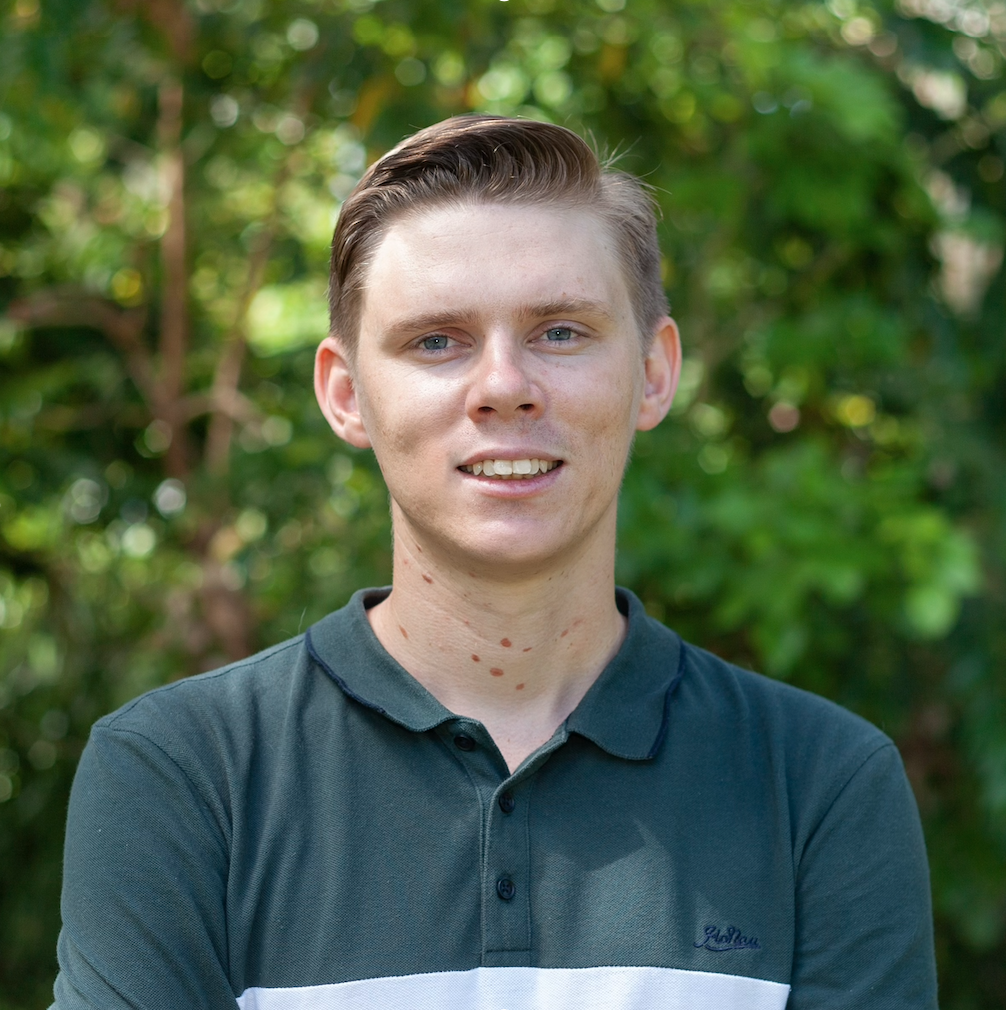
Scott Morrissey
- Research Officer
- scott.morrissey@jcu.edu.au
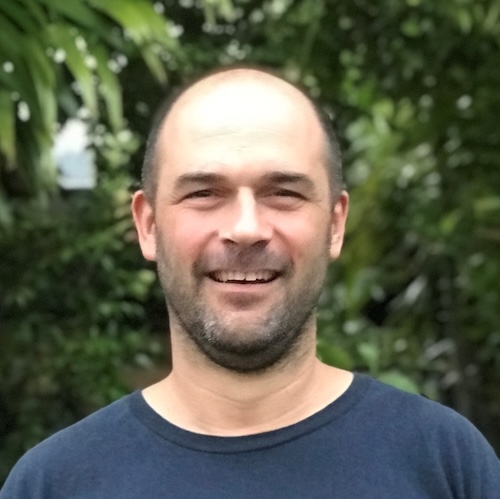
Tim Smith
- Senior Research Officer
- tim.smith2@jcu.edu.au
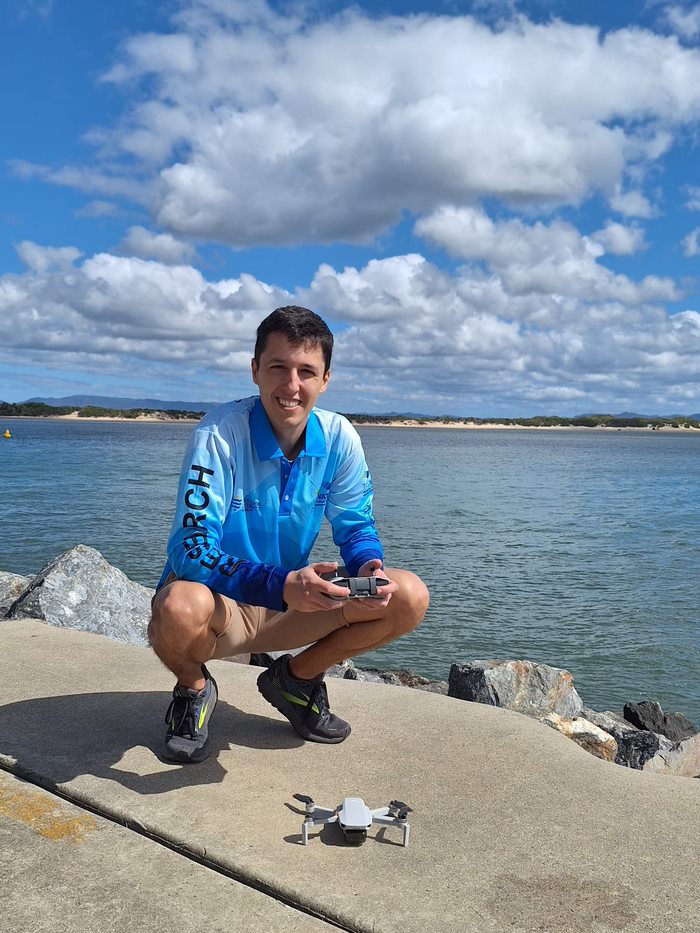
Alejandro Navarro Otero
- Casual Research Worker
- alejandro.navarrootero@jcu.edu.au
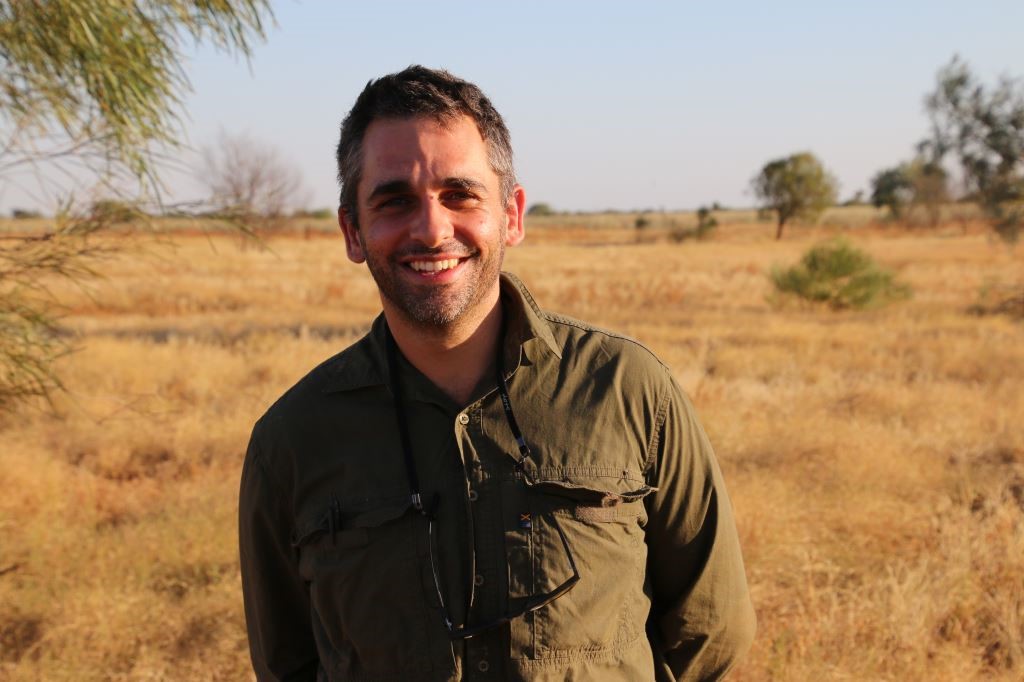
Jack Koci
- Principal Research Officer
- jack.koci1@jcu.edu.au
Sarah McDonald
- Senior Research Officer
- sarah.mcdonald@jcu.edu.au
Emily Webster
- Research Officer
- emily.webster1@jcu.edu.au

Abbi Scott
- Senior Research Officer
- abbi.scott1@jcu.edu.au

Catherine Collier
- Principal Research Officer
- catherine.collier@jcu.edu.au

Rob Coles
- Principal Research Scientist
- rob.coles@jcu.edu.au

Aaron Davis
- Principal Research Officer
- aaron.davis@jcu.edu.au
What's really damaging the Reef? Tracing the origin and fate of the environmentally detrimental sediment and associated bioavailable nutrients (Old ID 26391)
Zoe Bainbridge
01 Jan 2019 - 10 Dec 2020
Recent research has shown that only a portion of the fine sediment fraction delivered from rivers draining into the Great Barrier Reef Lagoon (GBRL) reaches coral reefs and seagrass meadows. The specific sources of this sediment, which affects the health of corals and seagrasses, are as yet unresolved. This project will, for the first time characterise and trace the origin(s), fate and nutrient bioavailability of this environmentally detrimental sediment using samples collected in flood plumes and during resuspension events. This will enable direct spatial targeting of the sources of this material to achieve maximum benefits to GBR health from catchment management actions.
Reef Rescue marine Monitoring Program - Assessment of Terrestrial Run-off entering the Reef. (Old ID 19255)
Caroline Petus
02 Mar 2011 - 30 Aug 2027
The Reef Rescue Marine Monitoring Program (MMP) is a key component in the assessment of long-term improvements in inshore water quality and marine ecosystem health that are expected to occur with the adoption of improved land management practices. The Program monitors the long-term health of key marine ecosystems and the condition of water quality in the inshore Reef lagoon. Data from the MMP is combined with monitoring data collected at the paddock and catchment scales to produce a summary of the health of the Reef and its catchments.
Reef Rescue marine Monitoring Program - Assessment of Terrestrial Run-off entering the Reef. (Old ID 19255)
Stephen Lewis
02 Mar 2011 - 30 Aug 2027
The Reef Rescue Marine Monitoring Program (MMP) is a key component in the assessment of long-term improvements in inshore water quality and marine ecosystem health that are expected to occur with the adoption of improved land management practices. The Program monitors the long-term health of key marine ecosystems and the condition of water quality in the inshore Reef lagoon. Data from the MMP is combined with monitoring data collected at the paddock and catchment scales to produce a summary of the health of the Reef and its catchments.
Mandubarra Healing Country Seagrass Program (Old ID 27873)
Michael Rasheed
14 Sep 2022 - 31 Aug 2023
JCU will co-design and implement a habitat mapping program with Mandubarra Land and Sea Rangers on their sea country at Kurrimine Beach/King Reef. JCU will provide training for Mandubarra Rangers on benthic habitat mapping techniques and seagrass identification at a series of workshops and will work with a Mandubarra Project officer to produce maps and a report, present findings and liaise with Mandubarra Rangers, Traditional Owners and the community on recommendations for future collaborations through a series of workshops.
Port of Weipa Seagrass Monitoring (Old ID 20700)
Alexandra Carter
01 Dec 2012 - 31 Oct 2017
The aim of this research is to monitor seagrass habitats, including those which may potentially be impacted by proposed port developments. The objectives include comparing results of previous monitoring and baseline surveys and assessing any changes in seagrass distribution and abundance in relation to natural events or human induced port and catchment activities, and establishing the capacity for recovery of key seagrass meadows types likely to be affected by proposed developments. The project also examines the relationship between seagrass condition and light and temperature.
Port of Weipa Seagrass Monitoring (Old ID 20700)
Skye McKenna
01 Dec 2012 - 31 Oct 2017
The aim of this research is to monitor seagrass habitats, including those which may potentially be impacted by proposed port developments. The objectives include comparing results of previous monitoring and baseline surveys and assessing any changes in seagrass distribution and abundance in relation to natural events or human induced port and catchment activities, and establishing the capacity for recovery of key seagrass meadows types likely to be affected by proposed developments. The project also examines the relationship between seagrass condition and light and temperature.
Identifying sources of fine sediments to protect the Great Barrier Reef (Old ID 22667)
Stephen Lewis
04 Jul 2016 - 15 Apr 2021
This fellowship builds on Bainbridge's PhD thesis which identified the sediment fractions preferentially transported from rivers via flood flumes to the Great Barrier Reef lagoon, and which have the greatest influence on photic depth/water clarity. The research will identify both the key properties and the primary sources of this material, enabling more effective prioritisation and direct targeting of control works to improve the quality of water discharged to the Great Barrier Reef. This research is cutting edge in the field of sediment tracing and will contribute locally by identifying specific catchment sources of ecologically-damaging fine sediment, and to the broader international field of sediment tracing.
Towards Solving COTS on the GBR Through Integrated Pest Management (Old ID 21944)
Caroline Petus
18 Dec 2014 - 30 Dec 2016
The project will use an innovative pest-management approach that centres around (1) new advanced models of CoTS outbreaks on the GBR and how they are driven by processes on land and in the sea, (2) effective knowledge transfer from cutting-edge science to strategic management and improved industry practices and (3) continued capacity-building in Cots management and effective stakeholder engagement.
NESP 3.5: Supporting regional planning in northern Australia: Building knowledge, skills & partnerships for understanding seagrass distribution (Old ID 29021)
Catherine Collier
01 Feb 2023 - 20 Nov 2026
Northern Australia has vast development opportunities but limited knowledge of the environment to inform decision making. This region has globally significant seagrass habitat, supporting dugong, green turtle, and commercially important fish and prawns. However, knowledge about seagrass habitats for extensive areas of the coast is limited - data is patchy or not freely available, few large-scale mapping surveys have been conducted, and even fewer seagrass long-term monitoring programs exist. This project will address these problems by: 1. Mapping selected benthic habitats, with a focus on seagrass, using methods consistent with previous and ongoing surveys in northern Australia. 2. Establishing a benchmark of seagrass habitats for Traditional Owners, Indigenous communities, rangers, management agencies, ports, industry, and researchers to assess change. 3. Partnering with management agencies and ranger groups to co-design mapping and monitoring methods in remote areas that use new technology such as drones. 4. Compiling and synthesizing historical seagrass data into a publicly available spatial database to create a permanent record. 5. Interpreting and reporting on survey findings, including providing advice on options for establishing monitoring programs.
Influencing agriculture practice behaviour change and trust frameworks. (Old ID 26963)
Aaron Davis
01 Jan 2020 - 10 Dec 2020
The ecologically-determined water quality improvement targets for the Great Barrier Reef can only be met with significant improvement in farm management practices. Numerous programs over many years, utilising a variety of approaches, have worked with land managers and representative farmer groups, seeking to achieve high levels of uptake of recommended farming practices. However, these have only met with low-moderate success. There has been significant work encouraging and facilitating behaviour and practice change in recent years, including through, but certainly not limited to, the NESP TWQ Hub. Programs encouraging behaviour and practice change are set to remain a feature of contemporary reef funding programs. Thus it is timely to coordinate a synthesis of learnings in this domain. Increasing understanding of, and improving trust frameworks and behaviour change of land managers will lead to improved water quality to the Great Barrier Reef. Understanding the impetus, benefits and barriers of behaviour change for agricultural practice is a large step in improving water quality to the Great Barrier Reef.
Coral decline threatens fish biodiversity in marine reserves
- 2004
- National Academy of Sciences
- Researchers:Maya Srinivasan
Mid-late Holocene sea-level variability in eastern Australia
- 2008
- Wiley-Blackwell
- Researchers:Stephen Lewis
Start Date:
01 Jan 2021
End Date:
01 Jan 2022
Start Date:
01 Jan 2019
Start Date:
01 Jan 2021
Start Date:
01 Jan 2020
Start Date:
01 Jan 2017
End Date:
01 Jan 2024
Start Date:
01 Jan 2008
Start Date:
01 Jan 2010
End Date:
01 Jan 2011
Start Date:
01 Jan 2023
Start Date:
01 Jan 2018
Start Date:
01 Jan 2020
End Date:
01 Jan 2020