
Microbiology and Immunology
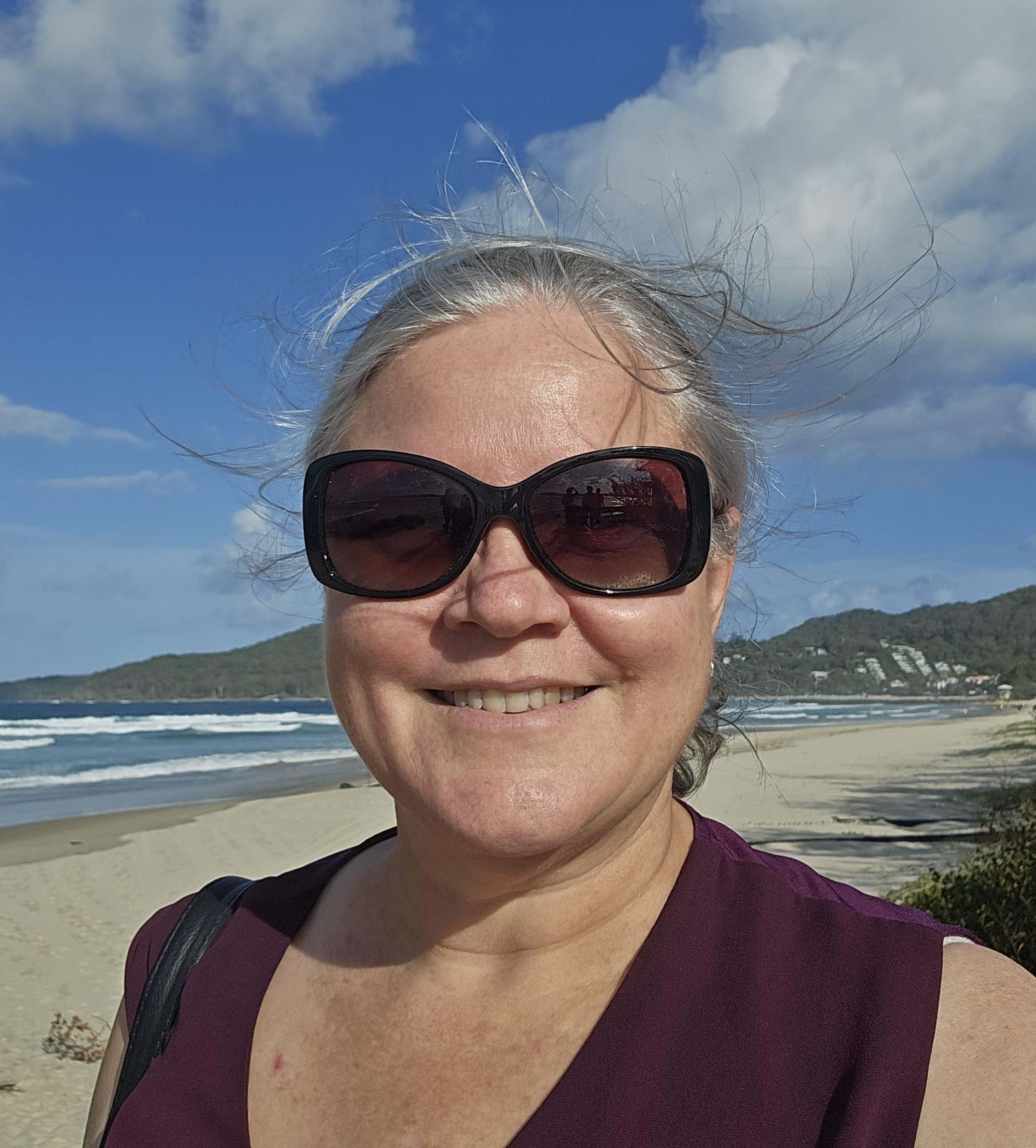
Jenny Elliman
- Senior Lecturer
- jennifer.elliman@jcu.edu.au
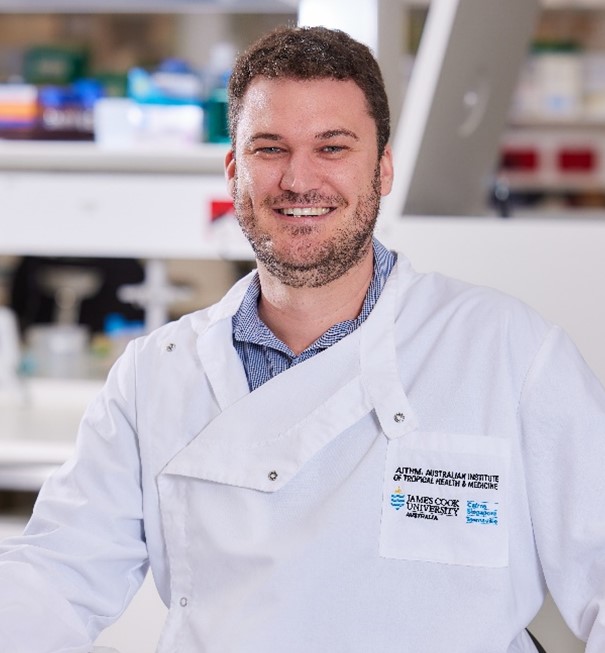
Daniel Browne
- Lecturer, Microbiology and Immunology
- daniel.browne@jcu.edu.au

Hillary Vanderven
- Senior Lecturer, Immunology/Infectious Disease
- hillary.vanderven@jcu.edu.au

Jessica Watt
- Lecturer, Biomedicine
- jessica.watt1@jcu.edu.au

Ellen Ariel
- Adjunct Professor
- ellen.ariel@jcu.edu.au

Subir Sarker
- Associate Professor, Microbiology
- subir.sarker@jcu.edu.au
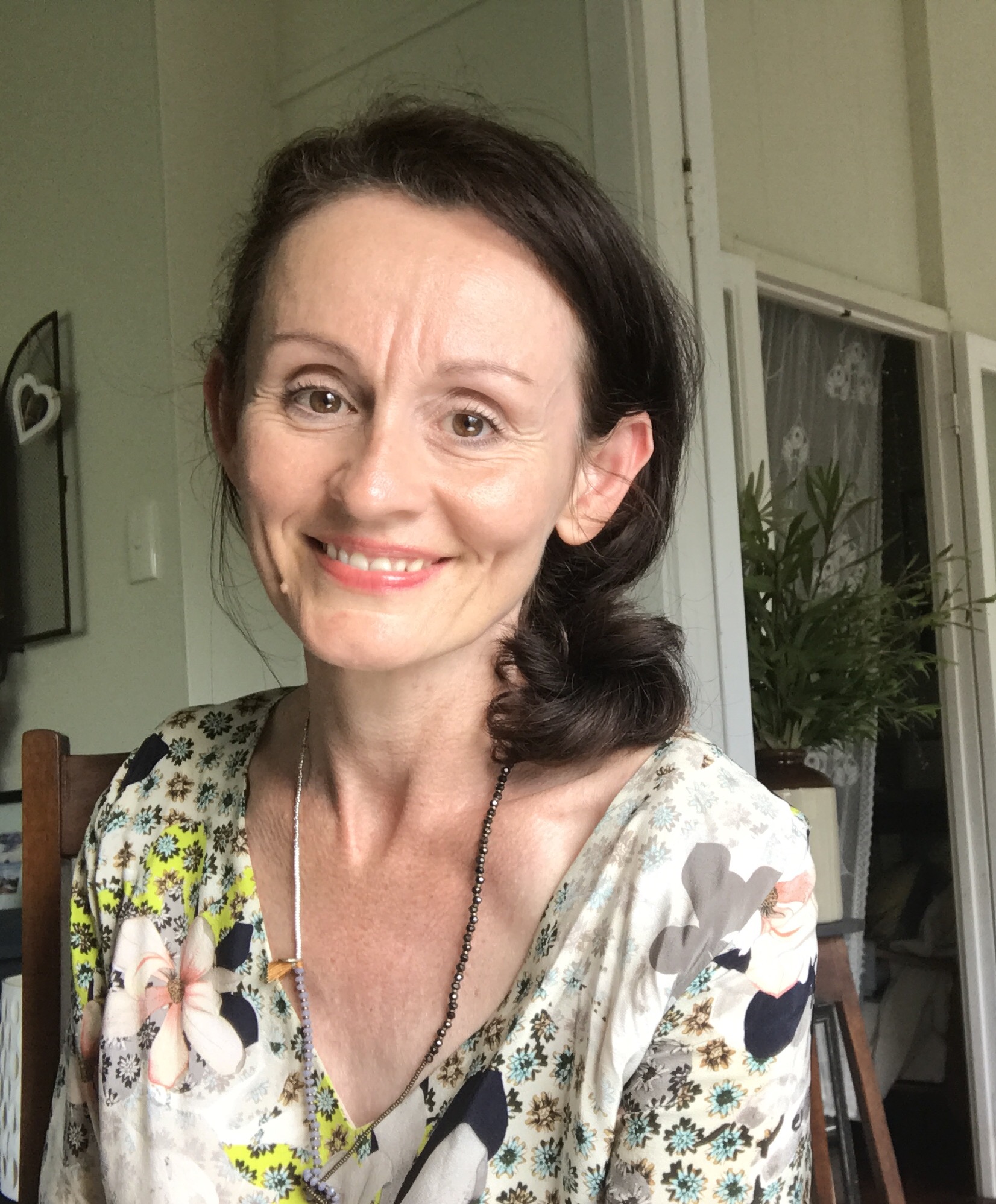
Catherine Rush
- Associate Professor
- catherine.rush@jcu.edu.au
Yaoqin Hong
- Lecturer, Microbiology
- yaoqin.hong@jcu.edu.au
Research Vessel for Shallow Water Capture (Old ID 23069)
Ellen Ariel
11 Nov 2016 - 11 Nov 2017
An inflatable lifeguard vessel with fibreglass bottom is a great help for catching sea turtles in shallow inshore areas. The inflatable sides makes for greater safety for both turtle and catcher. Sick turtles tend to prefer shallow water.
Metal concentrations in green turtles on the Great Barrier Reef (Old ID 26767)
Ellen Ariel
28 Jan 2020 - 01 Apr 2021
The aim of this study is to investigate metal concentrations in green turtles foraging at four study sites before and after the wet season and the 2019 North Queensland flood event. Funding is requested for ICP-MS sample analysis of metal exposure in seagrass species and green turtles with the aim of better understanding the full extent of metal exposure at a number of coastal study sites of the Northern Great Barrier Reef, impacted by anthropogenic activity.
Material Transfer Agreement
Subir Sarker
19 Mar 2024 - 19 Mar 2029
Material Transfer Agreement:
Purpose of use: Investigating plant-derived antimicrobial molecules as potential antiviral agents in viral infections.
Characterisation of avian circovirus protein complexes: A crucial step in tackling fatal viral infection in birds
Subir Sarker
13 Jan 2020 - 30 Aug 2025
This project aims to better understand how the beak and feather disease virus (BFDV) is assembled. The virus affects Australian native birds, which are currently endangered or critically endangered and has the potential to disrupt native ecosystems. By using interdisciplinary research, this project will generate fundamental knowledge by which BFDV protein complexes are formed. The intended outcomes of the project include the identification of key binding interfaces involved in viral formation processes. This information intends to guide cost-effective delivery of potential anti-viral options or vaccines for endangered Australian native parrots, and for use as a model to target other pathogenic DNA viruses of interest.
Better Blood Biomarkers for ME/CFS
Subir Sarker
07 Jun 2024 - 30 Jun 2027
Recent ME/CFS research focuses on blood biomarkers for diagnosis, prognosis, and treatment monitoring. Immune dysregulation, mitochondrial dysfunction, and metabolic changes are highlighted as key pathways. Omics technologies aid in discovering novel biomarkers and understanding disease heterogeneity. Challenges like sample variation and reproducibility underscore the importance of collaboration and standardization. Despite obstacles, biomarker discovery offers potential for early detection, personalized treatment, and better outcomes. This research signals a move towards precision medicine in ME/CFS management, promising transformative impact in clinical practice.
Activation of AMPK to treat abdominal aortic aneurysm (5As). (Old ID 31075)
Catherine Rush
01 Feb 2024 - 31 Jan 2027
Twenty million people worldwide (100,000 Australians) have weakening and dilatation of their main abdominal artery (AAA), responsible for 200,000 deaths/year due to aneurysm rupture. Randomised controlled trials show that surgery does not benefit patients with aneurysms <55mm in diameter. About 95% of AAAs are identified when they are small and are simply imaged every 6 to 12 months until aortic diameter becomes ≥55mm, when surgery is considered. About 5% of AAAs fatally rupture during surveillance and 70% grow within 5 years to 55mm and are repaired, with the risk of complications. The lack of treatment for small AAA concerns patients who worry about aneurysm rupture, which impairs their quality of life. Surveys of patients and specialists, and our systematic reviews show the number one deficiency in AAA management is the lack of drugs to prevent aneurysm growth and rupture. A wealth of evidence suggests that pharmacological activation of the AMPK pathway may prevent AAA growth and rupture. We have access to a novel potent 5′ adenosine monophosphate-activated protein kinase (AMPK) pathway activator (O304) which has been shown to be safe in older adults for other indications. This 5As project will build on our past discoveries using our unique resources and expertise (clinically-relevant mouse model, human AAA explant culture methods, novel drug, statistical methods, human AAA biobanks, registries and genome wide data) to test if: 1. AMPK agonist 0304 inhibits aneurysm growth and rupture in our mouse model; 2. AMPK agonist 0304 reduces markers of AAA growth in human AAA samples in vitro; 3. Genetic AMPK upregulation is protective against AAA development and growth.
Revealing the hidden knowledge in pathology big data: Machine learning to support clinical decision making for unknown infectious diseases and recognise biosecurity incursions in tropical Australia (Old ID 26978)
Catherine Rush
20 Aug 2020 - 30 Sep 2023
Pathology departments generate massive data from the results of routine and targeted tests conducted to serve community health needs. With the availability of large pathology data collections, the application of sophisticated machine learning (ML) algorithms allows the detection of novel data patterns to characterise disease processes and monitor population health. We will apply recursive partitioning (trees and forests) and support vector machines (SVM) to large pathology data sets to: (a) investigate the biosecurity potential of linked community data, and; (b) assist early decision support for patients presenting with a tropical pyrexia of unknown origin (PUOs).
Does renal denervation promote atherosclerosis? (Old ID 20864)
Catherine Rush
01 Jan 2014 - 31 Dec 2016
The long-term side effects of renal denervation are unknown. This project is designed to (1) investigate the potential atherosclerosis-promoting effect of renal denervation, and (2) to study the effectiveness of anti-inflammatory drugs to minimize this potential side effect. Ultimately, this project may improve the beneficial effects and minimize the potential side effects of renal denervation by routinely treating renal denervated patients with anti-inflammatory drugs.
Improving clinical pathways for abdominal aortic aneurysm through incorporating biomarkers (Old ID 27513)
Catherine Rush
01 Jun 2023 - 31 May 2028
MRF2015999
20 million people worldwide have weakening of their main abdominal artery (abdominal aortic aneurysm; AAA) and are at high risk of both major adverse cardiovascular events (MACE) and AAA related events (AAA repair and rupture-related death). Most AAAs are identified at a small size when their risk of rupture is low. Management of small AAA focuses on repeat aortic imaging every 6 months to identify when the threshold diameter (50mm in women and 55mm in men) is reached for elective surgical AAA repair. Most small AAAs continue to grow in size and eventually undergo repair. No drugs have been shown to limit AAA growth and the clinical pathway focuses on identifying those needing surgery rather than medical management. There are no established means to individualise care. Our interviews with patients and health professionals indicate that the number one deficiency in current AAA management is the lack of individualising medical management to reduce the high incidence of MACE and AAA related events. Our international AAA alliance is uniquely placed due to our resources (biobank-registry) and IP (bioinformatics, clinical, engineering software, genomics, biomarkers, machine learning and pathogenesis) to addresses this unmet clinical need.
Viral Causes of Crayfish Handling Mortalities (Old ID 23613)
Jenny Elliman
18 Sep 2017 - 31 Dec 2020
Northern Queensland crayfish from farms affected by stress, particularly transportation stress, started to die with mortality reaching 20-40% after about three weeks. Two new viruses were found, Cheque iflavirus and Athtab Bunya-like virus. This research will determine the infection cycle of the viruses to understand how to intervene and control the impact of these viruses.
Tracking antigen-specific lymphocytes in vivo
- 2004
- Humana Press
- Researchers:Catherine Rush
Identifying the cells breaching self-tolerance in autoimmunity
- 2010
- American Association of Immunologists
- Researchers:Catherine Rush
The novel association of the chemokine CCL22 with abdominal aortic aneurysm
- 2010
- American Society for Investigative Pathology
- Researchers:Jonathan GolledgeCatherine Rush
Start Date:
01 Jan 2024
End Date:
01 Jan 2026
Start Date:
01 Jan 2010
End Date:
01 Jan 2014
Title:
Bachelor of Science (Molecular Biotechnology) with First Class Honours, The University of Sydney
Start Date:
01 Jan 2005
End Date:
01 Jan 2009
Start Date:
01 Jan 2015
Start Date:
01 Jan 2014
Start Date:
01 Jan 2013
Title:
Experts warn of "escalating" public health threat from mosquito-borne viruses, 7NEWS Townsville
Start Date:
13 Feb 2026
Start Date:
13 Feb 2026
Start Date:
01 Jan 2013
Start Date:
01 Jan 2025