
Molecular and Cell Biology

Mila Grinblat
- Postdoctoral Research Fellow
- mila.grinblat@jcu.edu.au
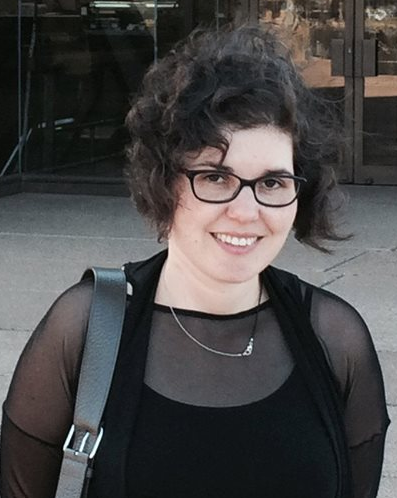
Dena Francis
- Lecturer, Molecular Genetics
- deanne.francis@jcu.edu.au

David Whitmore
- Professor, Biomedicine
- david.whitmore@jcu.edu.au
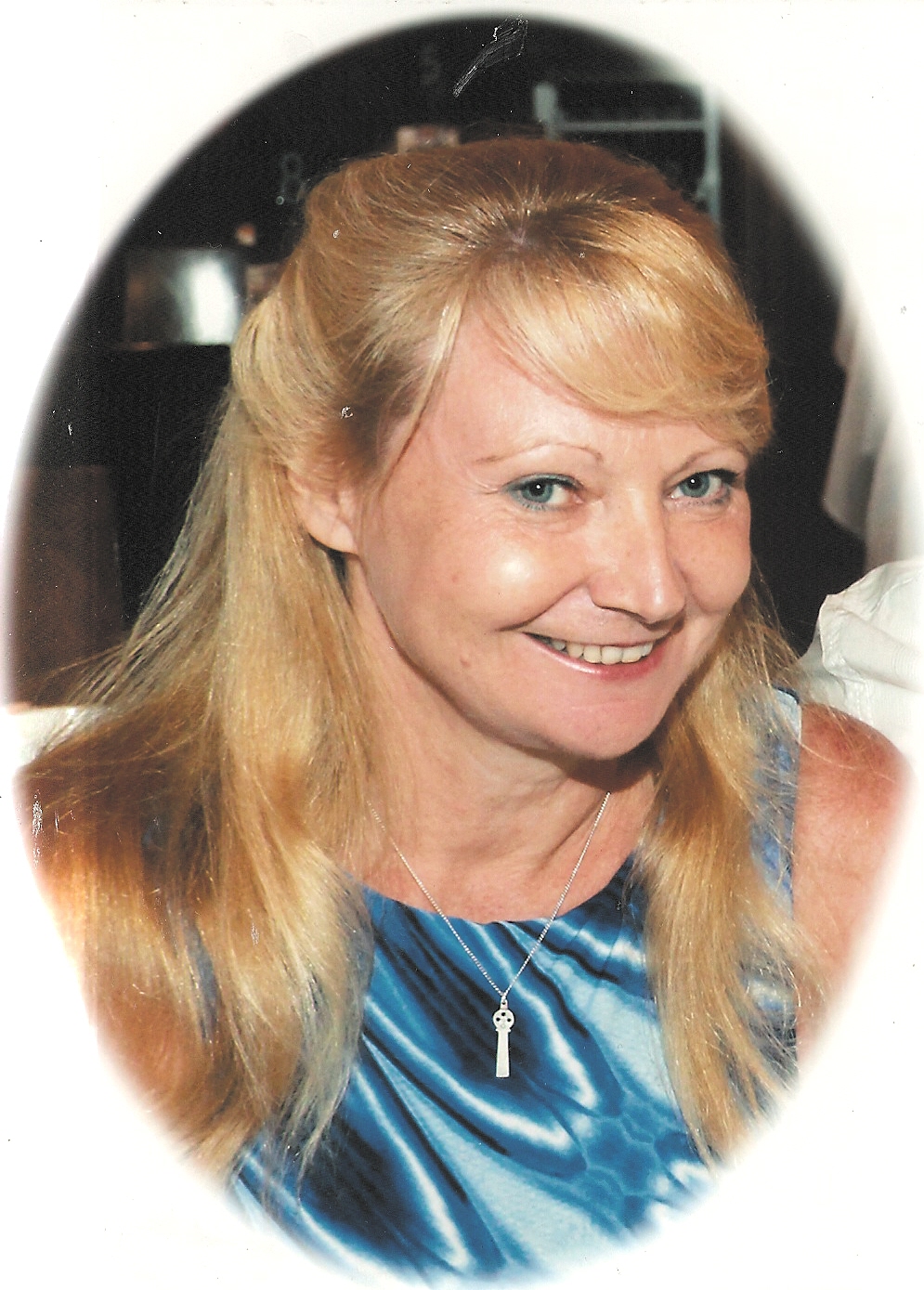
Margaret Jordan
- Senior Research Fellow
- margaret.jordan@jcu.edu.au
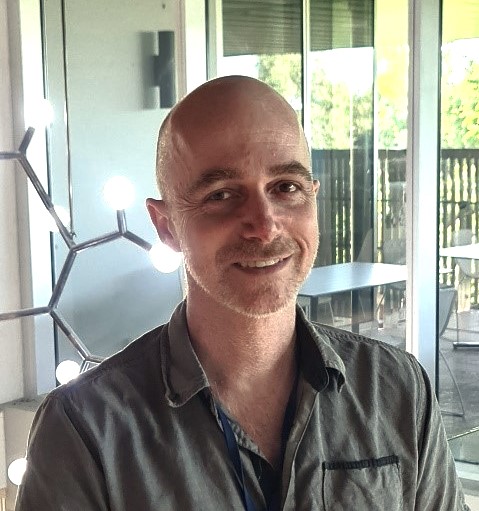
Patrick Schaeffer
- Associate Professor
- patrick.schaeffer@jcu.edu.au
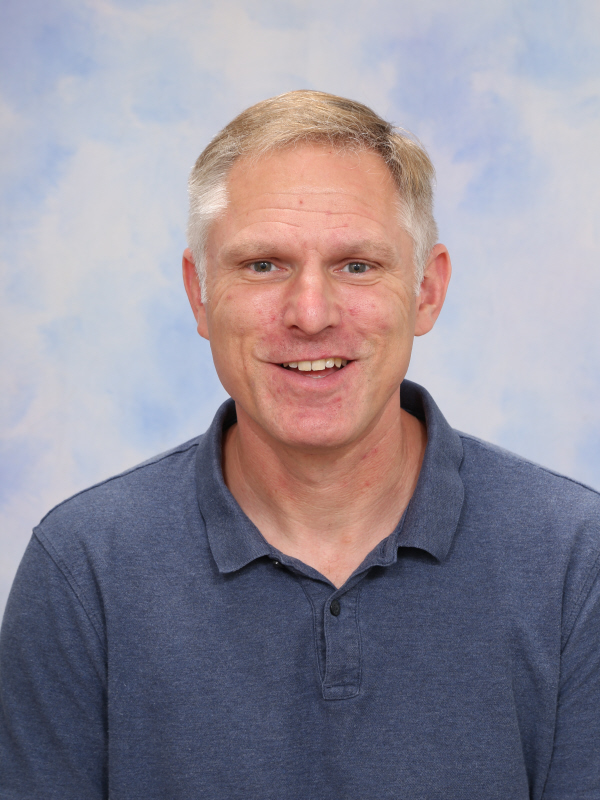
Sacha Jensen
- Senior Lecturer
- sacha.jensen@jcu.edu.au
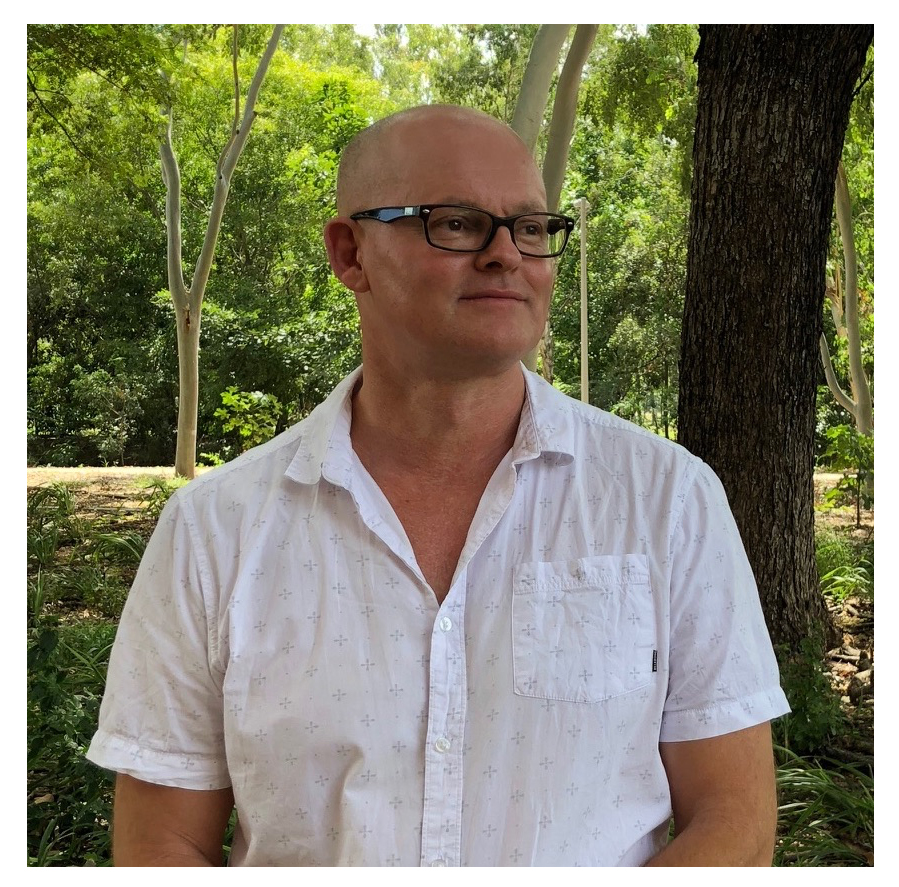
Lionel Hebbard
- Associate Professor
- lionel.hebbard@jcu.edu.au
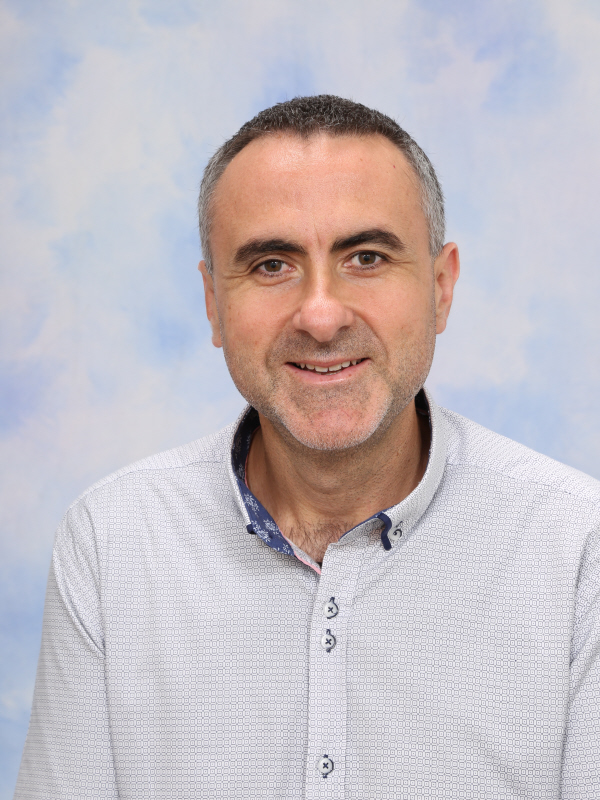
Craig McFarlane
- Associate Professor
- craig.mcfarlane@jcu.edu.au
Alanna Sorenson
- Senior Lecturer, Molecular and Cell Biology
- alanna.sorenson@jcu.edu.au

Alan Baxter
- Adjunct Professor
- alan.baxter@jcu.edu.au
Mechanisms determining Marfan syndrome severity (Old ID 27110)
Sacha Jensen
01 Jan 2021 - 31 Dec 2023
Marfan syndrome (MFS), caused by defects in the protein fibrillin-1, has a wide spectrum of severity with symptoms affecting the heart, bones and eyes. The cause of this variation in severity is unclear. Severe, neonatal MFS and Beal's syndrome result from mutations in corresponding parts of the proteins fibrilin-1 and fibrillin-2. Using clues from these diseases, this project will use new cell engineering techniques to determine why some fibrillin mutations are more severe than others. The results are relevant not only to understanding MFS, but also to understanding how the tissues in our bodies are developed and maintained.
Improving Hepatocellular Carcinoma Immunotherapy
Craig McFarlane
31 Jul 2025 - 31 Dec 2026
Hepatocellular carcinoma (HCC) constitutes 80-90% of all liver cancers and is the third leading cause of cancer-related death globally. There are just a few therapeutic options available for HCC patients. The most promising is immunotherapy, which uses the antibodies atezolizumab, an immune check point inhibitor, and bevacizumab an angiogenic inhibitor, that direct the immune system to kill HCC tumour cells.
However, immunotherapy is effective in just 30% of HCC patients and can in some instances promote tumour progression and have adverse effects. The major reason for this is that the HCC immune environment is immunosuppressed in 70% of patients, and the molecular events leading to this are poorly understood.
This project will use murine HCC models and atezolizumab and bevacizumab therapeutic equivalents, single cell sequencing and advanced cell biology to decipher how HCC escapes immunotherapy, and hence determine new therapeutic targets to treat immunosuppressed HCC.
Some rare Indo-Pacific coral species are probable hybrids
- 2008
- Public Library of Science
- Researchers:David Miller
Double-stranded oligonucleotides and uses therefor
- 2006
- Researchers:Patrick Schaeffer
Genes mediating environment interactions in type 1 diabetes
- 2005
- Society for Biomedical Diabetes Research
- Researchers:Margaret Jordan
Start Date:
01 Jan 2014
Title:
Australian Health Research Alliance-Women's Health Research Translation Network (WHRTN)[$15000]
Start Date:
01 Jan 2021
Start Date:
01 Jan 2020
Start Date:
01 Jan 2019
Start Date:
01 Jan 2016
Start Date:
01 Jan 2018
Title:
RIBG [$39 489]
Start Date:
01 Jan 2017
Start Date:
01 Jan 2016
Start Date:
01 Jan 2013
Title:
PhD, James Cook University
End Date:
01 Jan 2011