
Tropical Futures Institute Limited
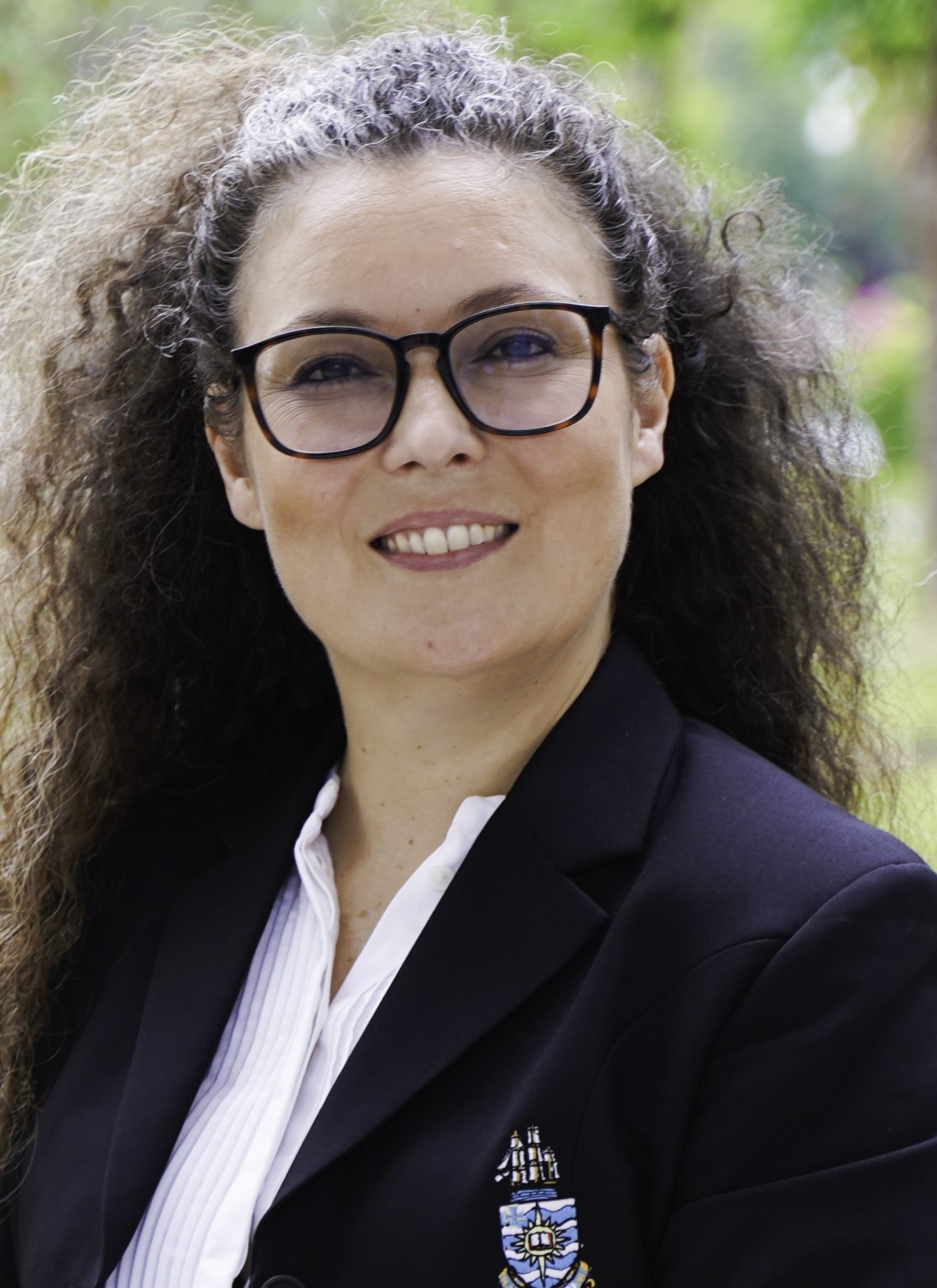
Maura Carrai
- Senior Research Fellow - Aquaculture Molecular Health
- maura.carrai@jcu.edu.au
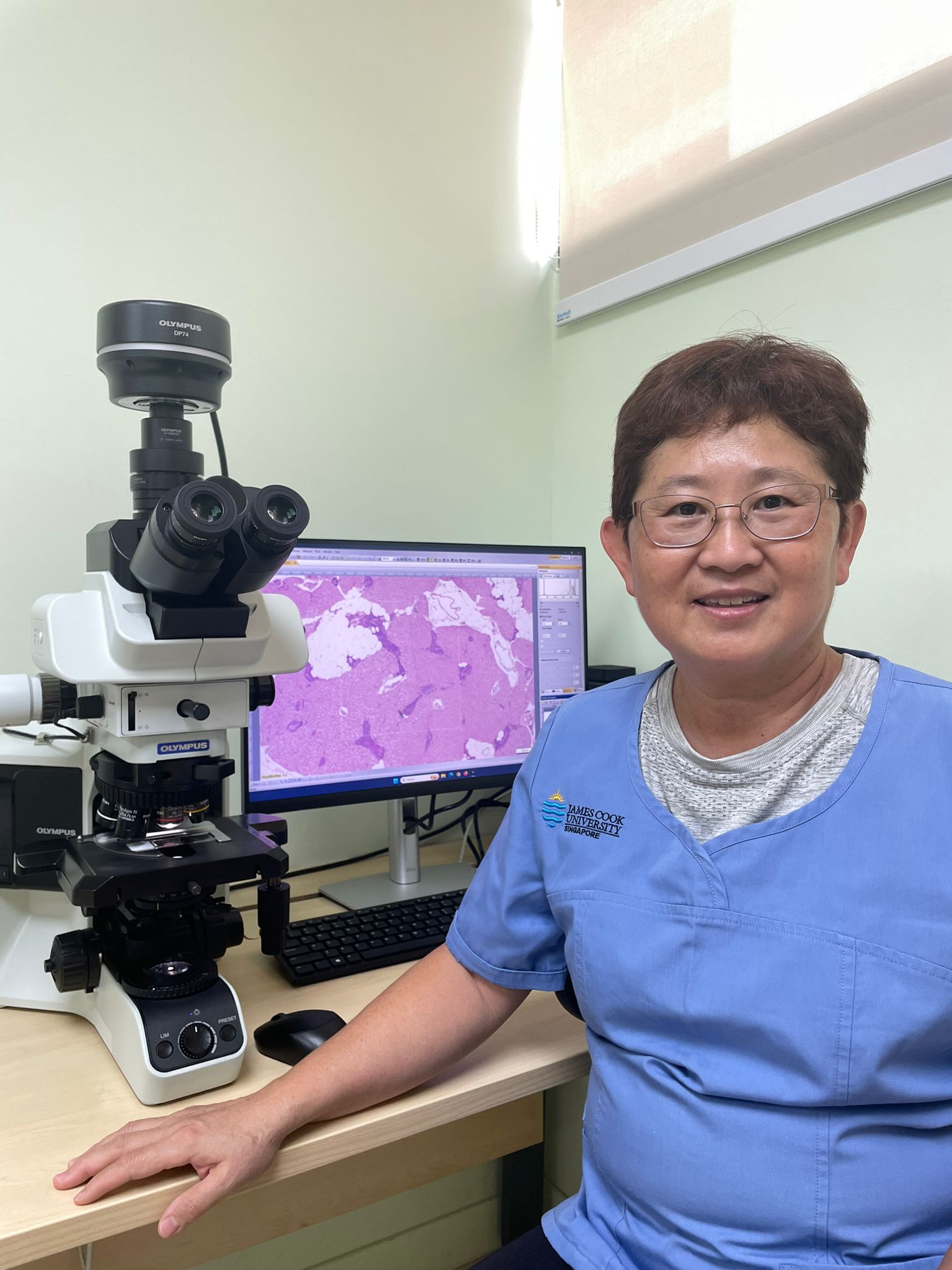
Susan Kueh
- Associate Professor (Aquatic Animal Health)
- susan.kueh@jcu.edu.au

Joseph Angelo
- Senior Manager Laboratory
- joseph.angelo@jcu.edu.au

Xueyan Shen
- Associate Professor
- xueyan.shen@jcu.edu.au

Jose Domingos
- Professor/Principal Research Fellow Aquaculture and Deputy Director TFI
- jose.domingos1@jcu.edu.au

Thimo Ruethers
- Senior Research Fellow Human Health & Aging
- thimo.ruethers@jcu.edu.au
James Loh
- Associate Professor / Principal Research Fellow Aquaculture
- james.loh@jcu.edu.au
Testing of monoglyceride feed additives for fish growth and immune response
Xueyan Shen
01 Feb 2021 - 01 Dec 2022
Testing of monoglyceride feed additives for fish growth and immune response
Optimizing Feeds for Singaporean Red Snapper Aquaculture
Xueyan Shen
01 Jun 2022 - 01 Dec 2024
Optimizing Feeds for Singaporean Red Snapper Aquaculture
Optimizing Asian Seabass Research and Production in Singapore through an Integrated Approach
Xueyan Shen
01 Oct 2025 - 31 Oct 2028
Optimizing Asian Seabass Research and Production in Singapore through an Integrated Approach
Temporal microbiome dynamics and fish health-associated dysbiosis in freshwater aquarium systems: A case study from River Wonders Singapore
Susan Kueh
10 Jul 2024 - 16 Nov 2025
Aquaculture Reports Article Publishing Charge
Article: Temporal microbiome dynamics and fish health-associated dysbiosis in freshwater aquarium systems: A case study from River Wonders Singapore. This work was funded by the Mandai Wildlife Group, Singapore.
ACE Aquatic Veterinary Consultancy
Susan Kueh
01 Mar 2022 - 28 Feb 2023
This consultancy will provide a holistic end-to-end Aquatic Veterinary Service to ACE to boost production and biosecurity, including aquatic pathogen diagnostics to support disease management, and people development to build skills in aquatic animal health at the farm level. Diagnostic tools such as histopathological and molecular diagnostic techniques will be included in service provided. The fee supports holistic on-farm outreach, biosecurity audits, veterinary consultations and disease diagnostic services linked to improving production, reducing mortalities and upskilling farm staff.
Evaluation of functional feed additives to control diseases of importance in aquaculture species in Singapore & the tropics
Susan Kueh
15 Oct 2021 - 14 Oct 2022
Aim: Evaluation of functional feed additives to control diseases of importance in aquaculture species in Singapore & the tropics. Specific feed
additives to be tested 1. Medium chain organic acids for improved gut health in fry at weaning and early nursery fish, and 2. Monoglycerides
to improve resistance against virus in late nursery and early stage grow-out fish. 2 Phase Study 1. Trial organic acids in weaning and early
nursery diet @Allegro 2. Mono-glycerides late nursery and early grow-out stage fingerlings at SAT. Select functional feeds will be evaluated
in weaned and early nursery fish at Allegro, and late nursery/ early grow-out at SAT, using a combination of growth rates, FCRs,
histopathology, haematology, transcriptomics (gene expression), qPCR of tissue and environmental samples, host and environmental
microbiome analyses.
Consultancy - Aquatic Animal Health & Biosecurity Bali 29 June - 01 July 2024
Susan Kueh
29 Jun 2024 - 01 Jul 2024
The purpose of this consultancy is to review the fish health management and biosecurity practices at 2 marine aquaculture facilities that farms mainly barramundi/ Asian seabass and groupers. The farms are interested in improving these practices, and better manage important common diseases in these two aquaculture species. Adisseo Asia Pacific will be paying for the consultancy fees and all travel expenses related to this trip, as part of their extension outreach to fish farms in the AP region.
Seafood Consumption and Production Trends – Singapore Market Study
Susan Kueh
01 Aug 2021 - 31 Dec 2021
The research project seeks to provide WWF-Singapore with detailed information around trends in seafood supply and apparent
consumption in Singapore, with a focus at the species level. The analysis will also involve the calculations around the volume of
certified and non-certified seafood imported into and exported from Singapore, disaggregated by species. The analysis will also seek
to both identify the sectors and respective major buyers that are importing seafood, and calculate seafood import volume (down to
species level) for each identified sector/buyer. Finally, the analysis will also seek to cover total production volume of local
aquaculture farms, disaggregated by species, and the market share of individual farms. The results from this study will be used to
inform WWF-Singapore’s seafood strategy
A pilot study to analyze whether changes in bacteria microbial community using flow cytometry and pathogen eDNA can be employed to monitor and predict disease outbreaks in commercial fish farms in Singapore
Susan Kueh
04 Apr 2024 - 04 Apr 2025
AIM:
Can changes in bacteria microbial community using flow cytometry and pathogen eDNA be used as a proxy for predicting disease outbreaks in commercial fish farms in Singapore?
CONTEXT:
The aquaculture industry is constantly jeopardized by diseases which can result in insignificant economic losses due to poor growth performance and mortality. Fish diseases are caused by a wide range of infectious organisms, including viruses, bacteria, fungi, protozoan, and metazoan parasites. Microbial communities can change rapidly in aquatic environments and adversely impact fish health and water quality such that efficient and reliable monitoring methods are needed to inform the management of aquaculture production. Conventional total bacteria plate counts are commonly used to monitor bacteria load and serve as an indicator for managing water exchange, but this is a tedious technique for large sample sizes. Flow cytometry (FCM) and eDNA monitoring are fast gaining traction for fast and reliable high throughput analysis of large sample sizes. Environmental DNA sampling methodology represents the new frontier of research, where water, soil, and biofilms are collected for DNA analysis of potential environmental pathogens. Total bacteria counts are an indicator of water quality and microbial loads are highly correlated with suspended solids from land runoffs that can harbor aquatic pathogens (sea snow). This study will compare whether eDNA molecular analysis with FCM for total viable bacteria counts is a rapid, reliable, and efficient tool to improve disease monitoring to predict the presence of pathogens that may cause an outbreak.
METHODOLOGY:
Representative water samples will be collected once weekly from selected farm sites ( Singapore Aquaculture Technologies SAT) for analysis using FCM and eDNA, for 6 months. Fish samples will be examined using histopathology to provide an overview of general fish health and the presence of any significant disease. Depending on an initial site visit assessment and interview with farms, a panel of up to 5 significant pathogens of interest to fish farms may be included in the eDNA monitoring panel. The final sampling design will be developed based on issues that partner farms wish to investigate. Up to 6 water and 6 fish samples will be collected each week for analysis, giving an overall total of 144 water and 144 fish samples. A monthly report will be made available to partner farms to assist them in making management decisions. Trends in viable bacteria counts and pathogen loads will be correlated to farm production data and general fish health.
Renal mucous production in Australian freshwater plotosid and ariid catfishes
- 2017
- Wiley-Blackwell
- Researchers:Susan Kueh
Case studies of spinal deformities in ornamental koi, Cyprinus carpio L.
- 2017
- Wiley-Blackwell
- Researchers:Susan Kueh
Start Date:
01 Jan 2016
Start Date:
01 Jan 2016
Start Date:
01 Jan 2014
Start Date:
01 Jan 2014
Start Date:
01 Jan 2022
Start Date:
01 Jan 2021
Start Date:
01 Jan 2019
Start Date:
01 Jan 2021
Start Date:
01 Jan 2018
End Date:
01 Jan 2018